Indonesia Reopens Five Airports After Anak Krakatau Eruption Disrupted 2,961 Flights
Why It MattersVolcanic ash closures show how a single eruption near a major hub can idle a fleet-scale number of aircraft, since each airframe must be individually cleared for airworthiness before service resumes.
What happened
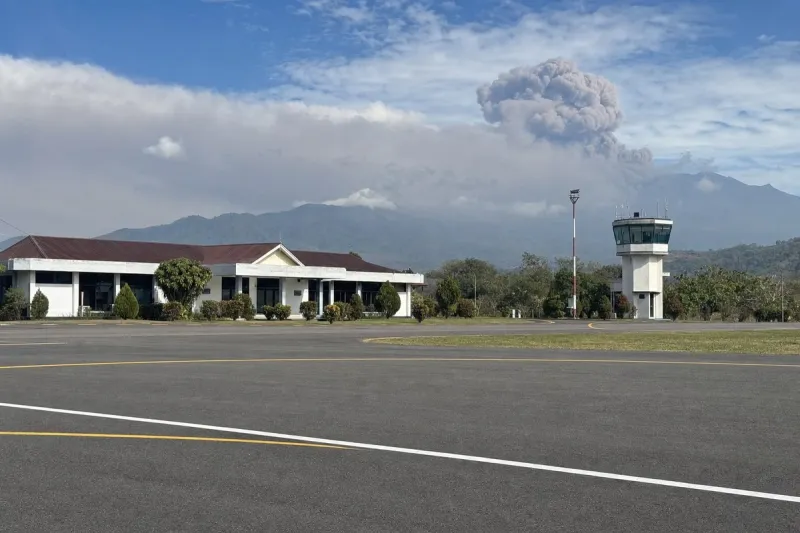
Indonesia reopened five airports on Tuesday, days after Anak Krakatau's eruption forced the closure of eight airports and disrupted 2,961 flights, leaving around 341,000 people stranded. The volcano, on a small island in the Sunda Strait between Java and Sumatra, began erupting late Friday and stayed active for approximately 25 hours, sending black ash plumes over Jakarta, roughly 150 kilometres to the east, and across Lampung province in southern Sumatra.
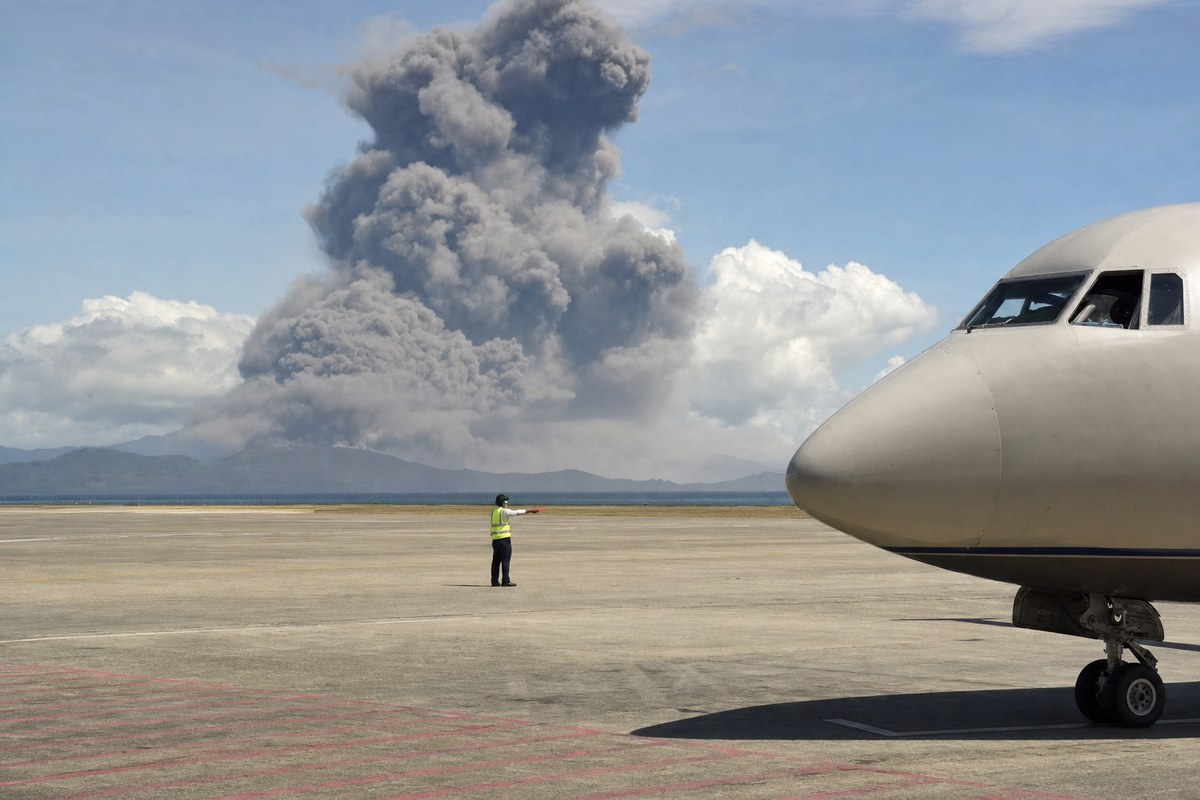
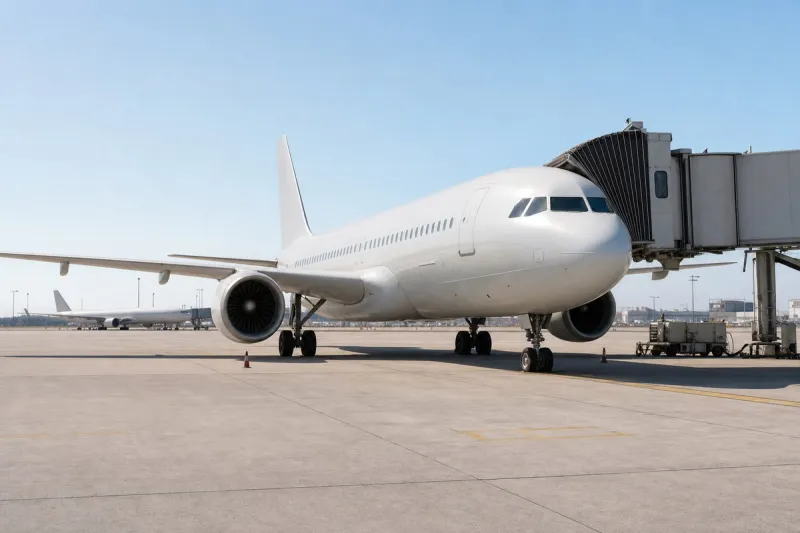
Transport Minister Dudy Purwagandhi said Soekarno-Hatta International Airport in Jakarta resumed operations Tuesday morning once winds dispersed the ash. Four other airports also reopened, including a smaller Jakarta airport and one in Bandung. Two airports remain closed, while one had already resumed operations on Monday. Dudy said authorities must confirm the airworthiness of 178 aircraft that were at Soekarno-Hatta during the closure, warning that preparing the planes could take additional time.
Indonesia's Center for Volcanology and Geological Hazard Mitigation said on Sunday that while the eruption appeared to have ended, Anak Krakatau remained on alert and further eruptions were possible.
Separately, Malaysian authorities lifted a state of emergency in Serian, a district in Sarawak state on Borneo, that had been declared over toxic haze from wildfires in Indonesia. Authorities said 647 schools across Sarawak had been closed due to the resulting air pollution, and residents in affected areas were advised to continue limiting outdoor activities.
Industry impact & what to watch
Volcanic ash events force a binary response across an airspace region: airports close outright rather than accept degraded operations, because ash ingestion risks to engines cannot be managed through reduced capacity or rerouting alone. The scale here illustrates why the disruption multiplies quickly — closing eight airports cascaded into nearly 3,000 flight cancellations and hundreds of thousands of stranded passengers, even though the eruption itself lasted roughly a day.
Recovery is not instantaneous once ash clears from the sky. Each of the 178 aircraft grounded at Soekarno-Hatta needs individual airworthiness confirmation before it can fly again, meaning the reopening of an airport and the return of a full schedule are two separate timelines. That gap is where passenger disruption tends to persist longest.
What happens next depends on the volcano itself: authorities have already flagged that Anak Krakatau remains on alert with further eruptions possible, which would reopen the same closure-and-clearance cycle. The two airports still closed, and the pace at which the 178 aircraft are cleared, are the immediate indicators of how quickly Jakarta's schedule normalizes.