US DOT Report: Four of 16 Flagged Excessive Tarmac Delays in September Involved New York Airports
Why It MattersConcentration of long tarmac holds at New York airports shows how slot-constrained, tightly scheduled hubs turn single disruptions into cascading delays that regulators track through fixed delay thresholds.
What happened
The US Department of Transportation's Air Travel Consumer Report, published in November, flagged 16 flights in September with excessive tarmac delays. Four of them were scheduled to take off from or land at New York-area airports, including John F. Kennedy International and Newark. Federal data show New York City flights accounted for up to a quarter of the excessive tarmac delays reported in the US that month.
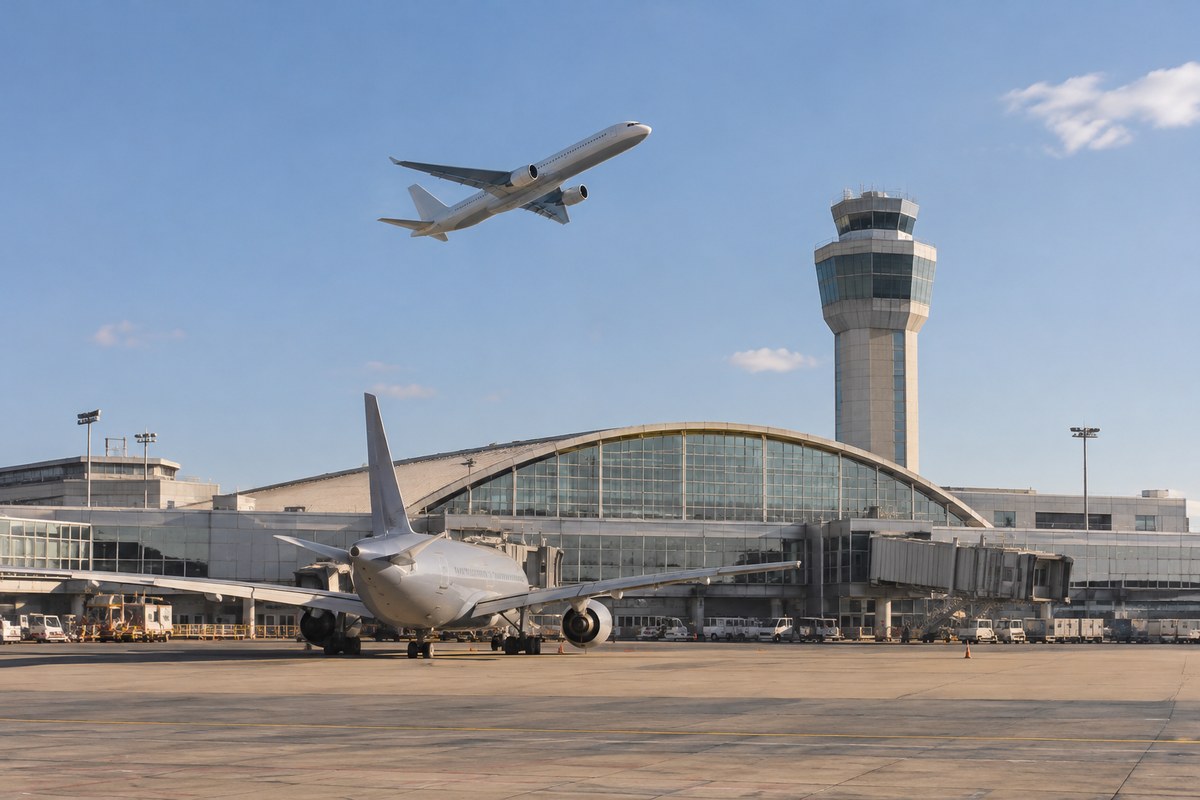
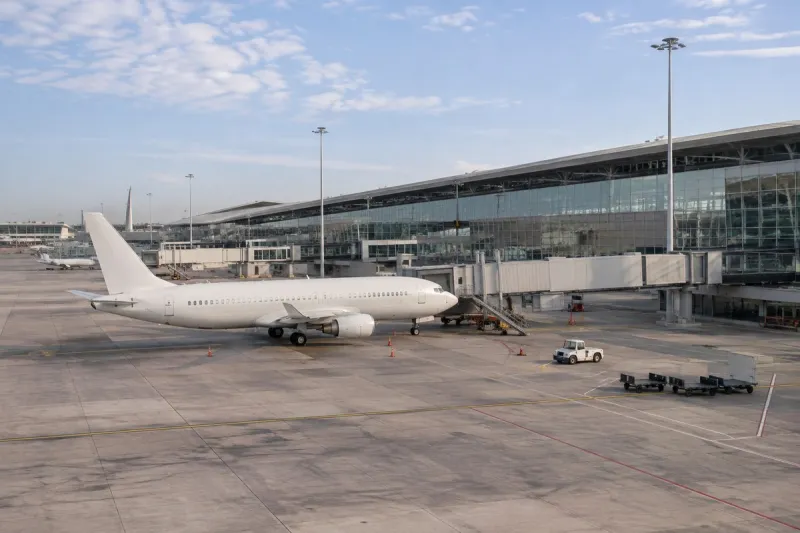
The flagging thresholds differ by flight type: domestic flights are flagged when delays on the tarmac exceed three hours, international flights when they exceed four hours. American, United and JetBlue were the airlines named in connection with the New York delays. One example was United Airlines flight 123 from London Heathrow (LHR) to Newark (EWR) on September 21, which sat on the apron for four hours and 25 minutes after being diverted to Stewart International (SWF) in the Hudson Valley. Another international case involved an American Airlines flight from Mexico City to New York that was diverted.
On punctuality, JetBlue ranked lowest of the eight reported airlines in September, with an average on-time arrival rate of 72% and the highest share of cancelled flights at 2.1%. On-time arrival rates for the three New York airports were Newark (EWR) 76.9%, New York-JFK 75.0% and LaGuardia (LGA) 68.8%. LaGuardia was suggested to be the fifth-worst of the country's 30 largest airports for on-time arrivals, though the tarmac-delay data did not cover LGA services.
Nationwide, cancellations exceeded 121,000 in the first nine months of the year, up 42% on the year before. JetBlue alone cancelled 7,536 flights through September, more than triple the same period in 2025. Delta stands out for punctuality, while ultra-low-cost carrier Allegiant records low cancellations. The analysis excludes the technical failure that led to the nationwide ground stop in November 2026 and this weekend's storm surge, which affected more than 4,000 flights and 80 million travelling Americans.
Industry impact & what to watch
The New York cluster illustrates how tarmac delays tend to arise in dense airspace where several busy airports run tight schedules and slots are scarce. A diversion such as the Heathrow-to-Newark flight landing at Stewart shows the pattern: once an aircraft is displaced to a secondary field, gate, crew and ground-handling availability can stretch a delay past the regulatory threshold. The coverage attributes the pressure around New York to congested airspace, recent air traffic control disruptions and high cancellation rates.
For the wider industry, the figures point to reliability as a shared system problem rather than a single-carrier one, with air traffic control telecom outages, controller shortages, airport congestion and severe weather at major hubs all able to trigger widespread delays. The 42% rise in nine-month cancellations means that any hub-level disruption lands on a network already carrying less slack.
The next data point is the Department of Transportation's following monthly report, which will show whether New York's share of flagged tarmac delays persists once the November ground stop and the weekend storm surge enter the figures.