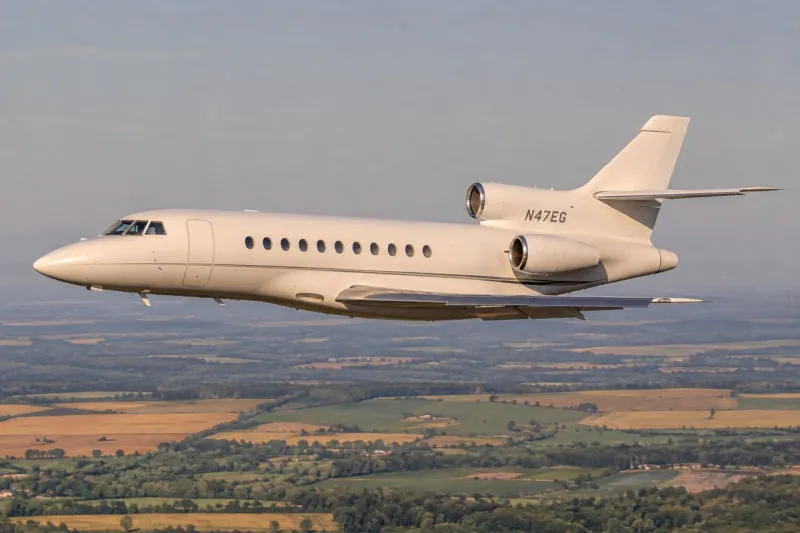
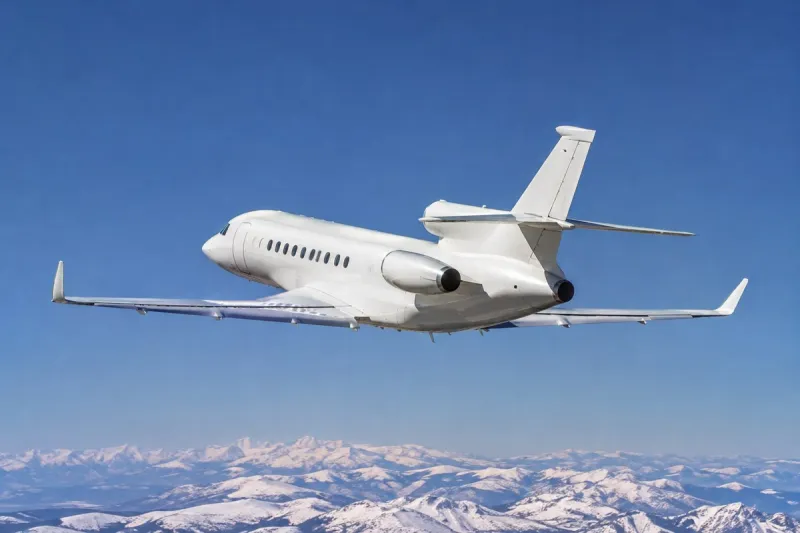
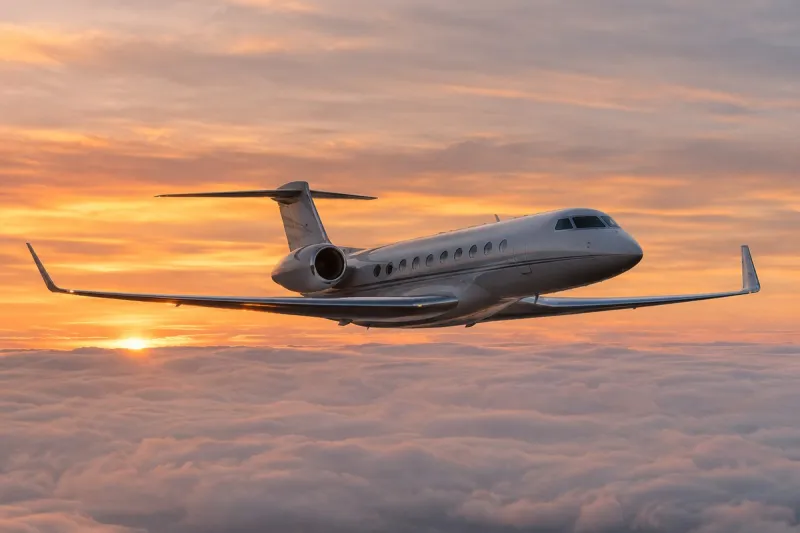
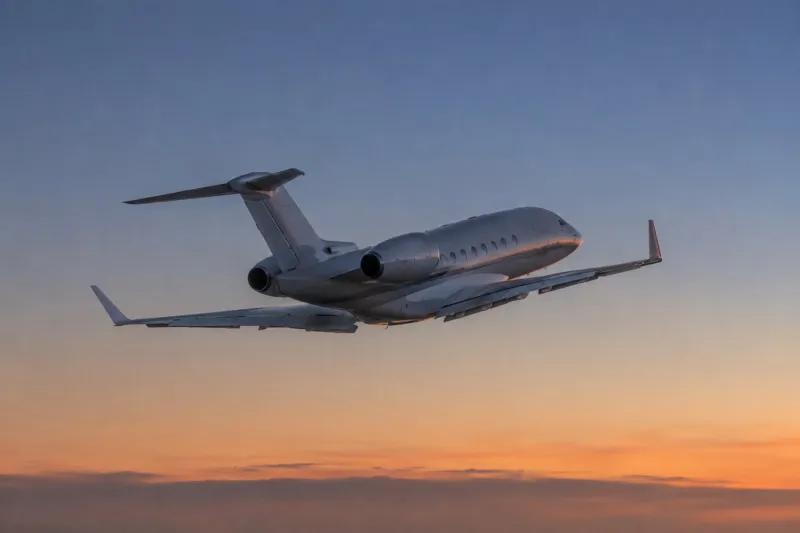
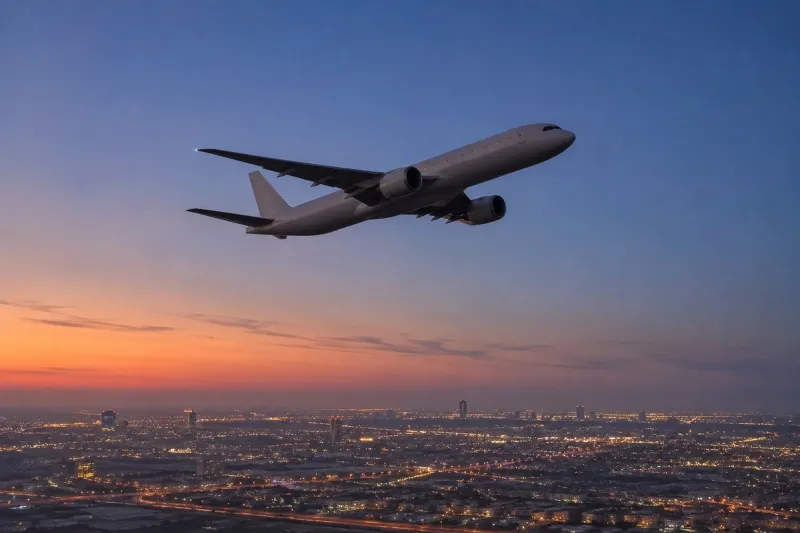
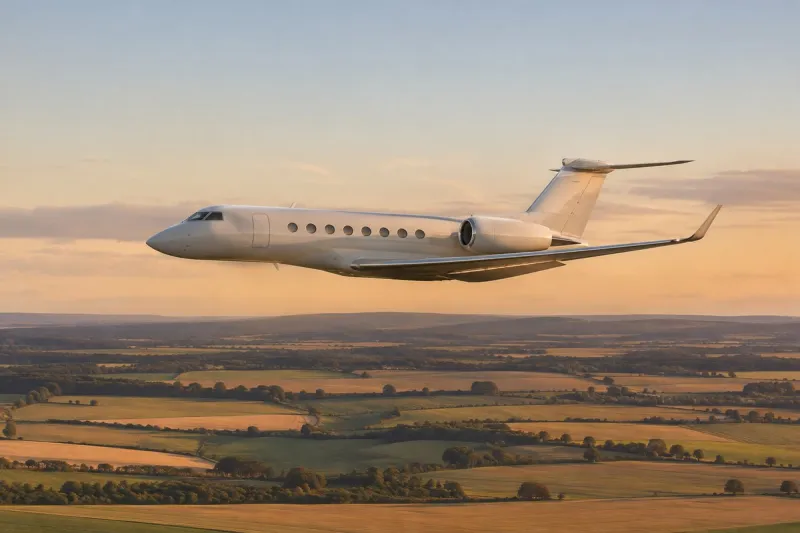
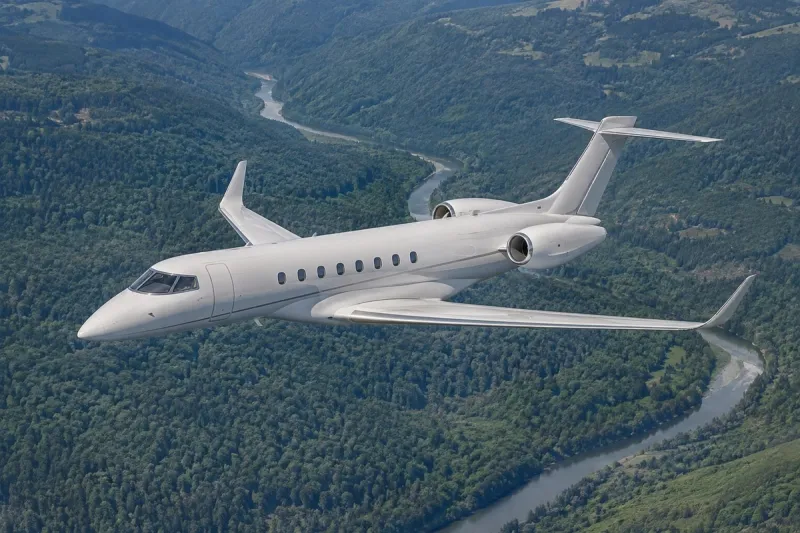
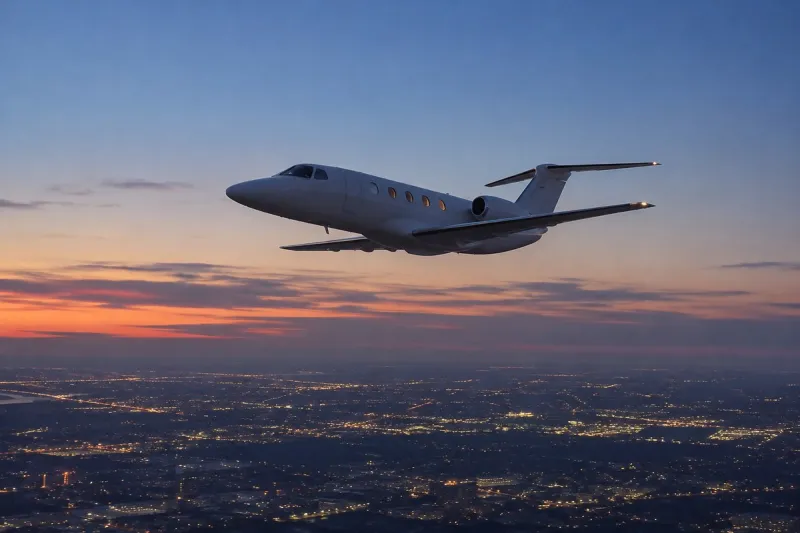
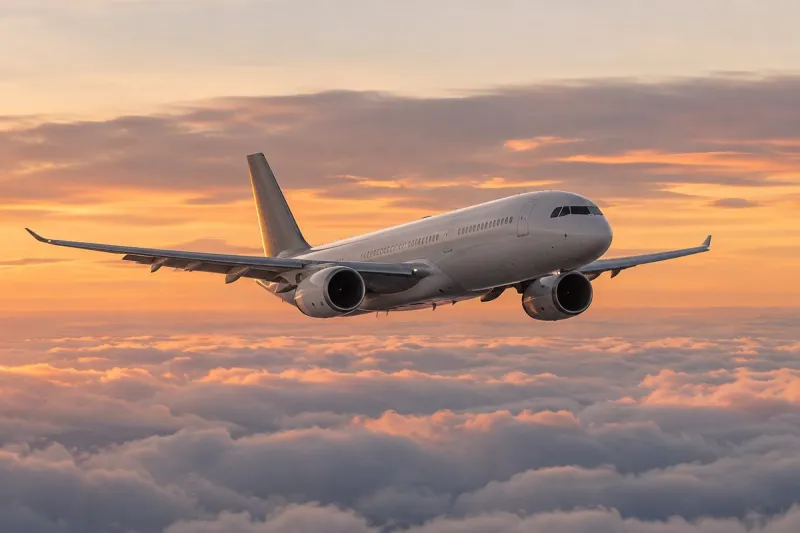
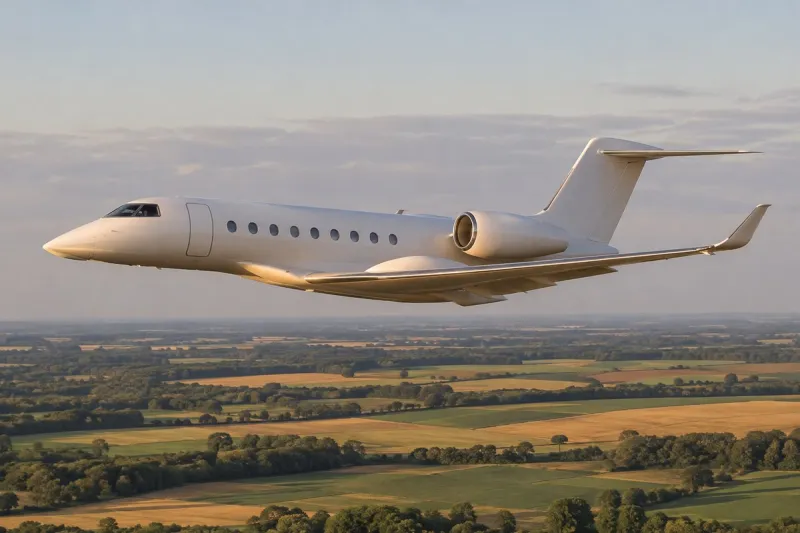
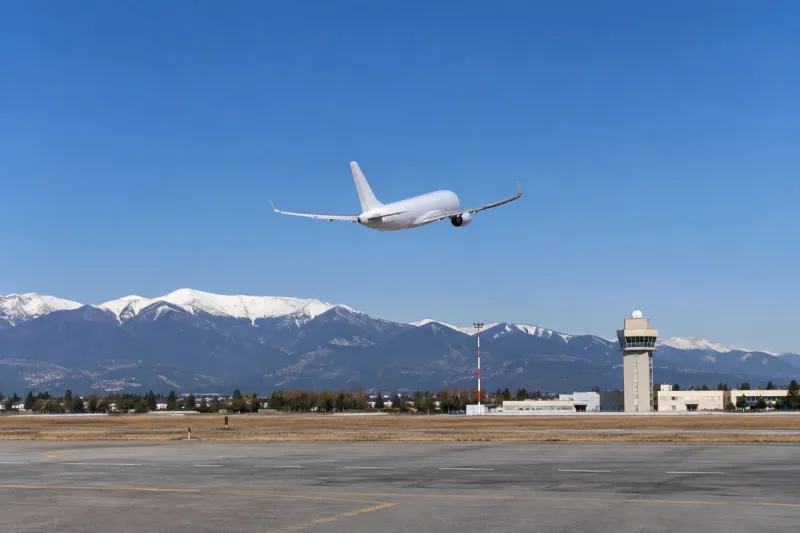
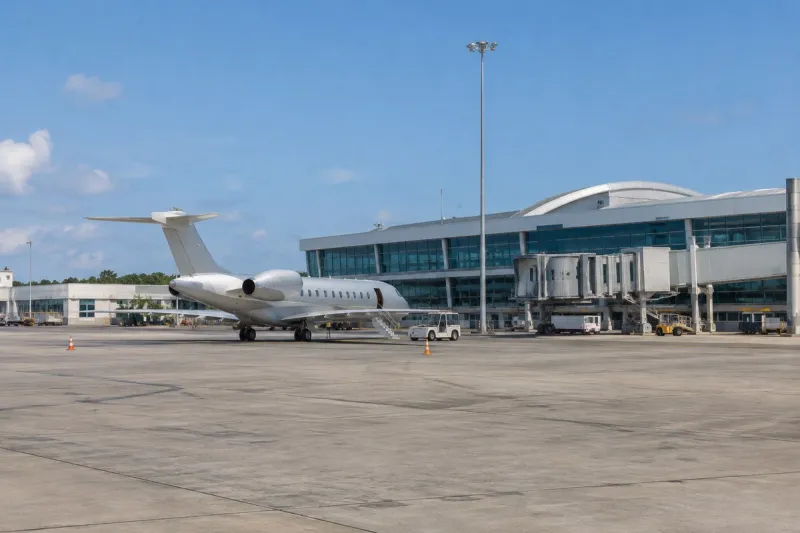
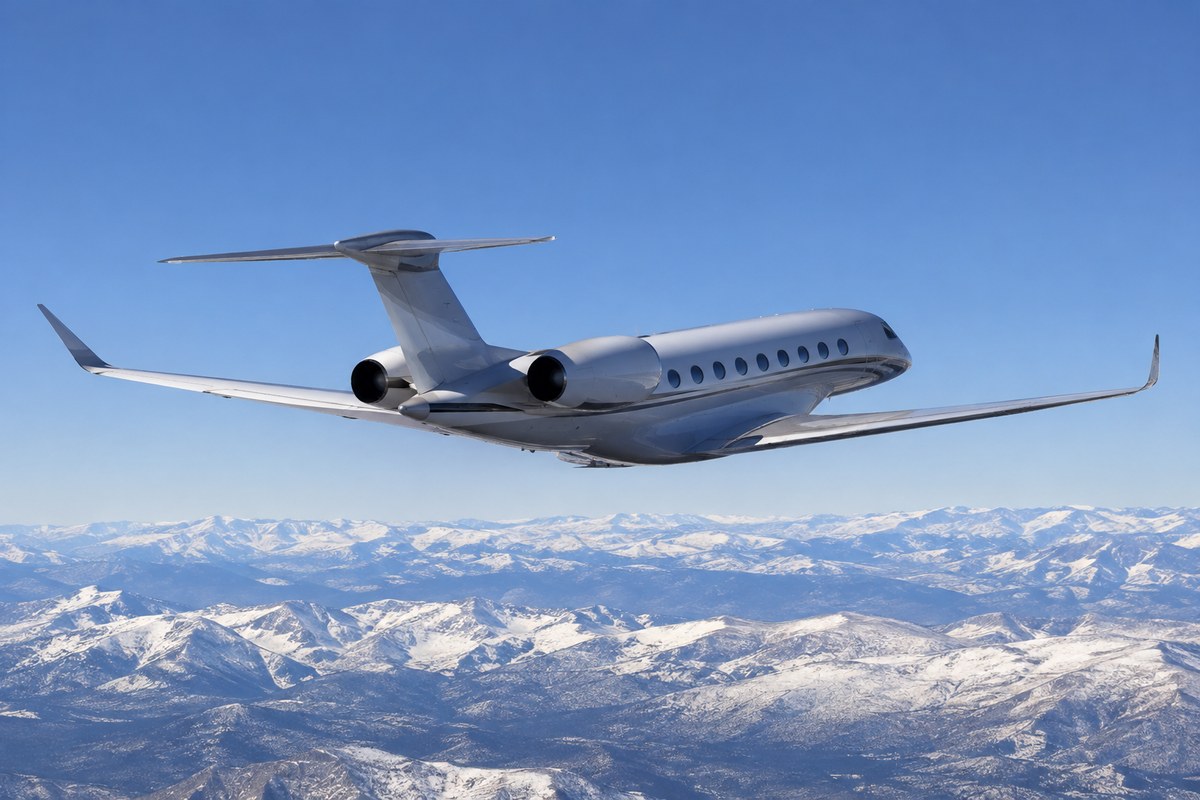
Steve Wynn's Gulfstream G700 N88WR flies 195 nm from Las Vegas to Van Nuys in 42 minutes
Why It MattersShort hops by ultra-long-range jets show that fuel and emissions per flight are driven by how a large-cabin aircraft is positioned between bases, not by the headline range it is certified for.
What happened
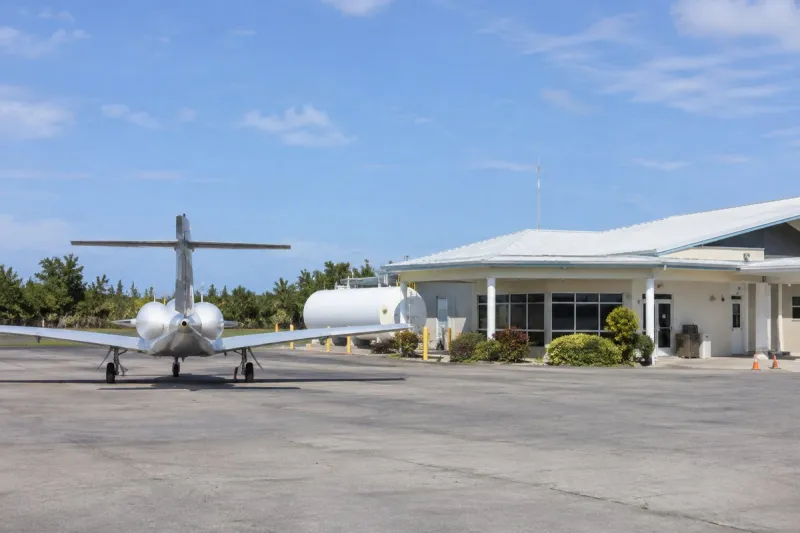
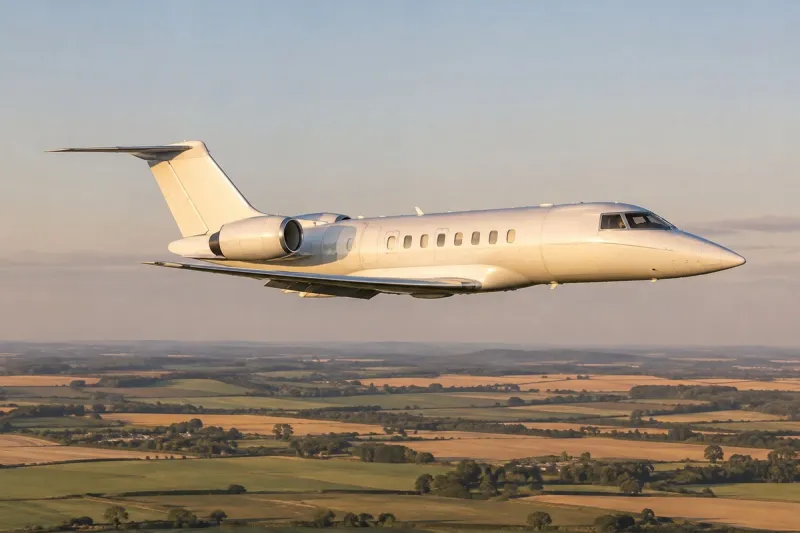
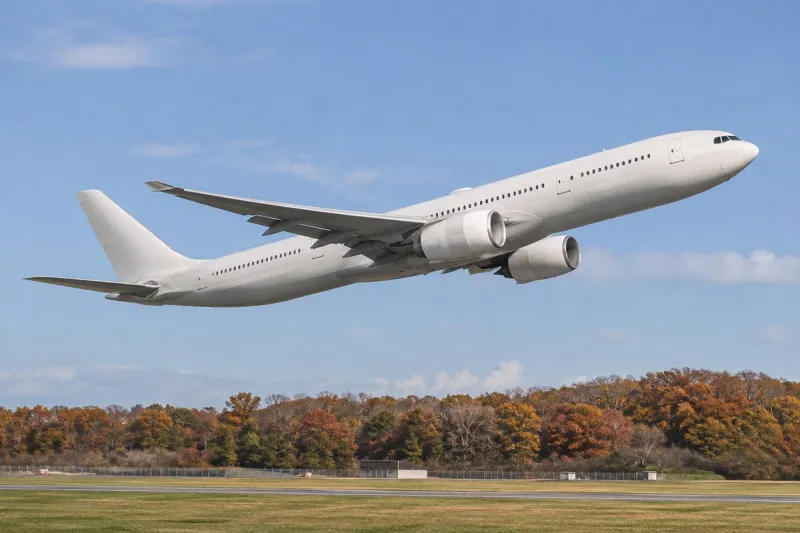
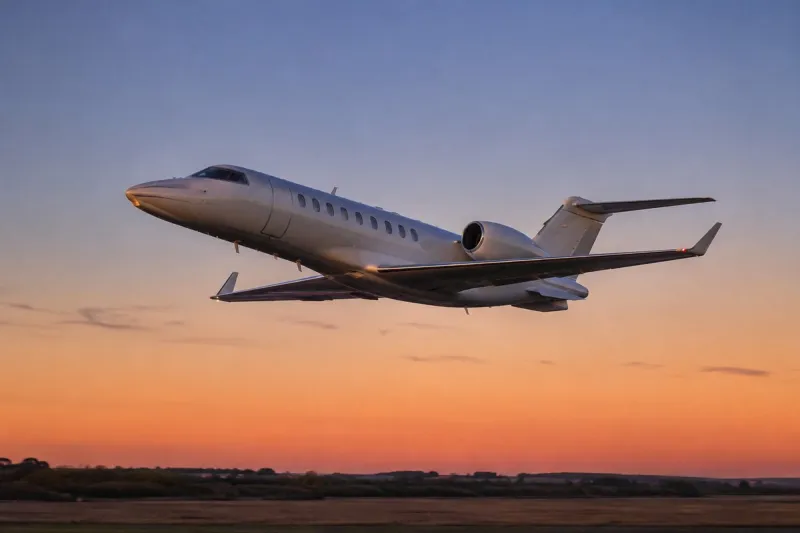
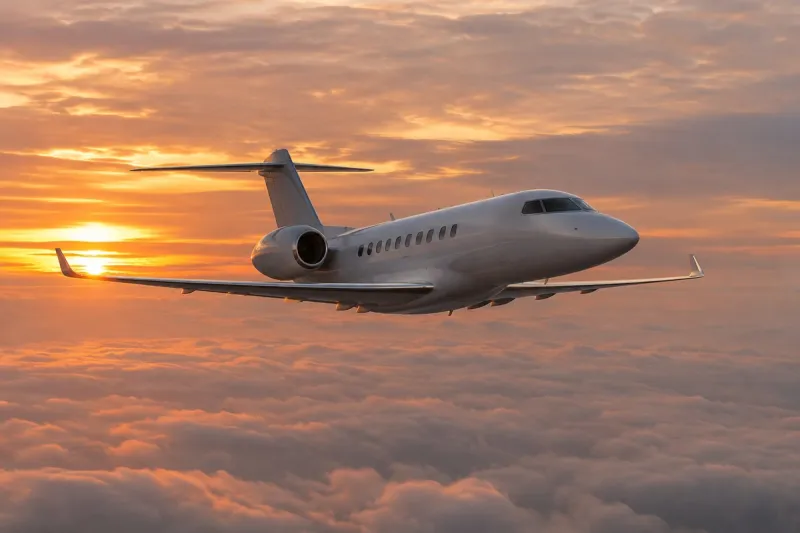
Gulfstream G700 N88WR, associated with Steve Wynn, flew 195 nautical miles (224 miles) from Las Vegas to Van Nuys on November 27. The aircraft climbed to 22,000 feet and reached a top ground speed of 451 knots, with an average ground speed of 279 knots on the flight.
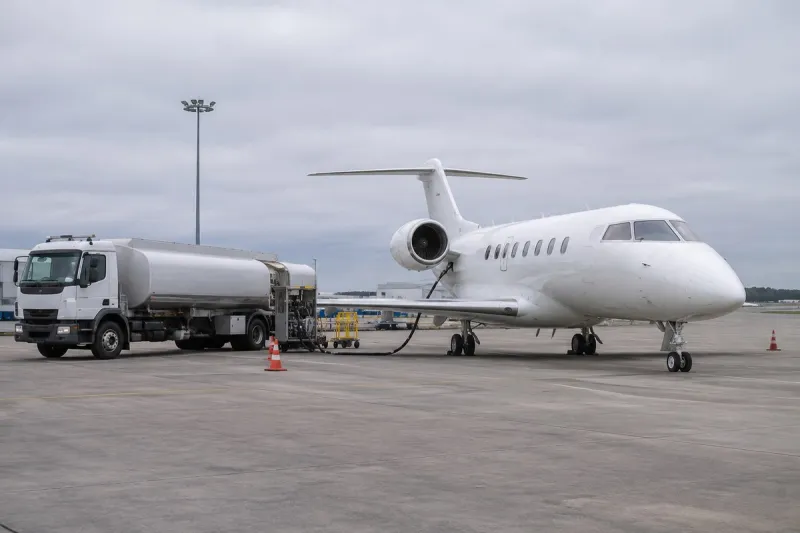
The flight burned an estimated 314 gallons of fuel and produced about 3.0 metric tons of carbon dioxide, roughly the same as driving a car 7,472 miles. It used about 3 percent of the aircraft's total range.
It was the third tracked landing at Van Nuys in the current tracking window, which began on November 2; the previous one was on November 7, 20 days earlier. Before this flight, the aircraft had been on the ground for about three days after landing in Las Vegas on November 24. Its most common destinations in the recent window were Las Vegas (18 landings), Los Angeles (7) and Austin (2).
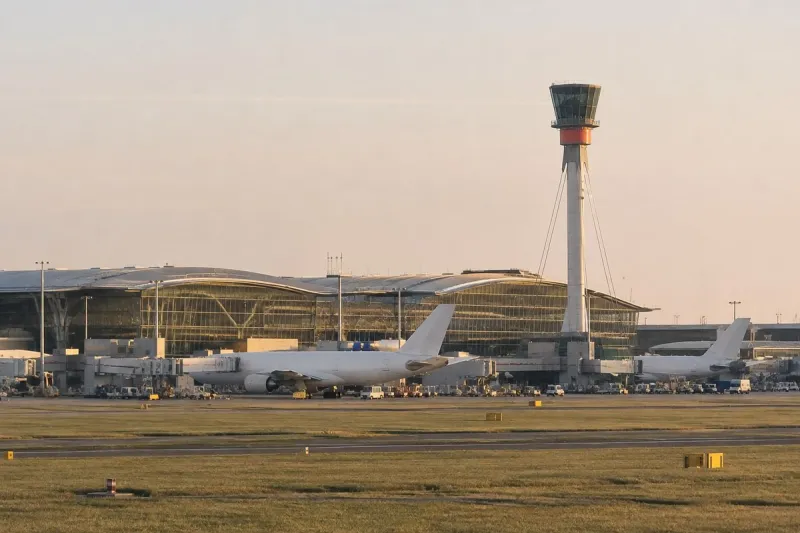
The aircraft is based at President Donald J. Trump International Airport in West Palm Beach, 2,026 nautical miles from Van Nuys. Van Nuys Airport's longest runway is 8,001 feet, at an elevation of 802 feet.
The 30 days before the flight
In the 30 days before the flight, the aircraft flew 39 tracked flights totaling 49.4 hours in the air, visited 14 airports and covered about 17,149 nautical miles. That activity produced an estimated 213,380 kilograms of carbon dioxide.
The longest leg in that period was East Farmingdale to Las Vegas on November 5, covering 1,967 nautical miles.
The aircraft
The Gulfstream G700 is an ultra long range jet certified in 2023, with a range of 7,750 nautical miles, a top speed of Mach 0.935 and a ceiling of 51,000 feet. It has the largest cabin in the Gulfstream line, with five living areas, typically seating 12 passengers. Its estimated fuel burn is 450 US gallons per hour.
Steve Wynn is a former casino and resort developer known for creating the Mirage, Bellagio and Wynn Las Vegas. He resigned as chairman and CEO of Wynn Resorts in 2018 amid sexual misconduct allegations he denies, and sold his entire $2.1 billion stake. He settled with the Nevada Gaming Control Board in 2023, formally ending his Nevada gaming career. He owns a home in Palm Beach, Florida, and a property in West Palm Beach across Lake Worth Lagoon from Mar-a-Lago.
Industry impact & what to watch
A 195-nautical-mile leg flown by an aircraft rated for 7,750 nautical miles is a useful reminder of how ultra-long-range jets are actually used. Their certified range sets what they can do on the longest missions, but much of their flying is regional repositioning and short trips, where the cost and emissions are set by the climb, the cruise at 22,000 feet and the time on the ground between legs rather than by range capability.
That has a bearing on how fuel burn and carbon figures for large-cabin jets should be read. A fuel-burn rate quoted per hour, applied to a flight of about 42 minutes, gives a small absolute number, while the 30-day total of 39 flights and 49.4 hours shows that the footprint comes from the accumulation of many short legs. Comparing aircraft on a single long mission and comparing them on a month of mixed use can lead to different conclusions.
The pattern of repeated Las Vegas and Los Angeles-area activity around a home base more than 2,000 nautical miles away also shows how heavily a large-cabin jet can be used in a concentrated corridor. The next tracked landing at Van Nuys, and whether it follows the roughly 20-day gap seen between the first two, will show whether this was a one-off stop or part of a regular rhythm.