Munich Airport Says It Can Clear Each Runway of Snow in 30 Minutes With 170 Vehicles and 540 Staff
Why It MattersWinter resilience at a hub depends on pre-staffed clearing capacity, outside contractor tie-ins and early-warning forecasting, yet the 2023 closures show even a prepared airport can still lose a morning's flying.
What happened
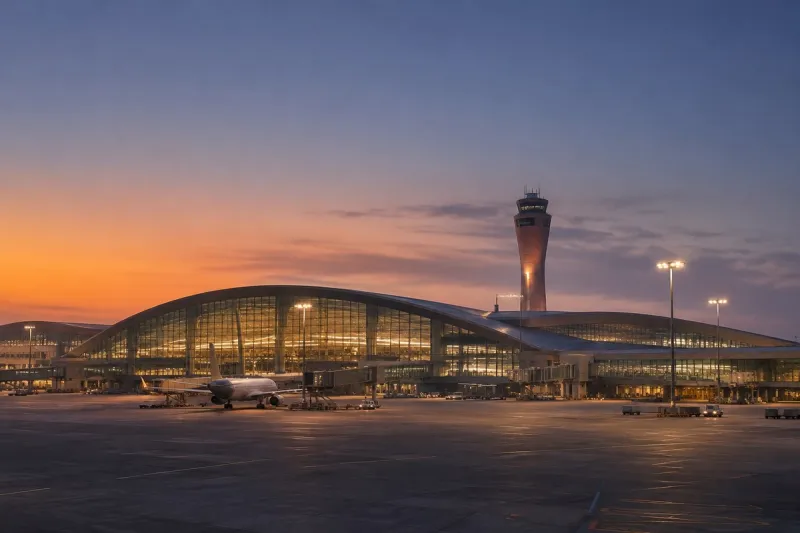
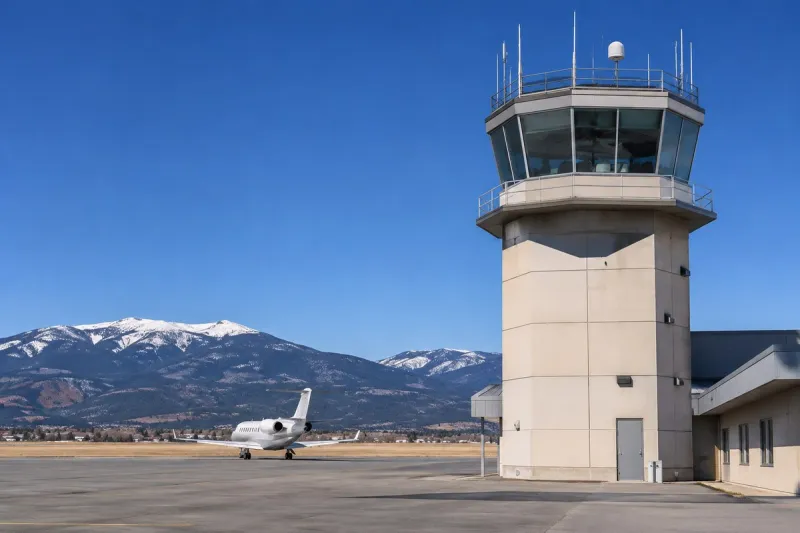
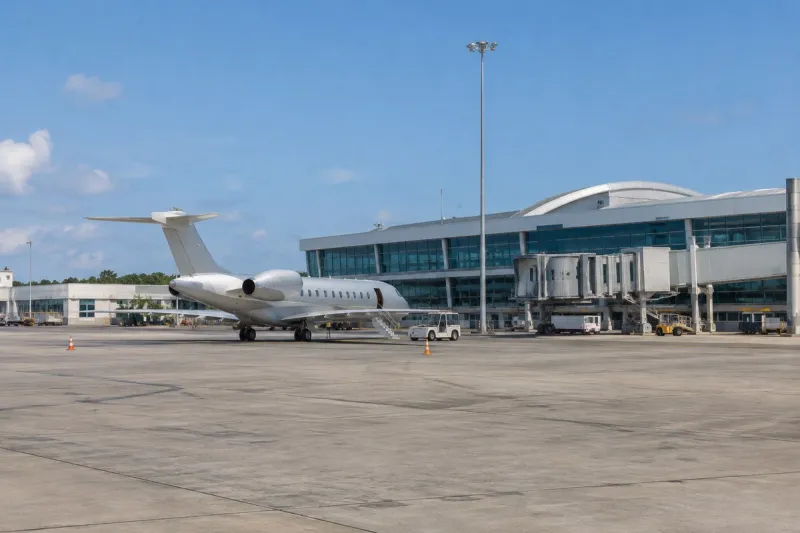
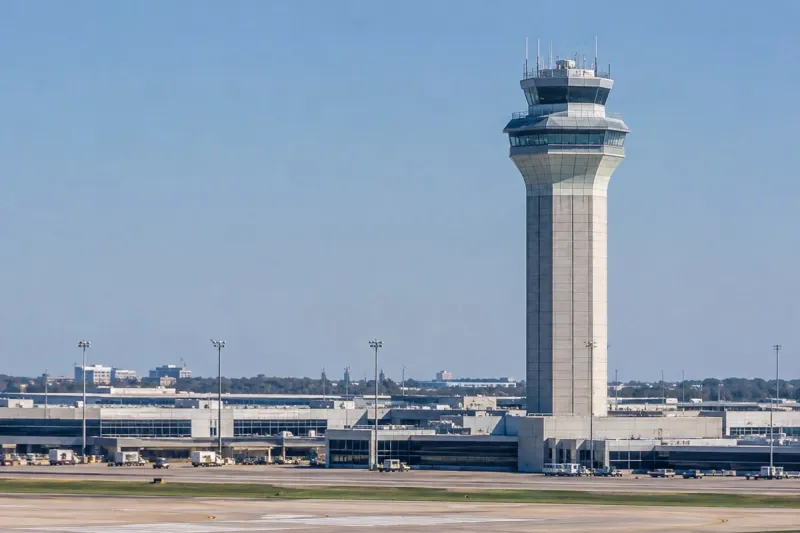
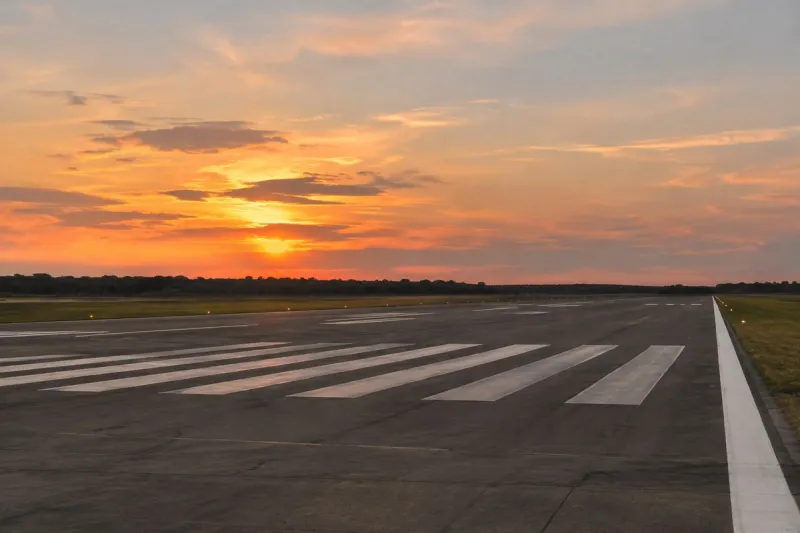
Munich International Airport (MUC) says it is equipped to clear each of its runways of snow within 30 minutes, using 170 vehicles and 540 personnel available for winter operations. Crews are on standby around the clock from early November to mid-April, the period with the highest risk of heavy snow. The airport achieves this readiness in collaboration with local agricultural and trucking companies, and up to 180 people can be deployed during the night shift so the runway is clear and ready for operations in the morning.
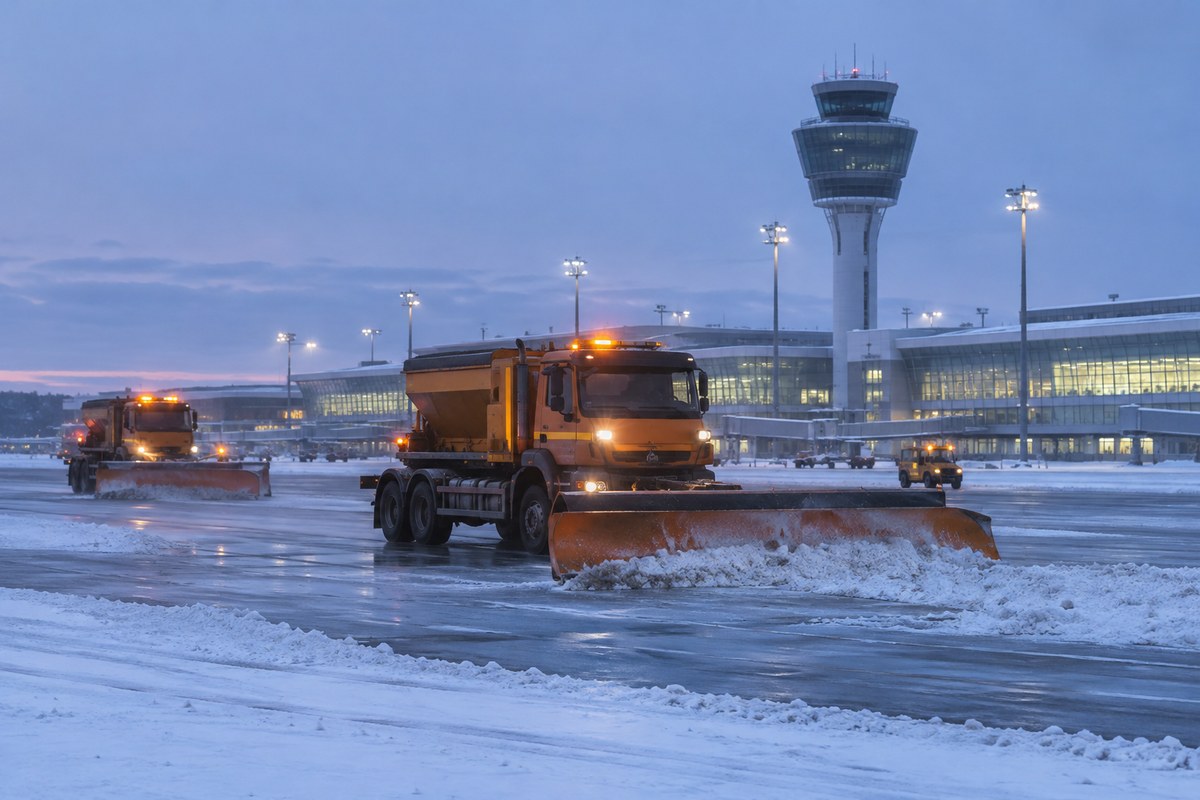
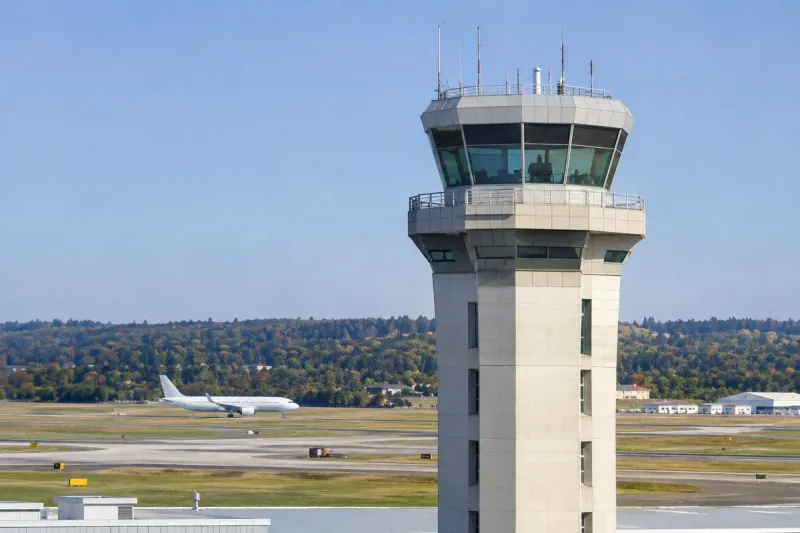
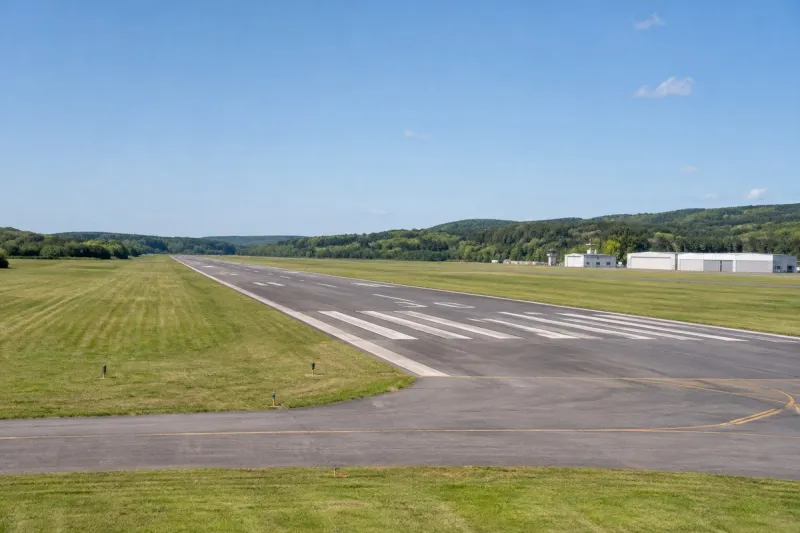
The airport has two runways plus aprons and taxiways, totaling about 60.3 million square feet (5.6 million square meters), equivalent to roughly 780 soccer fields. Its clearing fleet includes 21 snow blowers, five loading snow blowers and one snow groomer, and local farmers can be called in with snowplow-equipped tractors. Air traffic control manages the deployment and coordination of snow-clearing teams, using the latest weather information and an early-warning system that predicts when icy conditions could cause problems.
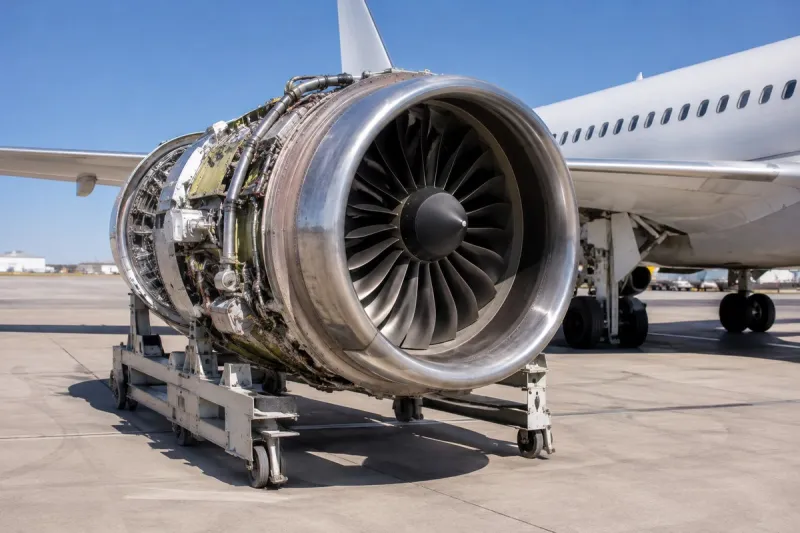
For aircraft de-icing, winter maintenance teams use "Polar Bear" vehicles operated in partnership with Lufthansa, which apply de-icing fluid to wings and fuselage. The tallest Polar Bear stands 50 feet 10 inches (15.5 m) high. Nadine Adden, the only woman working with the Polar Bears, told Munich Airport's news team that aircraft can take off safely only when engines and airframe are completely free of ice and moisture.
The 2023 closures
MUC closed twice in quick succession during the winter of 2023 after several days of heavy snow. On December 5 there were no takeoffs or landings from 6:00 AM to 12:00 PM, and many more flights were canceled or severely delayed during the rest of the day; Lufthansa asked passengers to stay at home.
The weekend before, freezing conditions had affected operations, which did not resume until 6:00 AM on Sunday, with some restrictions remaining for a long time afterward. Glasgow Airport (GLA) and Edinburgh Airport (EDI) were also affected by the cold spell.
Industry impact & what to watch
Snow readiness at a major hub is largely a question of surge capacity. Munich's model combines a standing fleet, a night shift of up to 180 people and call-out agreements with local farmers and trucking firms, so that labour and machinery scale up when forecasts turn. Hubs that rely on fewer standing assets lean harder on outside partners to reach the same clearing speed.
A 30-minute runway-clearing figure describes the runway itself, not the whole operation. Aircraft cannot depart until de-icing has also removed ice and moisture from engines and airframe, which is why the Lufthansa-run Polar Bear vehicles sit alongside the plough fleet. The 2023 closures show that sustained snowfall and freezing conditions can still interrupt flying despite this preparation, with cancellations and delays spreading through the rest of the day.
The next test is the early-November to mid-April standby window itself: whether the early-warning system and call-out arrangements hold up when snowfall persists over several days rather than a single event.