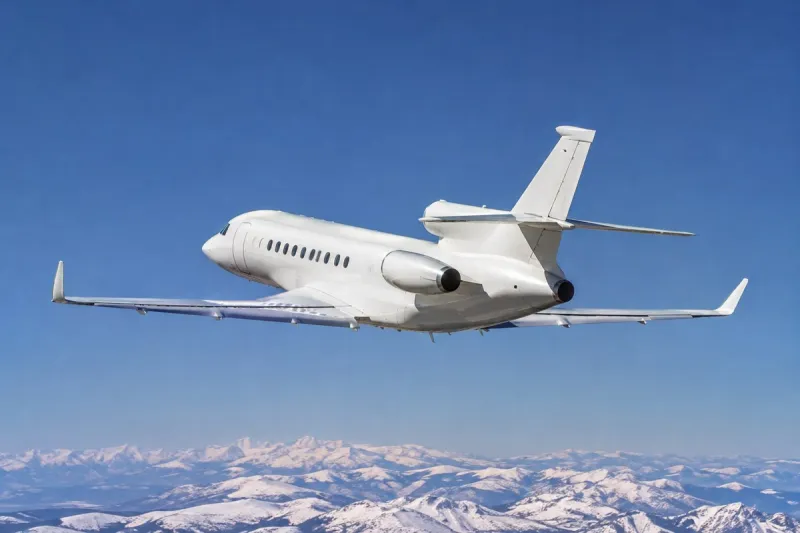
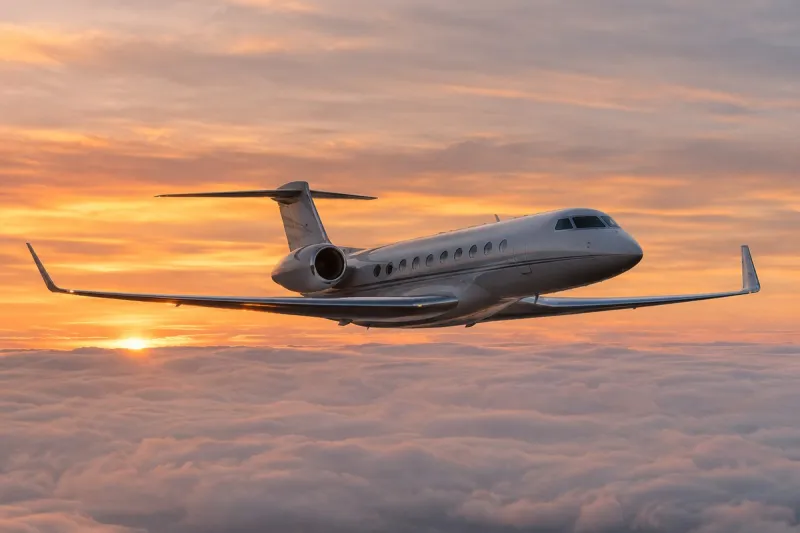
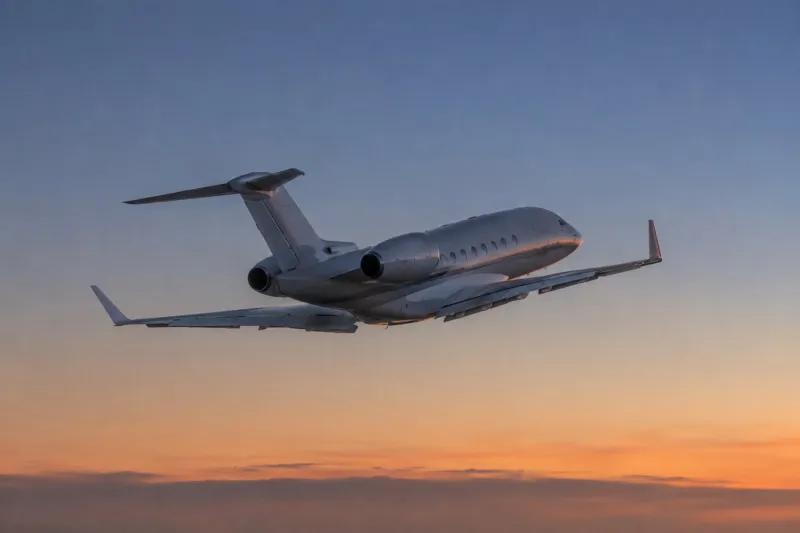
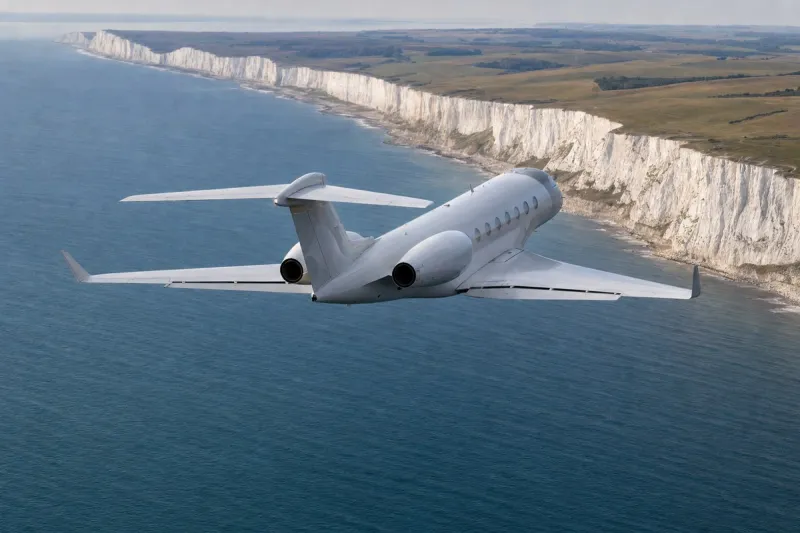
Michael Bloomberg's Falcon 900LX N47EG Flies 686 nm from Westchester to Bermuda in 1 Hour 43 Minutes
Why It MattersShort hops from a secondary field to an island destination show how a long-range heavy jet is used for routine regional trips, which is where most large-cabin fuel burn and emissions accrue.
What happened
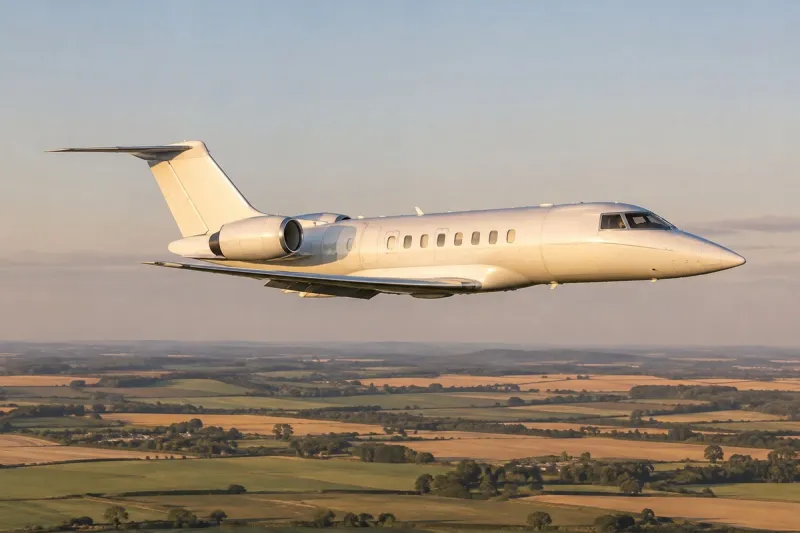
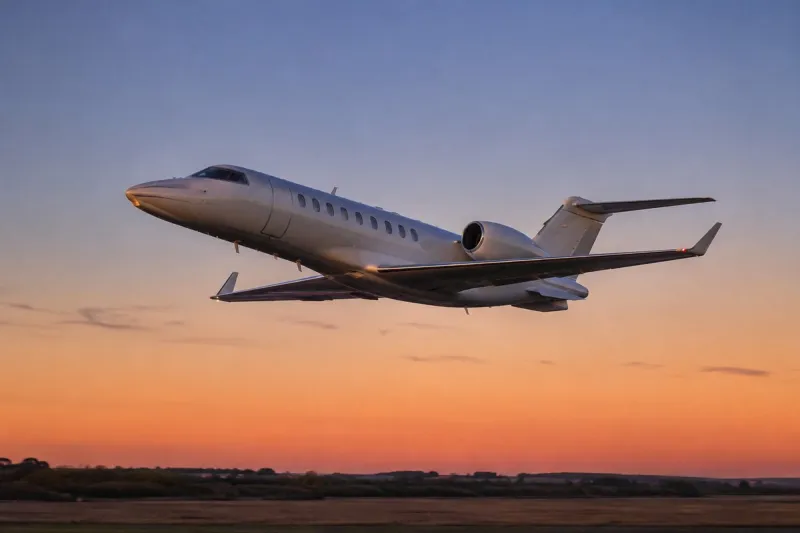
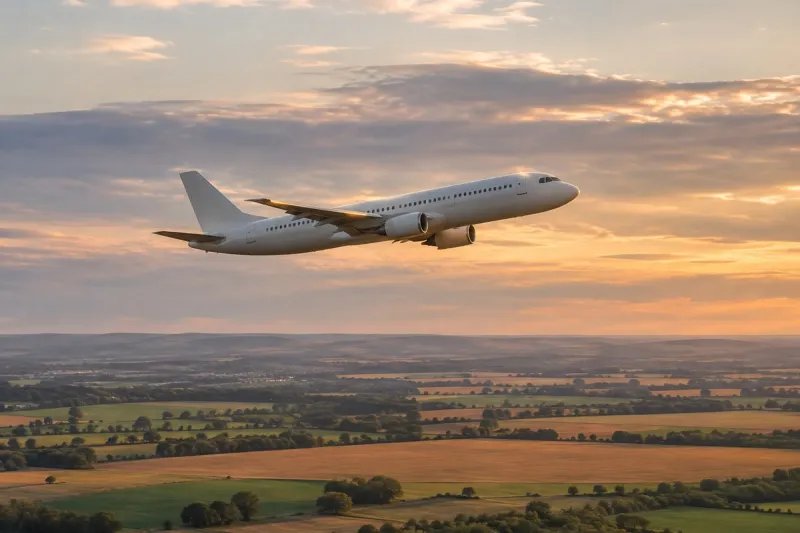
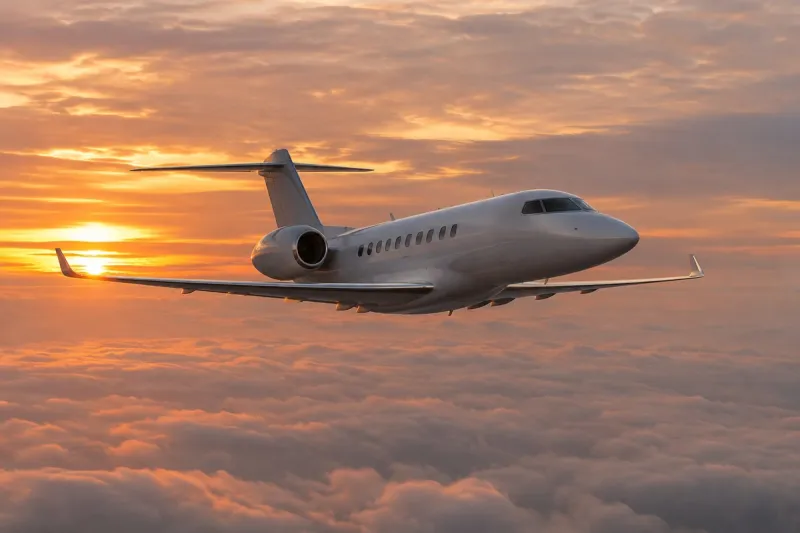
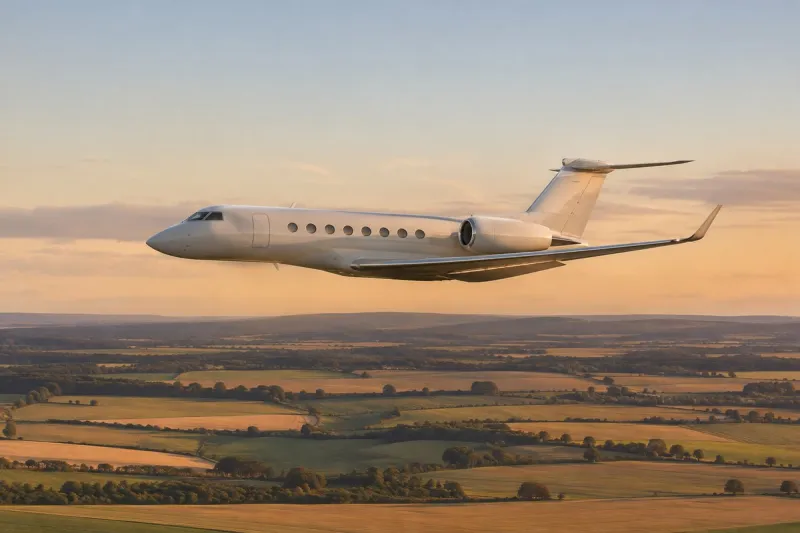
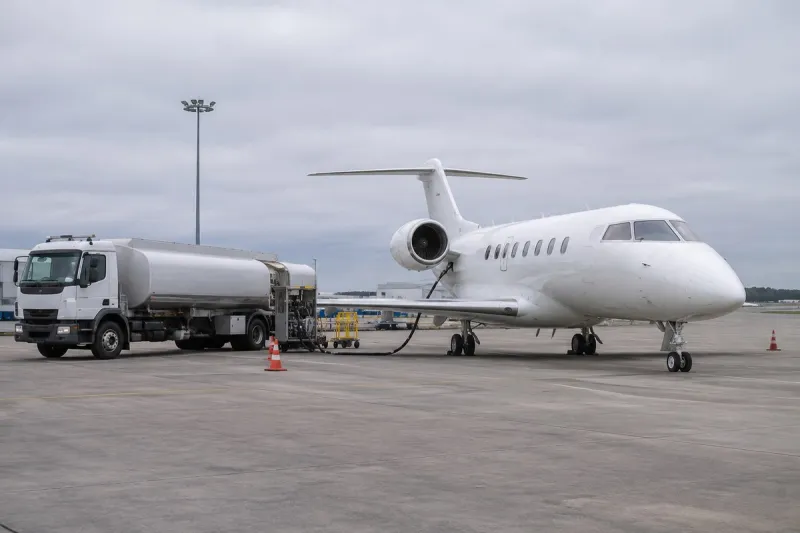
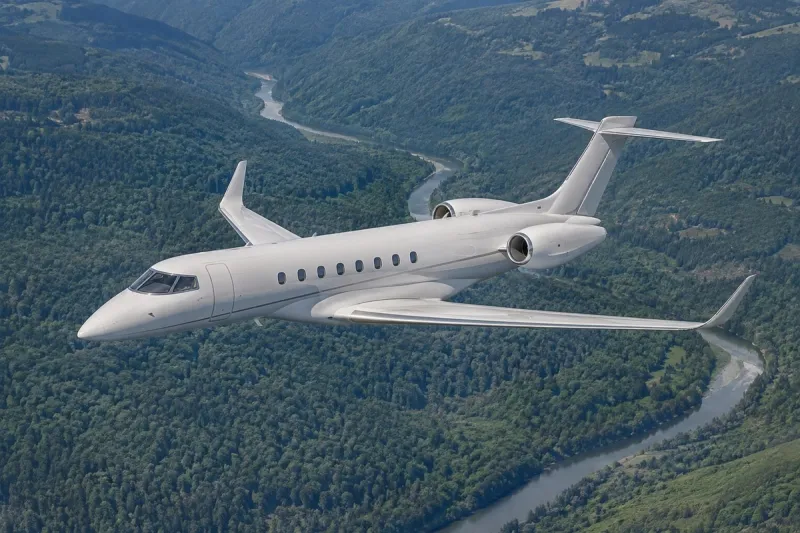
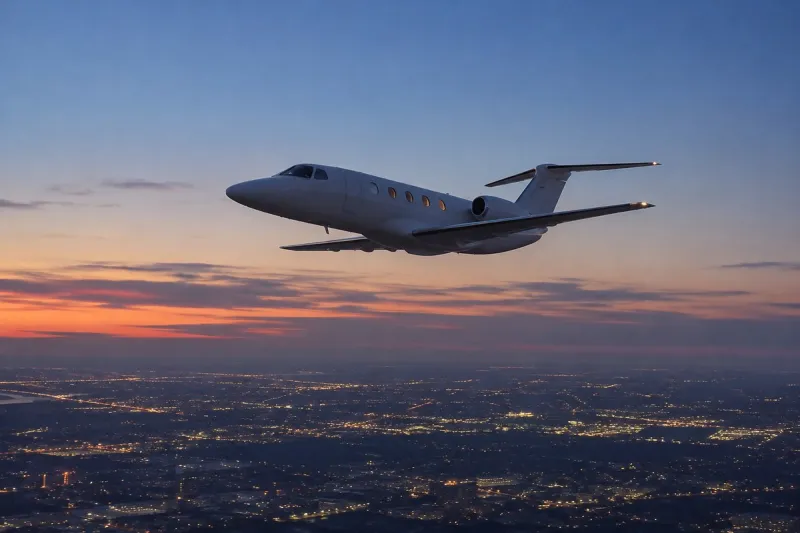
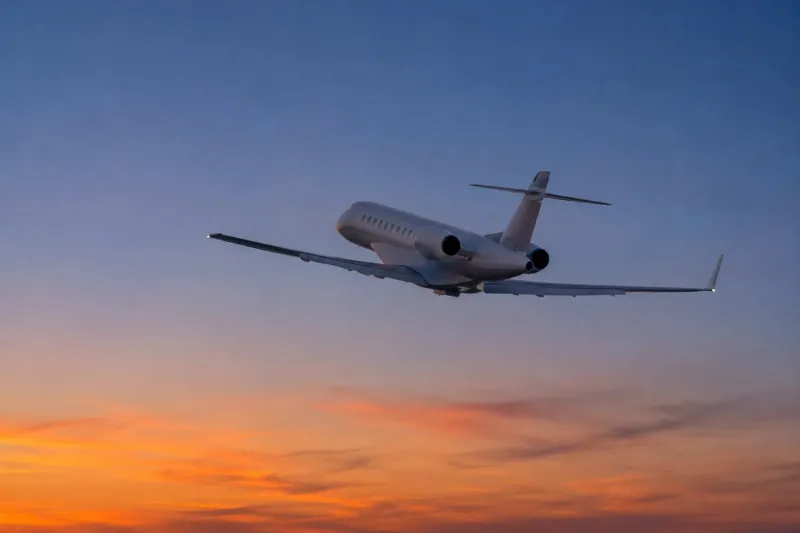
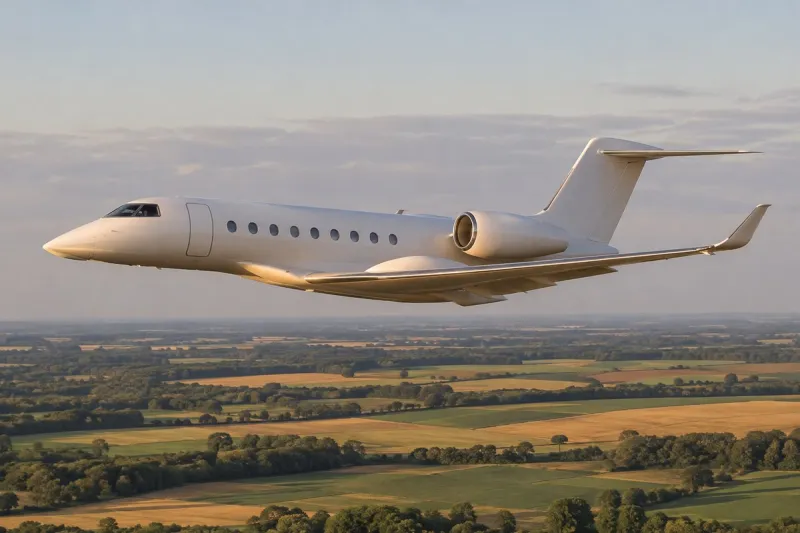
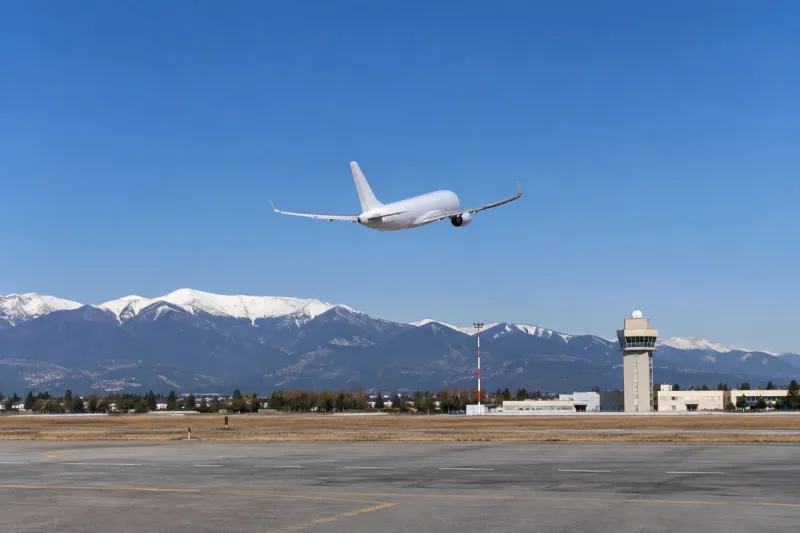
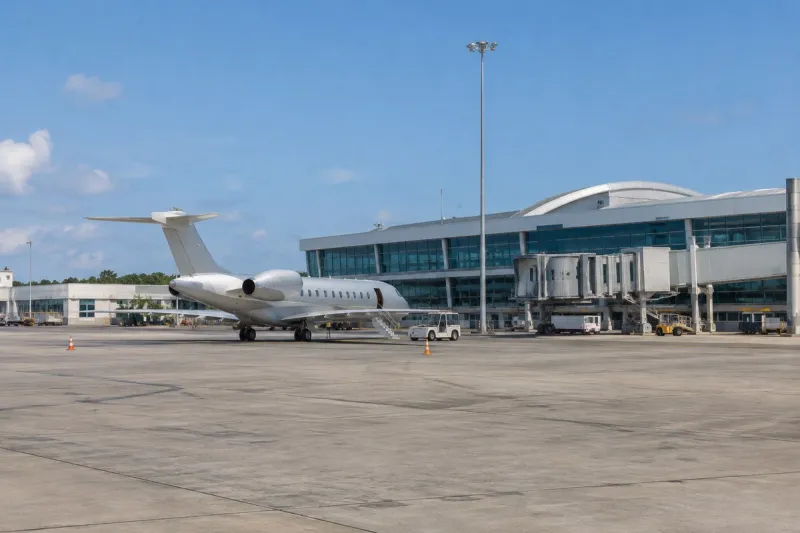
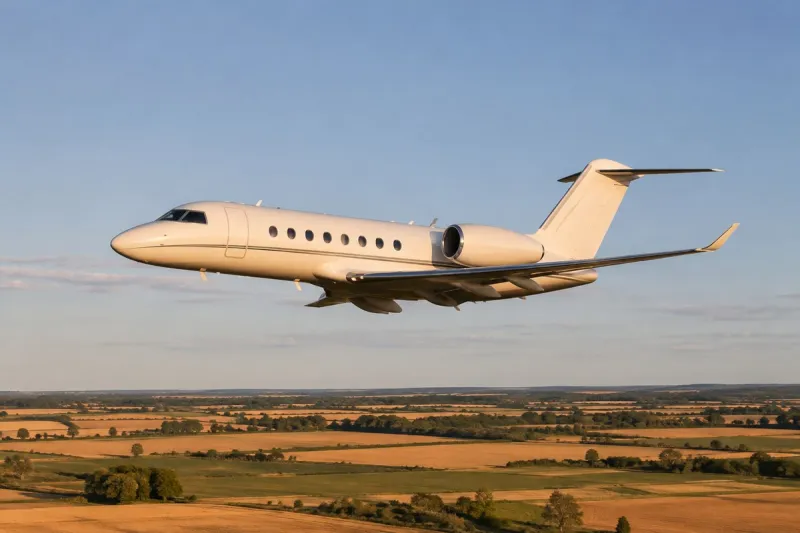
Dassault Falcon 900LX N47EG, associated with Michael Bloomberg, flew from Westchester County Airport to L.F. Wade International Airport in Bermuda on Friday, November 27, 2026. It departed at 13:40 UTC and landed at 15:23 UTC, covering the 686-nautical-mile (789-mile) great-circle distance in 1 hour 43 minutes. The jet reached a highest altitude of 39,025 feet and a top ground speed of 459 knots.
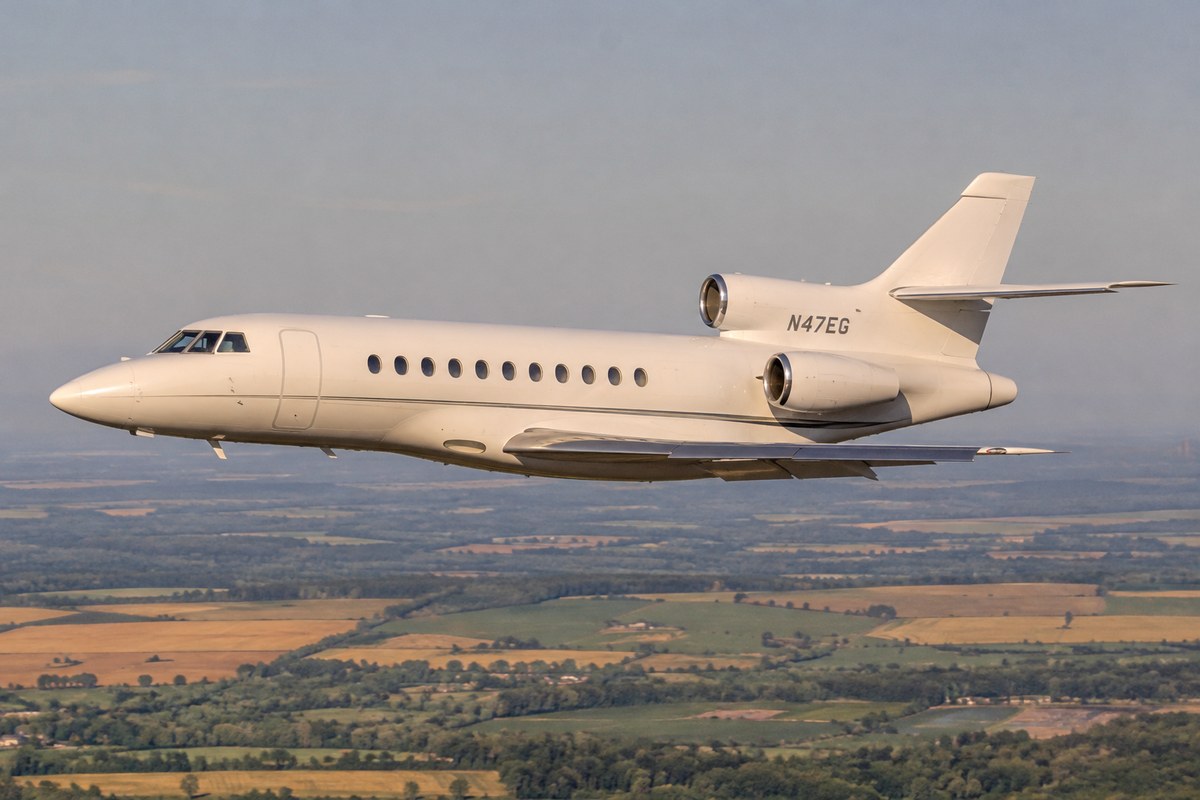
The flight burned an estimated 547 US gallons of fuel, producing about 5,256 kilograms of CO2, roughly equivalent to driving a car 13,009 miles. The Falcon 900LX has a range of 4,750 nautical miles, seats up to 14 passengers, has a service ceiling of 51,000 feet and a top speed of Mach 0.87 (482 knots), with an estimated fuel burn of 320 US gallons per hour. The trip used about 14 percent of the aircraft's total range.
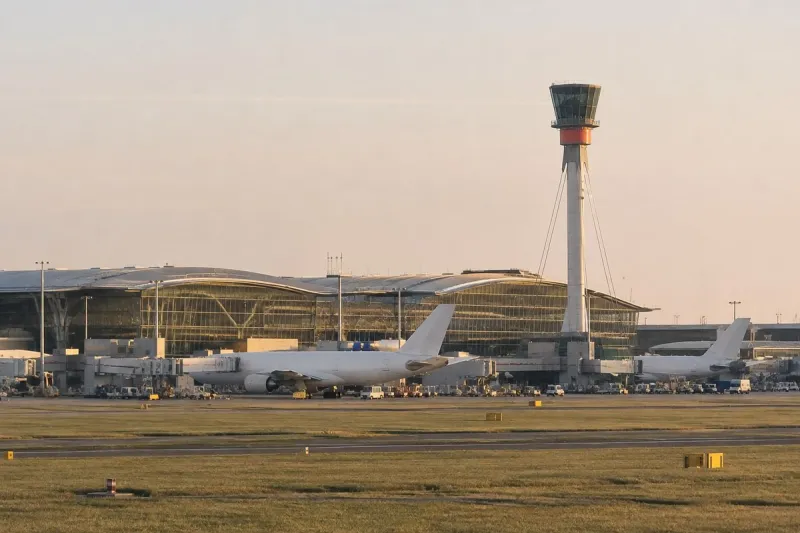
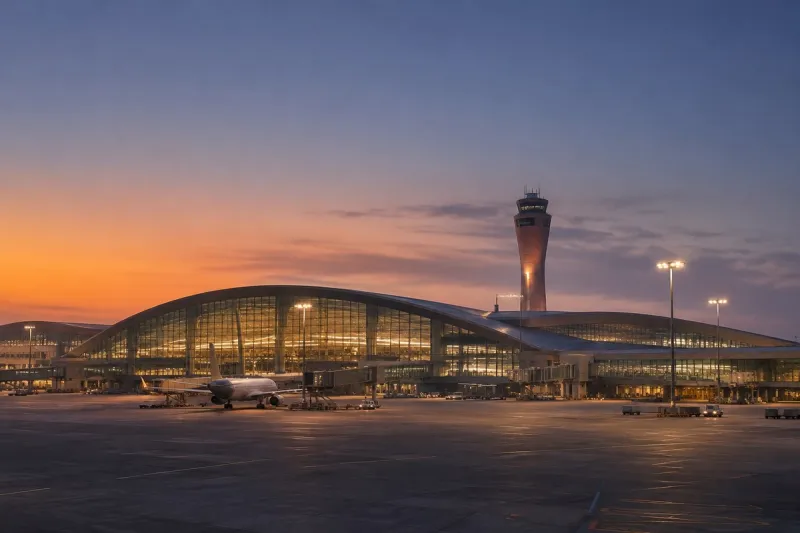
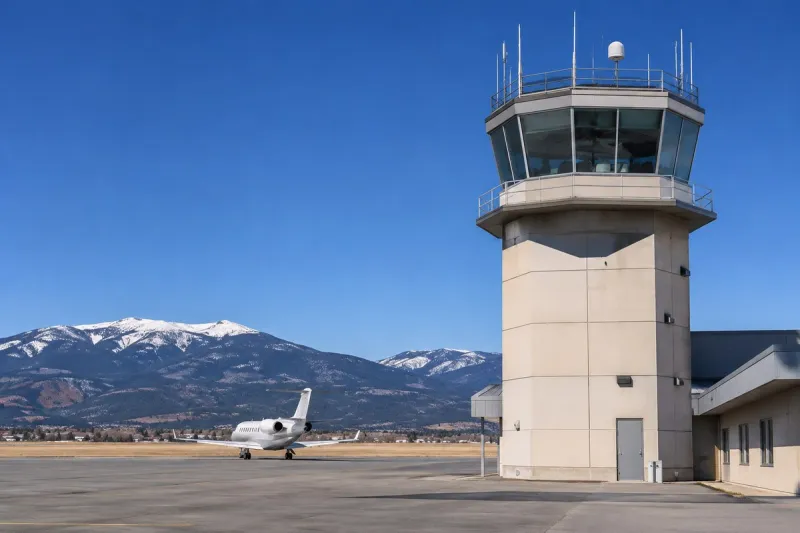
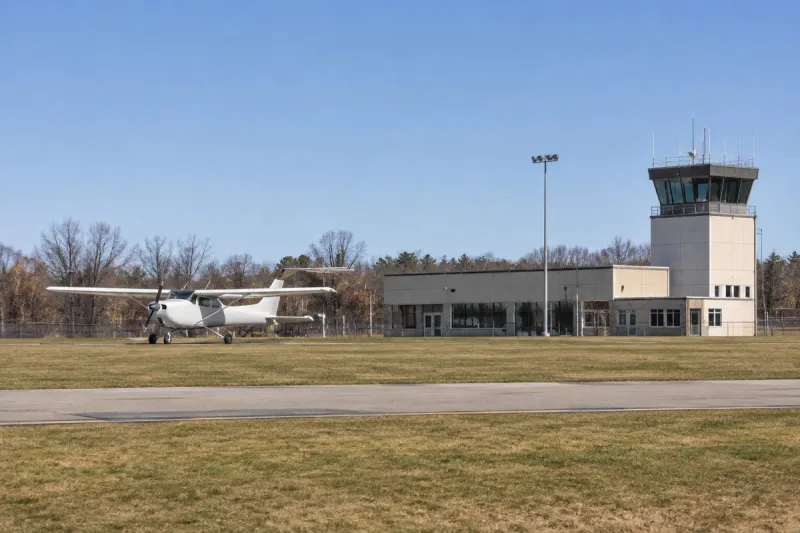
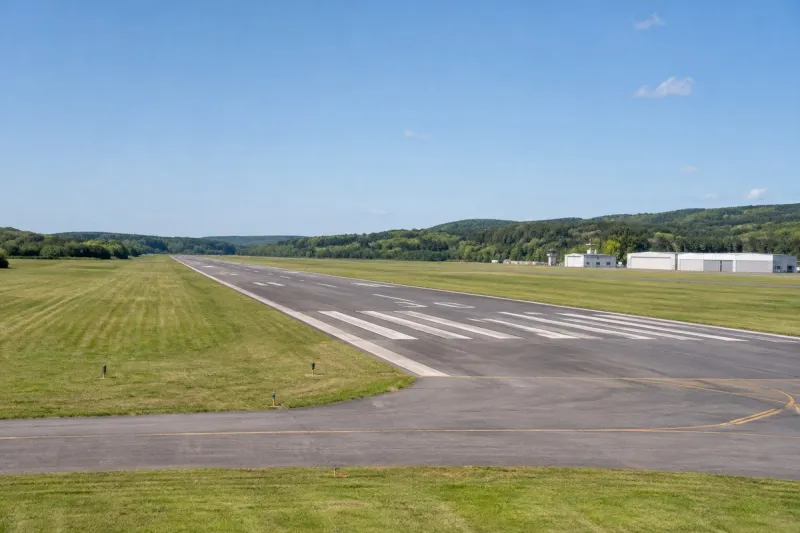
Westchester County Airport's longest runway is 6,549 feet at an elevation of 439 feet. L.F. Wade International Airport's longest runway is 9,705 feet at an elevation of 12 feet. It was the second landing at Hamilton for one of Bloomberg's aircraft in the tracked window from September 5 to November 25, 2026; the previous one came on October 10, 2026, also by N47EG. The aircraft's home base is Newark Liberty International Airport in New Jersey, which is 677 nautical miles from Bermuda.
Positioning and recent activity
Before departing, the aircraft had been on the ground for about 39 hours since its previous tracked landing in New York on November 25. That previous leg was a 25-minute, 35-nautical-mile flight from Newark to New York.
In the 30 days before this flight, Bloomberg's two Falcon 900s visited 11 airports across 5 countries and flew about 23,704 nautical miles. The most common destinations were New York with 11 landings, Newark with 9 and Teterboro with 3. The longest leg in that period was from Osaka to Anchorage on November 18, covering 3,189 nautical miles. Across the tracked window from September 5 to November 25, 2026, the two aircraft made 40 flights.
Michael Bloomberg is the founder of Bloomberg LP, served as the 108th Mayor of New York City from 2002 to 2013, and is a UN Special Envoy for Climate Ambition and Solutions. His fleet of two Falcon 900 variants is registered through Wing & Rotor Transportation Holdings LLC.
Industry impact & what to watch
A 686-nautical-mile leg that uses about 14 percent of a 4,750-nautical-mile range illustrates how heavy long-range jets are often flown well below their design capability. For the large-cabin segment, that mismatch is part of the economics: operators pay for range, cabin and runway flexibility they use only occasionally, while the per-trip fuel and emissions figures are driven by routine regional missions like this one.
The emissions numbers attached to the flight, 5,256 kilograms of CO2 for under two hours aloft, are the kind of per-flight figure that flight-tracking publications now routinely attach to named owners. For an owner who is also a UN climate envoy, that framing sharpens scrutiny of how a fleet is used, and it is the same scrutiny corporate flight departments face as sustainability reporting expectations tighten.
The next data point is simply the tracked record: whether further Bermuda or other short regional legs follow from Westchester and Newark, and how the 40-flight cadence of the September to November window holds.