BETA Technologies launches electric healthcare flight programme in North Carolina under federal eIPP
Why It MattersFederal pilot programmes like eIPP let electric aircraft developers accumulate real operational data and infrastructure partnerships that build toward certification and commercial rollout across regional healthcare and cargo markets.
What happened
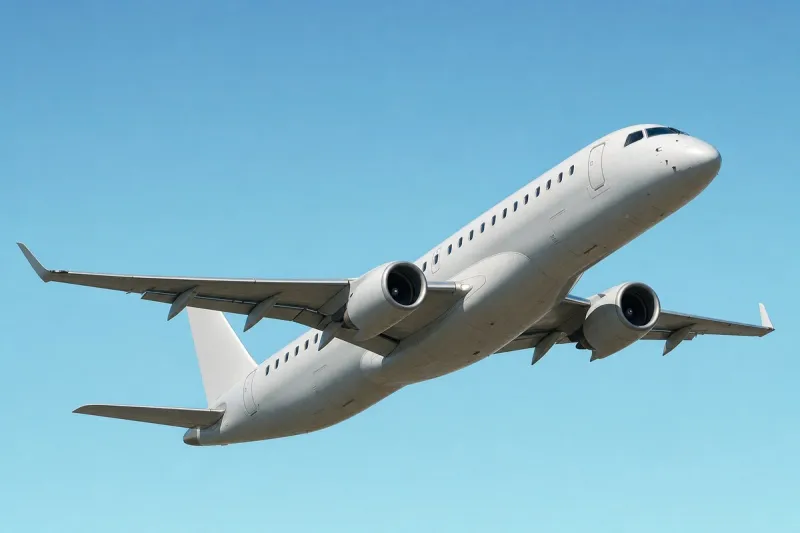
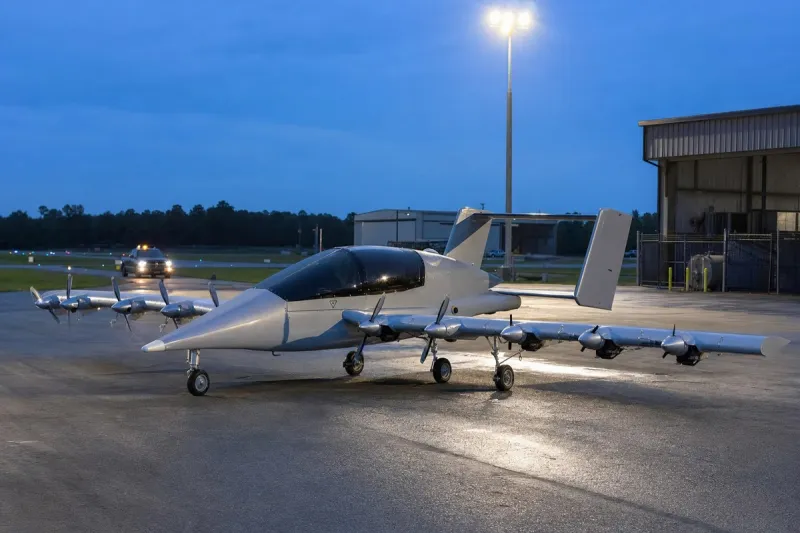
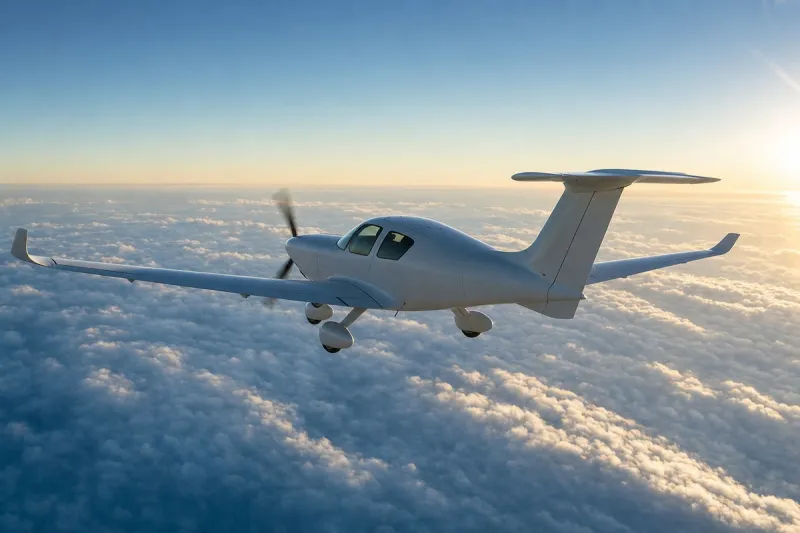
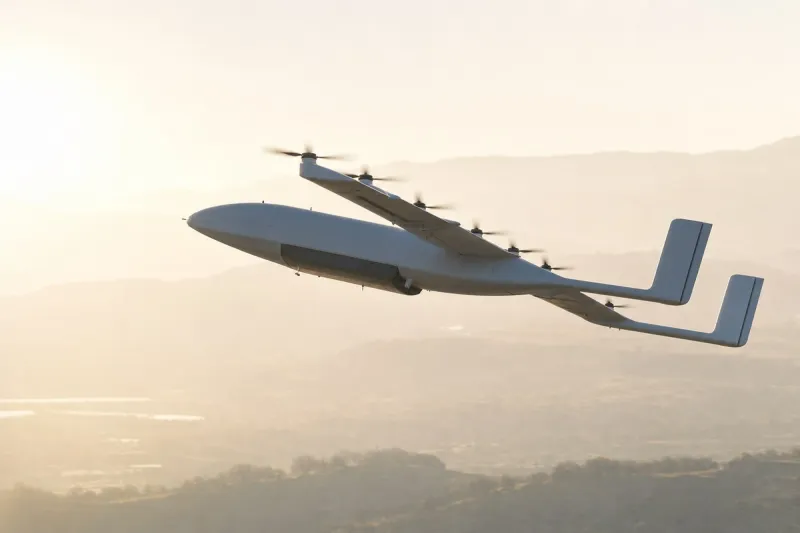
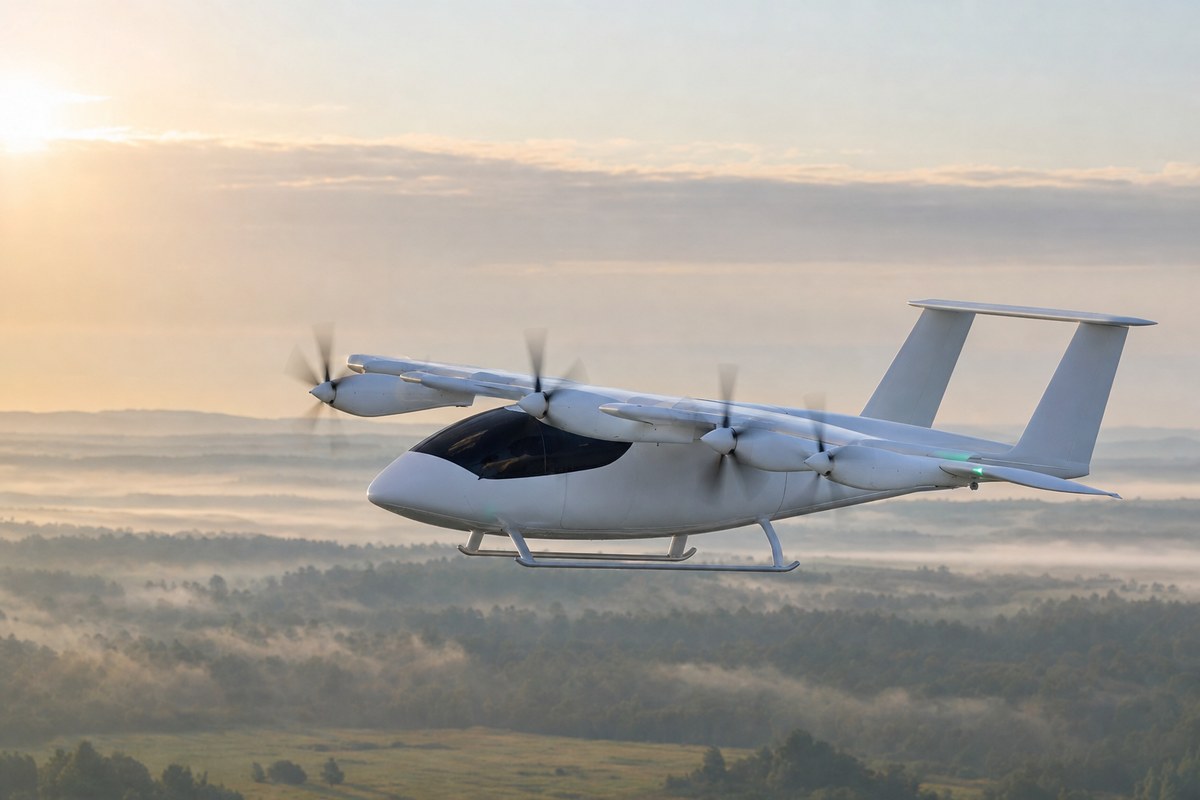
BETA Technologies has begun operating electric aircraft flights in North Carolina as part of eLIFT-NC, the state's participation in the US Department of Transportation and Federal Aviation Administration's eVTOL Integration Pilot Program (eIPP), using its ALIA CTOL conventional take-off and landing aircraft. Operations started on 17 September, with flights including a flyover of the Wright Brothers National Memorial and simulated deliveries of healthcare equipment to rural medical access points. The campaign has already covered more than 1,300 nautical miles.
Partners in the programme include North Carolina's Department of Transportation (NCDOT), Metro Aviation, and healthcare organisations ECU Health and WakeMed. Planned routes connect Raleigh Executive Jetport (TTA) and Pitt-Greenville Airport (PGV), with the wider programme extending toward communities served by Dare County Regional Airport (MEO). A disaster-response component is included, given eastern North Carolina's vulnerability to flooding, storm surge and hurricanes.
Charging infrastructure includes BETA's Charge Cube, installed at Raleigh Executive Jetport in 2024, with more than 15 additional charging sites under development across the state. As of its second-quarter 2026 results, BETA reported 138 charging sites in total and plans to deploy up to 250 more through America's Consortium for Electric Skyways, a collaboration with Archer Aviation and Macquarie Capital. BETA says its ALIA aircraft family has flown more than 200,000 nautical miles, and the company is participating in seven of the eight eIPP programmes selected nationally, with prior operations in Virginia, Maryland, Louisiana and Texas. Earlier in 2026, BETA began eIPP flights transporting manufactured organs for United Therapeutics.
On certification, the FAA accepted the full compliance requirements for BETA's CX300 electric aircraft in August, and formal FAA testing of its H500A electric propulsion system is under way. Regional airline Loganair has signed a term sheet for five CX300 aircraft, with options for five more, following cargo demonstrations in Scotland. BETA's Morrisville, North Carolina facility, which opened in 2023, develops and tests flight-control computers and has created nearly 70 jobs.
Industry impact & what to watch
The North Carolina programme belongs to a broader push by federal and state authorities to test electric aircraft against real operational constraints — rural distance, time-sensitive medical cargo, and disaster response — rather than in demonstration flights alone. Running the flights under eIPP gives BETA a structured way to log route miles, charging cycles and partner coordination that regulators and healthcare systems can evaluate directly, while the parallel CX300 and H500A certification work signals movement toward a commercial product rather than a pilot-only aircraft.
This segment depends on infrastructure keeping pace with flight activity: charging sites, partner airports and healthcare logistics all have to align before an electric aircraft route can substitute reliably for ground transport or conventional charter. BETA's stated 138 charging sites and plans for up to 250 more through its consortium with Archer Aviation and Macquarie Capital indicate the network is still being built out rather than complete, and the pace of that build will shape how quickly programmes like eLIFT-NC can expand beyond simulated deliveries to routine medical transport.
The next markers worth tracking are the outcome of FAA compliance testing on the CX300 and H500A, whether Loganair's term sheet converts into a firm order, and whether eLIFT-NC's simulated deliveries progress to live healthcare cargo runs between Raleigh Executive Jetport and Pitt-Greenville Airport.