Mystery Black Jet at Long Beach Airport Identified as Aevum RAVN X Space-Launch Drone Mockup
Why It MattersThe episode shows how alternative launch-vehicle programs can appear active in public sightings while their underlying certification and orbital-test milestones remain stalled or undisclosed for years.
What happened
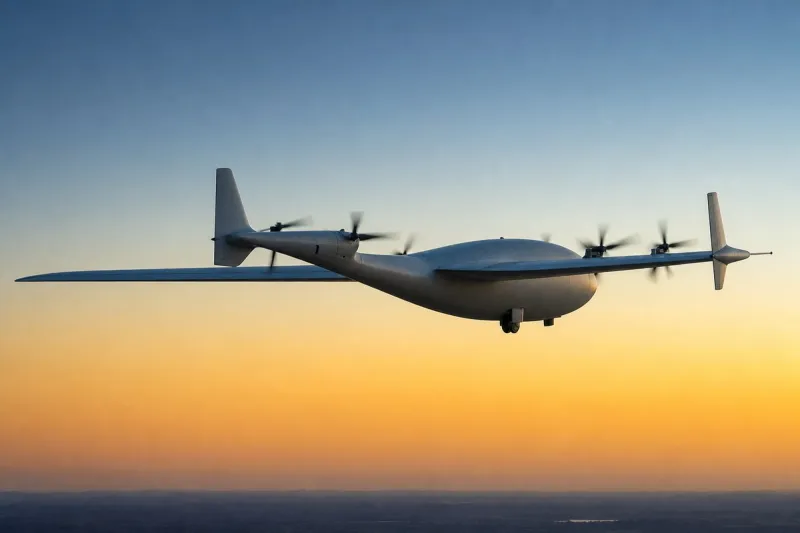
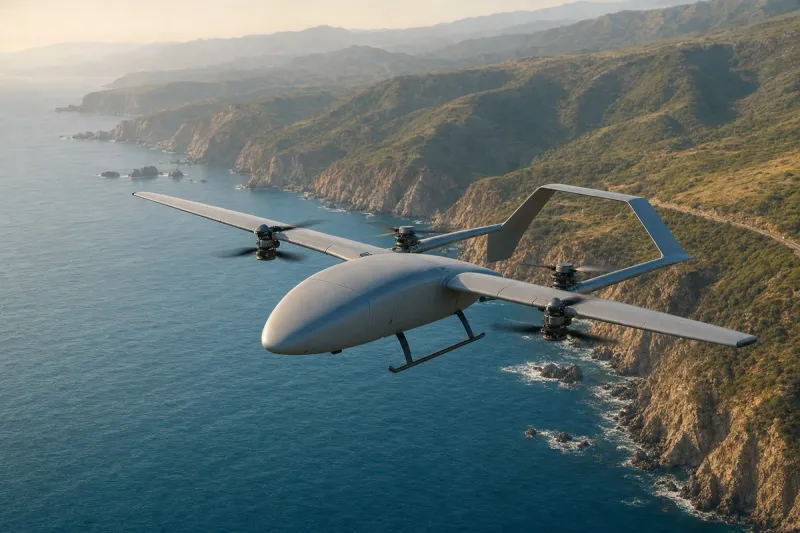
A large, sleek, all-black aircraft emerged from a hangar at Long Beach Airport on a Thursday evening and was identified as the RAVN X, a drone built by Aevum Aerospace of Huntsville, Alabama, designed to launch payloads into orbit. Aviation photographer Ricky Schol, who has photographed aircraft at the airport for 16 years, said he noticed a bright light coming from a hangar he had not seen open in a long time while driving home in Southern California. He pulled over and photographed the aircraft from approximately 100 feet away, saying "at first glance I thought it was an F-117 Nighthawk when driving by," and adding that he was struck by the aircraft's lack of a cockpit.
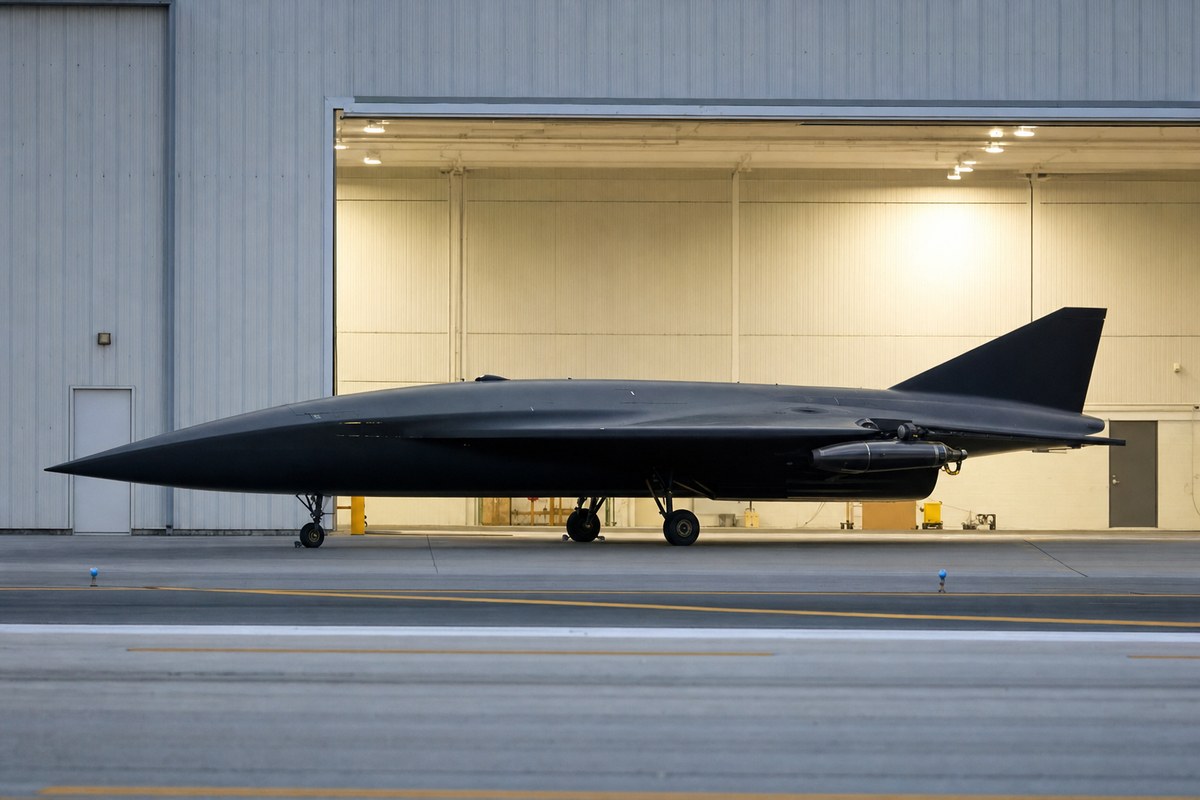
The aircraft carries FAA registration N567RX, reserved by Aevum to an address at Long Beach Airport. Based on the photographs, the airframe appears to be a mockup. Aevum publicly introduced a RAVN X mockup in 2021, with CEO Jay Skylus describing the vehicle as the "mothership" for a two-stage rocket capable of carrying a payload of just over 1,000 pounds. According to previously published specifications, the twin-engine RAVN X drone weighs 55,000 pounds, is 80 feet long, and has a wingspan of 60 feet — roughly the size of a North American A-5 Vigilante.
The company's original plan called for vehicle-level testing leading to FAA airworthiness certification, followed by orbital launch tests from Cecil Spaceport in Jacksonville, Florida, by late 2021. According to Gunter's Space Page, a site that tracks launch vehicles, Aevum rolled out the RAVN X mockup in December 2020, claiming at the time it was a real prototype, but no further activities were recorded, and by August 2024 all activities appeared to have stopped. Aevum's own website currently carries no details on the program's status. Schol said the aircraft was brought out of the hangar and then returned, and that he neither heard engines running nor saw any exhaust during the observation. Aevum and CEO Jay Skylus were contacted for comment.
Industry impact & what to watch
New launch-vehicle ventures often generate visibility through hardware sightings and mockups years before any flight milestone is reached, and this case illustrates how a static airframe can circulate in public attention long after program activity has gone quiet. A mockup rolled out to signal design intent is not evidence of certification progress; the two can diverge for years while a company's public presence stays minimal.
Alternative space-launch efforts depend on sequential gates — vehicle-level testing, FAA airworthiness certification, then orbital demonstration flights from a designated site — and a program can stall at any one of those without a public announcement. Aevum's stated 2021 timeline for orbital tests from Cecil Spaceport was never confirmed as met, and tracking sources describe no recorded activity since.
What would settle the question is a direct statement from Aevum or Jay Skylus on the mockup's current purpose and the program's status, since neither the company's website nor recent tracking data has supplied one.