Owen Roberts International Airport (MWCR/GCM): Private Jet Guide for Grand Cayman
Why It MattersOffshore finance hubs with limited slots and parking capacity make advance planning and FBO coordination central to reliable turnarounds for heavy-jet operators.
What happened
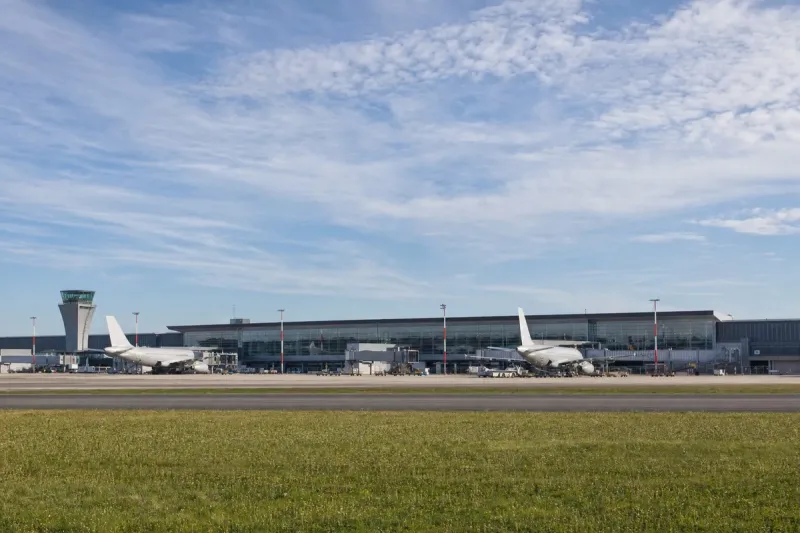
Owen Roberts International Airport, identified by ICAO code MWCR and IATA code GCM, serves as Grand Cayman's primary airport and sits roughly 10 minutes by road from Seven Mile Beach and George Town's financial district, at an elevation of 8 feet above sea level.

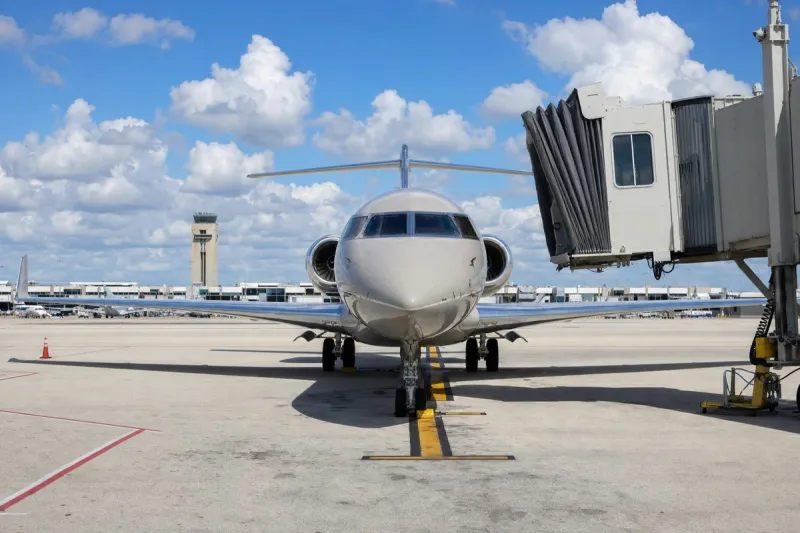
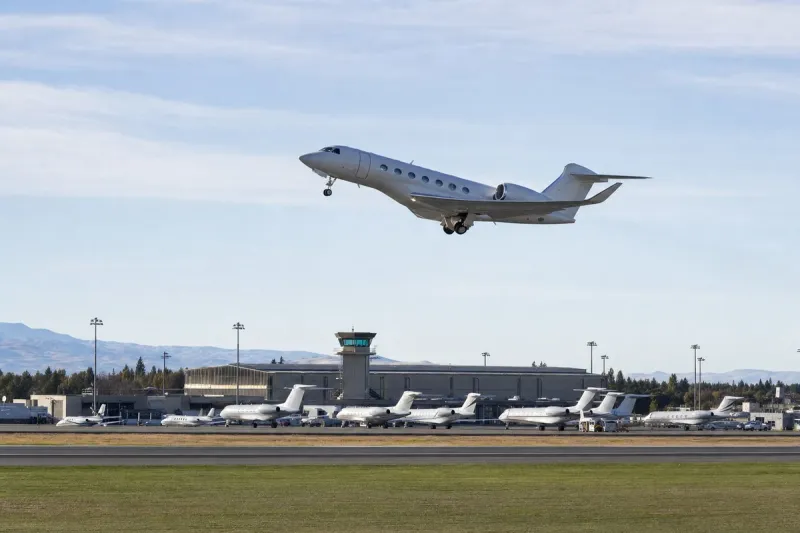
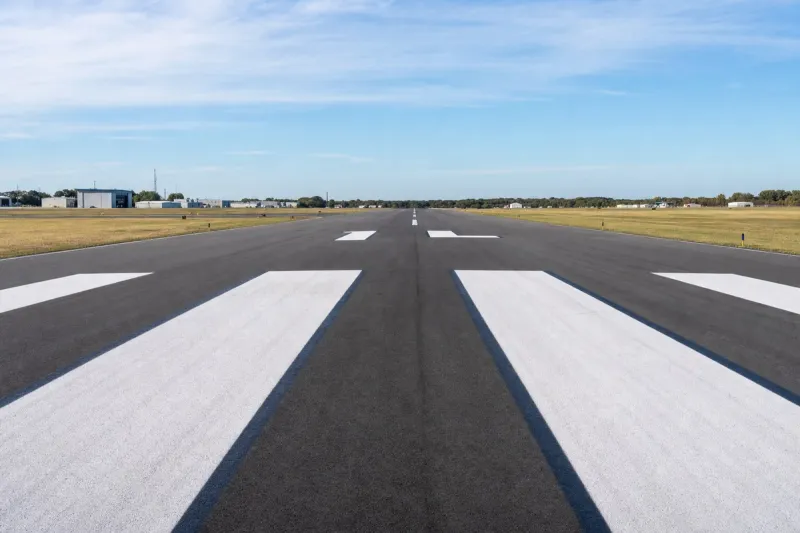
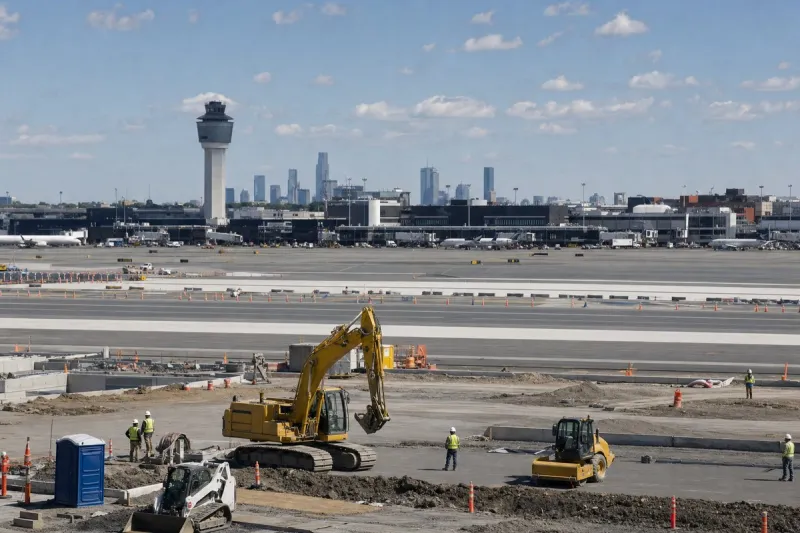
The airport's longest runway measures 6,596 feet of asphalt and is capable of handling aircraft up to Gulfstream and Global class; BBJ operations are possible with coordination, and a runway extension is in progress. Operating hours run 06:00 to 22:00, with extensions available on request, and the airport does not offer 24-hour operations; a noise curfew is in effect. No prior permission or slot coordination is required. Customs and immigration services are on site, Jet A-1 fuel is available, and a helipad is also present.
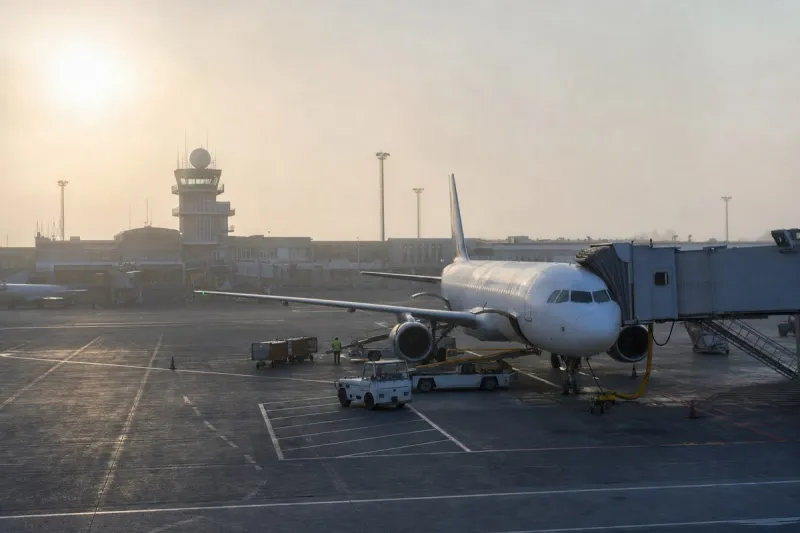
Two FBOs serve private aviation at MWCR: Island Air FBO and the Cayman Islands Airports Authority GA facility. Island Air FBO provides a lounge, crew facilities, fuel, and a customs desk. The airport handles heavy Gulfstream and Global traffic driven largely by the offshore finance sector, and parking capacity is limited, with reservations strongly advised, particularly during holiday periods.
Industry impact & what to watch
An airport case like this one illustrates how business-aviation access to offshore finance centers depends on infrastructure details that rarely make headlines: runway length relative to aircraft class, curfew windows, and the absence of PPR requirements all shape whether a Gulfstream or Global-class trip can be flown on short notice.
At a 6,596-foot runway with a noise curfew and no 24-hour operations, capacity is managed less through slot rules than through parking limits and FBO throughput, which is why reservations matter more here than at larger hubs. The presence of two FBOs, one offering lounge, crew, fuel, and customs services, gives operators a real choice, but the constraint is physical space rather than administrative gatekeeping.
The runway extension reported as underway is the detail worth tracking, since a longer runway would change which aircraft types can operate without coordination and could ease the parking pressure tied to peak holiday traffic.