MOSAIC Rule Has Not Yet Reversed GA Premiumization Trend as Piston Buyer Costs Soar
Why It MattersIndividually rational decisions by manufacturers to chase premium buyers are collectively squeezing out the entry-level piston segment that historically built the pilot and owner pipeline.
What happened
Nine months after Phase I of the FAA's Modernization of Special Airworthiness Certification (MOSAIC) rule took effect on October 22, 2025, the affordability outcome the regulation was meant to produce has not shown up in shipment data. Phase II, which introduces a new manufacturer-certification pathway under 14 CFR Part 22, takes effect July 24, but manufacturers continue moving toward premium products.
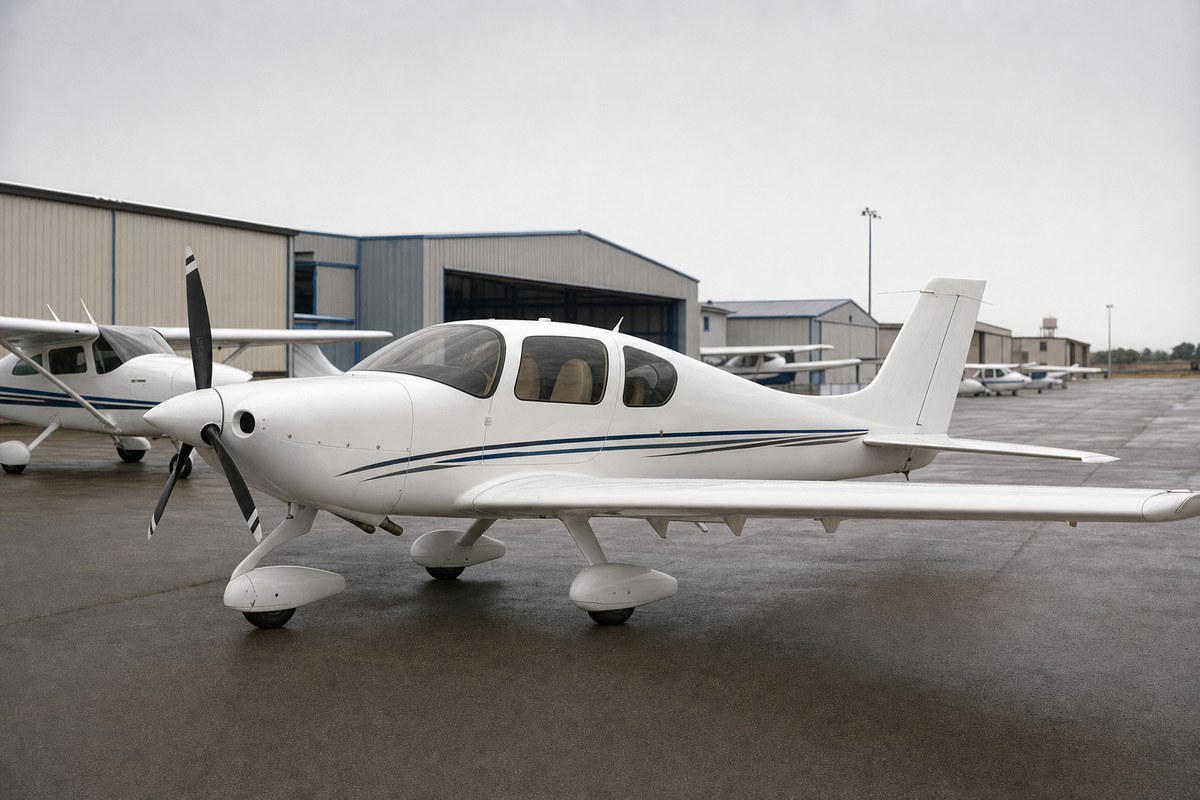
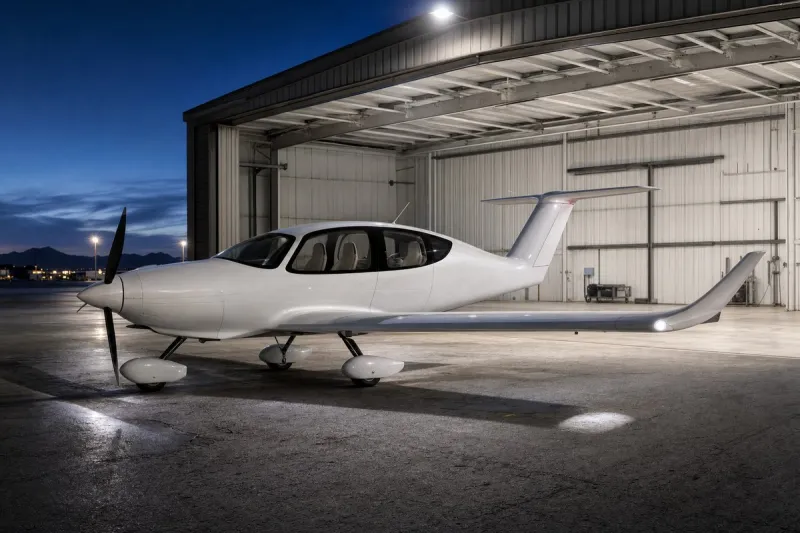
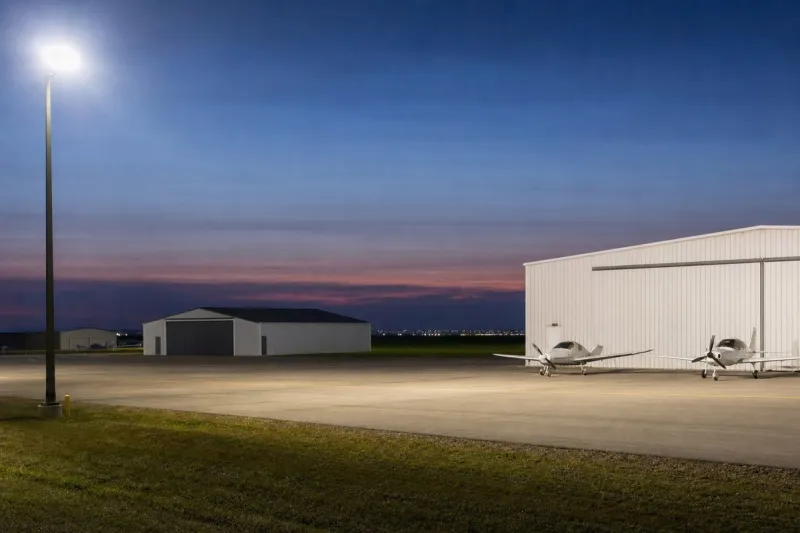
GAMA second-quarter data shows the piston segment shipped 786 aircraft through the first half of 2026, a unit gain, but price levels continue moving away from the median buyer. A new Cessna 172, the most basic trainer or personal aircraft still in production, runs $450,000 to $500,000, while a capable used aircraft a couple of years old can be had for $200,000 to $260,000. A new Cirrus SR22 runs approximately $1.25 million to $1.3 million. Textron discontinued its two most affordable piston nameplates during this period. Tecnam's new, fully equipped P2010-TDI Gran Lusso prices out at $808,000 once options, avionics, and import and prep fees are included on the invoice, and at Oshkosh 2026 the company unveiled the Rivale, a clean-sheet single powered by a 300 hp Continental diesel V-6, priced above that mark.
Bristell, Sling, and Van's are identified as exceptions to this direction. Bristell's MOSAIC-ready B23 has been listed in the $170,000 to $295,000 range, and Sling and Van's have continued targeting budget-conscious sport pilot and BasicMed buyers. Separately, Pilatus PC-24 aircraft have appreciated approximately $1.5 million to $2.0 million from original purchase prices two years ago.
Flight training costs to reach the certificates needed to work as an instructor or first officer now run approximately $124,000. Consulting firm Oliver Wyman estimates a U.S. pilot shortfall of roughly 24,000 in 2026, a figure disputed by the Air Line Pilots Association, which attributes the dynamic to low regional airline pay, high training costs, and the 1,500-hour ATP rule rather than an outright shortage.
Industry impact & what to watch
The piston market's unit growth alongside rising prices shows that shipment counts alone do not capture what is happening to affordability; a segment can grow in volume while shrinking in reach, as buyers who would have entered at the bottom rung increasingly cannot. Manufacturers exiting entry-level nameplates while adding trims and clean-sheet models above $800,000 each make sense individually, since margin sits with the buyer who can pay more, but the aggregate effect is a narrower funnel of new owners and, eventually, new pilots.
This mirrors what happened in automotive and marine retail during and after the pandemic, where manufacturers chased higher-margin trims and the cheapest models disappeared from lineups entirely. In general aviation the mechanism runs through training economics as much as aircraft prices: a roughly $124,000 path to instructor or first-officer certificates compounds with six-figure aircraft prices to push the entry cost of a flying career well beyond what unit shipment figures suggest.
What happens with Phase II certification under Part 22 starting July 24 is worth tracking, since a new manufacturer pathway could in principle lower barriers for lighter, cheaper designs even as incumbents move upmarket. Whether Bristell, Sling, and Van's remain outliers or whether more manufacturers use MOSAIC's expanded categories to re-enter the budget tier will determine if the current price trajectory holds or bends back toward the median buyer.