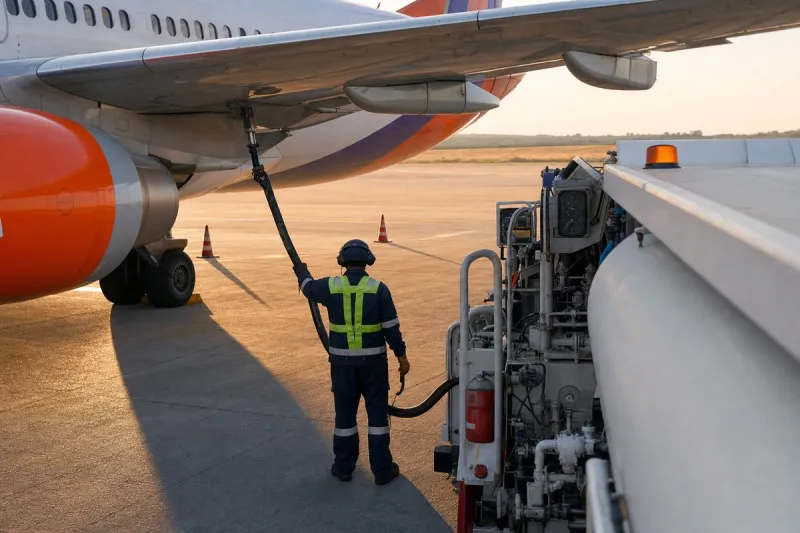
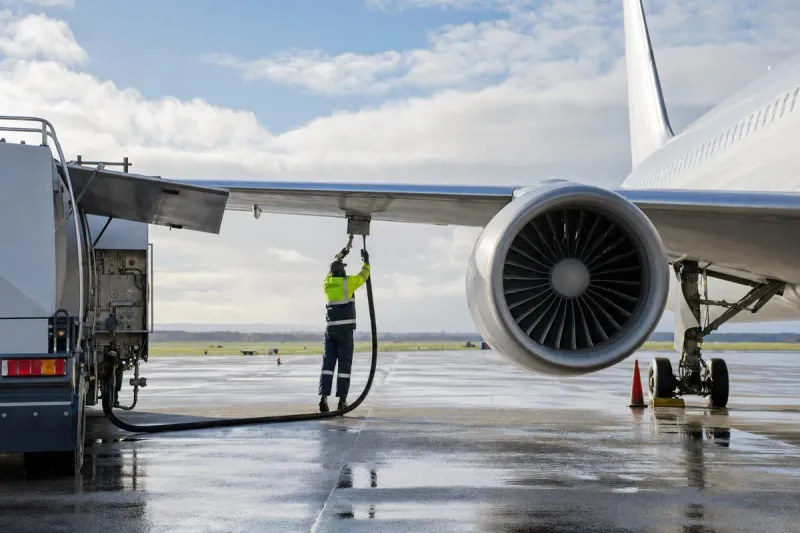
SAF Mandates and Strait of Hormuz Tensions Are Driving Urgency to Scale Sustainable Aviation Fuel, SAFII President Says
Why It MattersSAF scale-up depends as much on transport, storage and blending infrastructure as on production volume, so policy clarity and feedstock diversity move together to determine how fast supply reaches airports.
What happened
Cindy Tomei, president of the Sustainable Aviation Fuels Institute (SAFII), said EU sustainable aviation fuel mandates and ongoing challenges to oil transit through the Strait of Hormuz have raised awareness of SAF and heightened urgency to scale its production and deployment. She made the remarks on a panel titled "The Future of Flight Runs on SAF" at the second annual Global Aerospace Summit in St. Louis.
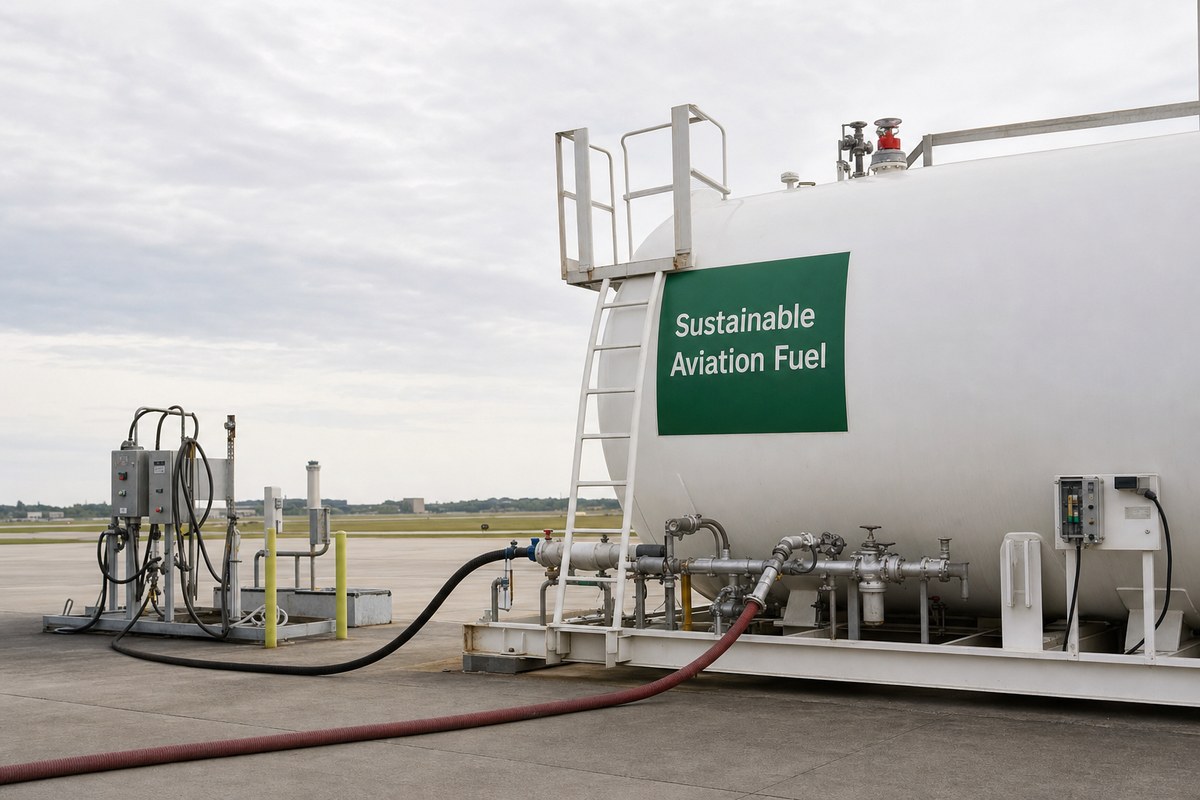
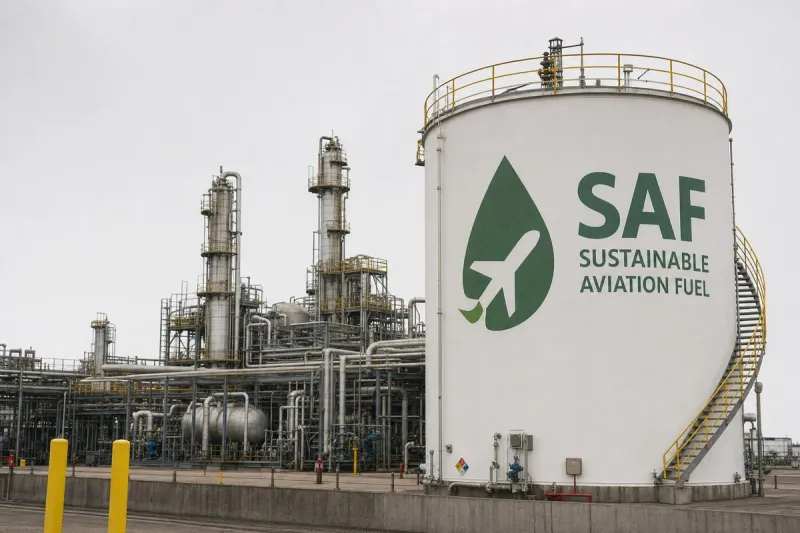
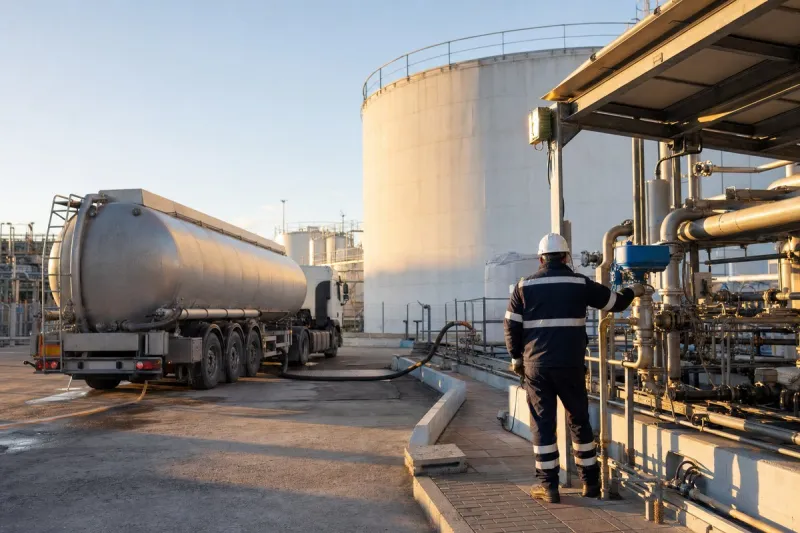
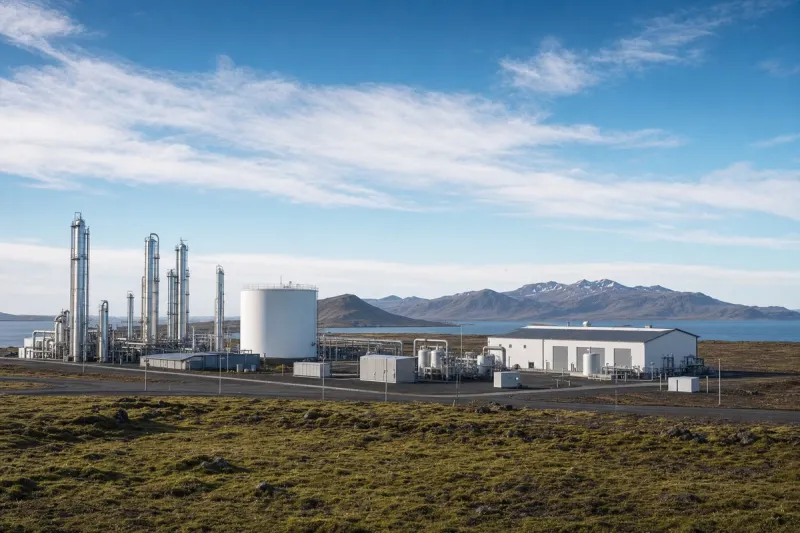
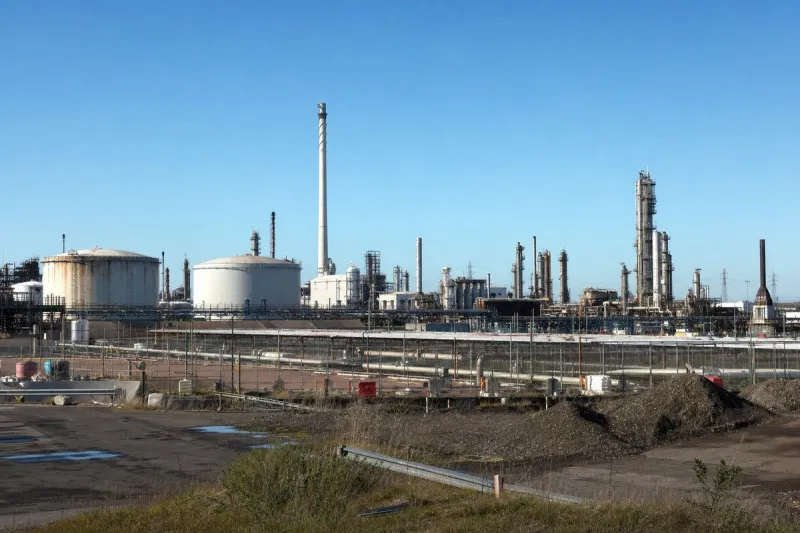
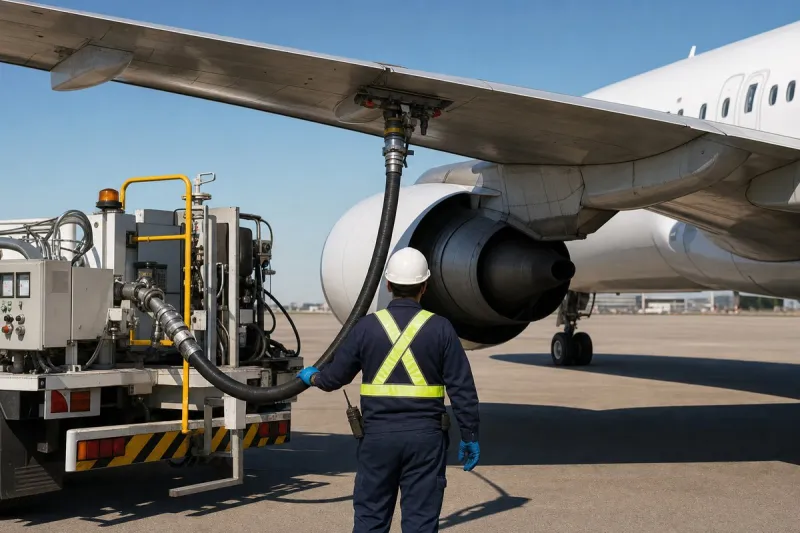
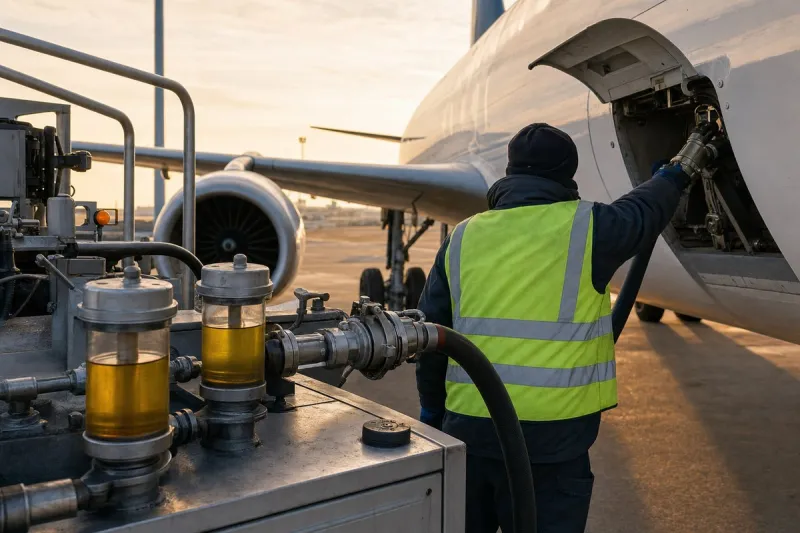
Tomei said building infrastructure to move fuel from production facilities to airports is increasingly critical as SAF demand accelerates. "Speed is really of the essence, whether it is getting SAF scaled up regardless of what the feedstock is, but also having the right infrastructure to get it transported, stored, and blended with jet fuel, so that it can actually be used," she said. She also pointed to growing clarity around the U.S. federal 45Z tax credit and improvements in calculating carbon intensity scores, which help determine eligibility for incentives, as factors accelerating industry development.
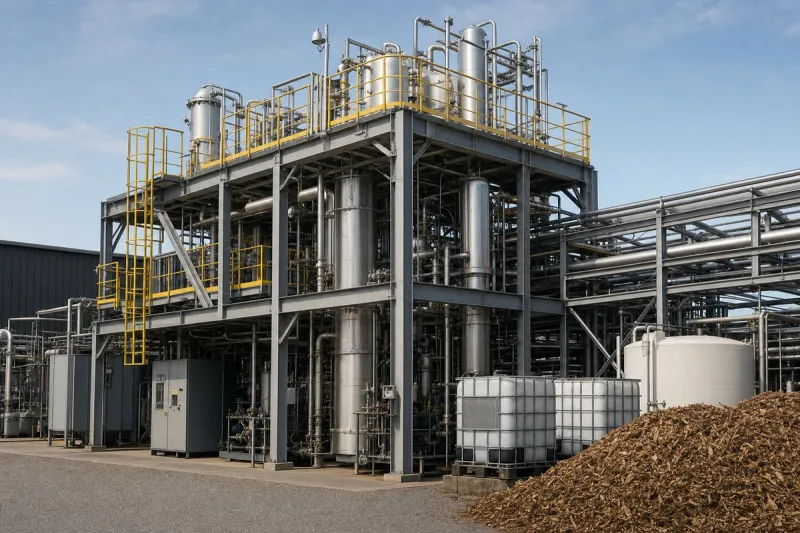
The summit focused on U.S. Midwest aerospace contributions and also highlighted the potential role of regional agriculture in supporting renewable fuel feedstock production. Panelists said meeting future SAF demand will require additional feedstocks and innovative crops that can complement existing farming operations while providing new revenue opportunities from existing acreage.
Industry impact & what to watch
Tomei's comments point to a case where SAF supply is constrained less by demand and more by the physical and financial pipes needed to move fuel from production sites to the wingtip: transport, storage and blending capacity alongside output volume. Policy signals such as EU mandates create pull, while geopolitical exposure through chokepoints like the Strait of Hormuz adds a separate reason to diversify feedstocks and supply routes rather than depend on any single source.
How clearly the 45Z tax credit and carbon intensity scoring get finalized will shape which feedstocks and projects become financially viable, since eligibility for incentives hinges on how carbon intensity is calculated. Regional agriculture's role as a feedstock source also depends on whether new crops can be integrated into existing farm operations without displacing other revenue.
Watch for further detail on how the 45Z credit rules and carbon intensity methodology are finalized, and whether feedstock and infrastructure investment follows the urgency Tomei described.