Kenya faces strategic pressure to defend JKIA's role as East Africa's aviation hub amid regional competition and $1.2 billion expansion plan
Why It MattersEast Africa's aviation, trade and cargo gateway role is becoming contested as Kenya, Ethiopia and Rwanda pursue competing multibillion-dollar hub expansions simultaneously.
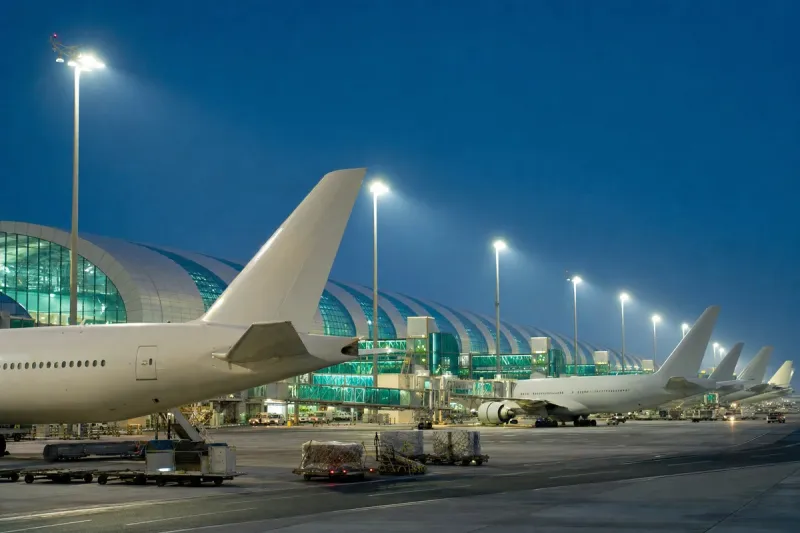
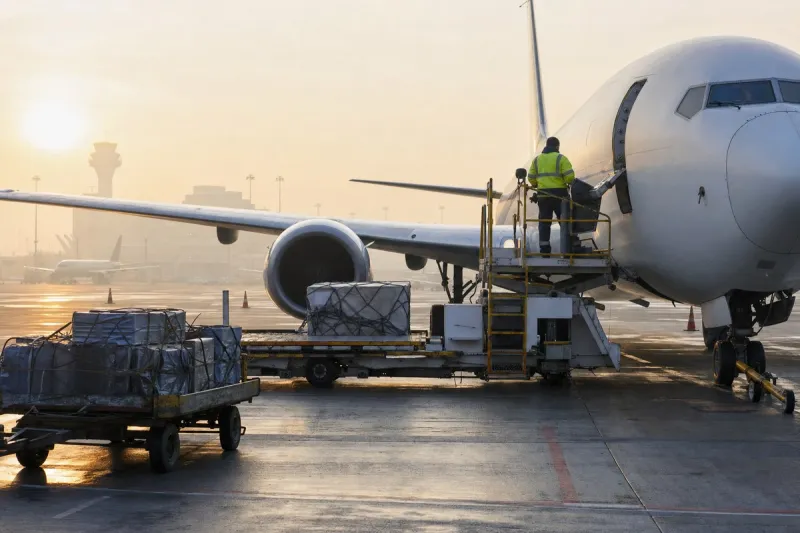
Jomo Kenyatta International Airport (JKIA) faces growing competitive pressure from regional rivals as Kenya weighs how to secure its position as East Africa's primary aviation, trade and logistics gateway. The International Air Transport Association (IATA) says aviation and related tourism generate approximately $3.3 billion in annual economic activity in Kenya, equivalent to 3.1 per cent of GDP, and support around 460,000 jobs, with the country's aviation system handling roughly 380,000 tonnes of air cargo annually.
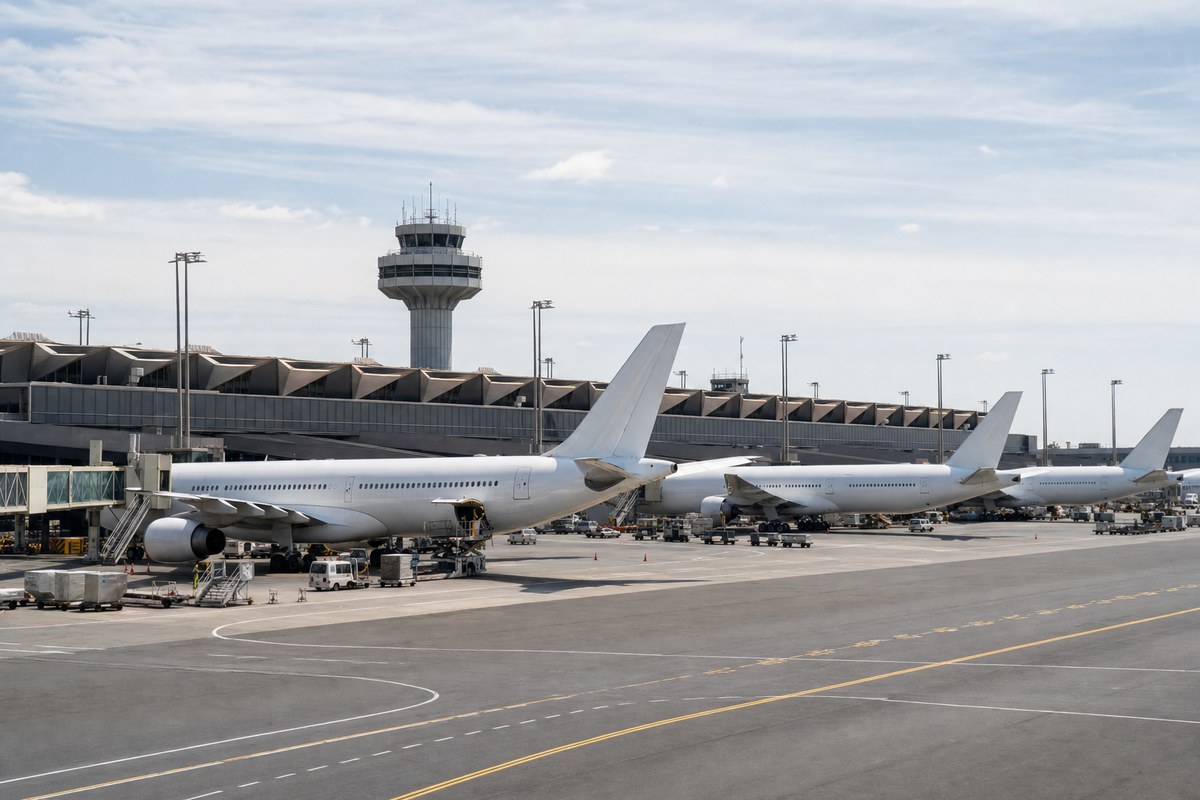
In June 2026, the Kenyan government signed a $1.2 billion agreement to expand and upgrade JKIA, aiming to raise annual passenger capacity from approximately 7.5 million to 22 million, through a new terminal and upgrades to airside and landside operations.
The expansion comes as Ethiopia advances a $12.5 billion aviation infrastructure programme centred on the proposed Bishoftu International Airport, about 40 kilometres from Addis Ababa, designed to handle 60 million passengers annually in its first phase and up to 110 million in the long term, backed by a $500 million commitment from the African Development Bank. Ethiopian Airlines reported revenues of $7.6 billion in the financial year ended June 2025. Rwanda is simultaneously developing the New Kigali International Airport at Bugesera with investment from Qatar and the Rwandan government, alongside the expansion of RwandAir.
Analysts note that physical infrastructure alone will not determine JKIA's competitive standing, citing reliable air-traffic management, efficient ground handling, predictable customs and immigration procedures, competitive costs, safety, punctuality and productivity-linked pay frameworks negotiated transparently between airport management and workers as further necessary conditions.