Lincoln County Delays Hangar Expansion at Marv Skie–Lincoln County Airport Amid Relocation Debate
Why It MattersThe pause highlights how general aviation airports near fast-growing metro areas face pressure to weigh incremental hangar growth against costly full-site relocation.
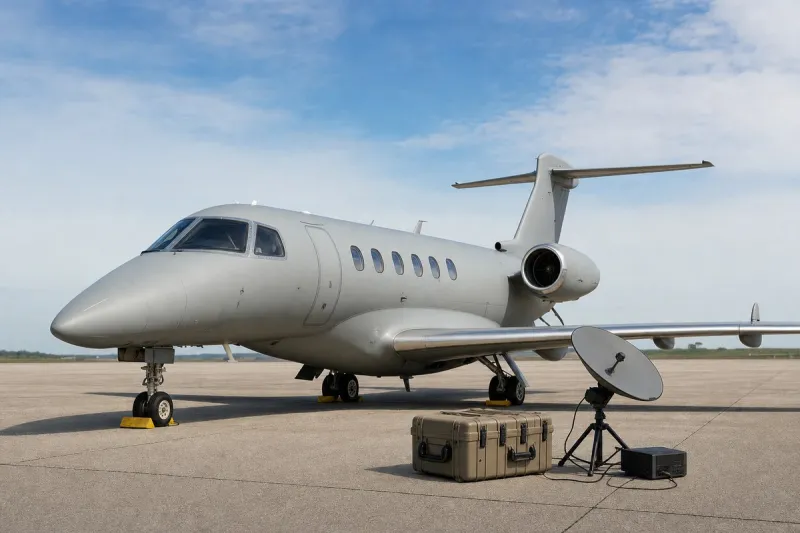
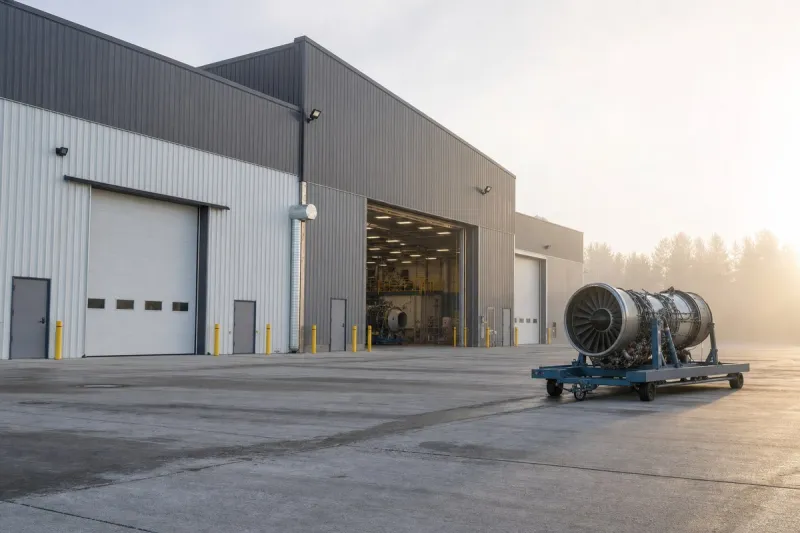
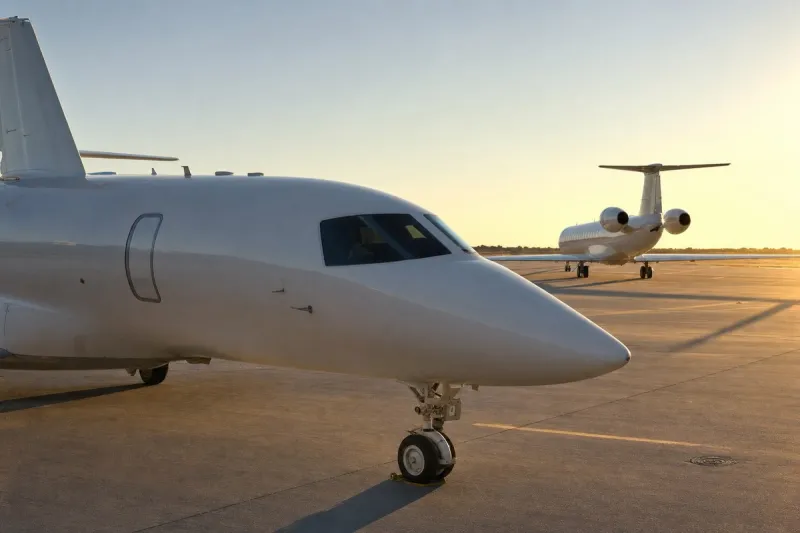
Lincoln County commissioners have voted to temporarily halt action on a professional services agreement tied to a hangar area expansion at Marv Skie–Lincoln County Airport (FAA identifier: Y14), a general aviation facility near Tea, South Dakota, that sits on approximately 134 acres and serves the greater Sioux Falls region. The paused project called for design and engineering work on roughly 20 acres south of the existing airfield, intended to create additional space for general aviation hangars and related infrastructure, with public notices describing the scope published in May 2026.
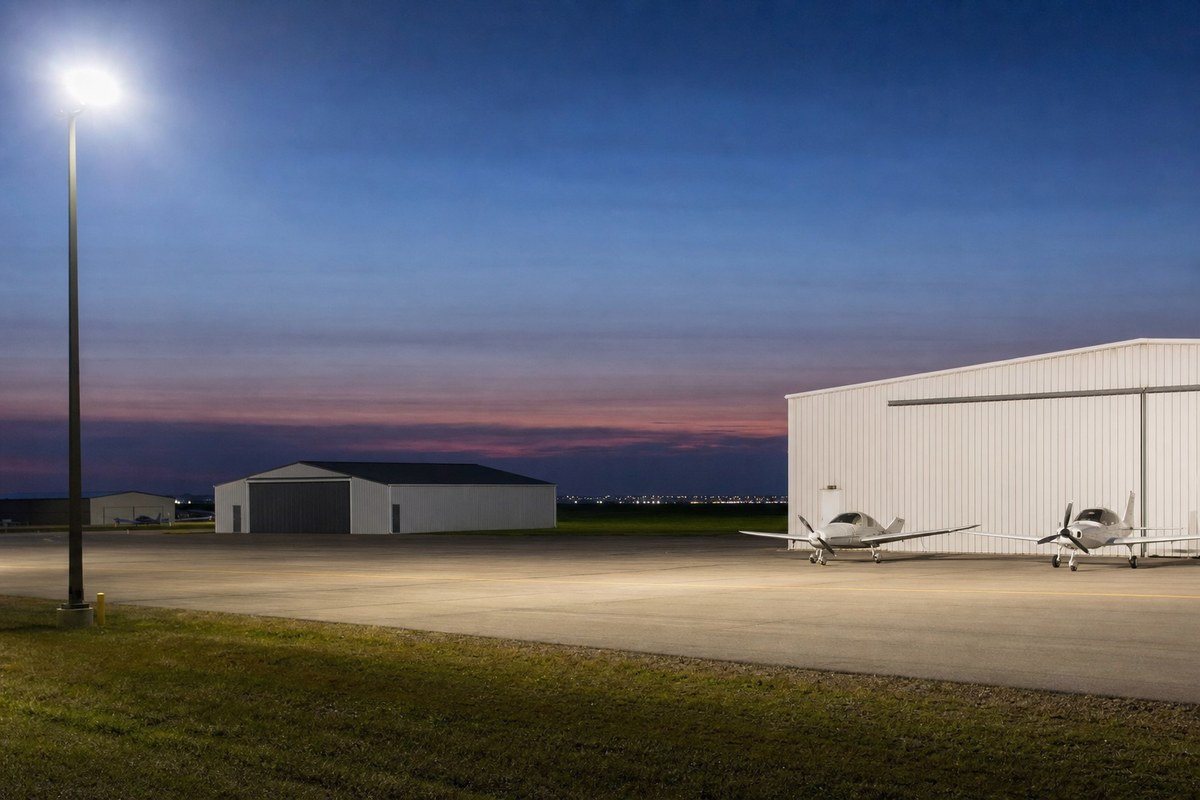
The delay does not cancel the agreement but suspends progress while county leaders re-evaluate whether the current site is the best location for future aviation growth. Commissioner Joel Arends prompted the pause by calling for a fuller examination of whether Lincoln County's aviation needs might be better met by relocating airport operations to a new, larger site, with discussion centering on land west of the Wild Water West recreation area, closer to emerging development corridors and major highways on the outskirts of Sioux Falls. A relocation study would need to account for airspace interaction with Sioux Falls Regional Airport, environmental impacts, land acquisition costs, and compatibility with surrounding land uses.
The decision coincides with a broader budget review in Lincoln County, with local reporting from early September 2026 noting commissioners were working to trim millions of dollars from the 2027 budget. Airport projects typically rely on federal Airport Improvement Program grants, state aeronautics funding, and local cost shares, and a potential site change would complicate that financial picture further. Marv Skie–Lincoln County Airport currently supports private flying, flight training, and business aviation with a single paved runway, and the hangar expansion had been framed as a response to growing demand for aircraft storage in one of South Dakota's fastest-growing counties.