Russia files $56M lawsuit against LMS-901 Baikal developer UZGA as An-2 revival looms
Why It MattersWhen a single-source domestic replacement programme slips for years, air arms and regulators start hedging with parallel legacy options rather than waiting on one supplier's timeline.
What happened
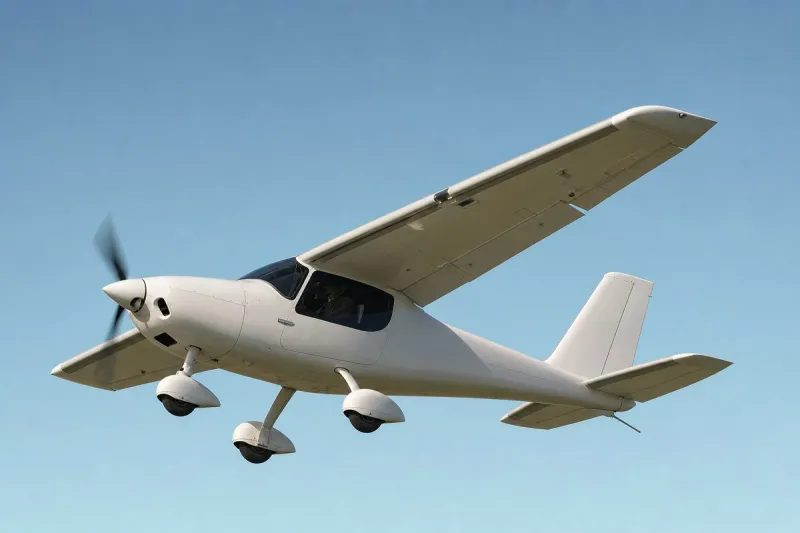
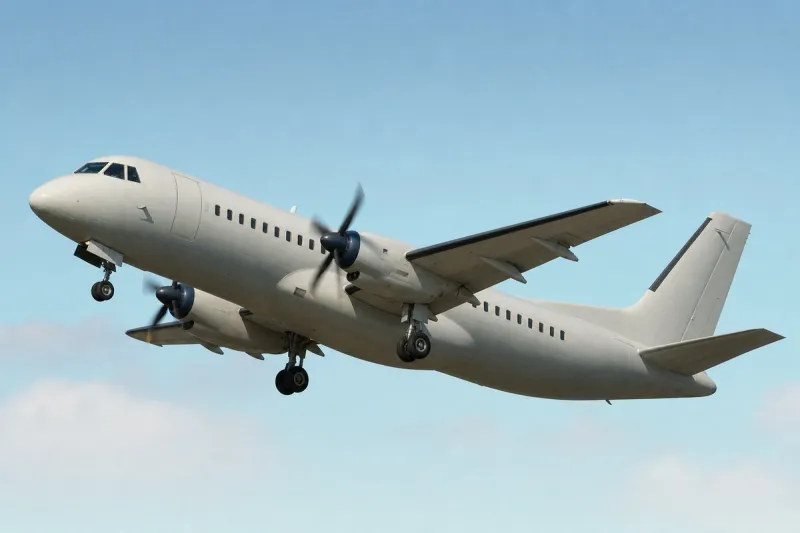
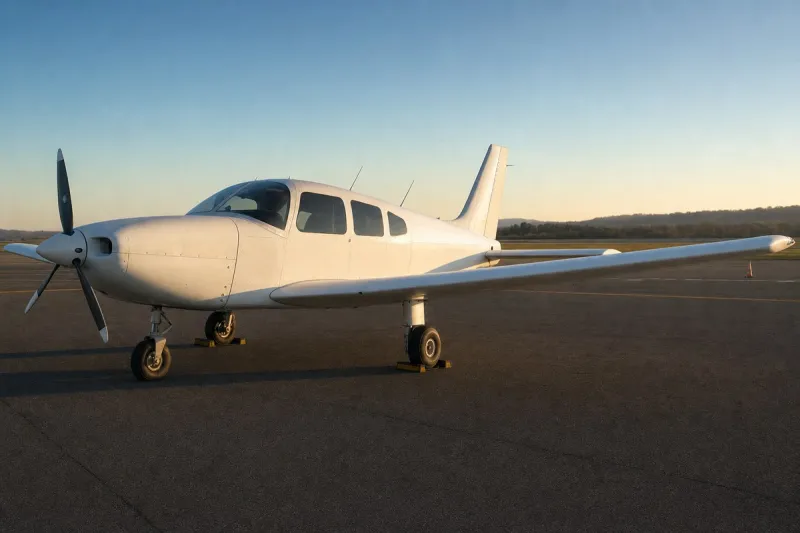
Russia has filed two lawsuits totalling approximately $56 million against UZGA, the aerospace company developing the LMS-901 Baikal light multi-purpose aircraft intended to replace the Soviet-era Antonov An-2 biplane. Court records show the claims amount to 4.32 billion rubles ($50 million) in one suit and 517.89 million rubles ($6 million) in the other. Neither UZGA nor the Russian ministry has commented on the litigation.
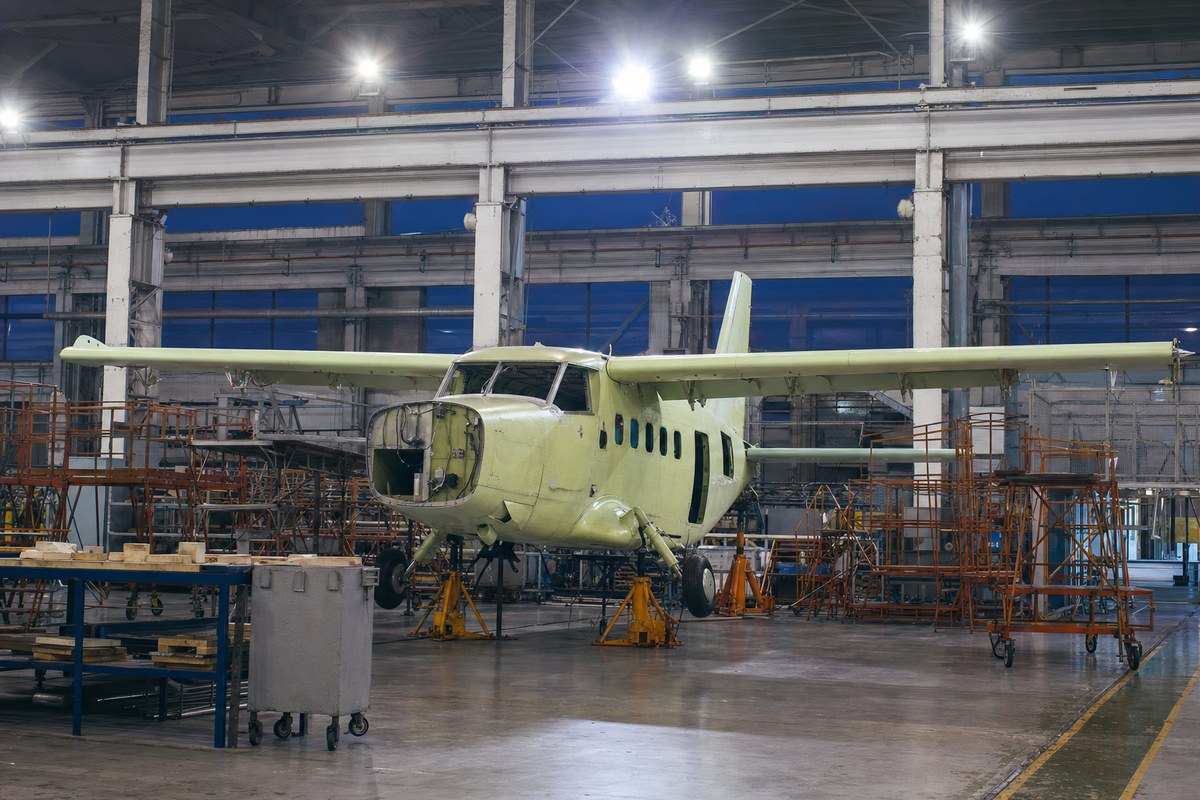
The ministry has previously stated that UZGA missed deadlines for stages 3.2, 4, and 6 of the design and development work, and in 2025 considered freezing the project or transferring it to another developer due to "dramatic design errors." The ministry ultimately awarded UZGA a further contract to continue development. UZGA has been developing the Baikal since 2019, repeatedly postponing its launch. The aircraft was originally designed around the GE Aerospace H80 Western turboprop, but sanctions imposed in 2022 forced a major redesign to integrate the domestically developed OKD-Klimov VK-800 engine, with a noted mismatch between the engine and the airframe. The first flight of a Baikal fitted with the VK-800 took place in December 2025, and a second aircraft equipped with the VK-800SM and AV-901 propeller flew in February 2026.
Separately, Russian officials have signalled a potential return to An-2 production. The Siberian Research Institute of Aviation proposed in April pulling approximately 700 An-2s out of storage to address what it described as a "catastrophic gap" in Russia's small aviation sector. On 1 September, the Russian ministry said it was prepared to supply upgraded An-2s with the original engine from 2027, with VK-800-powered variants possible from 2028. Russia's Deputy Prime Minister acknowledged the situation was "not an ideal solution." The An-2 first entered service in 1947, with production ending in 2001 after more than 17,000 aircraft were built. Russia's United Engine Corporation has approved the design of the VK-1600S turboprop engine, rated at 1,450 horsepower, intended for small passenger aircraft including the An-2 and its An-3 variant.
Industry impact & what to watch
A domestic-substitution programme running seven years behind its original engine plan, and now facing litigation from its own government customer, illustrates how sanctions-driven redesigns can compound delay rather than simply add cost: swapping the GE Aerospace H80 for the VK-800 required reworking an airframe not originally built around it, and that mismatch has followed the programme through two first flights.
Small-aviation replacement programmes of this kind typically run on a single supplier with no qualified alternative, so when that supplier slips, the customer's only real lever is a parallel legacy option — here, pulling stored An-2s back into service and developing the VK-1600S engine as a hedge rather than a full substitute for the Baikal. That the ministry is prepared to fund upgraded An-2 production from 2027 while still funding UZGA's continued development shows both tracks are being kept alive rather than one replacing the other.
What happens next depends on whether UZGA meets the outstanding design stages the ministry has already flagged as missed, and whether the VK-1600S reaches the An-2 and An-3 on the timeline described. The lawsuits themselves, and any ministry response to them, will indicate whether the government still views UZGA as the programme's long-term developer.