Nova Pangaea completes pilot trials for waste biomass SAF process, achieving stable 72-hour runs above yield targets
Why It MattersSuccessful continuous-run trials move waste-biomass-to-ethanol conversion closer to commercial scale, supporting UK plans for carbon-negative SAF feedstock supply chains.
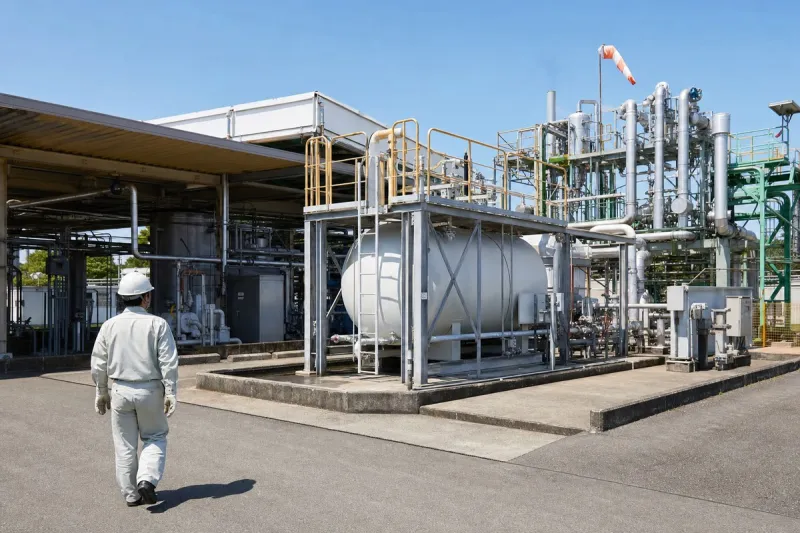
Nova Pangaea has completed pilot trials of its REFNOVA process for producing sustainable aviation fuel from waste biomass, achieving stable, continuous operation for production runs of up to 72 hours and delivering yields above the company's targets. The trials used softwood residues from timber processing as feedstock, consuming up to three tonnes per day, and followed smaller-scale tests conducted in early 2025 that showed the process could work beyond laboratory conditions. Nova Pangaea plans further trials next year to refine the design of its first commercial-scale facility.
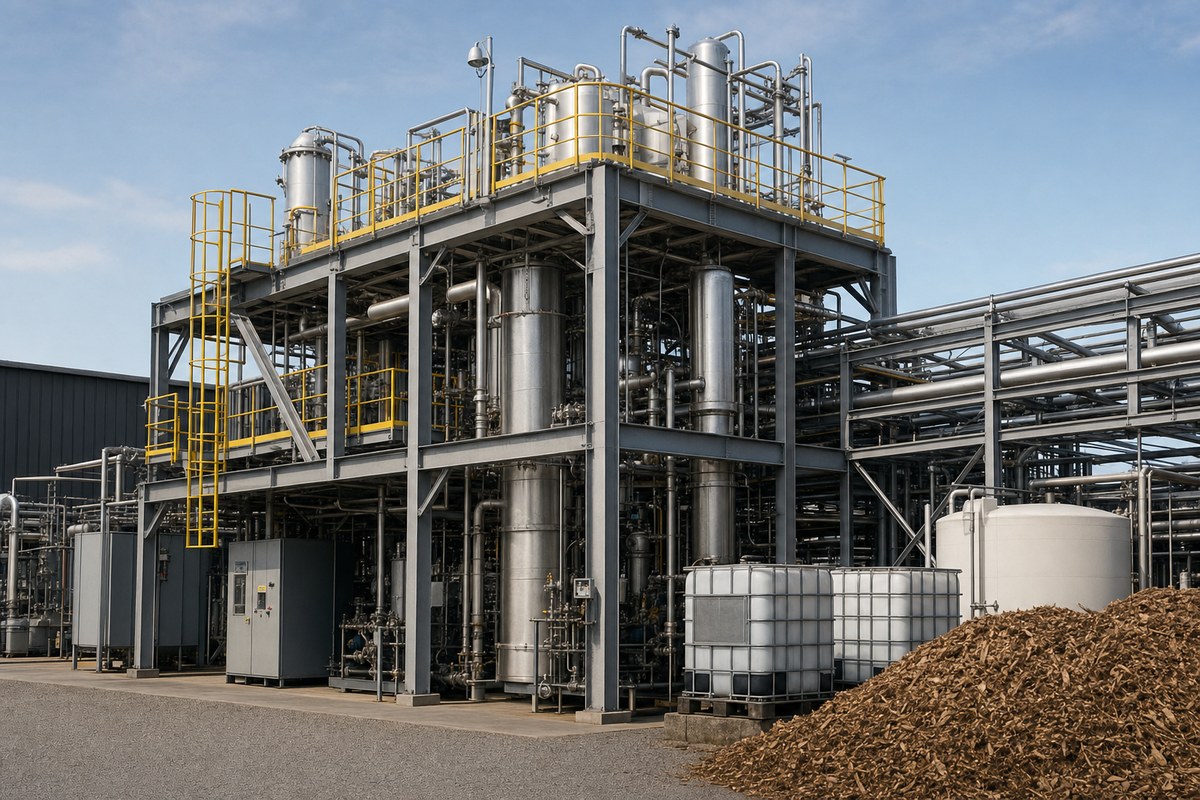
The REFNOVA process converts waste biomass and residues, including wood chips, sawdust and wheat straw, into ethanol, which can then be used to produce SAF and renewable diesel, while also generating biochar for permanent carbon storage. The company says this could let the overall process remove more carbon dioxide than it emits.
Nova Pangaea is collaborating with British Airways and LanzaJet under Project Speedbird to develop carbon-negative aviation fuel from locally available waste biomass, targeting 90,000 tonnes of SAF and renewable diesel per year with an estimated lifecycle reduction of up to 541,800 tonnes of net carbon dioxide emissions annually. The company plans to build four facilities in the UK to produce bioethanol for conversion into SAF. British Airways is a founding investor and shareholder in LanzaJet, whose technology converts second-generation ethanol from agricultural residues and woody biomass into aviation fuel for use in the project.
CEO Stewart Stewart, who joined Nova Pangaea this year after advising on green fuel opportunities at New York-based investment bank Javelin Capital, said the trials had validated the company's technology and should further underpin investor confidence toward building the first commercial plant. Nova Pangaea has raised more than £21 million ($28 million) from investors including International Airlines Group, PXN Ventures, Mercia Ventures and the first Northern Powerhouse Investment Fund, and has also received government grant funding through the Advanced Fuels Fund competition. Separately, the UK Department for Transport has published an updated list of feedstocks qualifying under the country's SAF Mandate, clarifying eligible waste and residue materials under UK SAF policy.