Transense Technologies and Unison Enable First Hybrid-Electric Transatlantic Flight Above 30,000 Feet
Why It MattersThe demonstration signals that sensing and measurement suppliers are becoming integral partners in qualifying next-generation hybrid-electric propulsion systems for real-world flight envelopes.
What happened
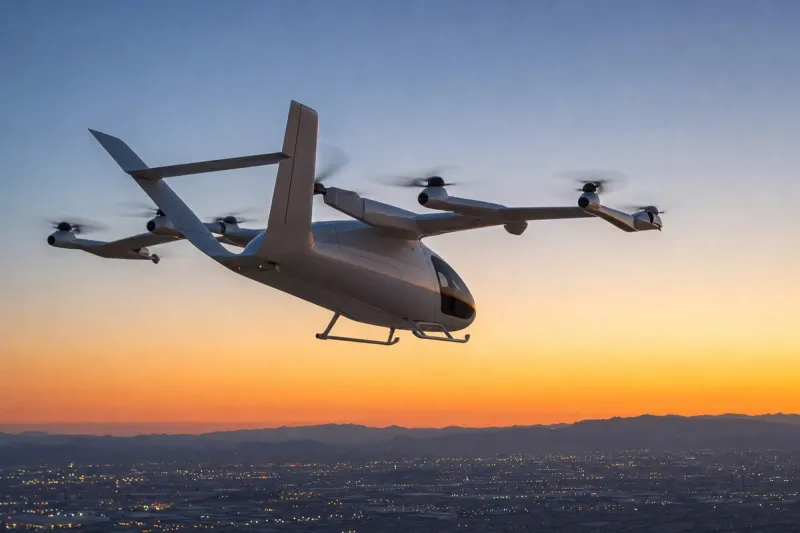
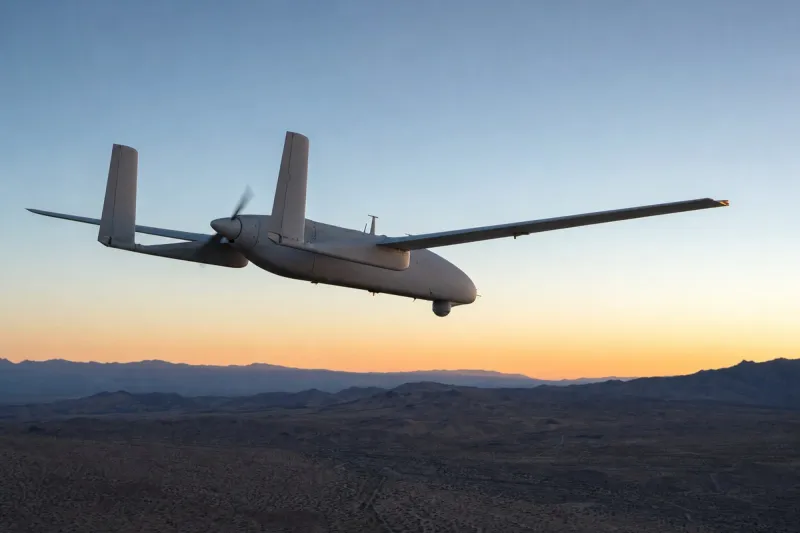
A hybrid-electric aircraft has completed the first transatlantic crossing while flying above 30,000 feet, setting two aviation records simultaneously. The flight relied on sensor technology developed through a partnership between Oxfordshire-based Transense Technologies plc and Unison, a GE Aerospace company.
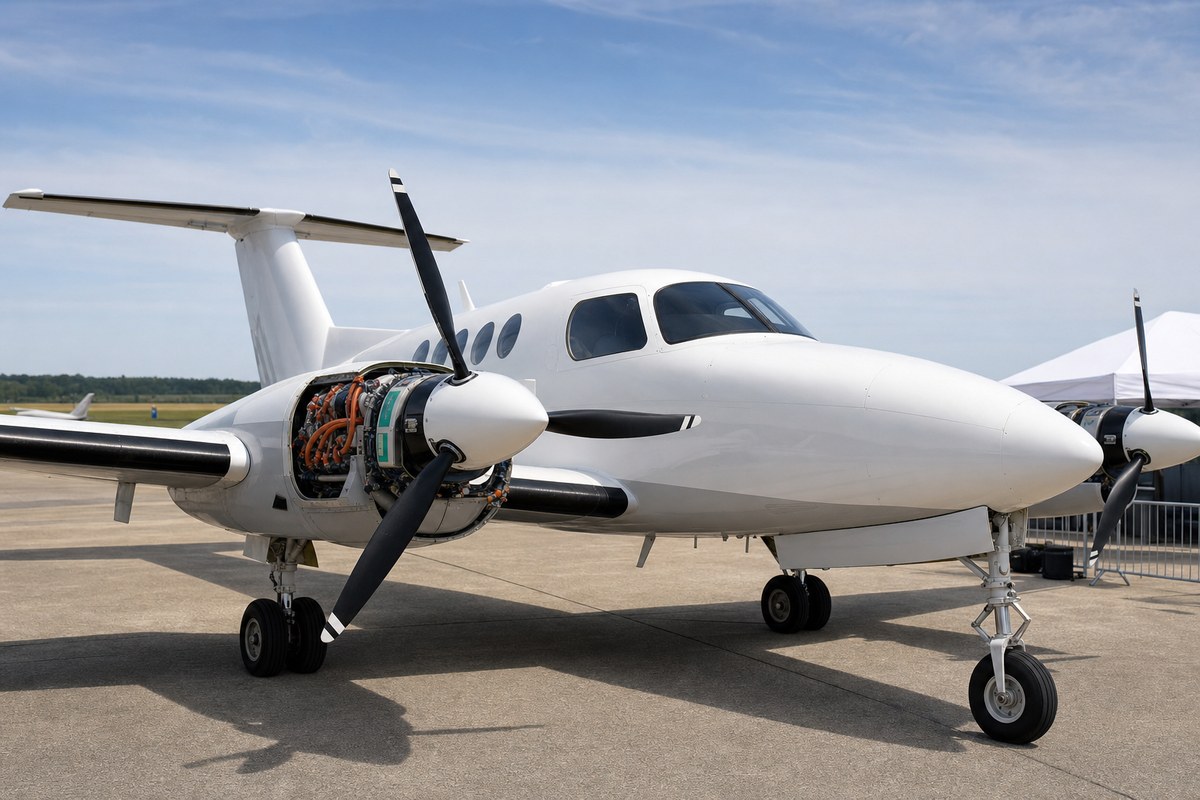
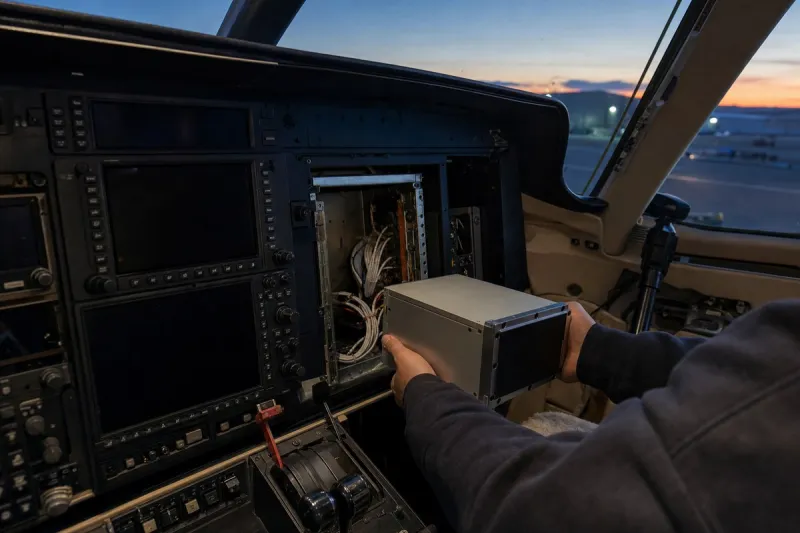
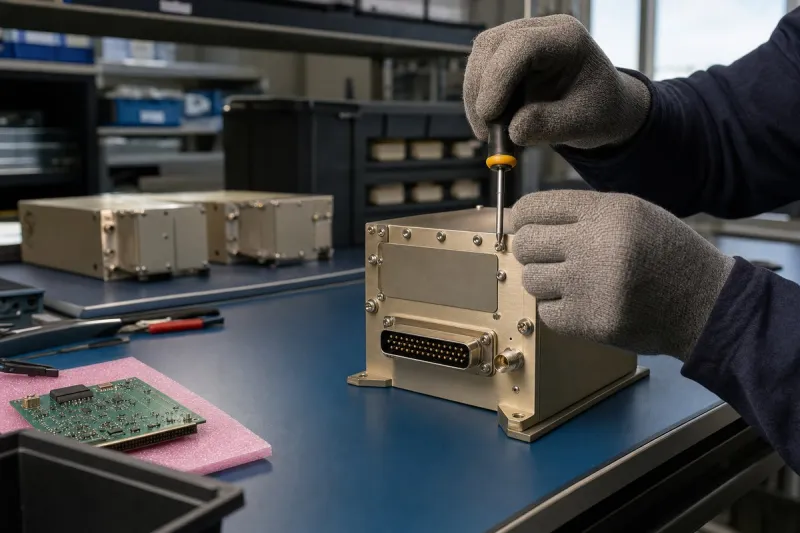
Transense's SAWsense torque sensing technology was integrated with Unison's aerospace engineering capabilities and demonstrated publicly at the Farnborough International Airshow. Ryan Maughan, managing director of Transense Technologies plc, called it "an important milestone for advanced propulsion development and for the role of torque sensing in future aircraft propulsion technologies," adding that the company was "proud to see our foundational SAWsense technology incorporated into Unison's industrialised solution and successfully demonstrated at the prestigious Farnborough International Airshow."
Josh Friedman, engineering leader at Unison, said the flight demonstration "reflects the strength of combining differentiated sensing technology with aerospace application engineering, qualification, and integration," and pointed to a "long-standing relationship with Transense" in advancing next-generation propulsion technology development.
Industry impact & what to watch
This case illustrates how progress in hybrid-electric propulsion increasingly depends on pairing a specialised sensing innovator with a larger aerospace systems house that can qualify and integrate that technology for flight. Torque sensing of the kind Transense supplies is a foundational input for monitoring and controlling hybrid-electric powertrains, and Unison's role in engineering, qualification and integration is what turns a laboratory-grade sensor into something that can be certified and flown.
The Farnborough demonstration and the transatlantic, above-30,000-foot profile together mark a step toward proving hybrid-electric systems can operate in the altitude and route conditions that commercial aviation actually uses, rather than only in test-bed or short-hop settings. Whose next public statement, and what future flight milestone either company points to, will indicate how quickly this sensing-and-integration model moves from demonstration toward broader propulsion programs.