TU Darmstadt's HEART: Modular CS-23 Flight Demonstrator for Hydrogen Propulsion Testing
Why It MattersThe demonstrator shows how hydrogen-electric propulsion research increasingly depends on modular, swappable airframes that let developers validate multiple energy systems without building a new aircraft for each configuration.
What happened
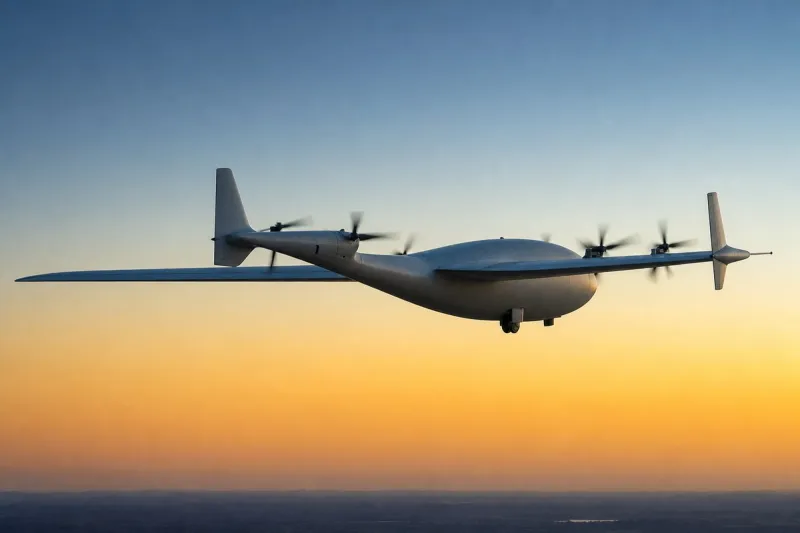
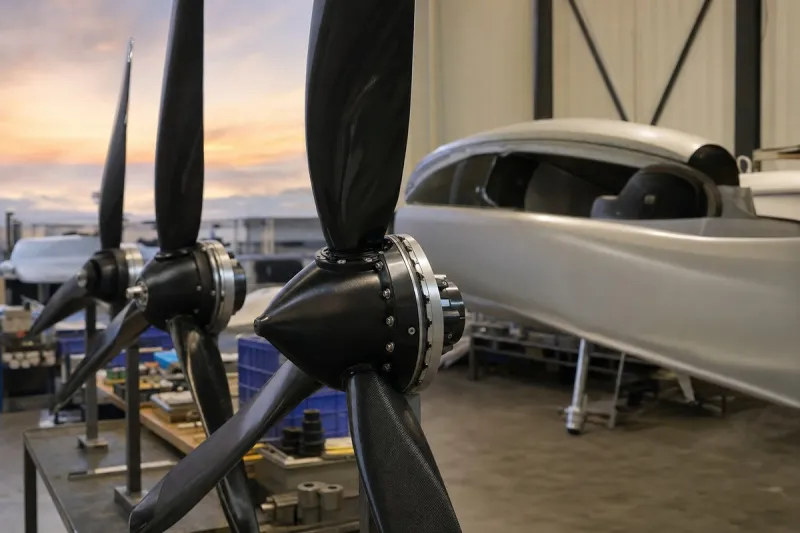
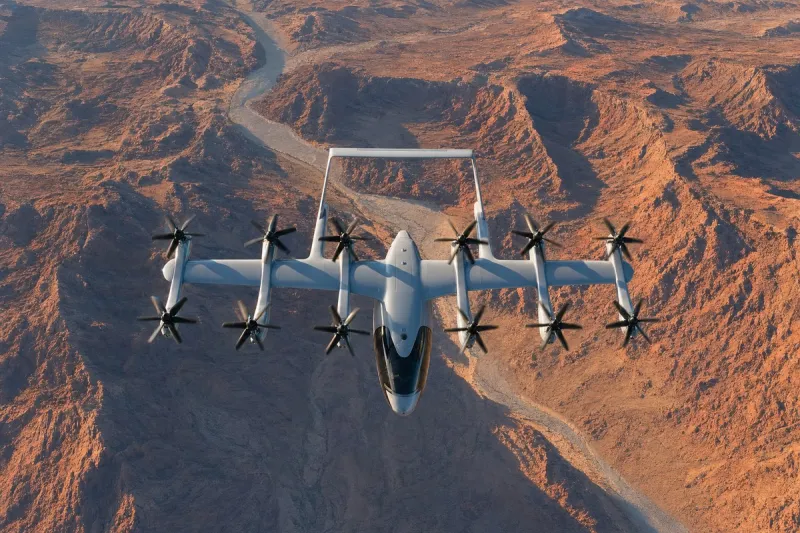
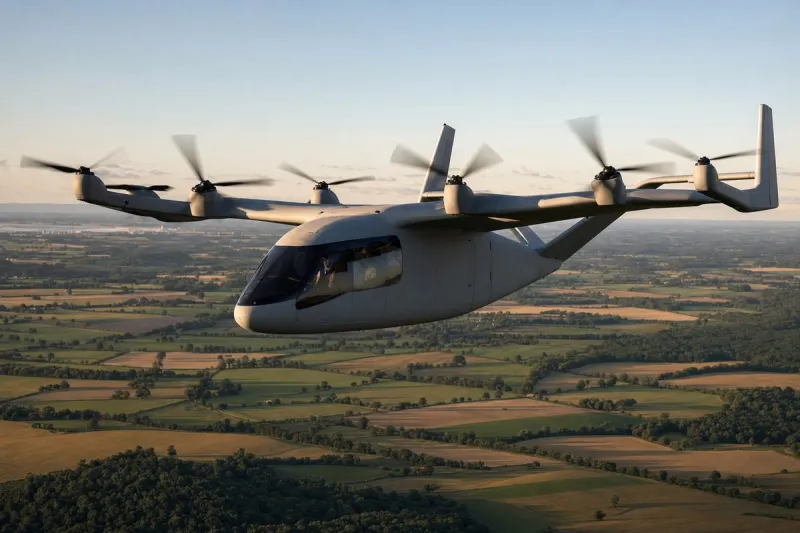
TU Darmstadt has developed HEART, a modular CS-23 flight demonstrator system built to test hydrogen propulsion technologies under real flight conditions. The platform combines a high-aspect-ratio wing with distributed electric propulsion (DEP) and a machine-learning-based thermal management system called CRYO-ML.
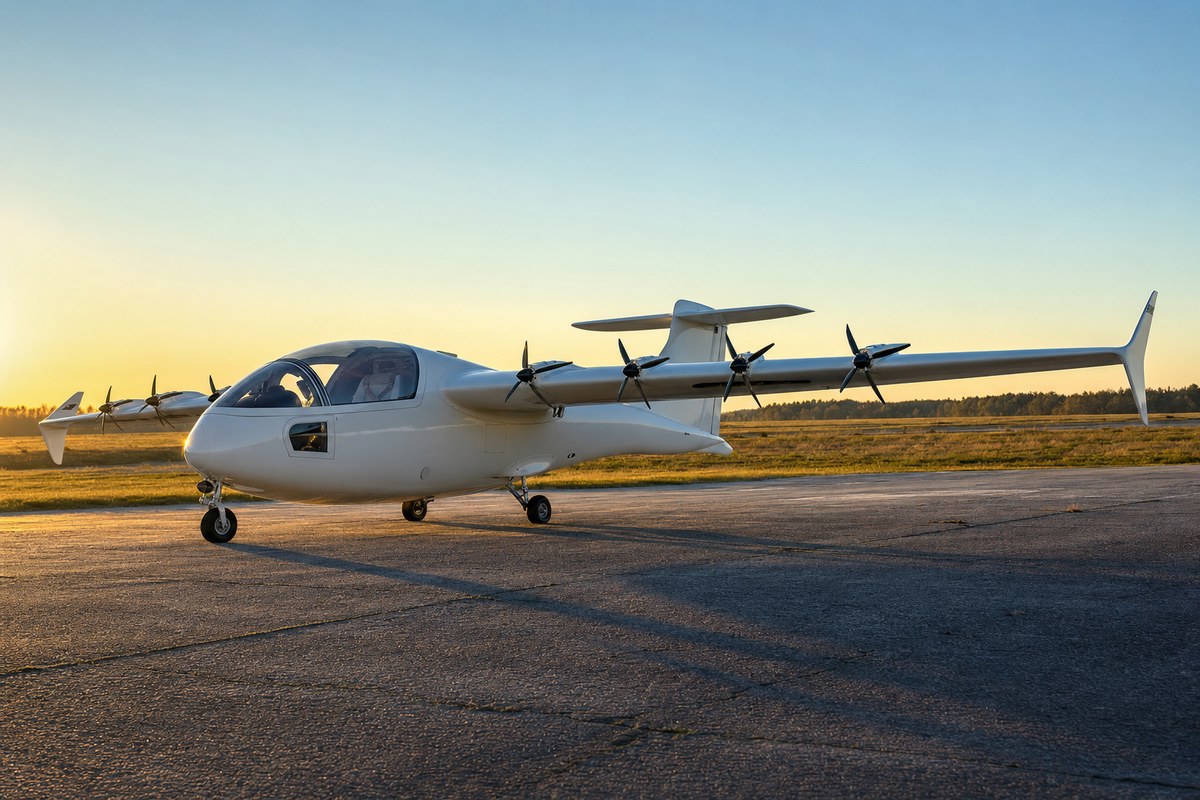
HEART integrates liquid hydrogen, fuel cells, and intelligent energy management within a single airframe. Its modular architecture allows rapid switching between fuel cell and turbo-generator propulsion modes. The combination of DEP and Fowler flaps is designed to enable short take-off and landing performance.
Industry impact & what to watch
HEART belongs to a growing category of small-scale flight demonstrators built to de-risk hydrogen and hybrid-electric propulsion before it reaches certified passenger aircraft. Testing these systems on a CS-23 airframe rather than a full prototype lets researchers isolate variables — fuel storage, thermal control, propulsion switching — under real flight loads without the cost of a clean-sheet design.
In this segment, modularity is the mechanism that makes iteration affordable: a single airframe that can swap between fuel cell and turbo-generator modes lets the same platform generate comparable flight data across propulsion architectures. The CRYO-ML thermal management system points to how liquid hydrogen's handling demands are pushing propulsion research toward software-driven control rather than purely mechanical solutions.
What happens next depends on flight test results from HEART itself, particularly how the thermal management system performs across the different propulsion modes and what the DEP-plus-Fowler-flap combination actually delivers in short take-off and landing performance.