FAA Proposes Overland Supersonic Standard at 0.11 psf Boom Limit; Developers See Path Forward but Financing Hurdles Remain
Why It MattersEven with a clearer regulatory path, the commercial supersonic segment stays constrained by financing and engine development timelines rather than airspace rules alone.
What happened
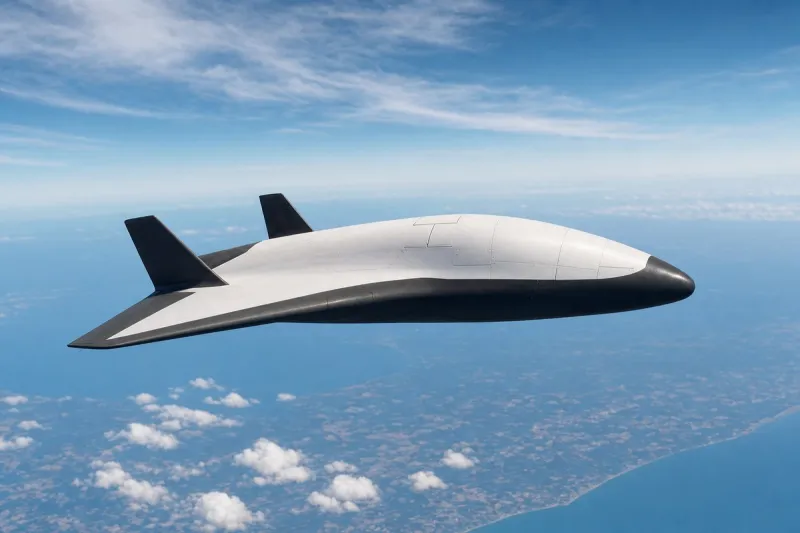
The Federal Aviation Administration has proposed an interim standard permitting supersonic flight over land if sonic-boom overpressure stays at or below 0.11 pounds per square foot under an FAA-approved compliance method, replacing a decades-old blanket prohibition that was tied to speed rather than noise impact. The agency has not yet published a companion proposal covering takeoff and landing noise, and it is targeting completion of both standards by mid-2027.
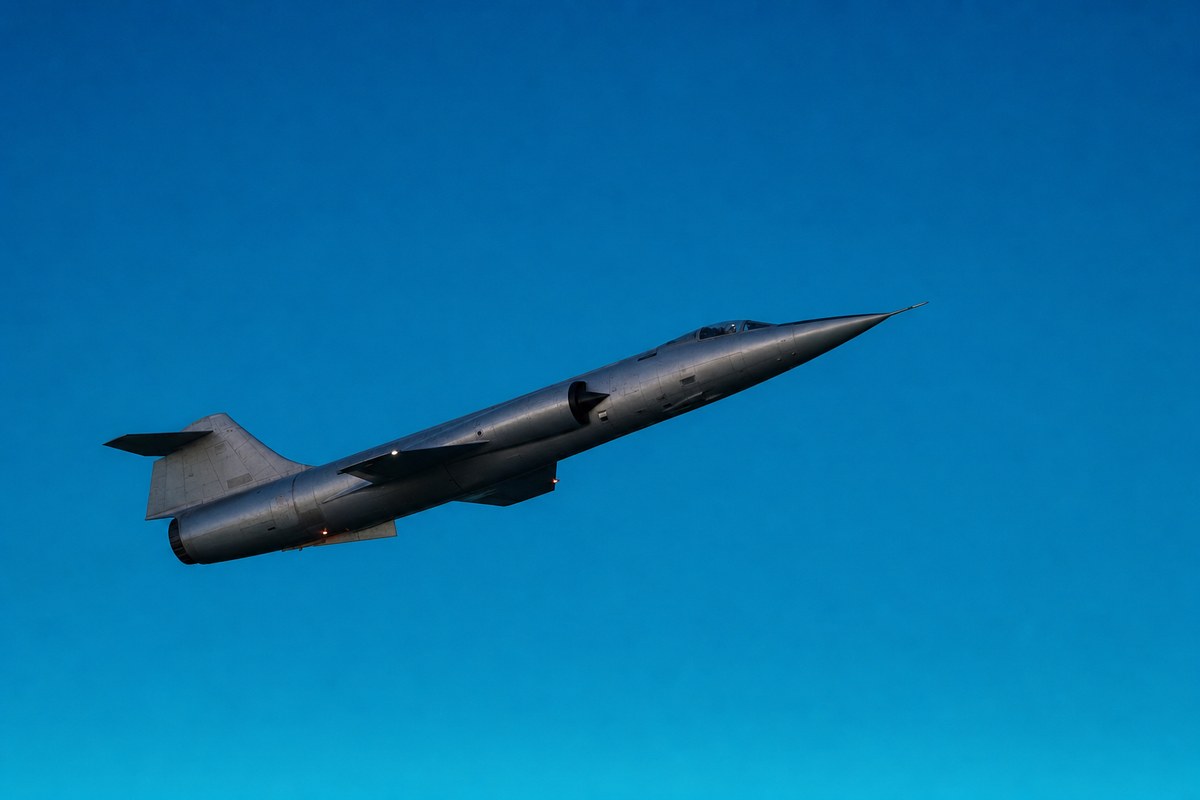
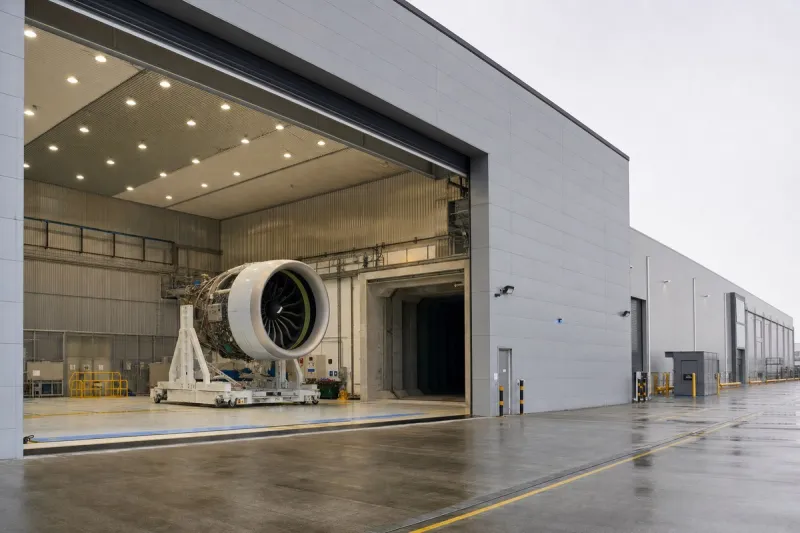
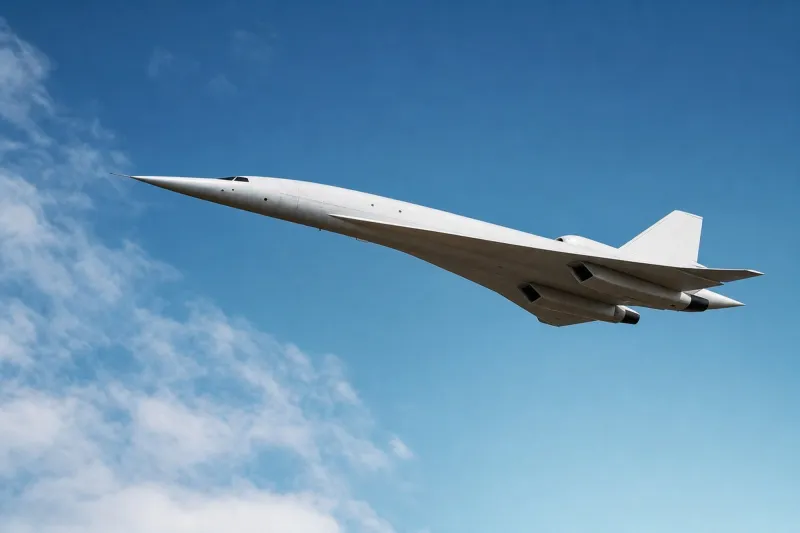
Tim Franta, CEO of Starfighters Space (NYSE: FJET), which operates a commercial fleet of Lockheed F-104 Starfighters, called the proposal "a positive signal that supersonic transport businesses won't be overly constrained by regulation," while noting that regulators want more data and more test flights. Boom Supersonic's XB-1 test aircraft broke the sound barrier in 2025, reaching Mach 1.122, and demonstrated "Mach cutoff" flights in which speed, altitude and atmospheric conditions prevent an audible boom from reaching the ground. Boom's full-scale Overture airliner has not yet flown, and its Symphony engine remains in development, with a fully operational engine-core prototype test planned for 2026. Boom reports 130 orders and pre-orders for Overture, including a non-refundable deposit from American Airlines Group on an initial 20 aircraft, with deliveries conditional on Boom meeting its commitments.
Grant Holve, director and lead analyst for commercial aerospace at Forecast International, said testing and certification represents "the only plausible near-term application" and expects the civil market over the next 10 to 15 years to remain "a niche sector with the potential for a few operators." A NASA-sponsored study published in February 2021, modeling a 60-seat Mach 1.6 aircraft for 2035, projected that 36% of global supersonic operations would serve North America, the largest regional share, driven by high-income markets and a time-savings premium estimated at $185 to $281 per hour saved; the same study found that restricting overland supersonic flight could eliminate 78% to 100% of the potential unrestricted market. An International Council on Clean Transportation study published in January 2022 modeled future supersonic aircraft consuming roughly seven to nine times more fuel per seat-kilometer than subsonic equivalents.
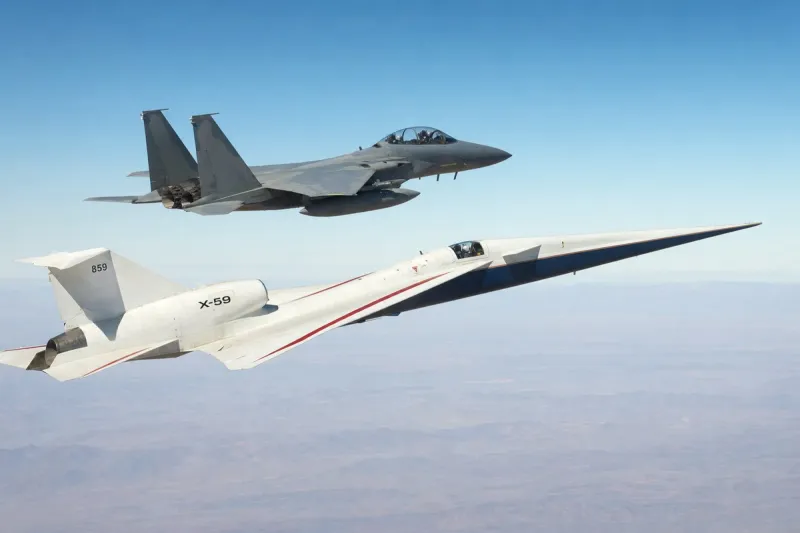
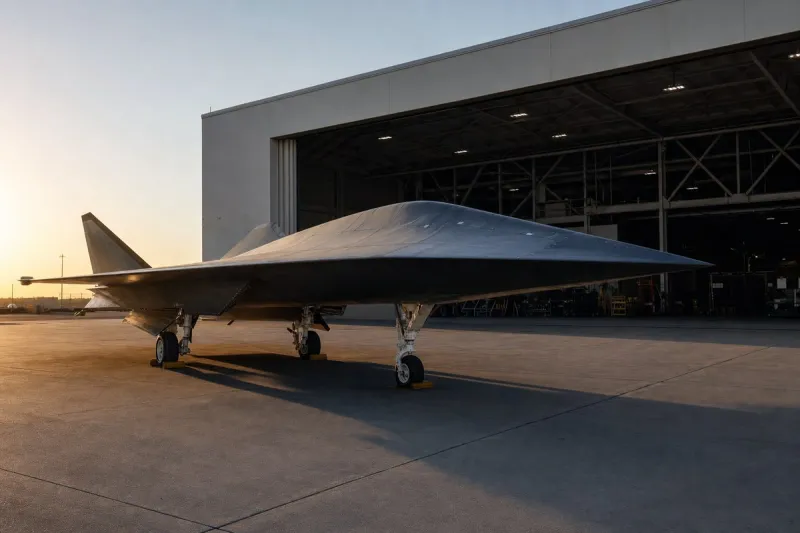
Exosonic shut down in 2024 after failing to secure sufficient customer support, and Boeing-backed Aerion was dissolved in 2021 when it could not raise the capital to move its AS2 business jet into production. Franta is advocating for a dedicated U.S. supersonic and hypersonic test corridor through low-density airspace, and Starfighters is positioning its Mach 2-plus F-104 fleet through its "Wind Tunnel in the Sky" testing platform; Franta said interest from government and commercial organizations has increased consistently since February. NASA's X-59 quiet supersonic research aircraft has completed 25 test flights and is preparing to enter acoustic-validation testing.
Financing and engine timelines
Holve said "financing relative to certification progress is the single most critical aspect to evaluate" for investors, and argued that broader adoption would likely require Boeing (NYSE: BA), Airbus (OTC: EADSY) or Embraer (NYSE: EMBJ) to invest directly in a new supersonic airliner, something he does not see occurring today. Franta forecasts supersonic business jets flying in the National Airspace System within five years and airline-operated supersonic jets within ten years.
Industry impact & what to watch
This case shows a regulatory bottleneck loosening well ahead of the technical and financial ones it was assumed to be blocking. A noise-based overland standard removes the blanket speed prohibition that made overland supersonic commercial service categorically impossible, but it does not by itself change engine readiness, aircraft certification timelines, or the capital needed to fund either.
The segment's economics explain why analysts describe near-term civil supersonic flight as a niche rather than a mass-market shift: fuel consumption per seat-kilometer running roughly seven to nine times higher than subsonic aircraft, per the International Council on Clean Transportation modeling, sets a cost floor that only high-income, time-sensitive travelers are likely to absorb. Two prior attempts to commercialize supersonic business jets, Exosonic and Boeing-backed Aerion, did not fail on regulation; they failed on customer support and capital, respectively, which is the pattern Holve points to when he says financing relative to certification progress is the metric to watch.
The near-term calendar carries the real tests: the FAA's companion takeoff-and-landing noise proposal, targeted alongside the overland standard for completion by mid-2027; Boom's Symphony engine-core prototype test planned for 2026; and whether Overture's first flight materializes. NASA's X-59 moving into acoustic-validation testing after 25 flights will supply data that feeds directly into how the FAA finalizes both standards.