FAA Moves on Supersonic Overland Flight and New Spaceport Airspace Rules Under Two Executive Orders
Why It MattersBy pursuing overland supersonic rules and dedicated launch-and-reentry airspace together, the FAA signals that commercial aviation and inland spaceport operations will increasingly compete for the same regulatory attention and airspace corridors.
What happened
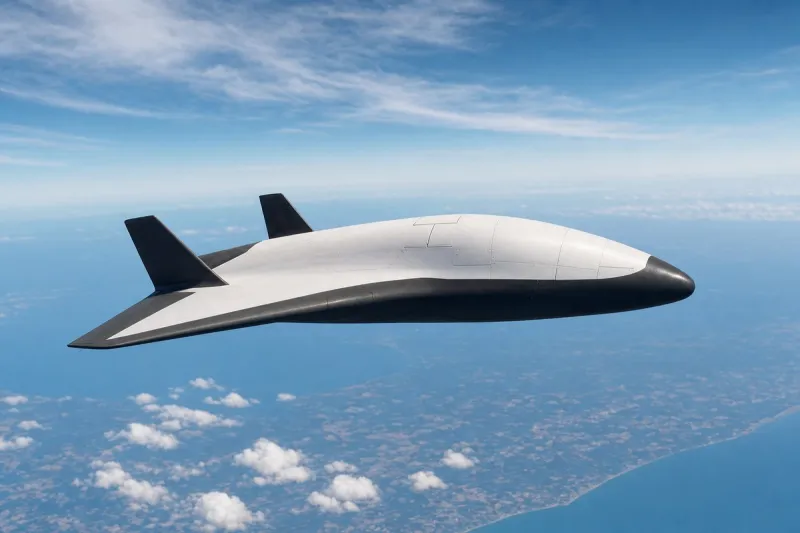
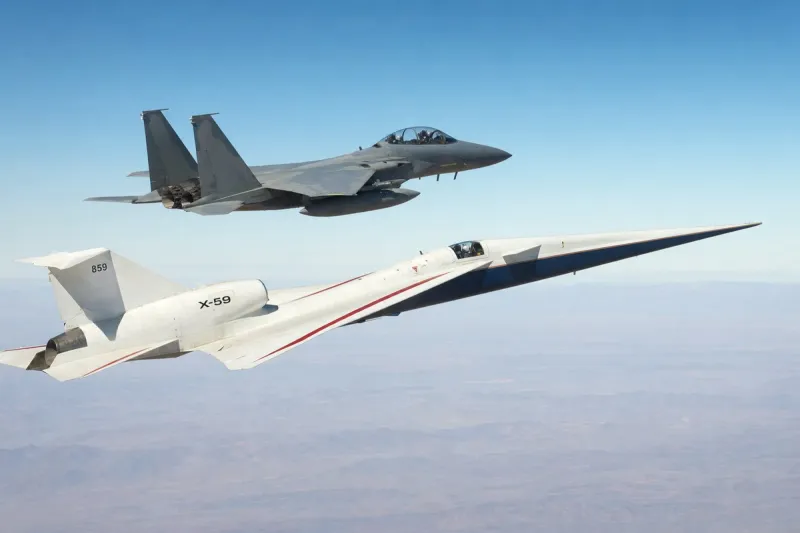
The Federal Aviation Administration announced in July a rulemaking effort to permit supersonic overland flight, implementing Executive Order 14304. In August, the FAA followed with a request for information aimed at implementing Executive Order 14369, which calls for the development of new U.S. spaceports and the establishment of priority airspace for launch and reentry operations.
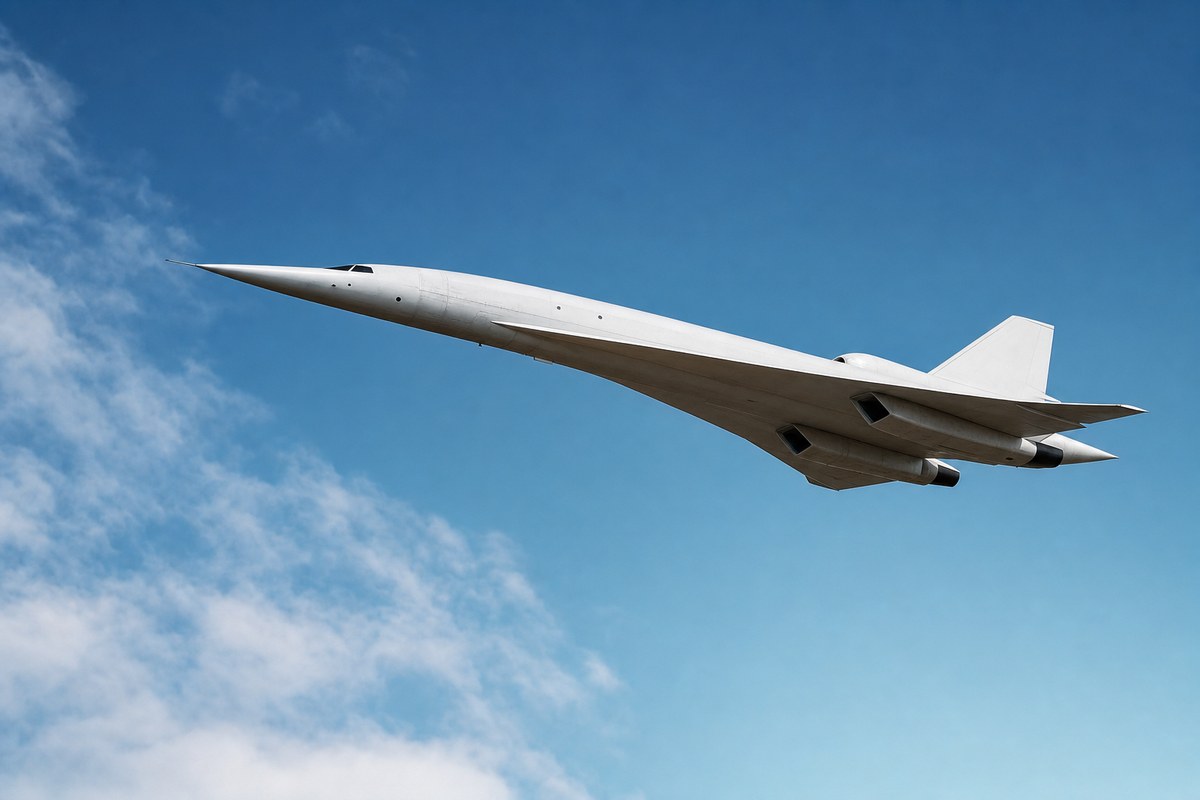
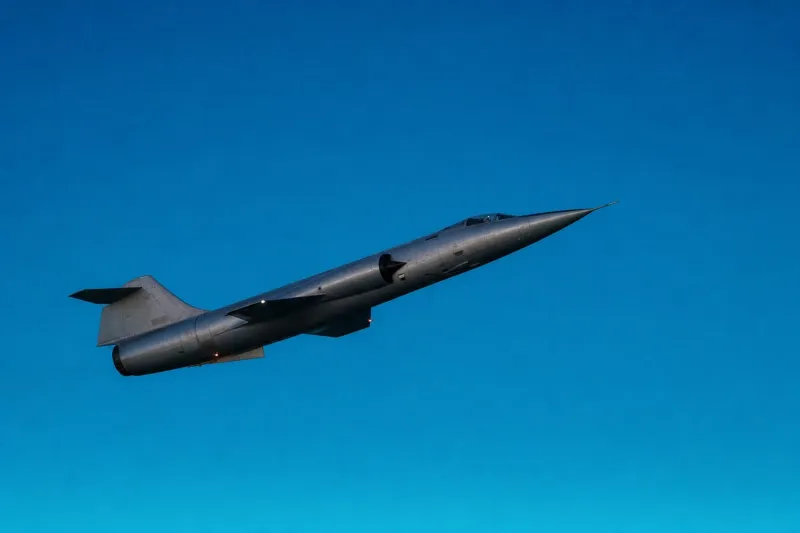
The two regulatory initiatives were described as, taken together, potentially shaping both supersonic commercial aviation and inland spaceport development in the United States. Tim Franta, CEO of Starfighters Space, was named in connection with the developments.
Industry impact & what to watch
Two separate executive orders converging on the FAA within a single year points to a broader pattern: overland supersonic flight and spaceport airspace access are being treated as parallel priorities rather than sequential ones, each moving through its own rulemaking track at the same time.
How this plays out will depend on how the FAA resolves competing claims on airspace — supersonic corridors and launch/reentry priority zones both require dedicated volumes, and inland spaceport development in particular would put new demands on airspace that commercial aviation also uses. The rulemaking on overland supersonic flight and the request for information on spaceports are both still in early procedural stages.
The next milestone to watch is whatever comments or responses the FAA receives through its request for information process, and how the supersonic rulemaking proceeds from proposal toward a formal rule.