New Report Assesses Global eVTOL and Advanced Air Mobility Market Through 2037
Why It MattersGovernment policy in Japan, China, the United States and Europe is becoming a decisive variable in eVTOL commercialisation timelines, shaping which certified aircraft and supply chains reach scaled operation first.
What happened
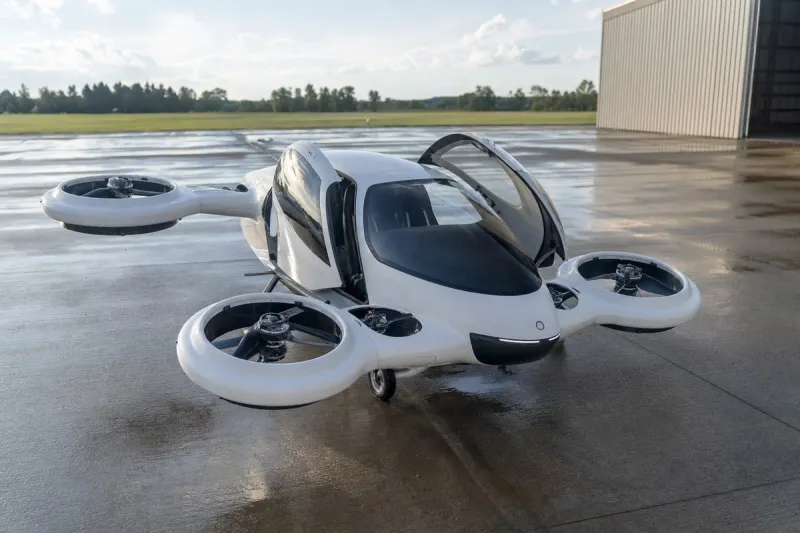
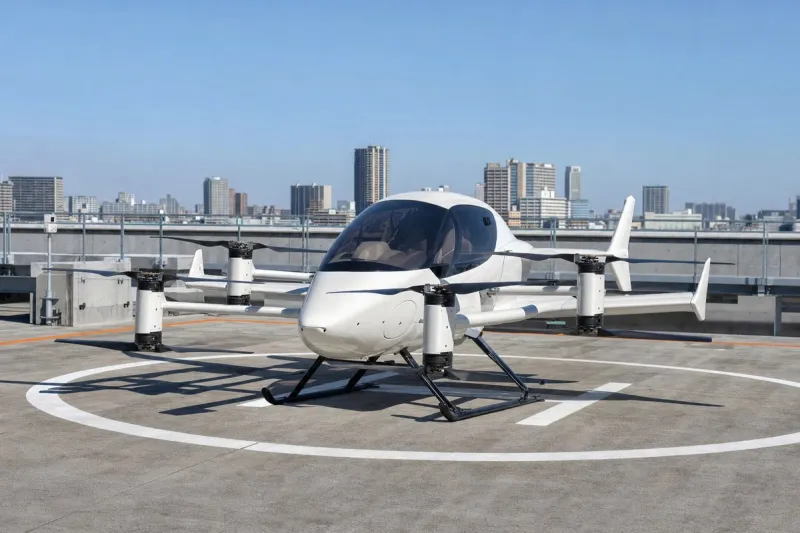
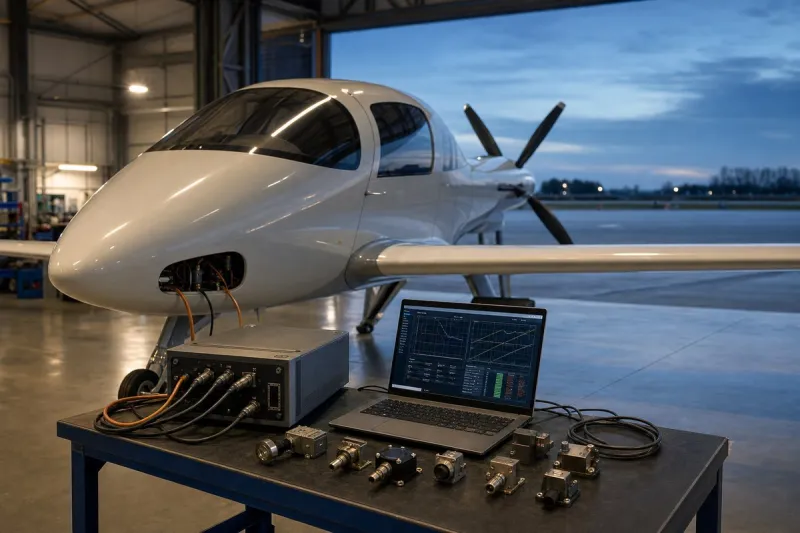
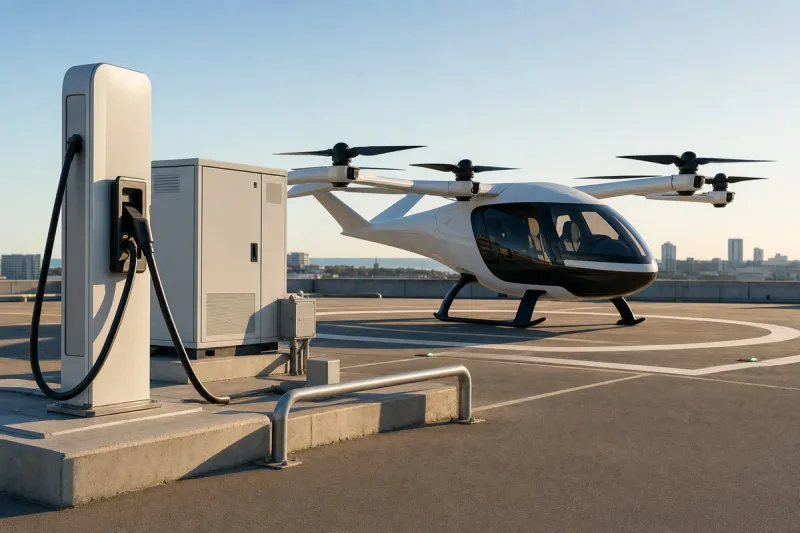
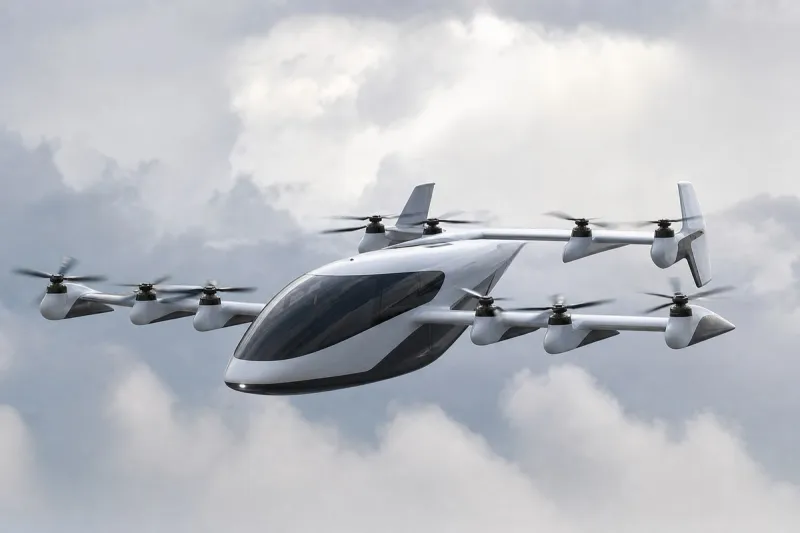
A market and technology assessment of the eVTOL and advanced air mobility sector has been published, covering the period 2027–2037 as the industry moves from certification toward early commercial operation. The report examines aircraft architectures, use cases and route economics, total cost of ownership, funding and business models, the supplier base, regulation and certification, and the physical and digital infrastructure needed for scaled operations, alongside enabling technologies including high-density batteries, charging standards, fuel-cell and hybrid powertrains, electric motors and distributed propulsion, composite materials, and autonomy, avionics and software systems.

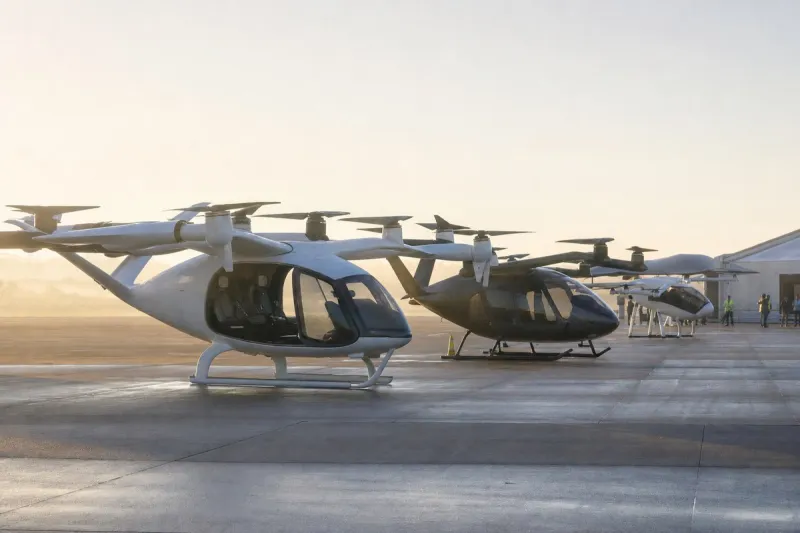
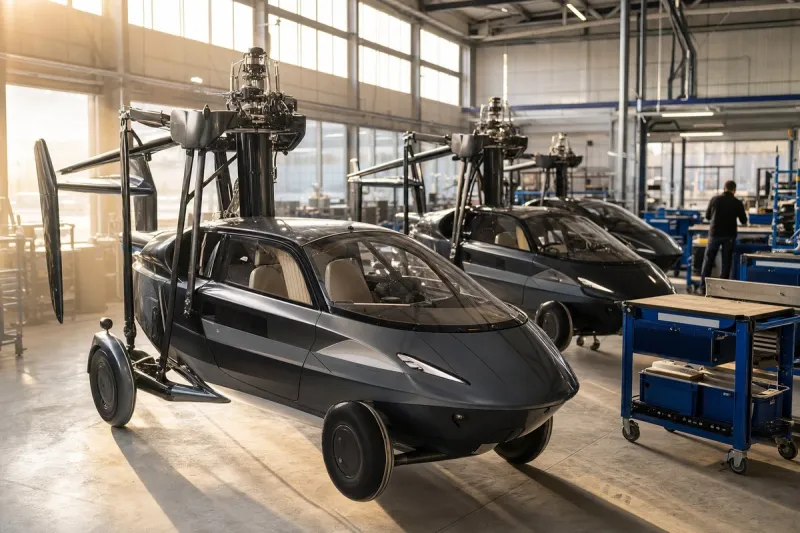
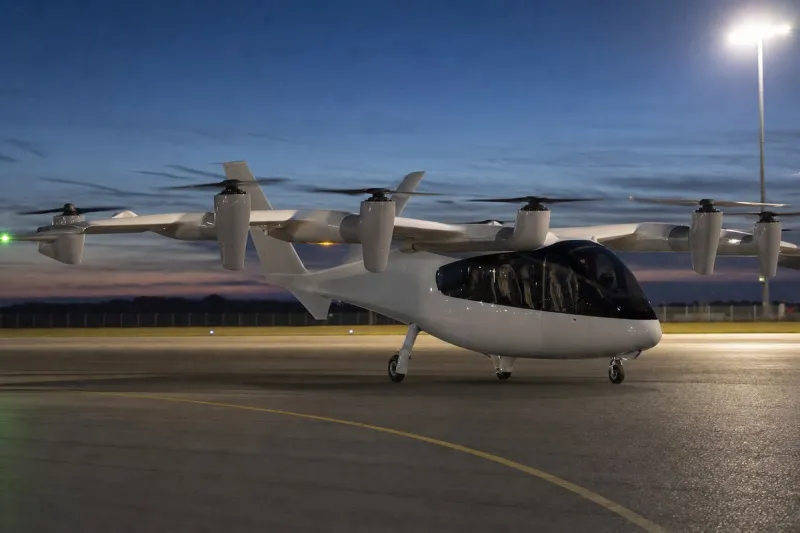
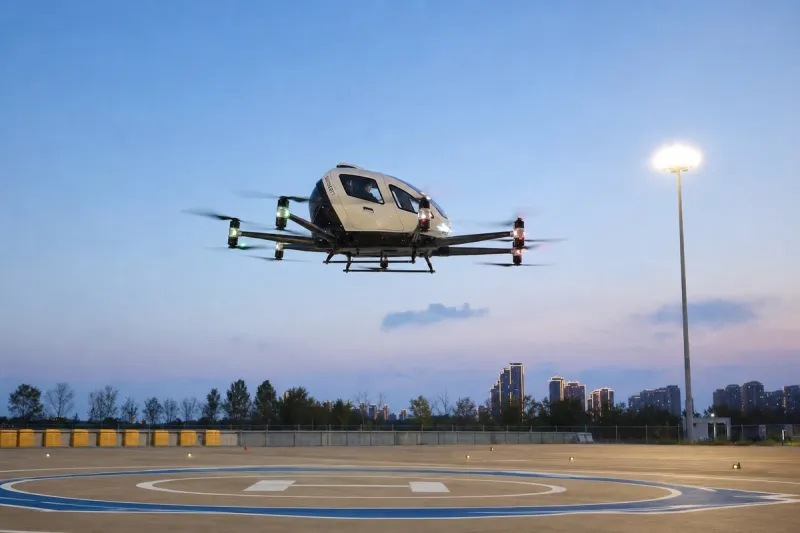
The sector covered spans urban air taxis, intercity and regional connections, cargo and logistics, and medical and emergency services, with early deployments converging on short, fair-weather shuttle missions that replace or augment helicopter and premium ground transport. Government support is described as a decisive factor: Japan's recently approved national growth strategy designates eVTOLs a key technology within strategic aviation and space fields, backed by coordinated public investment in research, demonstration facilities and supply-chain development, with emphasis on certification expertise and international standardisation. China has embedded low-altitude economic development in revised civil-aviation legislation and streamlined airspace access, while the United States is advancing integration pilot programmes and powered-lift rules.
The report states that the sector has consolidated around a smaller group of well-capitalised developers whose aircraft are progressing through type certification, and it is intended for OEMs, suppliers, investors, operators, infrastructure developers, utilities, regulators and policymakers.
Industry impact & what to watch
This assessment fits a broader shift in advanced air mobility from a technology story to an implementation story: the open questions now concern route economics, total cost of ownership and infrastructure buildout rather than whether the aircraft can fly. Consolidation around a smaller group of well-capitalised developers progressing through type certification is a normal pattern for a capital-intensive, safety-regulated aircraft segment, where funding runway and certification progress increasingly separate credible programs from the rest of the field.
How fast networks scale beyond short, fair-weather shuttle missions will depend on cost declines and autonomy maturing, both of which the report treats as gating factors rather than settled facts. Government action looks set to shape which markets move first: Japan's coordinated investment in demonstration facilities and standardisation, China's streamlined airspace access under revised civil-aviation legislation, and the United States' integration pilot programmes and powered-lift rulemaking each represent a different path toward commercial deployment.
Whoever certifies aircraft and secures vertiport and airspace access earliest in these jurisdictions will set the pace the rest of the industry has to match.