Bombardier Highlights U.S. Workforce, Supply Chain and Planned Fort Wayne Facility Expansion
Why It MattersThe disclosure shows how business-jet OEMs increasingly frame domestic supply-chain spending and facility investment as leverage in policy and trade discussions tied to manufacturing and defense priorities.
What happened
Bombardier issued a statement detailing its footprint in the American aerospace sector, saying its operations support tens of thousands of U.S. jobs and draw on a supply chain of approximately 2,800 American companies spread across 47 states. The company said it spends more than $2.5 billion annually with U.S. suppliers.
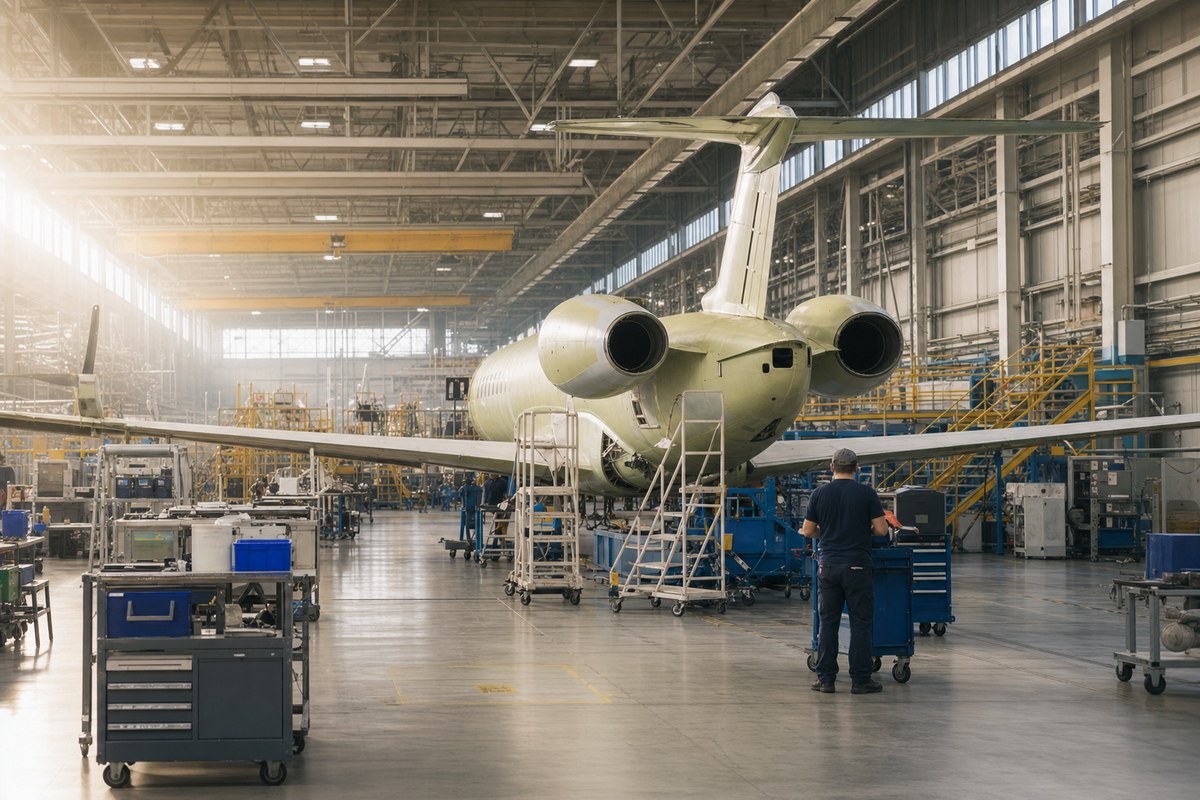
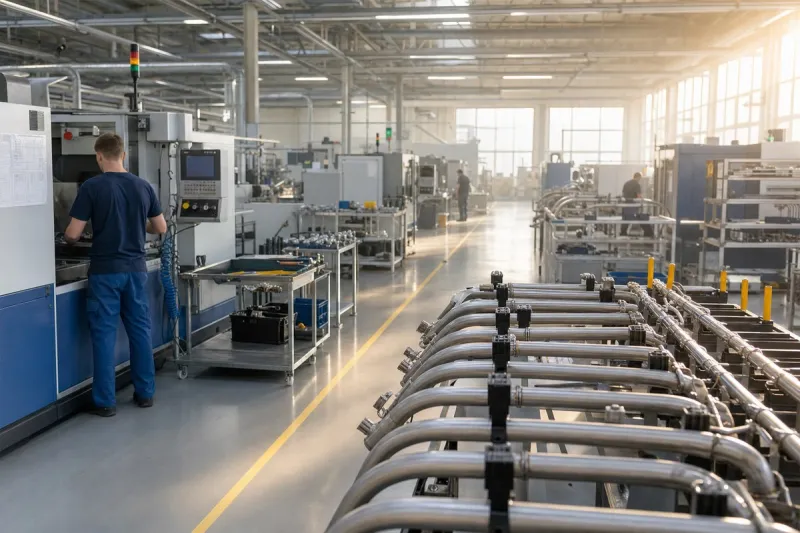
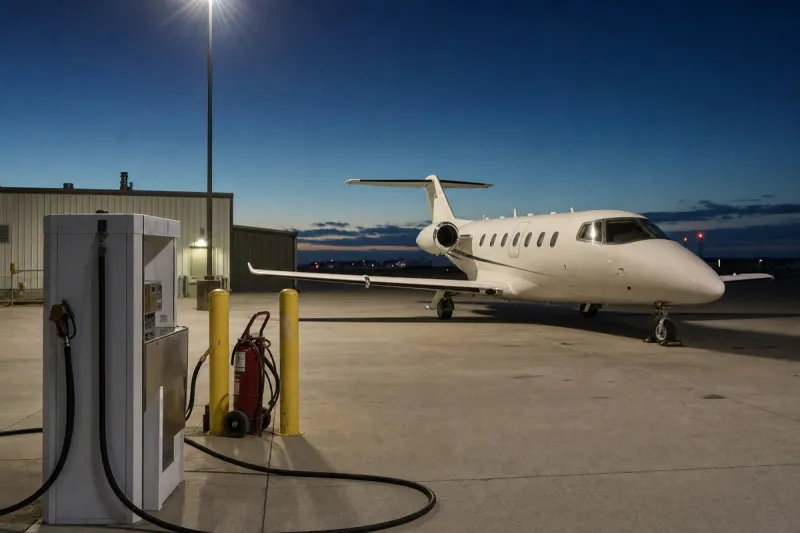
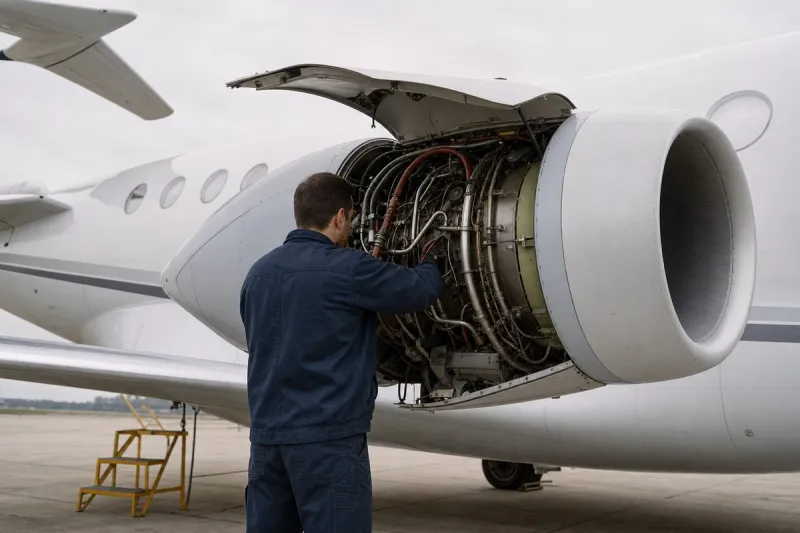
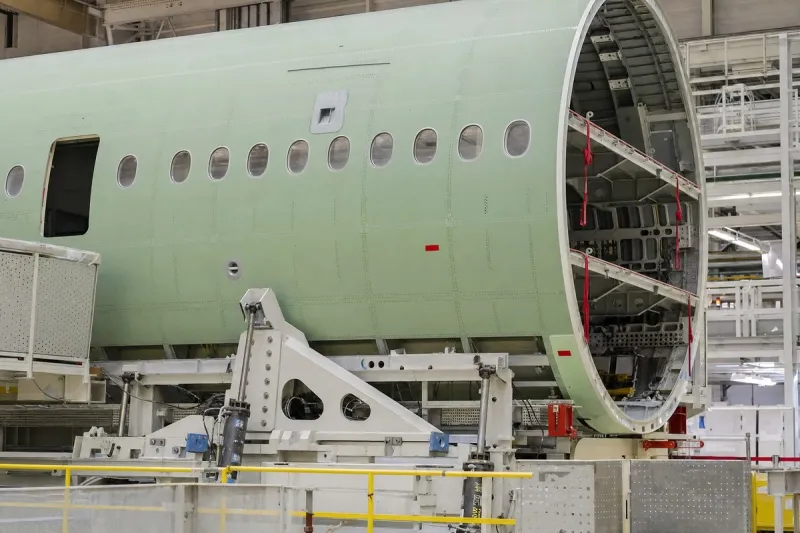
The manufacturer said it maintains facilities and direct employment in more than 20 U.S. states, naming operational sites in Kansas, Texas, Arizona, Florida, Connecticut, Illinois, Delaware, California, Washington D.C. and New Jersey. Bombardier traces its U.S. heritage to Learjet's origins in Wichita, Kansas. Among its American manufacturing operations, the company produces wings for what it describes as the world's fastest business jet at its Red Oak, Texas facility, while flight control components are manufactured at a facility in the Los Angeles, California area.
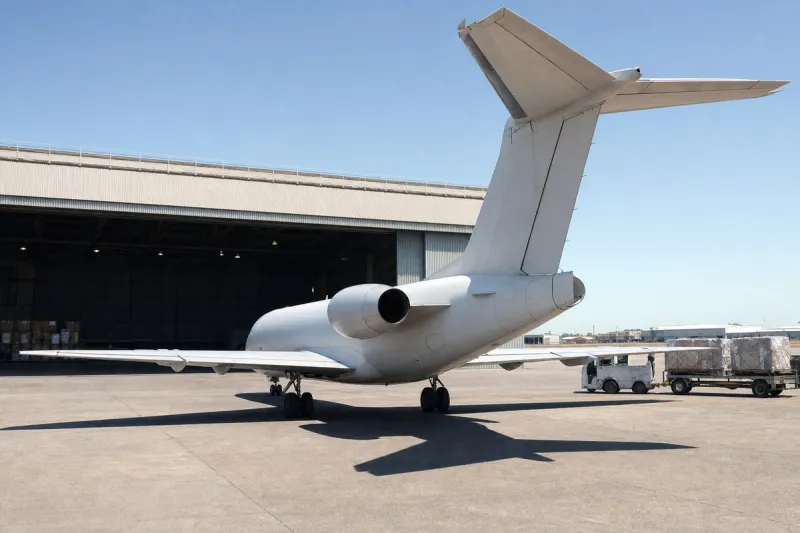
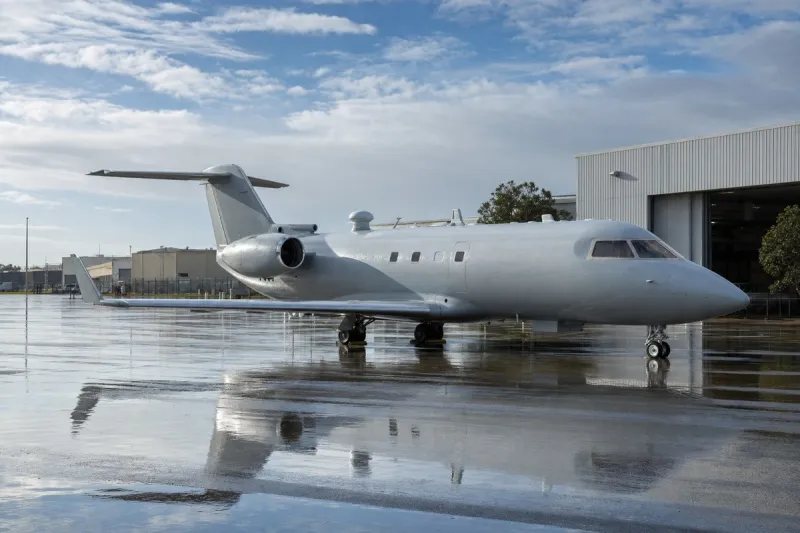
Bombardier also announced plans to inaugurate a new facility in Fort Wayne, Indiana later in 2026, as part of a broader expansion of its defense activities and service network. The company said its global customer fleet numbers more than 5,200 aircraft, supported by 10 service centres across six countries, and that it manufactures aircraft at aerostructure, assembly and completion facilities in Canada, the United States and Mexico.
Industry impact & what to watch
Statements of this kind belong to a familiar category in aerospace manufacturing: a company laying out its domestic economic footprint in granular terms — supplier counts, state tallies, spending figures — at a moment when trade and industrial policy carry weight for cross-border manufacturers. Bombardier assembles aircraft across Canada, the United States and Mexico, which makes a detailed U.S. supplier and jobs tally a natural way to frame its relevance to American policymakers and customers alike.
The business-jet segment depends on long, multi-country supply chains for structures, systems and completions, so a manufacturer's ability to point to thousands of domestic suppliers and billions in annual spending functions as evidence of embeddedness in a given market, distinct from where final assembly happens. The planned Fort Wayne, Indiana facility, tied to defense and service-network expansion, signals where Bombardier expects growth in demand to concentrate next.
What remains to be seen is the scale and timing of the Fort Wayne opening once it proceeds later in 2026, and whether the defense-activity expansion it supports translates into additional named contracts or facility announcements.