Airbus 12-A350s-Per-Month Target for 2028 Faces Serious Risk as Kinston Facility Disrupts Supply
Why It MattersThe case shows how a single upstream composite-structures supplier can throttle final-assembly output regardless of overall airframer capacity, making ramp-up timelines dependent on the least reliable node in the supply chain.
What happened
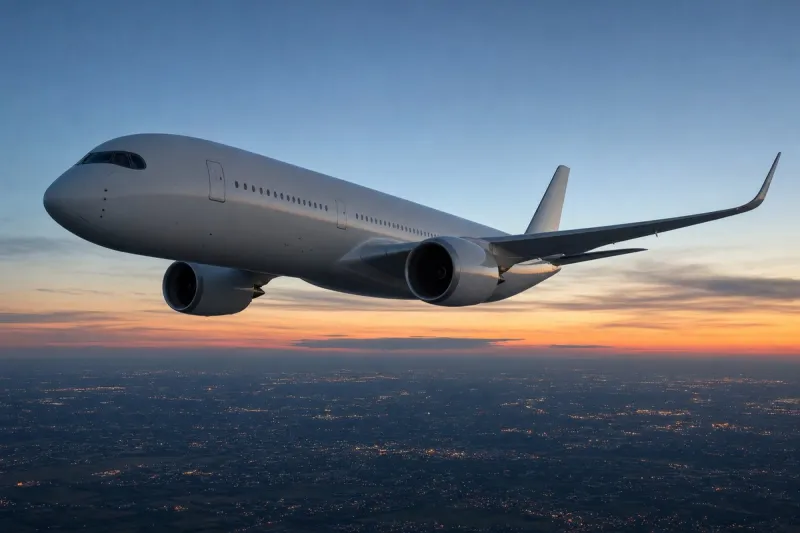
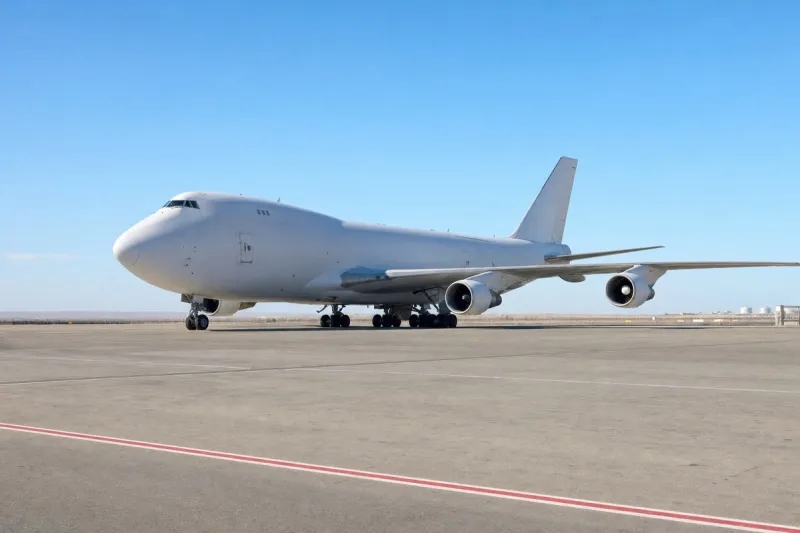
Airbus has reaffirmed its goal of producing 12 A350 aircraft per month by 2028, even as production difficulties at a key supplier facility in Kinston, North Carolina, raise doubts about whether the target can be met. The company delivered 26 A350s in the first half of 2026, averaging fewer than five per month, and has told some customers to expect additional A350 delivery delays later this decade.
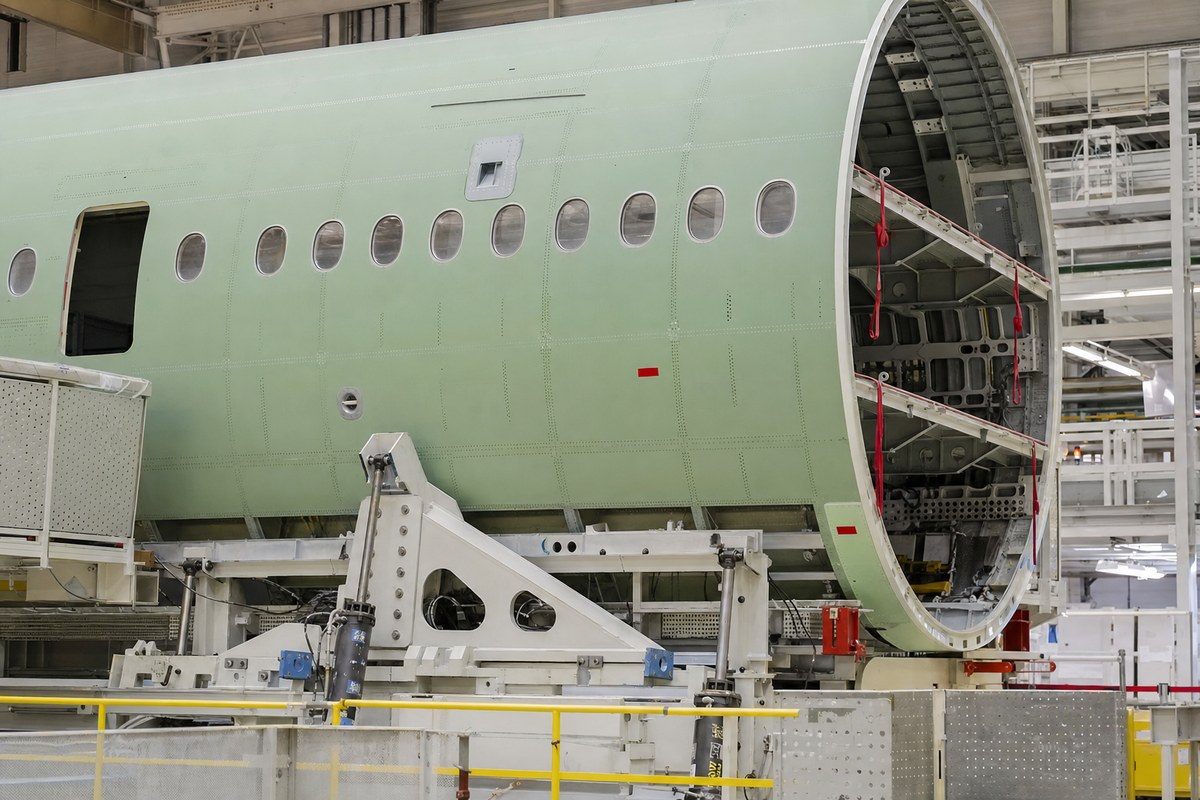
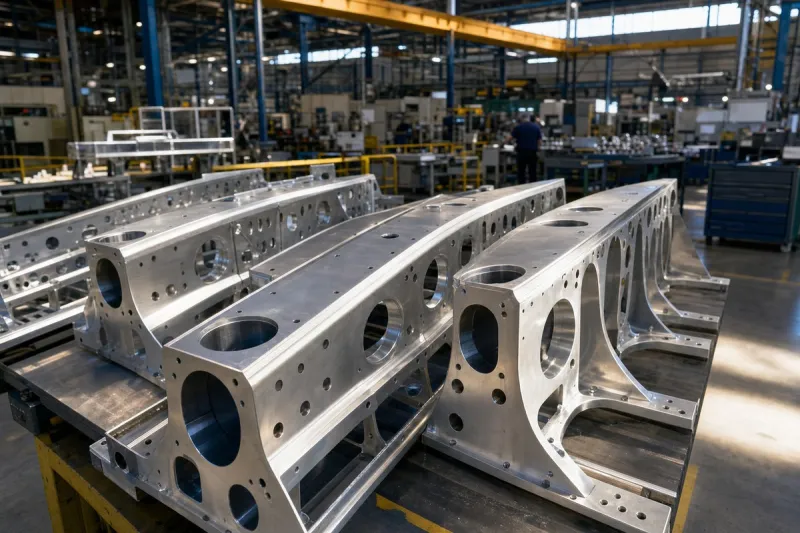
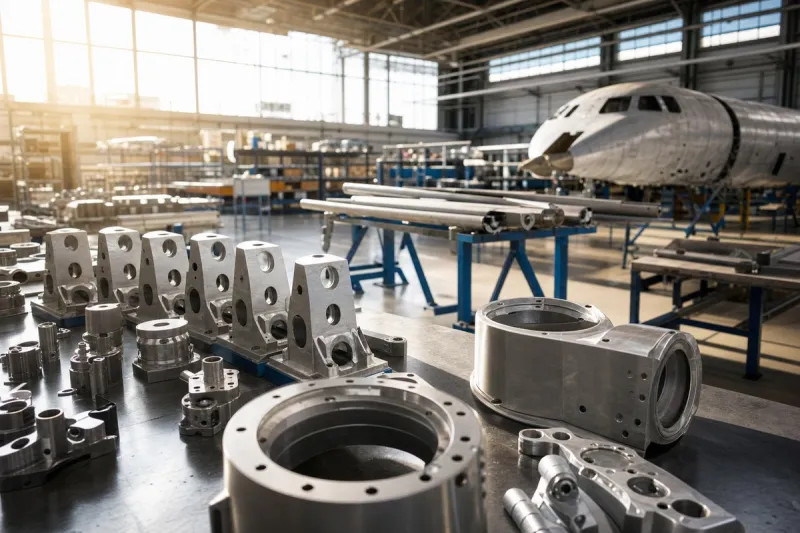
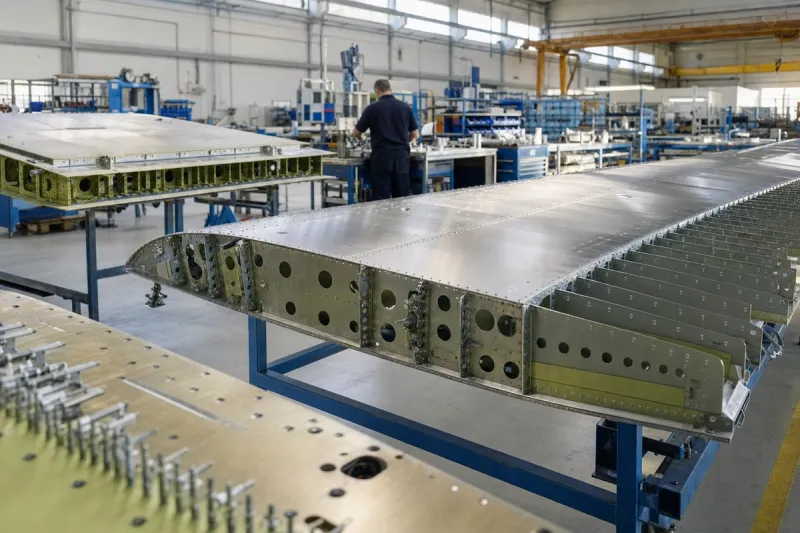
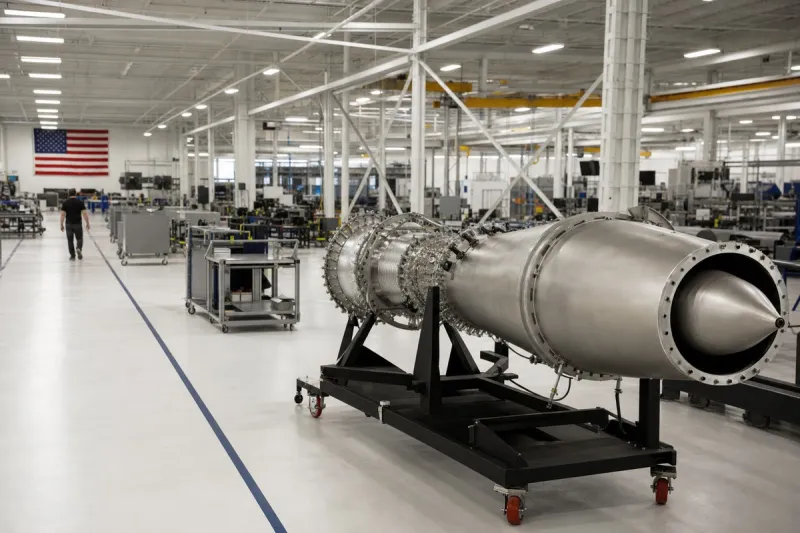
Industry sources attribute the problems primarily to difficulties at Airbus Aerosystems Kinston, a 500,000-square-foot facility employing approximately 1,000 people that supplies composite fuselage panels and wing spar structures for the A350. Airbus took over the Kinston site from Spirit AeroSystems in December 2025, part of a transaction announced in April 2025 under which Airbus was due to receive $439 million from Spirit, subject to adjustments. Airbus recorded a €188 million ($208 million) adjustment in its 2025 financial results tied to acquiring and integrating certain Spirit AeroSystems work packages, and staffing difficulties during the transition were identified, with some former Spirit employees returning to Boeing-associated operations after Spirit's commercial aircraft business was divided between the two manufacturers.
The Kinston facility's output is shipped to France for final assembly integration and must arrive in the correct condition and sequence for aircraft to progress through assembly. At Airbus's 2026 annual results presentation, Chief Executive Guillaume Faury confirmed the company still targets 12 A350s per month in 2028, acknowledged a steep ramp-up was underway, and said the company was studying potential further production increases beyond that rate. The 12-per-month target covers both passenger A350 variants and the A350F freighter; Airbus said in May 2026 that the A350F's first flight, expected later in 2026, and first delivery, planned for 2027, remained on track despite separate disruptions affecting Airbus-manufactured cargo doors at its facility in Spain.
Industry impact & what to watch
This case illustrates how ramp-up targets for wide-body programs depend on the weakest link in a dispersed industrial network, not just on the airframer's own assembly capacity. Composite fuselage panels and wing spar structures made at Kinston have to arrive in the right condition and sequence in France, so a bottleneck at one supplier site can stall final assembly even when Airbus itself has room to build faster.
The broader pattern is that recently absorbed supplier operations carry integration risk long after a transaction closes. The €188 million adjustment tied to acquiring and integrating the Spirit AeroSystems work packages, combined with staffing losses to Boeing-associated operations, shows that ownership change alone does not resolve throughput problems; workforce continuity and process stability at the acquired site matter as much as who holds the title.
What happens between now and 2028 will hinge on whether Kinston's output becomes progressively more reliable rather than staying a recurring constraint. Analysts note that Airbus needs the industrial network to stabilize well before the target date, since time spent resolving current bottlenecks is time not spent building toward the higher rate. Faury's confirmation of the 12-per-month goal, alongside his acknowledgment of a steep ramp-up, suggests the company's own internal signal to watch will be whether future delivery updates show Kinston-related delays narrowing or persisting.