The ePlane Company Unveils e200X eVTOL Aircraft at New Chennai Facility
Why It MattersAdvance orders well ahead of certified flight trials show eVTOL programs increasingly building commercial backlogs during prototype and testing phases rather than after certification.
What happened
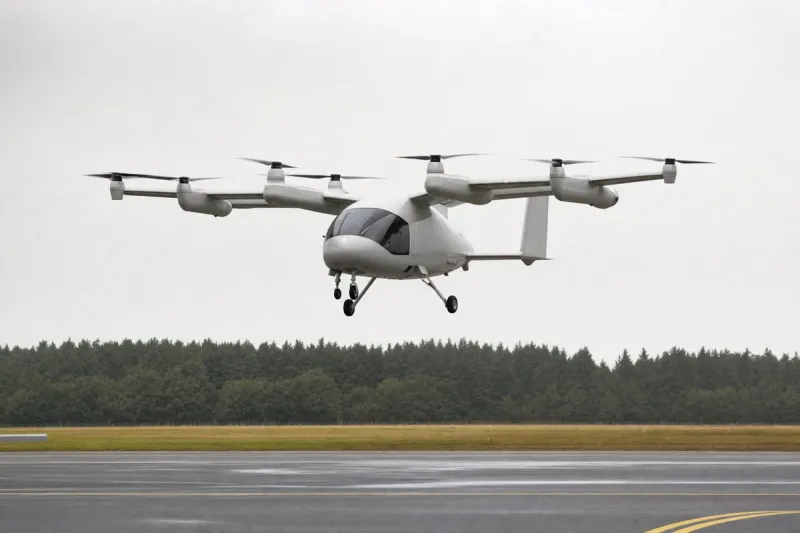
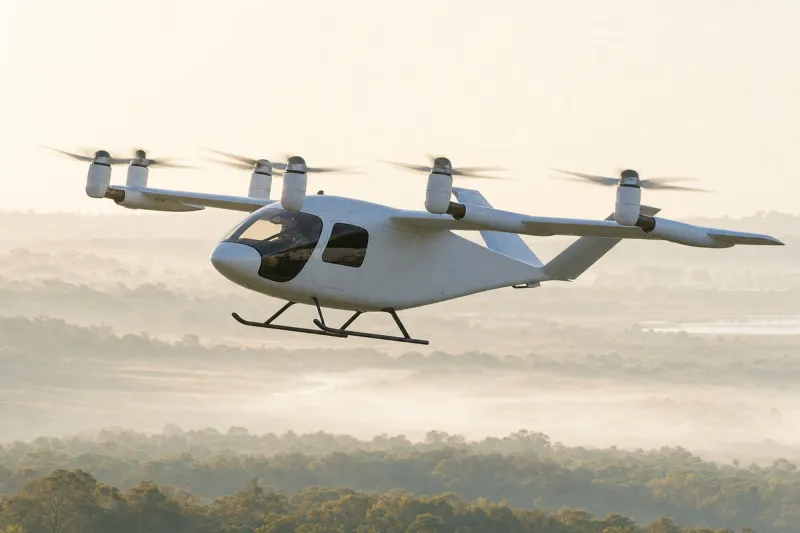
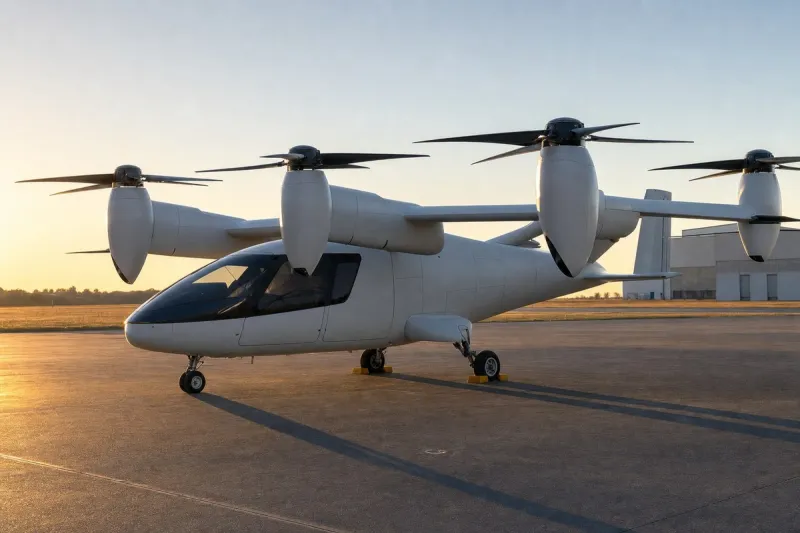
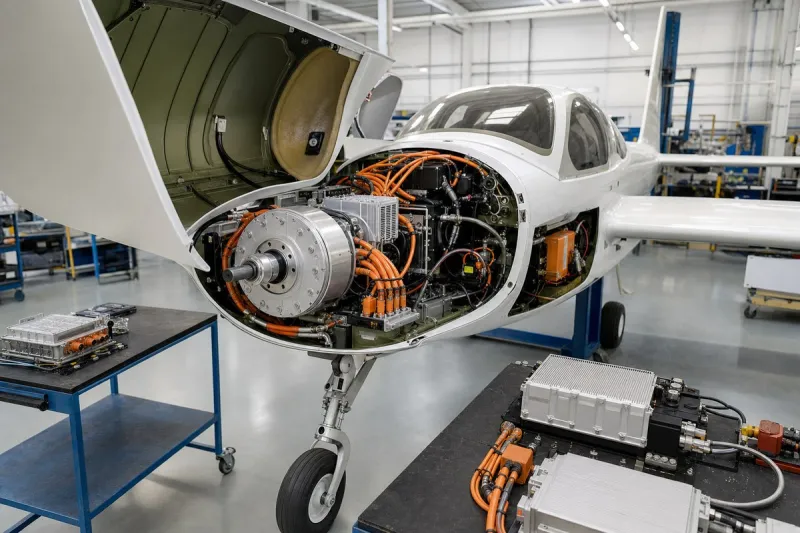
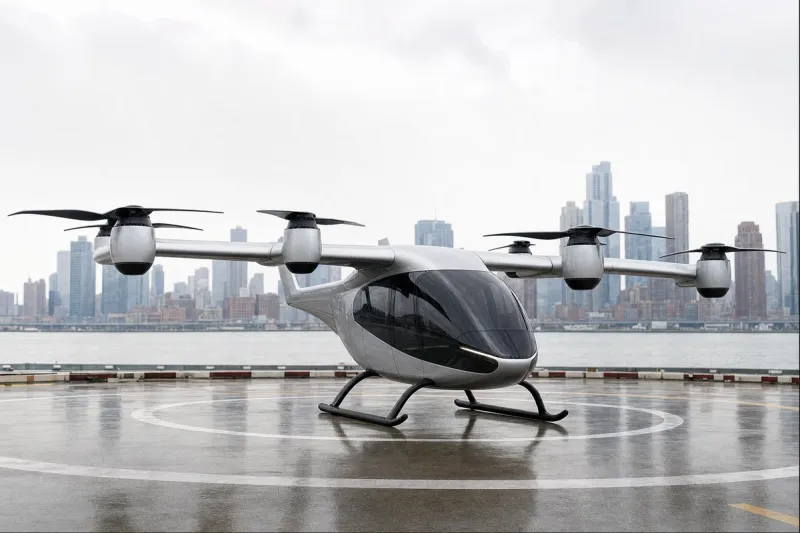
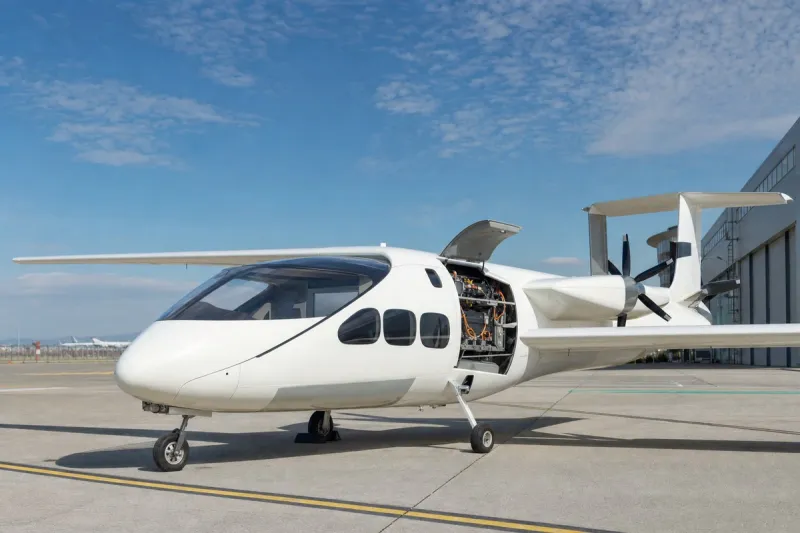
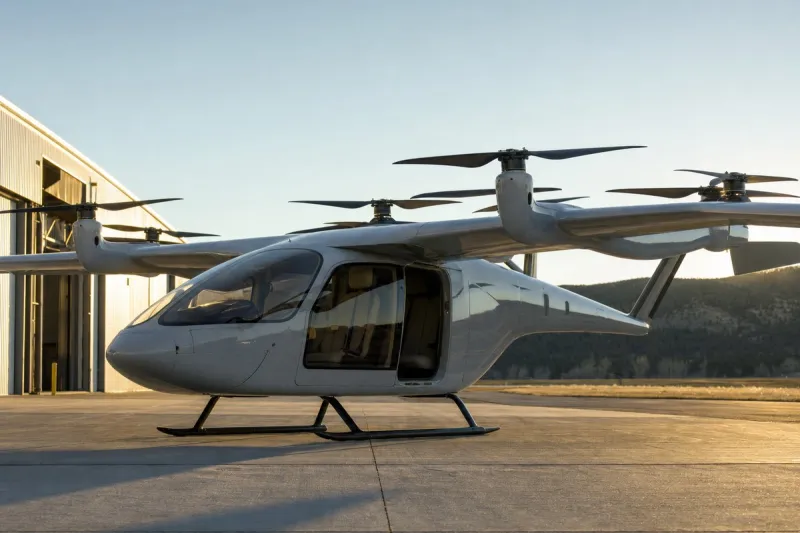
The ePlane Company unveiled the e200X (PT-01), its first full-scale electric vertical take-off and landing aircraft, at a new 60,000 sq ft production facility in Chennai, India. The unveiling followed five years of research and development and more than 10,000 kilometres of test flights, with the aircraft developed at IIT Madras' Discovery Campus.
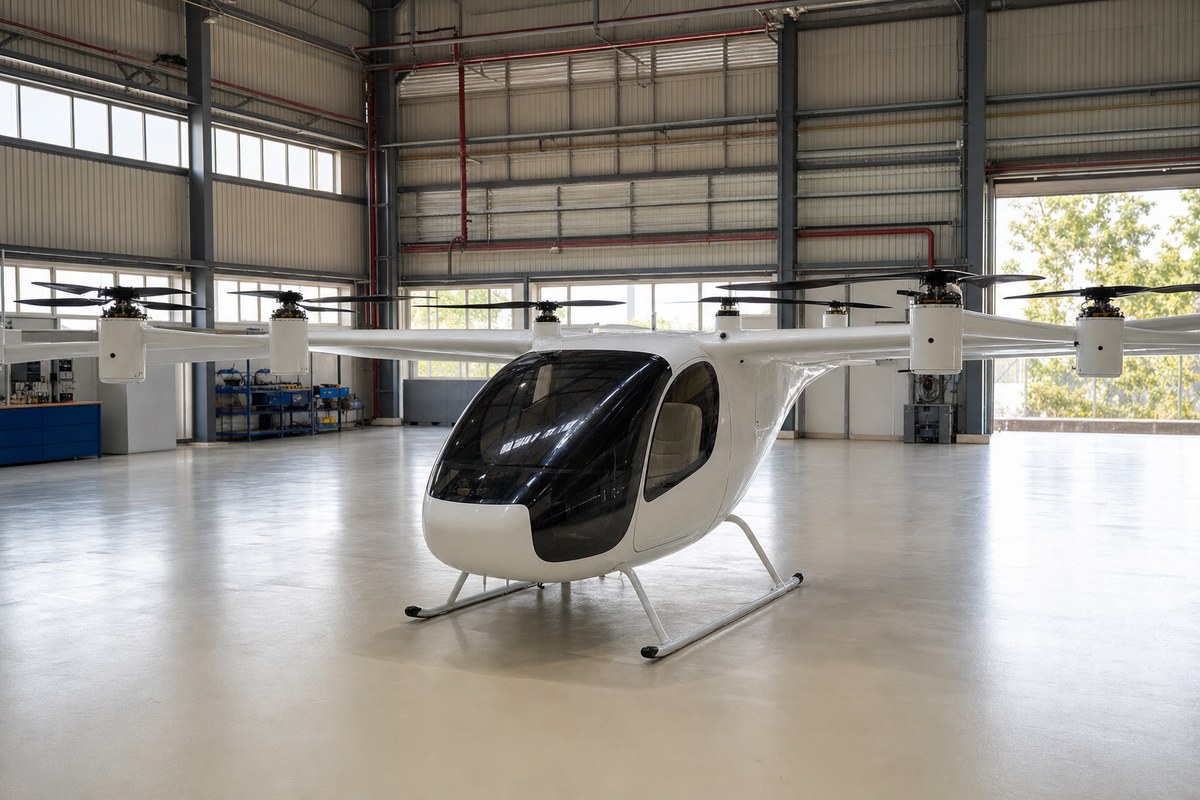
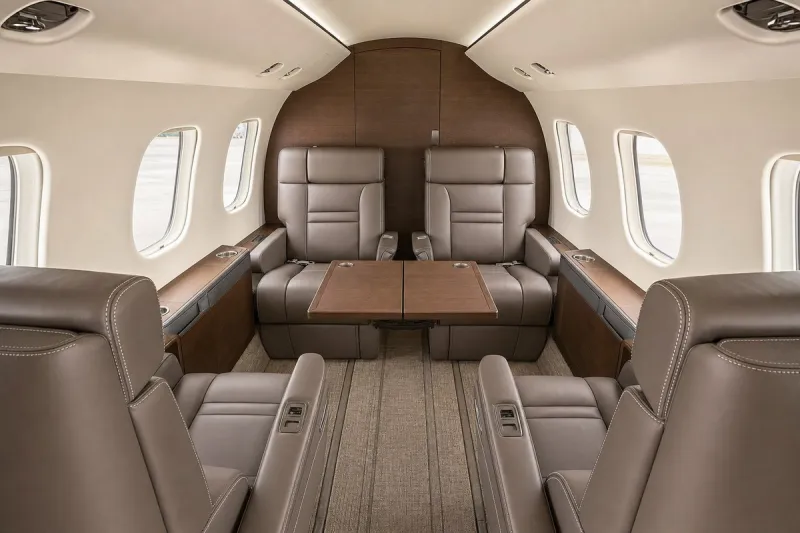
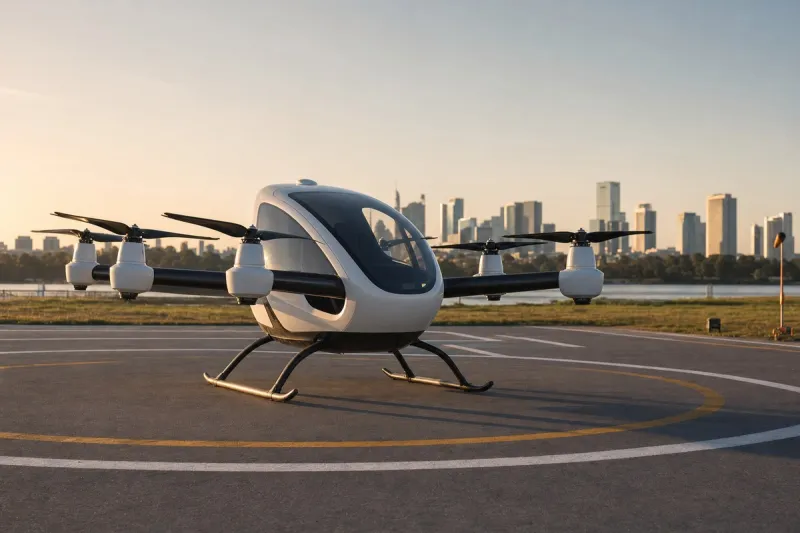
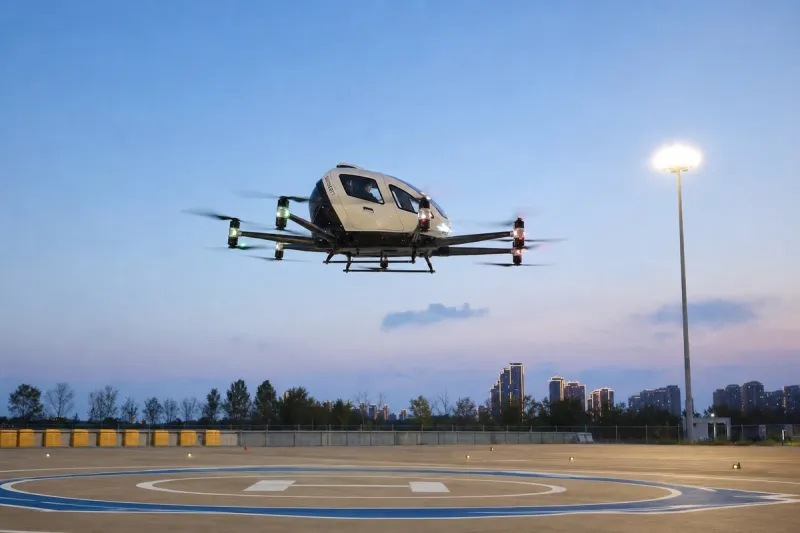
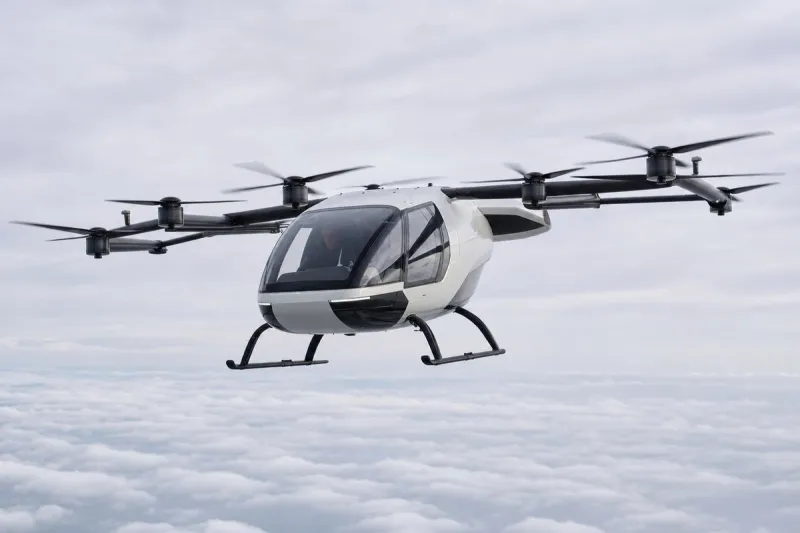
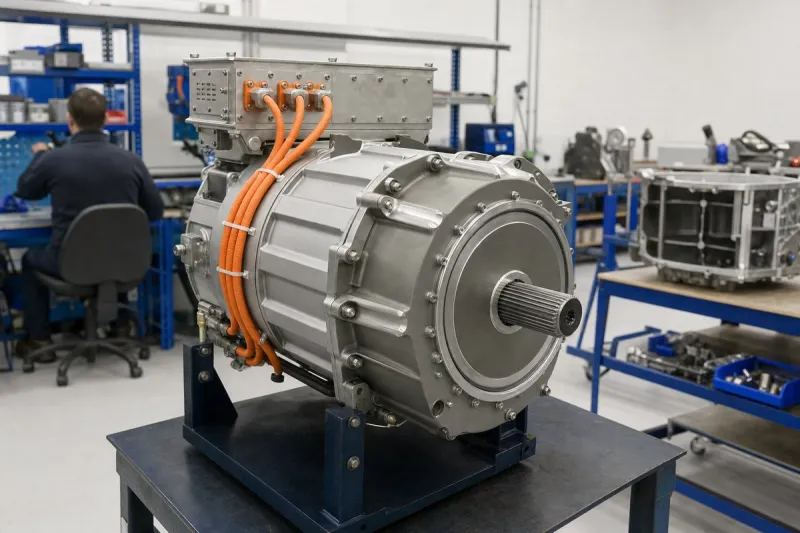
The e200X has a compact footprint of 8 metres by 11 metres, allowing operation from existing infrastructure such as helipads and open spaces; the company said rooftop operations may be supported in future, subject to regulatory approval and infrastructure readiness. Built with a carbon-fibre composite airframe, the aircraft has a maximum gross weight of 2.2 tonnes, is powered by an 800-volt electric propulsion system, and offers a flight range of 110 kilometres. It can carry one pilot and two passengers, or up to 200 kg of cargo, positioning it for passenger transport, emergency medical services, and logistics.
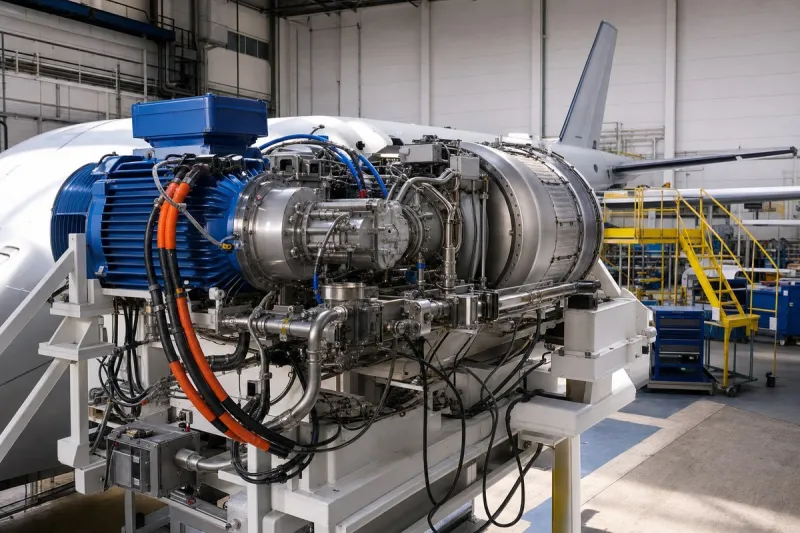
The aircraft uses the company's patented Synergistic Lift wing architecture, combining separate propulsion systems for vertical lift and forward flight to reduce mechanical complexity and improve redundancy. Onboard computing runs on NVIDIA IGX Thor, navigation and situational awareness systems come from HENSOLDT, and battery management software plus predictive fleet analytics were developed with Tata Consultancy Services. Prof. Satya Chakravarthy, Founder and Technical Lead of The ePlane Company, said the prototype incorporates lessons from the company's earlier flight demonstrators. The e200X has secured commitments for more than 800 aircraft, with a significant portion designated for emergency medical transport, and certified flight trials are expected to begin in mid-2027 following ground testing.
Industry impact & what to watch
The e200X's unveiling fits a broader phase eVTOL programs are entering: moving from flight demonstrators to full-scale prototypes housed in dedicated production facilities, a step that signals a company is preparing for series manufacturing rather than continued one-off testing. Securing more than 800 aircraft commitments before certified flight trials begin shows how this segment is structuring demand early, with emergency medical services emerging as an anchor use case that can justify commitments ahead of type certification.
The reliance on outside suppliers for compute (NVIDIA), navigation (HENSOLDT), and fleet software (TCS) also reflects how eVTOL manufacturers are assembling capability through partnerships rather than building every system in-house, spreading both cost and certification risk across specialist firms.
The next milestone that will test these commitments is the move from ground testing to certified flight trials in mid-2027; how that trial program performs, and whether regulators clear the compact footprint for helipad and eventual rooftop use, will determine how many of the 800-plus aircraft commitments convert into firm deliveries.