Airbus and MTU Plan Joint Venture to Develop Hydrogen Fuel Cell Engines, Operations to Begin in 2027
Why It MattersA joint venture between two major European aerospace players signals accelerating investment in zero-emission propulsion, though hydrogen infrastructure and certification hurdles remain industry-wide barriers.
Airbus and MTU have announced plans to establish a joint venture focused on developing and commercializing hydrogen-powered fuel cell engines for aviation, with operations expected to begin in 2027. The partnership is to be formalized following a memorandum of understanding in 2025, after which the joint venture will be officially launched, subject to regulatory approvals and consultations with employee representative bodies.
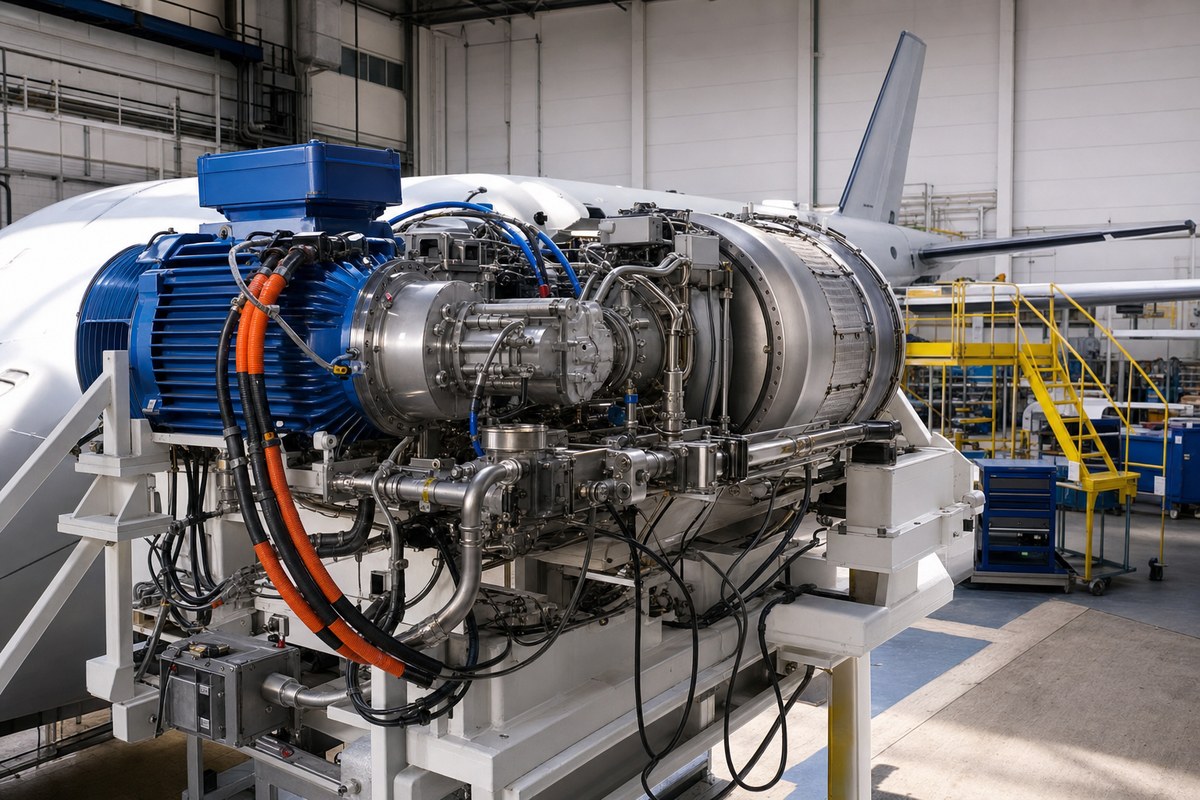
Fuel cell engines generate electricity onboard through a chemical reaction between hydrogen and oxygen, offering a zero-emission alternative to conventional jet engines. The partnership builds on independent work both companies have previously conducted in fuel cell technology, aiming to accelerate development of fuel cell propulsion systems and assert European leadership in advanced aviation technologies.
The path to commercial viability involves significant challenges, including technological innovation and upfront investment, regulatory certification of new propulsion systems, limited hydrogen infrastructure, and questions over economic feasibility. Airline responses to the announcement have been mixed, with some expressing optimism over emissions reduction potential and others citing concerns about financial costs and the need for new airport fueling infrastructure.