IðunnH2 Proposes Domestic eSAF Plant for Iceland to Reduce Jet Fuel Import Dependency
Why It MattersThe proposal shows how ReFuelEU's 2030 blending mandate is pushing peripheral hub airports to secure domestic SAF supply chains rather than depend solely on imported fuel and volatile logistics.
What happened
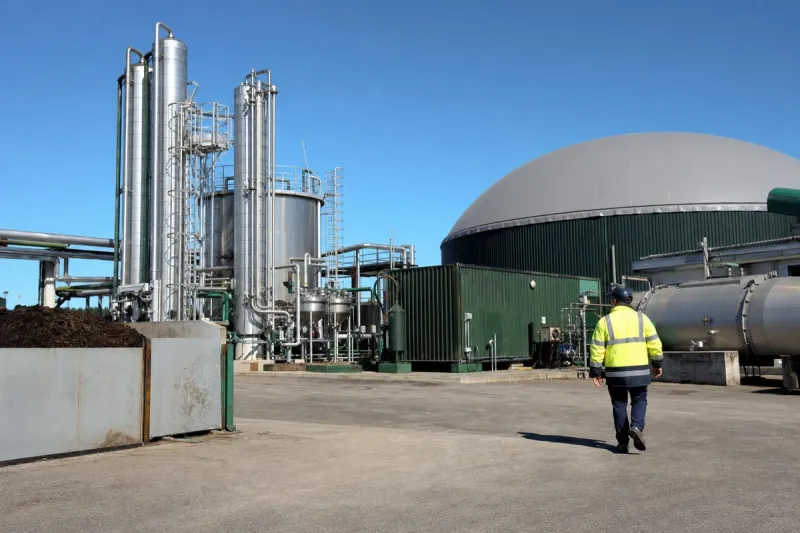
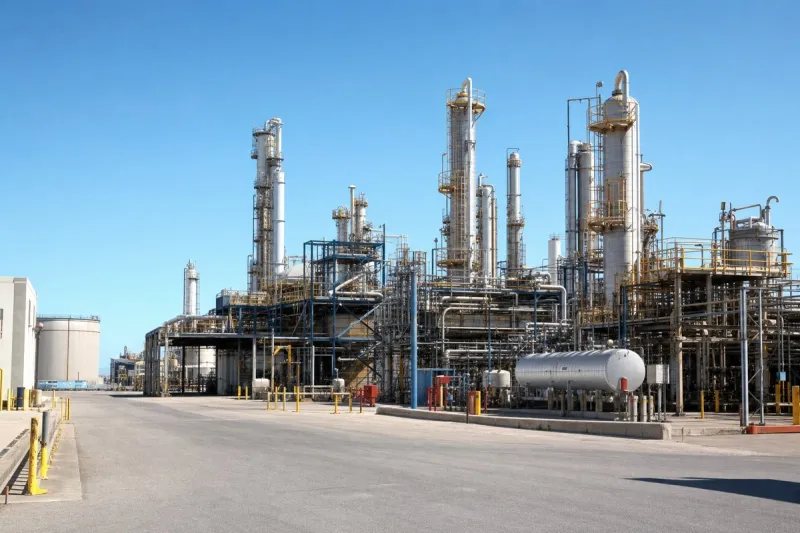
IðunnH2, a privately funded and locally owned project, is proposing to build a 300 MW electrofuel plant in Iceland to produce sustainable aviation fuel from renewable resources. The project has engaged a stakeholder group since 2022 including the municipalities of Suðurnesjabær and Reykjanesbær, Kadeco, Icelandair, Icelandic Tank Storage, and Isavia, and holds signed memoranda of understanding with Icelandic Tank Storage, Kadeco, Suðurnesjabær, Reykjanesbær, and Icelandair.
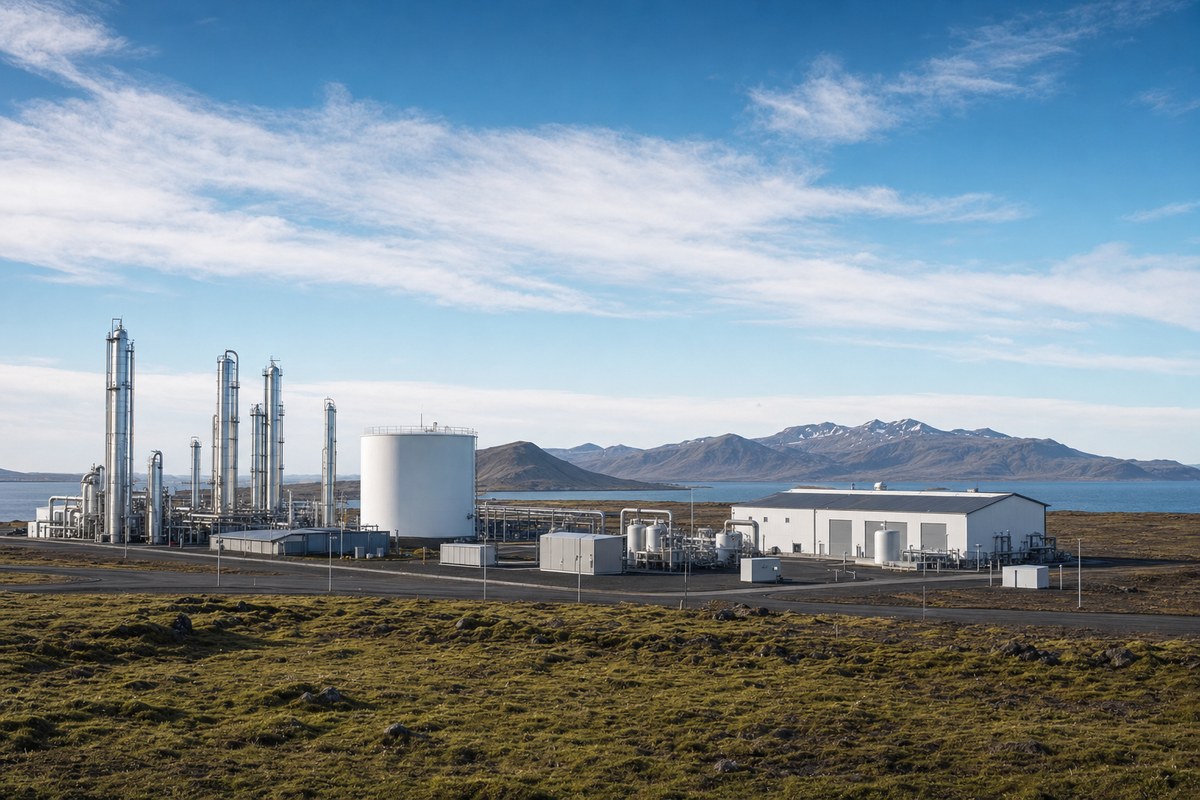
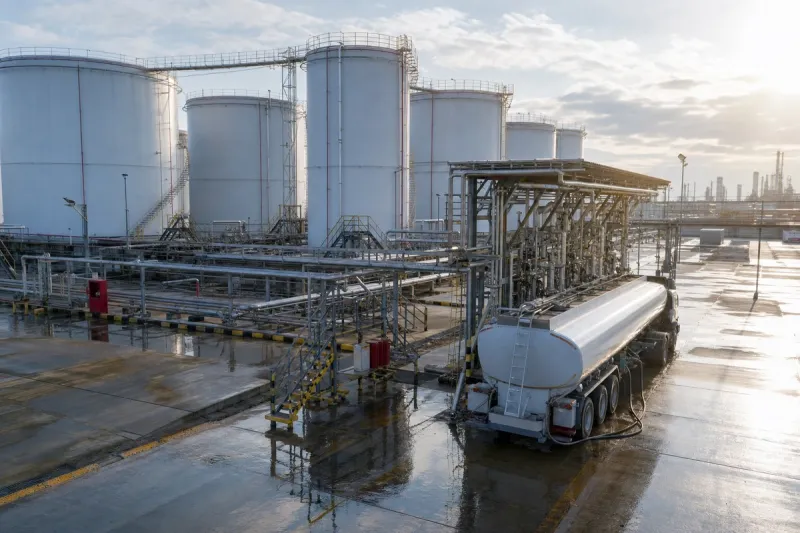
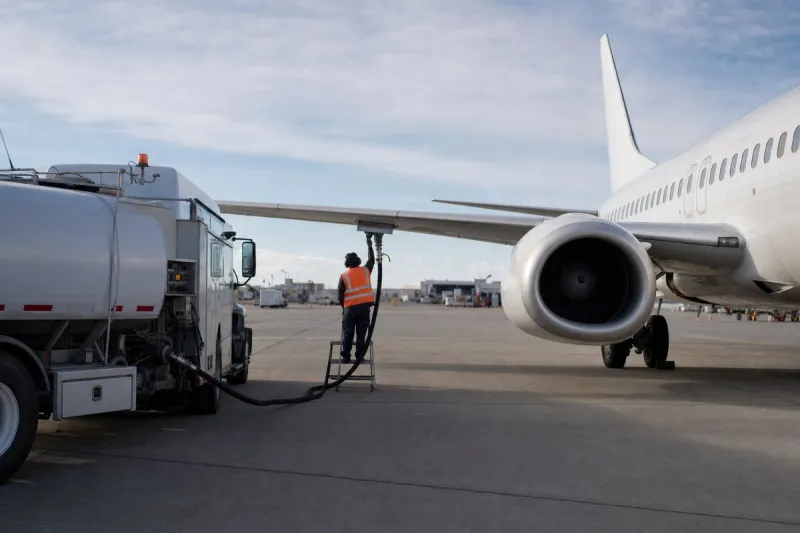
Iceland currently imports all of its aviation fuel, with jet fuel accounting for approximately 4% of the total value of the country's imports in 2025, around ISK 30 billion in a single year. Government analysis has shown jet fuel stocks at times falling below ten days of supply, short of the international 90-day standard, with fuel arriving roughly every three weeks by ship. The proposed plant would sit in Kadeco's Green Industrial Park in Suðurnesjabær, with harbour access extending into Reykjanesbær; Suðurnes accounts for close to half of all fuel sold in Iceland. The facility would direct excess heat into the local district heating system and supply by-product oxygen to nearby businesses.
The plant would purchase newly contracted renewable electricity at full market price, with its 300 MW electrolysis load designed to be curtailed in seconds when grid demand requires, serving as a demand-side reserve for homes, hospitals, and critical infrastructure on Suðurnes. The project's long-term power contracts are intended to enable financing of approximately 100 new wind turbines across two or three sites. When operational, the plant is expected to create approximately 70 permanent positions in operations, engineering, logistics, compliance, and administration. The project estimates annual production of around 70,000 tonnes of synthetic aviation fuel, which it describes as equivalent to approximately one-third of the Royal Air Force's entire annual aviation fuel consumption. One of the project's Icelandic partners, Carbon Recycling International, is described as among the world's oldest and most commercially successful e-methanol technology providers. The project is currently privately funded but will require specialised investors and EU support for construction.
Regulatory and market context
From 2030, EU rules under the ReFuelEU mandate require every major European airport, including Keflavík, to blend a rising share of synthetic aviation fuel. Iceland's EEA membership entitles eligible SAF uplifted at Icelandic airports to reimbursement of 100% of the price difference against fossil kerosene, the highest tier available in the EEA. Synthetic aviation fuel is already cleared for use in NATO military aircraft at approved blend limits, and NATO Deputy Assistant Secretary General for Innovation, Hybrid and Cyber, James Appathurai, stated in July 2024 that SAF will play a key role in the alliance's energy transition efforts while maintaining military capability and interoperability.
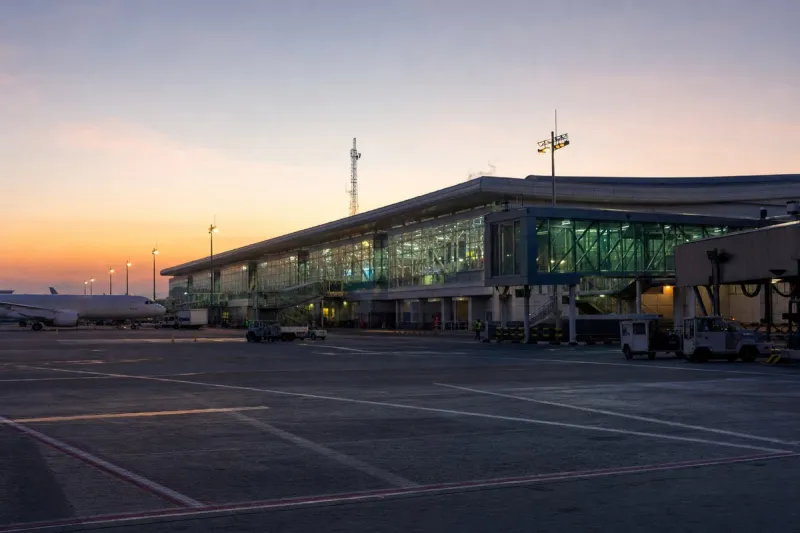
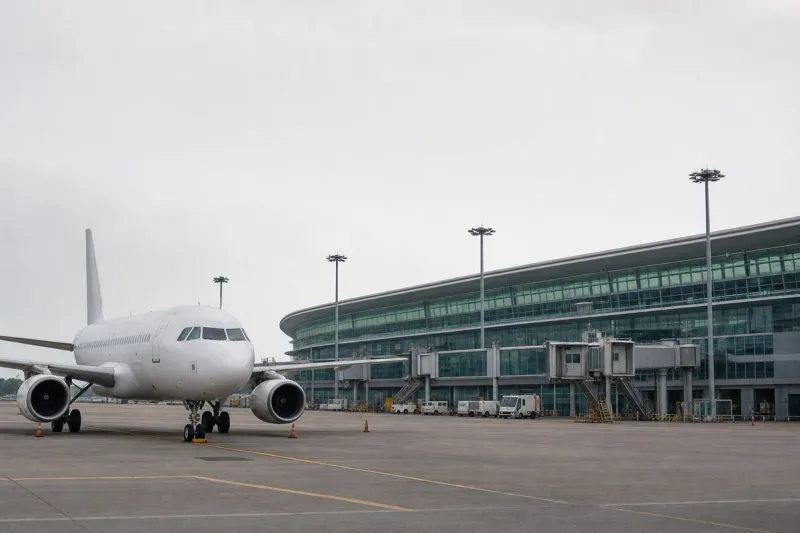
Nearly 98.7% of visitors to Iceland arrive through Keflavík International Airport, and tourism accounted for approximately 8.8% of GDP in 2025. The project argues that a domestic SAF supply would protect Keflavík's competitiveness as a transatlantic hub as European airports face rising SAF blending obligations from 2030.
Industry impact & what to watch
This proposal sits at the intersection of energy security and aviation decarbonisation: a country with no domestic fossil fuel production and thin jet fuel reserves is using an EU regulatory deadline to justify building its own synthetic fuel supply rather than continuing to depend entirely on imports. The approach also ties the electrolysis load into the local grid as a curtailable demand-side reserve, which is a different economic logic from a standalone fuel plant — the wind contracts underpinning the project only pencil out if the load can also serve grid balancing.
How this segment works is shaped by the ReFuelEU mandate itself: airports across Europe, including smaller hubs like Keflavík, face a rising blending requirement from 2030 regardless of whether a domestic producer exists, and Iceland's EEA-linked reimbursement tier changes the economics of who can afford to be an early domestic supplier rather than a fuel importer.
What remains to be settled is whether the specialised investors and EU support the project says it needs materialise, and whether the signed memoranda with Icelandair, Kadeco, Isavia and the two municipalities convert into binding offtake and construction commitments ahead of the 2030 blending deadline.