SAF Use in Private Aviation Grows Fivefold Since 2021, Still Under 0.2% of Jet Fuel Burned
Why It MattersDespite rapid percentage growth, SAF's negligible share of total fuel burn shows the private-aviation decarbonization transition remains constrained by cost and supply rather than technology readiness.
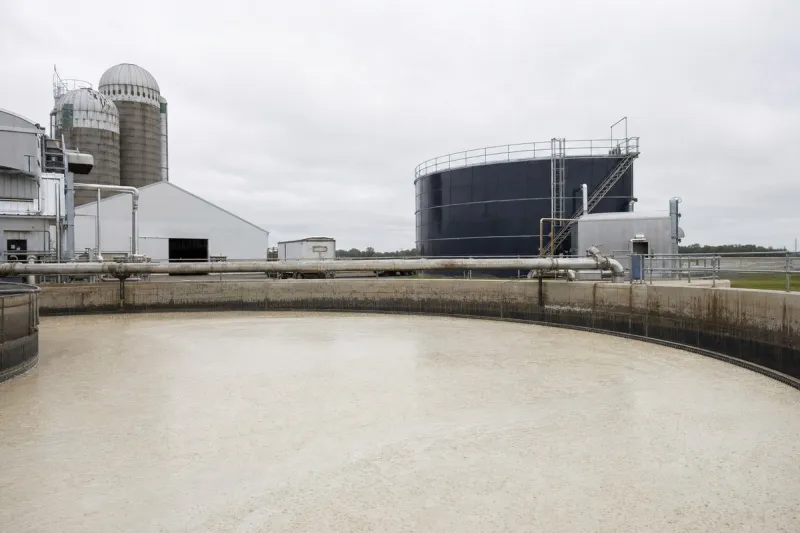
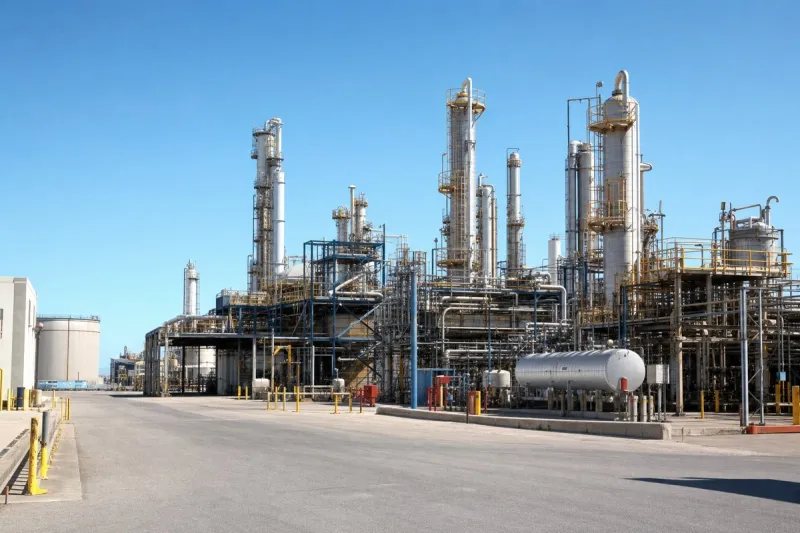
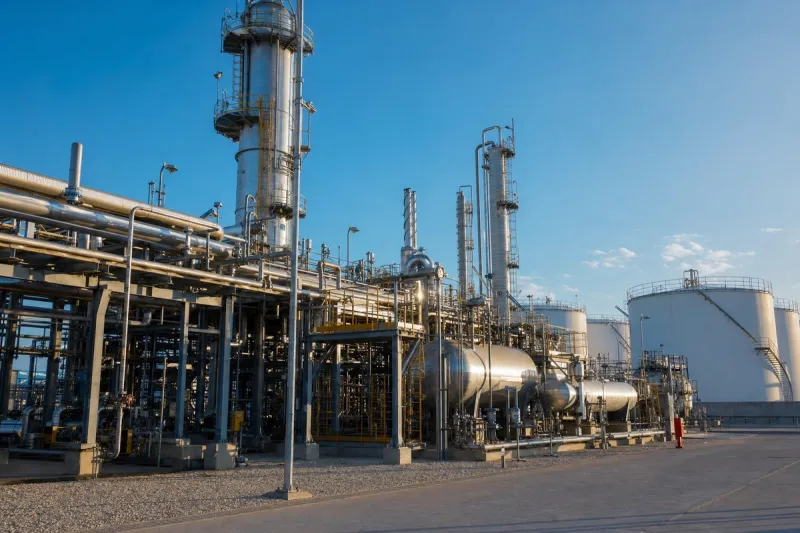
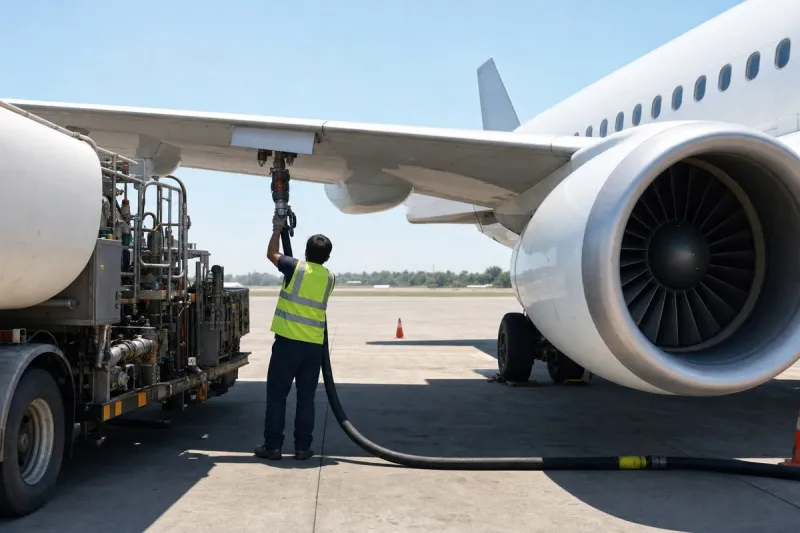
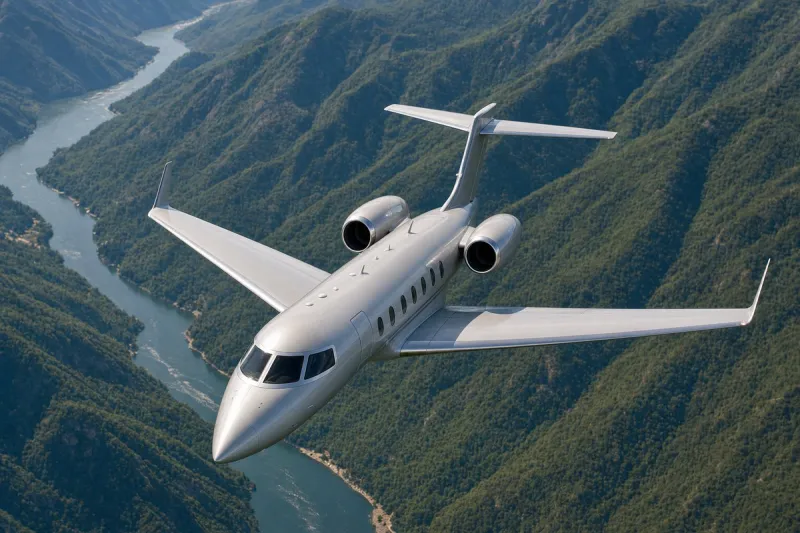
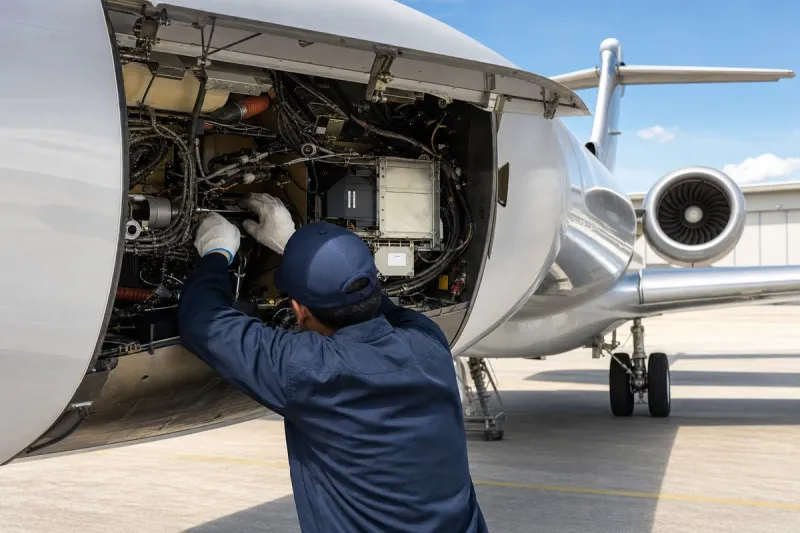
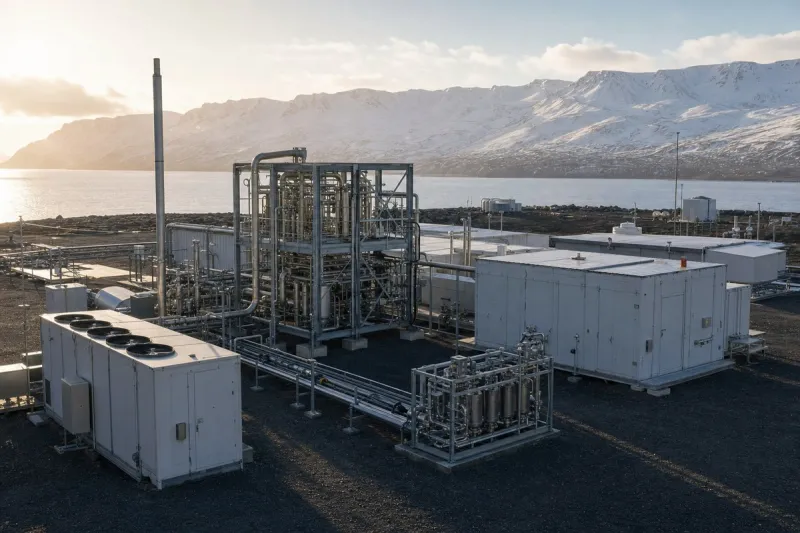
Sustainable aviation fuel (SAF) consumption in the United States climbed to 24.5 million gallons in 2023, up from 5 million gallons in 2021, a nearly fivefold increase, though SAF still accounts for only about 0.1-0.2% of total jet fuel burned in private aviation. SAF is produced from renewable feedstocks such as waste oils, agricultural residues or synthetic processes, and can be blended with conventional Jet-A and used in existing aircraft without hardware modifications. Testing shows it cuts life-cycle CO2 emissions by 70-90% compared with conventional Jet-A, while matching Jet-A in energy density, freeze point, flash point and lubricity, with operators reporting no adverse effects on engine wear or reliability.
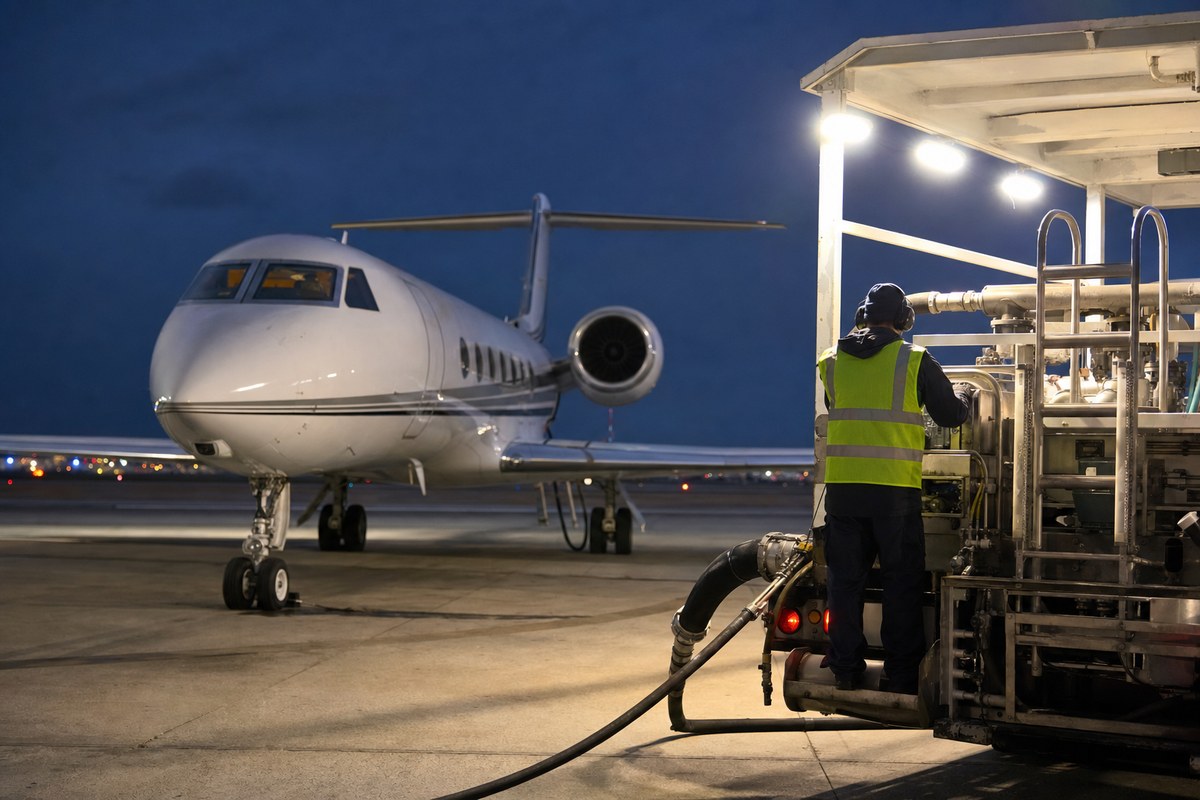
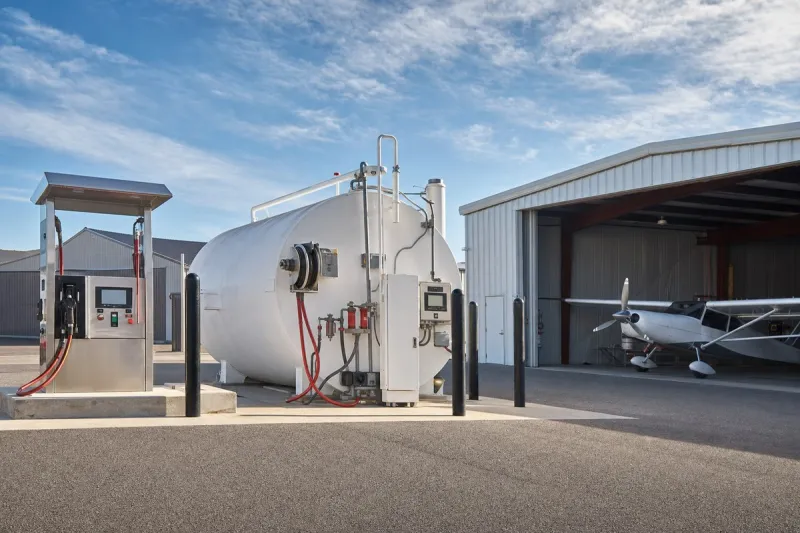
SAF typically costs two to three times more than conventional Jet-A, with limited supply and logistical complexity cited as the primary barriers to wider adoption, alongside regional differences in policy support and regulatory blend limits. Market analysts project SAF-related aviation revenues to grow from about USD 4.9 billion in 2026 to over USD 31 billion by 2031, a compound annual growth rate of 45%, with private-jet SAF demand expected to rise 25-30% per year and reach 5-7% of the sector's total fuel mix by 2030. Industry initiatives aimed at broadening access include a SAF-booking application launched by Victor in 2024 and a Book-and-Claim partnership operated by SkyNRG, both designed to let operators purchase SAF for any itinerary regardless of aircraft type or departure location.