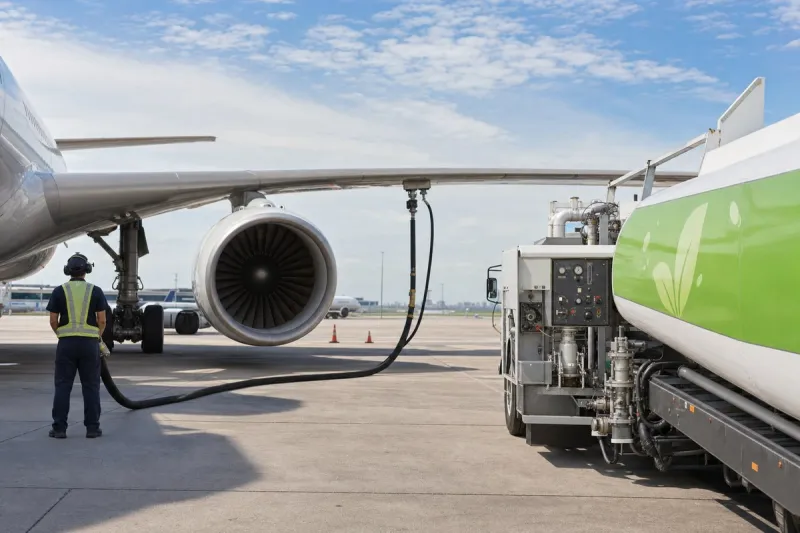
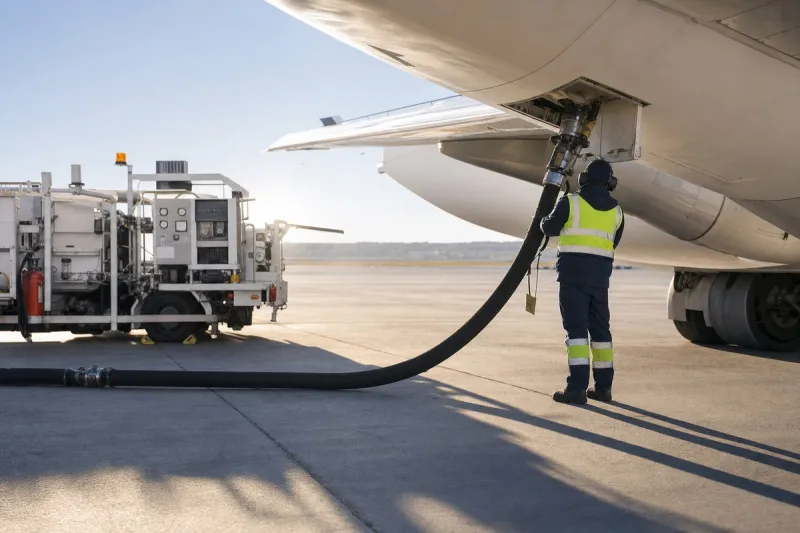
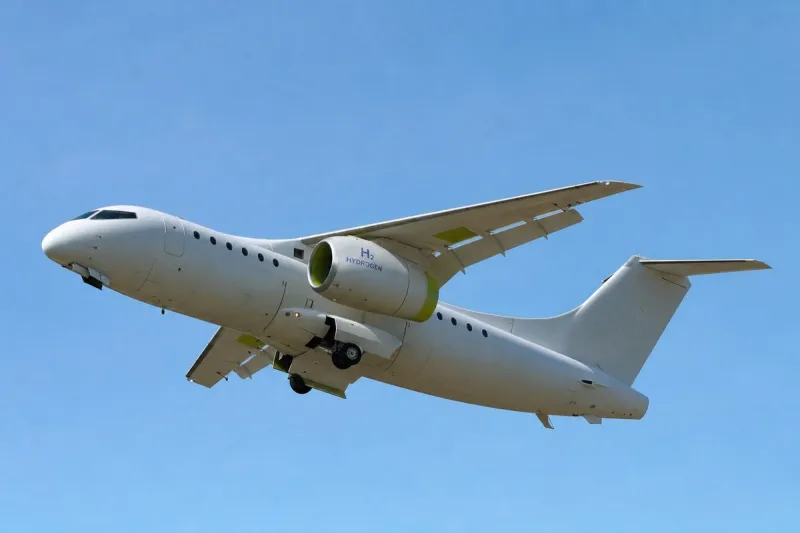
EcoCeres Co-Chairman calls for diversified, regionally rooted SAF supply chains to withstand geopolitical shocks
Why It MattersThe argument signals a broader industry push toward regionalized, feedstock-diversified SAF production models to reduce aviation's vulnerability to global fuel-supply disruptions.
James Tam, Co-Chairman of EcoCeres, has argued that scaling sustainable aviation fuel (SAF) amid geopolitical fragmentation requires diversified feedstock strategies, durable policy support, and regional value chains rather than dependence on globally traded commodities. Writing in 2026, Tam notes that while SAF is already used commercially, projected global output remains only a small fraction of total jet fuel demand, and he identifies the core bottleneck as the difficulty of converting pledges into dependable supply capable of withstanding fuel-price swings, policy cycles, and geopolitical disruptions. IATA has separately highlighted technology as a major bottleneck.
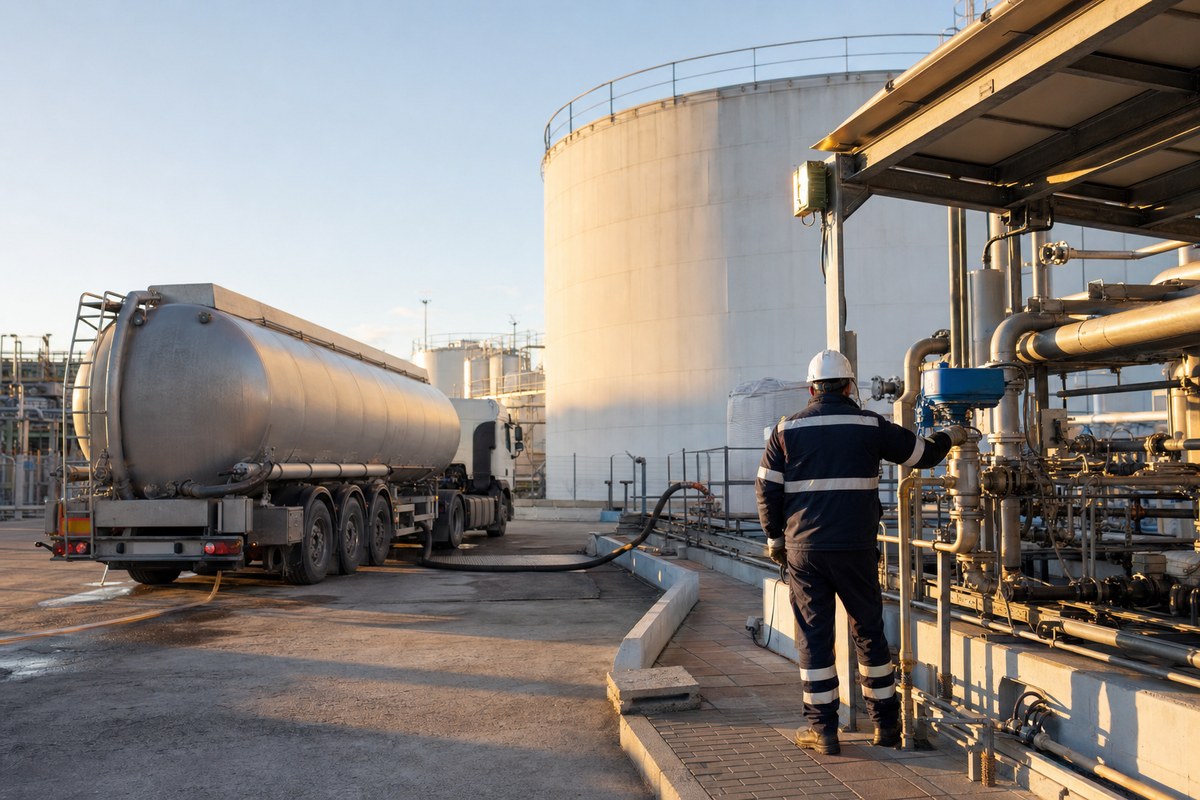
Tam warns that current SAF production relies heavily on waste oils and fats, pathways he says were essential to launching the market but cannot alone deliver the scale global aviation will require, and he calls for a broader portfolio including agricultural residues, forestry residues, municipal solid waste, alcohol-to-jet pathways, and emerging power-to-liquid or e-SAF options.
On energy security, Tam points to episodes during recent geopolitical conflicts in which the International Energy Agency warned of rapidly dwindling jet fuel reserves in Europe as flows through chokepoints such as the Strait of Hormuz were constrained, during which airlines cut flights and nations drew down strategic petroleum reserves at unprecedented rates. He identifies two structural vulnerabilities: jet fuel remains overwhelmingly crude-oil-derived, and the supply system depends heavily on long-haul sea routes from a limited number of production centres.
Tam highlights the Guangdong–Hong Kong–Macao Greater Bay Area as a test bed for a "local to local" model in which waste-based feedstocks are refined, blended, and uplifted close to the airports where the fuel is used, citing waste-to-fuel pathways being advanced by EcoCeres in the region as an example of building low-carbon fuel supply from local waste streams while reducing exposure to global supply shocks.