Dutch Flying Car Maker PAL-V Receives EASA Production Organisation Approval
Why It MattersThe approval shows that reaching commercial FlyDrive production requires clearing both automotive and aviation manufacturing regimes, a dual-approval bar that shapes which Advanced Air Mobility entrants can scale first.
What happened
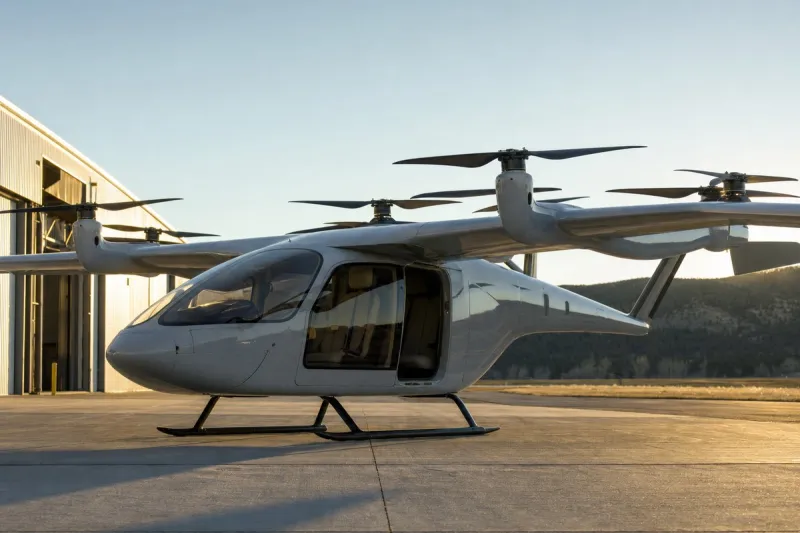
PAL-V, a Netherlands-based flying car company, has obtained a Production Organisation Approval (POA) from the European Union Aviation Safety Agency (EASA), authorising the company to manufacture aviation products under EASA regulations on an industrial scale. With the POA secured, PAL-V now holds both the automotive and aviation production approvals required to manufacture its FlyDrive products commercially. The company says it is the first in the FlyDrive segment of Advanced Air Mobility to receive this approval, placing it ahead of American and Chinese competitors in the sector.
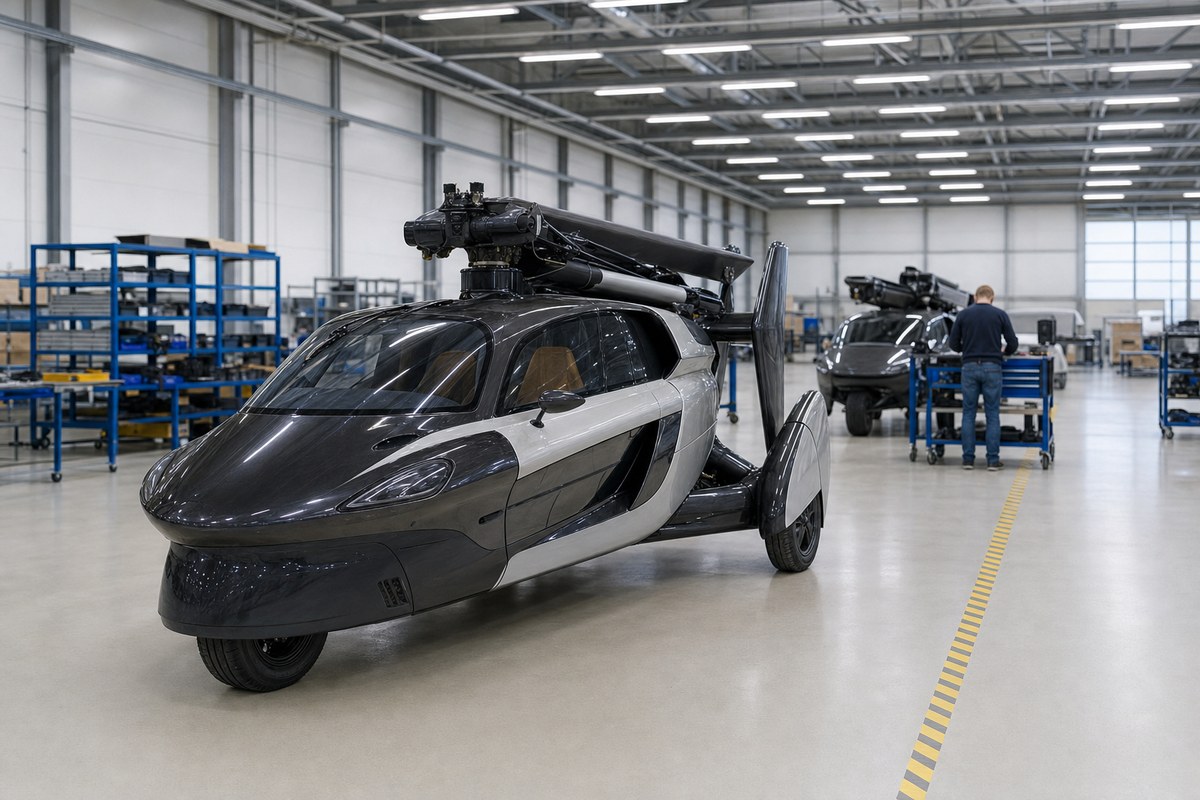
The approval follows a "No Technical Objection" ruling from EASA in 2025. CEO Robert Dingemanse said, "Obtaining the POA is a major milestone for PAL-V. It confirms that we have not only developed a groundbreaking platform for FlyDrive products but have also built a world-class organisation capable of developing, certifying and manufacturing airworthy products." PAL-V says the POA confirms that its production system meets the requirements for airworthy manufacturing and validates nearly two decades of development and regulatory work.
PAL-V reports that its reservation portfolio is sufficient to fill the first three years of production. The company says it plans to integrate developments in autonomous flight, advanced materials, and zero-emission propulsion systems into future products, and it has built an ecosystem of Dutch and European partners, suppliers, research institutions, and certification specialists around its development programme.
Industry impact & what to watch
This case illustrates how Advanced Air Mobility manufacturers must clear two separate regulatory regimes before commercial output can begin: a production approval is not the same as a type certificate, and for a roadable aircraft it is not the same as automotive homologation either. Holding both approvals is what converts an approved design into something that can leave a factory floor at volume.
In this segment, being first to combine automotive and aviation production approval matters because reservations alone do not establish manufacturing capacity; PAL-V says its order book already covers three years of output, which only becomes deliverable once the production system itself is certified rather than just the product design.
What happens next depends on how PAL-V converts that three-year reservation portfolio into actual deliveries, and on how quickly the autonomous flight, advanced materials, and zero-emission propulsion work it describes moves from stated plans into certified features on production aircraft.