BETA Technologies' CX300 Electric Aircraft Lands at Galveston's Scholes International Airport During Houston-Area Flight Tests
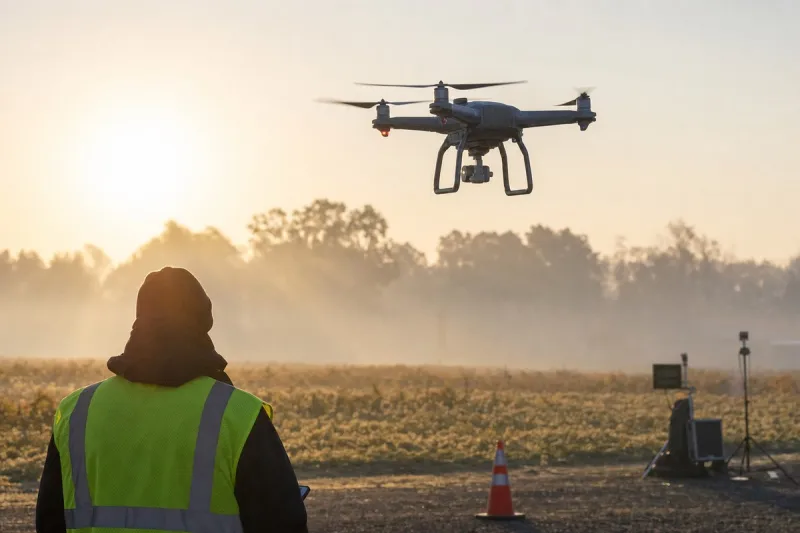
Why It MattersThe flights advance federal efforts to integrate eVTOL aircraft into U.S. airspace, testing disaster-relief and medical-transport applications that could reshape regional air-mobility infrastructure.
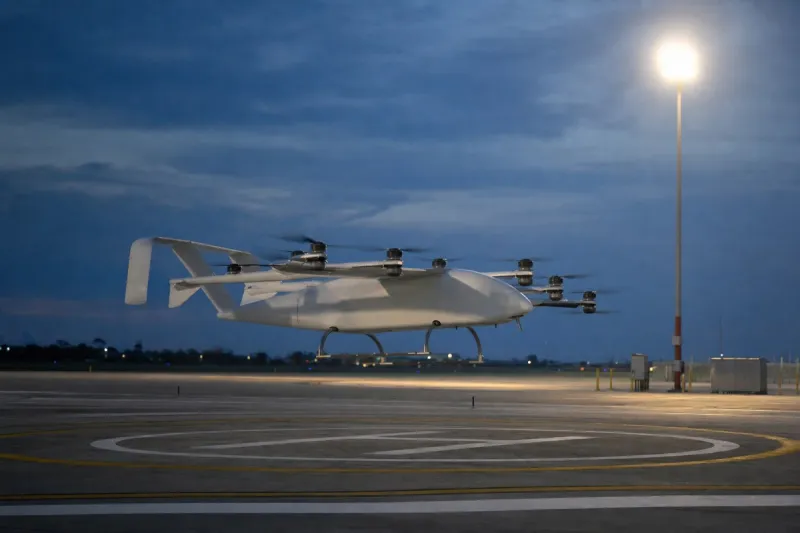
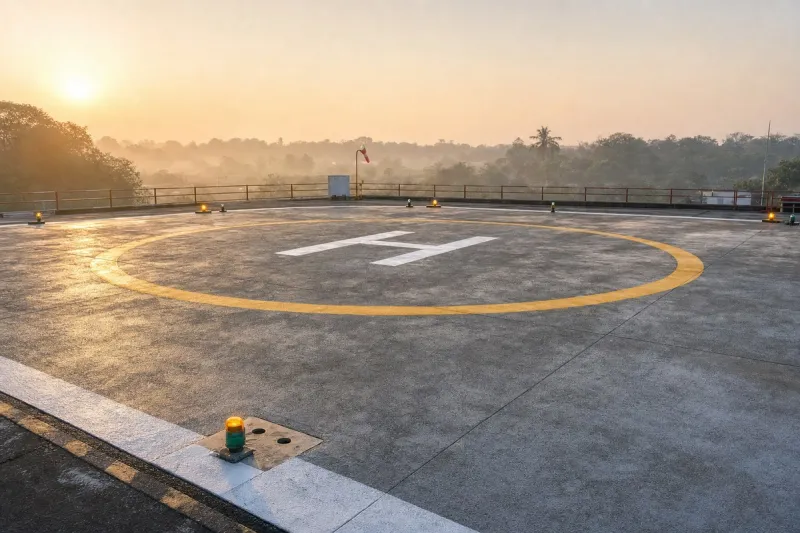
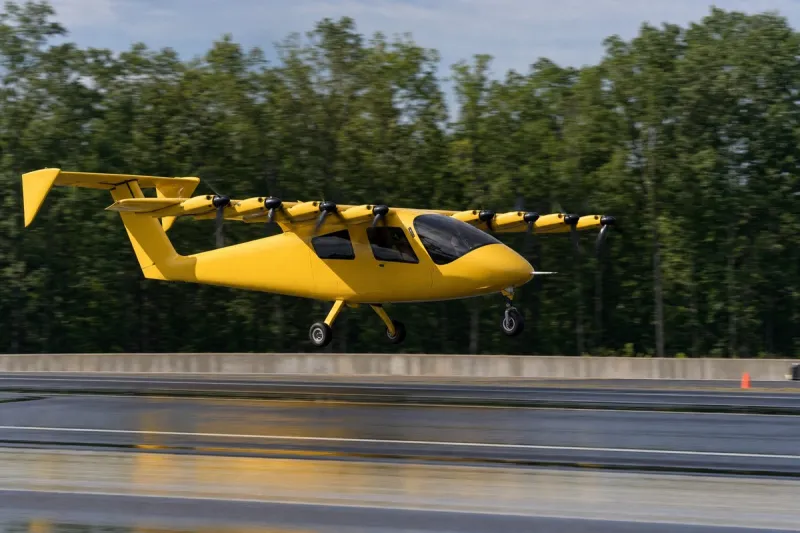
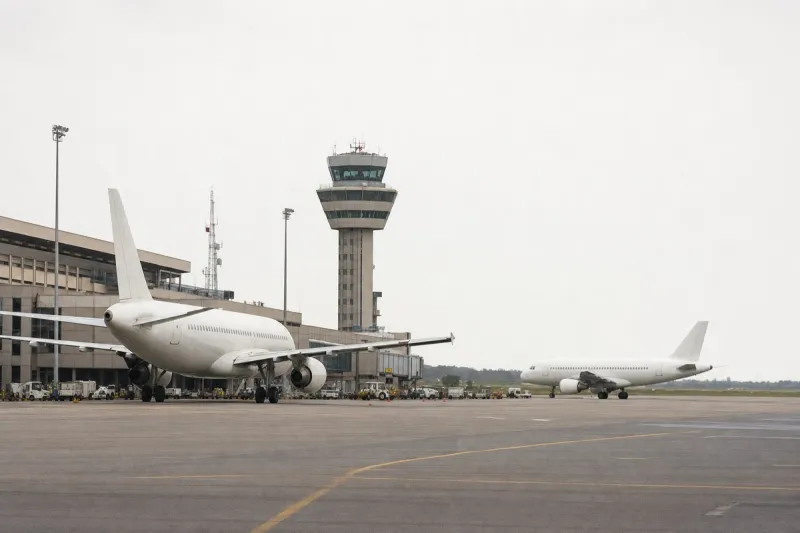
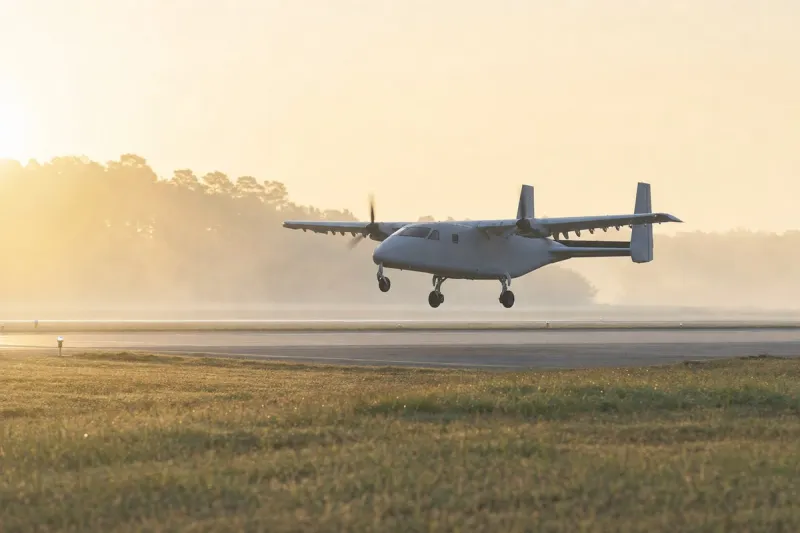
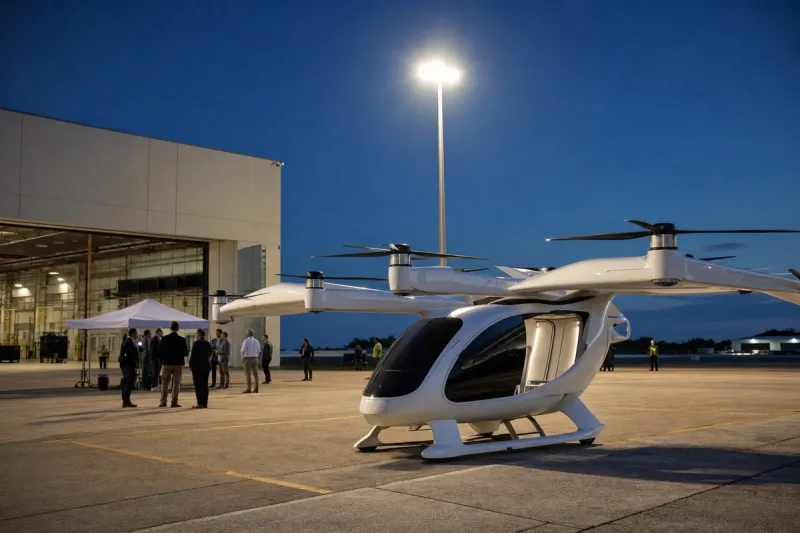
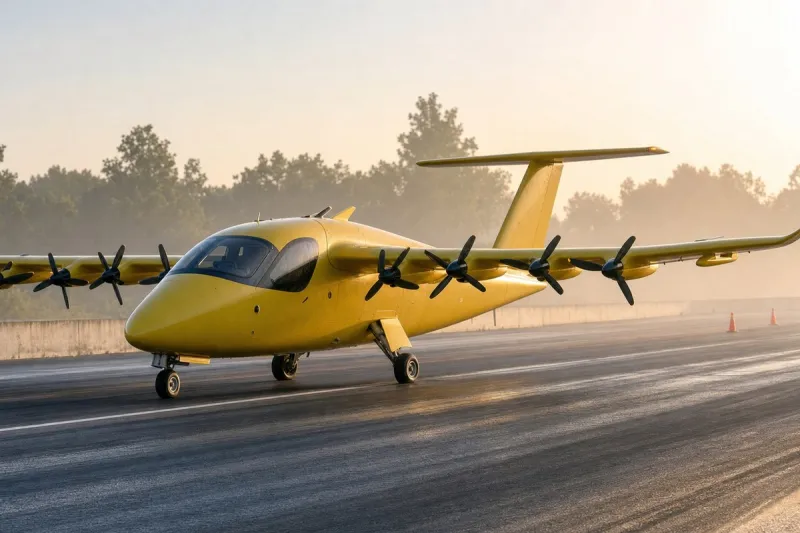
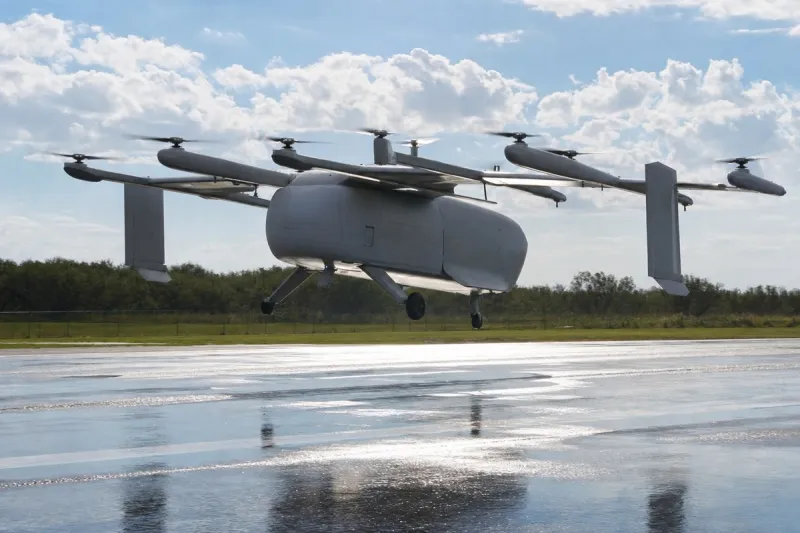
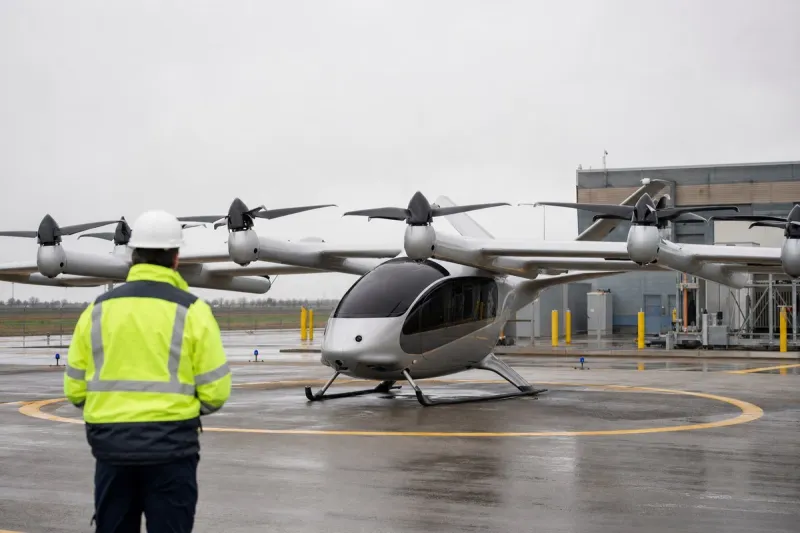
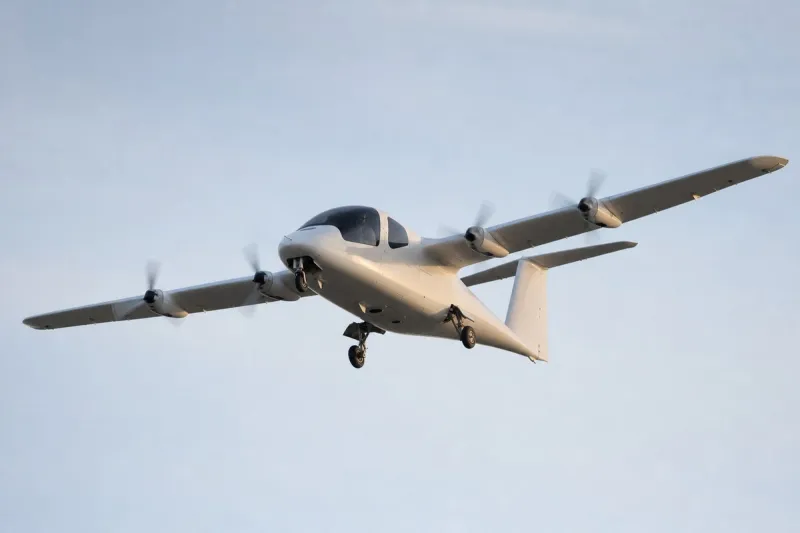
BETA Technologies' CX300 electric aircraft landed at Scholes International Airport in Galveston, Texas, on Wednesday to recharge its batteries before returning to Sugar Land Regional Airport. The flight forms part of a weeks-long testing regimen in the Greater Houston area, with the aircraft basing operations out of Brenham, Texas, under the federal Electric Vertical Takeoff and Landing Integration Pilot Program.
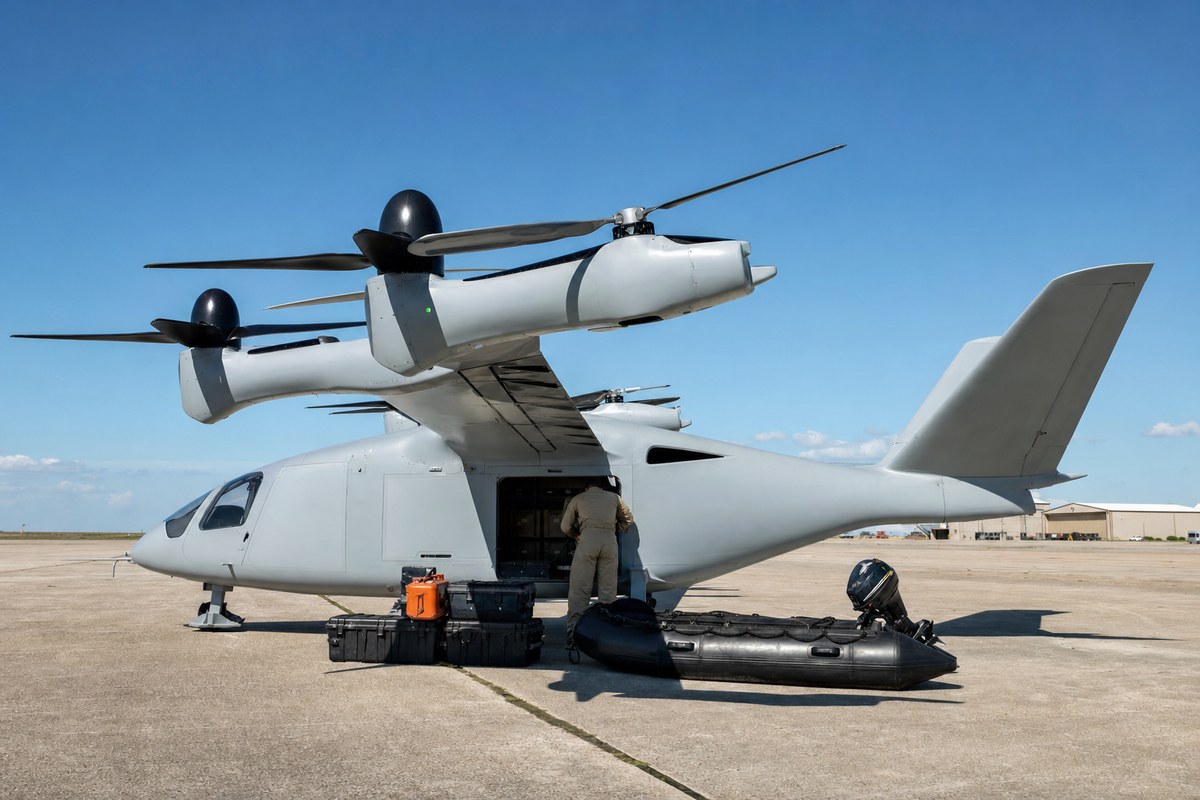
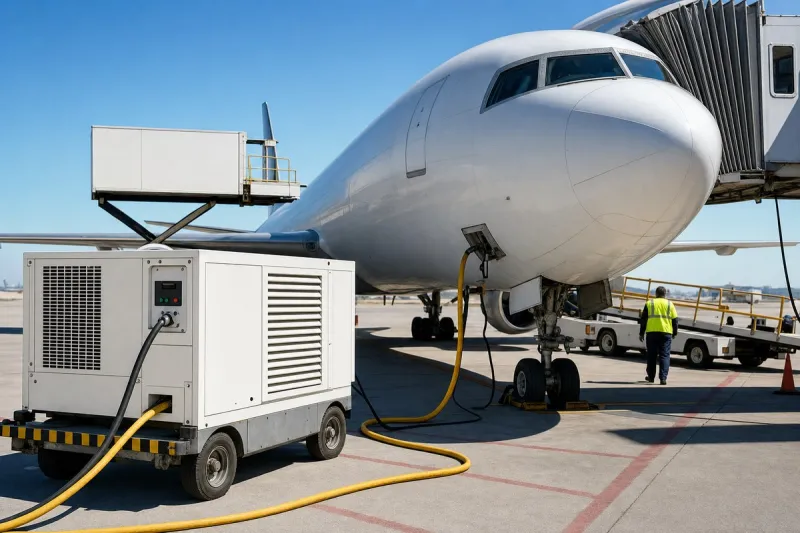
The aircraft carried 720 pounds of rescue equipment, including a rigid inflatable boat, an outboard motor, and hard cases of medicine, to simulate disaster relief scenarios, partly as a nod to the tropical storm that affected East Texas on Tuesday and Wednesday. Scholes International Airport's electric charging station, built in anticipation of BETA's operations, can fully recharge the CX300's batteries in one hour. "It makes more sense to have a fast charger on the turnaround instead of at home base," said Zachary Heibel, a BETA Technologies team member.
Metro Aviation, one of BETA's earliest and largest partners, is consulting on practical applications for the aircraft. Warren Carroll, Metro Aviation's director of safety innovation and a former U.S. Air Force B-52 pilot who joined the company in 2022, flew in the copilot's seat and described the CX300 as fitting between ground ambulances and aircraft in speed and cost.
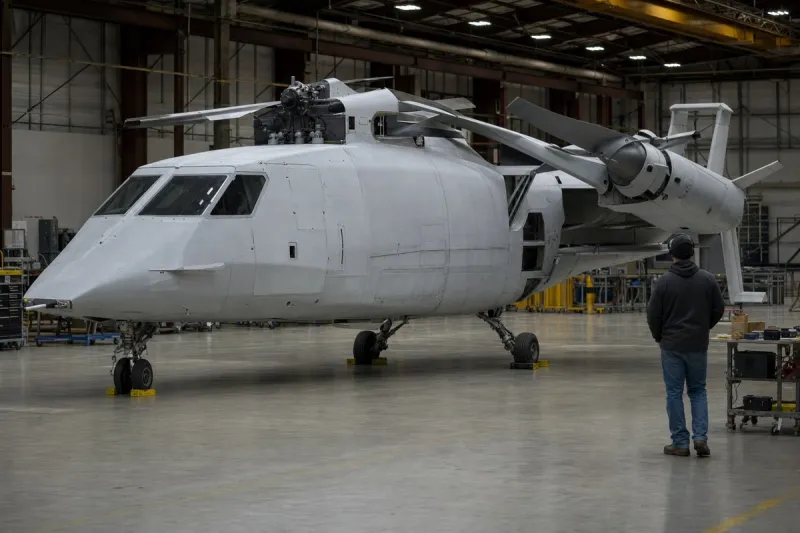
The CX300 uses a Garmin G3000 PRIME avionics system adapted to integrate fly-by-wire controls, with foot pedals controlling only brakes while yaw is managed through a twisting 3D-printed flight stick. Texas is home to one of eight projects within the 26-state pilot program, led by the Texas Department of Transportation, which aims over the next three years to connect Austin, Dallas-Fort Worth, Houston, and San Antonio with surrounding rural communities and eventually link the cities to one another.