Google and Cathay Pacific Launch Contrail Avoidance Trial in Asia-Pacific, Reporting 40% Reduction in Warming Impact
Why It MattersThe trial signals growing airline-tech partnerships to tackle contrail warming, a factor estimated to drive roughly one-third of aviation's total climate impact, though scaling remains operationally challenging.
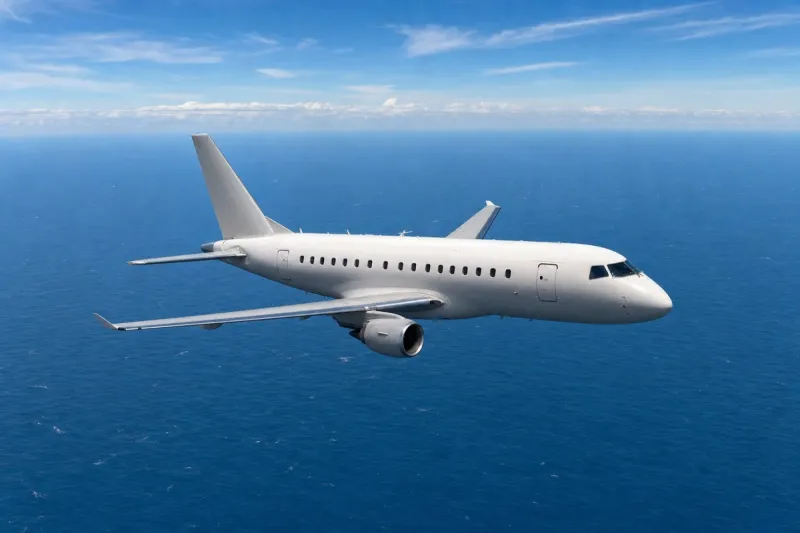
Google and Cathay Pacific have launched a contrail avoidance trial in the Asia-Pacific region, Google's first collaboration with a commercial airline in Asia, following earlier tests in the United States and across the North Atlantic. The initial phase covered more than 80 Cathay Pacific flights and produced an estimated 40% reduction in the warming impact of contrails when aircraft followed AI-recommended avoidance routes, with the Hong Kong–Singapore corridor accounting for more than half of the total emissions reductions observed.
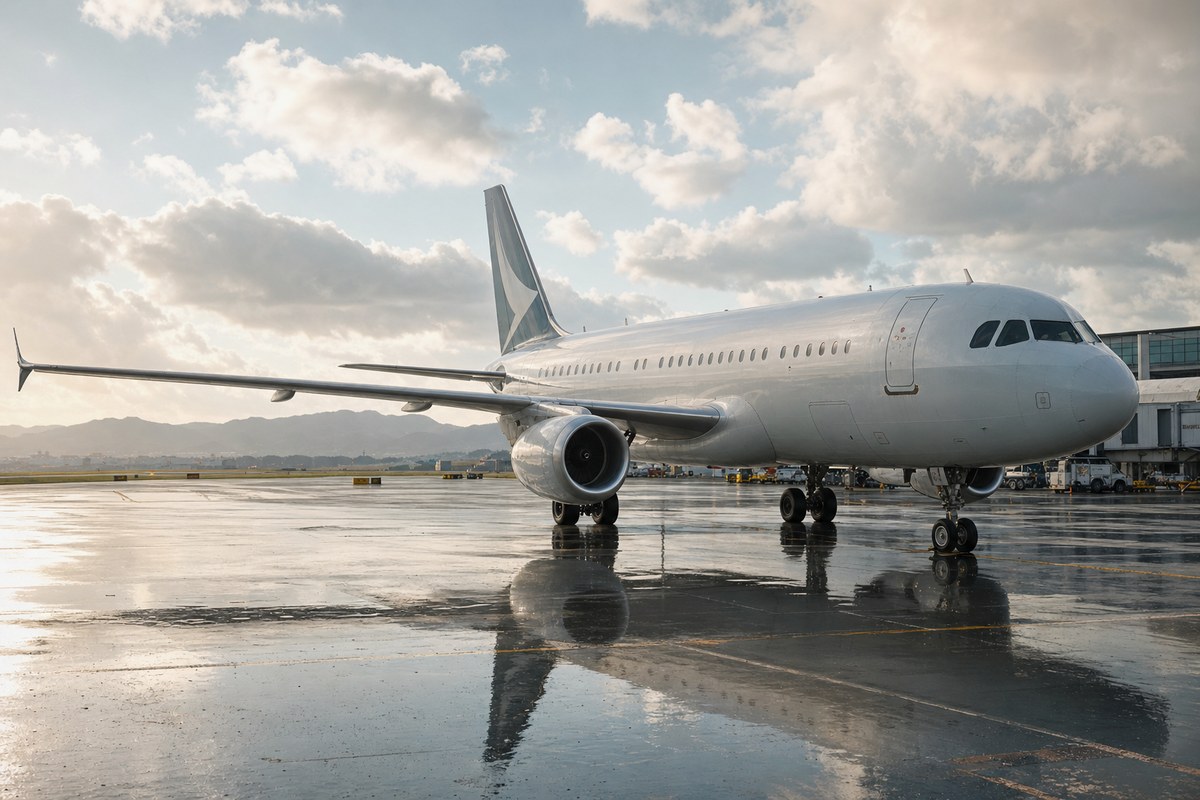
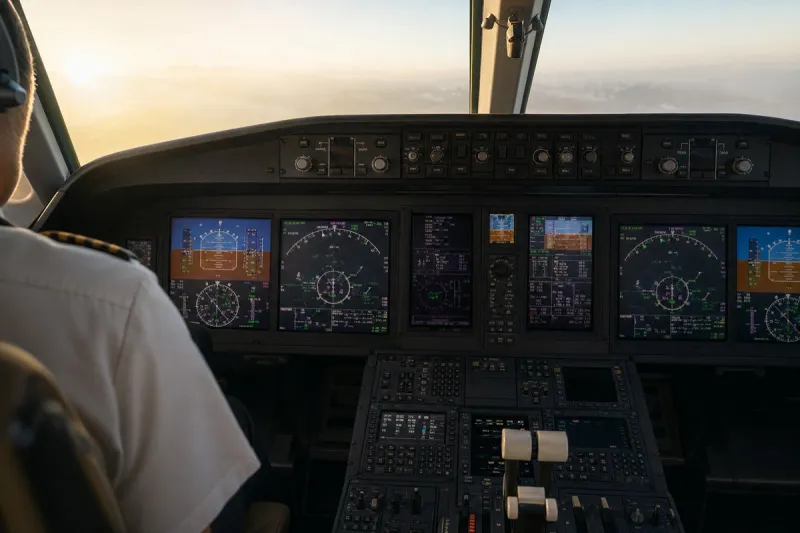
The program is now expanding to a broader segment of Cathay Pacific's global network. The methodology involves minor altitude adjustments made before departure to avoid atmospheric zones where persistent, warming contrails are likely to form, using AI-driven predictions, satellite imagery and meteorological data, with guidance sent to pilots via in-flight Wi-Fi and Cathay Pacific's Electronic Flight Folder. Scientific oversight comes from Imperial College London and the University of Cambridge, alongside collaboration with the nonprofit Contrails.org.
Contrails are estimated to account for approximately one-third of aviation's total warming effect. Scaling such programs poses operational challenges; American Airlines, for example, paused its own contrail-avoidance efforts amid rising fuel costs. The Asia-Pacific trial builds on similar efforts such as Operation Blue Skies in the North Atlantic, which uses AI-guided rerouting to reduce contrail formation.