Heart Aerospace CEO Anders Forslund Explains Why 400 Wh/kg Battery Threshold Is Making Electric Regional Aviation Viable
Why It MattersBattery density crossing a usable threshold reframes short-haul regional aircraft economics around electrification and hybrid architectures rather than fuel-only decarbonization paths, pressuring incumbent manufacturers' long-standing market structure.
What happened
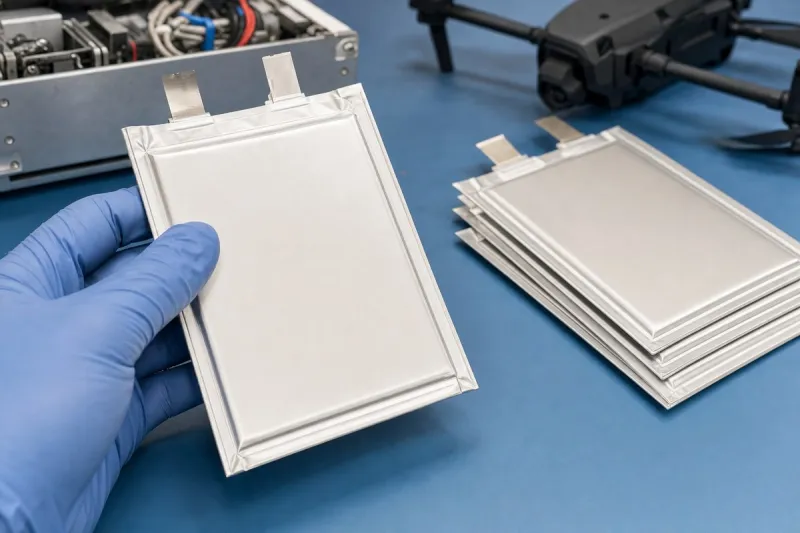
Anders Forslund, co-founder and CEO of Heart Aerospace, said advances in battery energy density — specifically reaching 400 watt-hours per kilogram — have fundamentally changed the viability of electric flight and opened a path to decarbonizing short-haul aviation. He made the comments on the Hardware to Save a Planet podcast, hosted by Dylan Garrett.
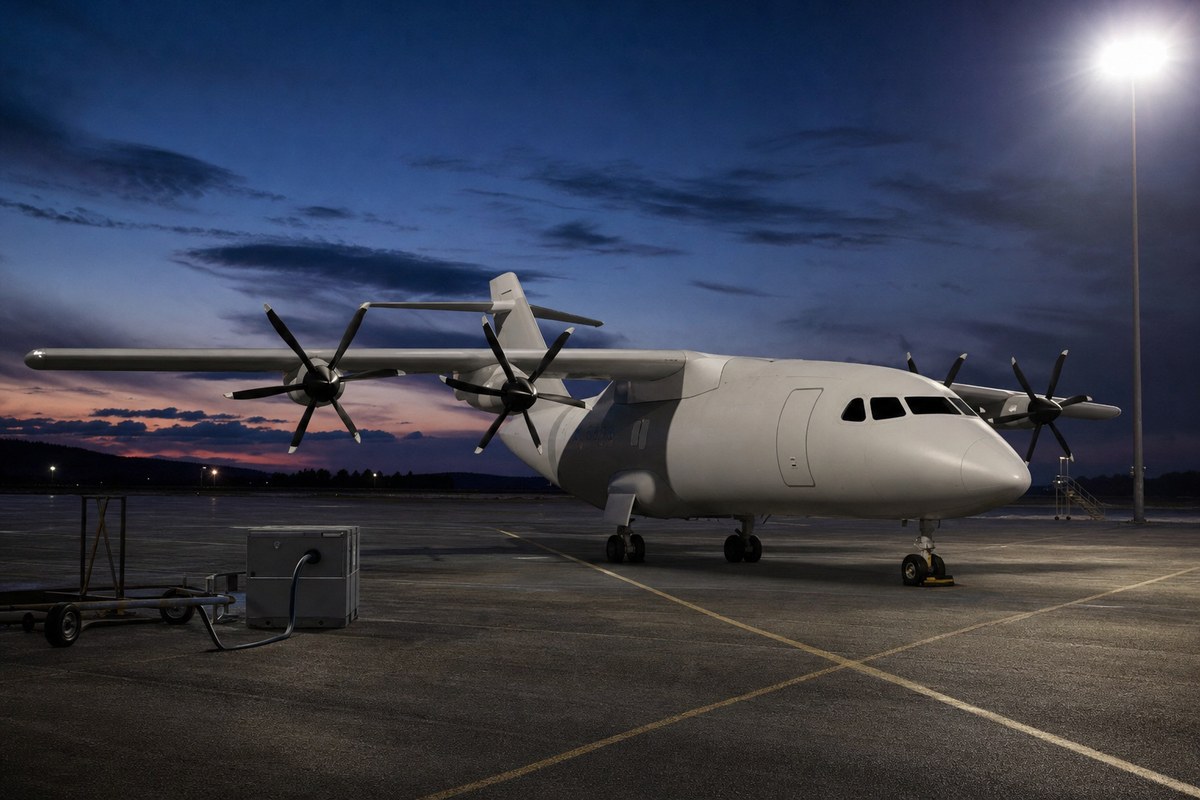
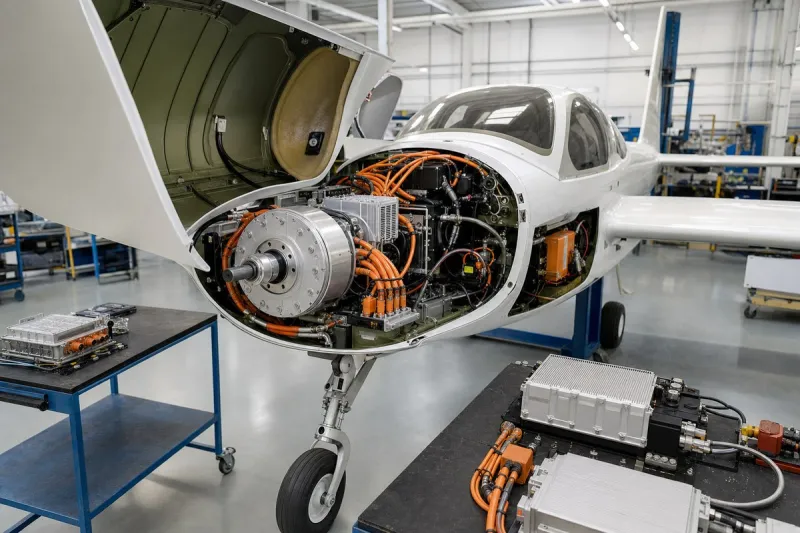
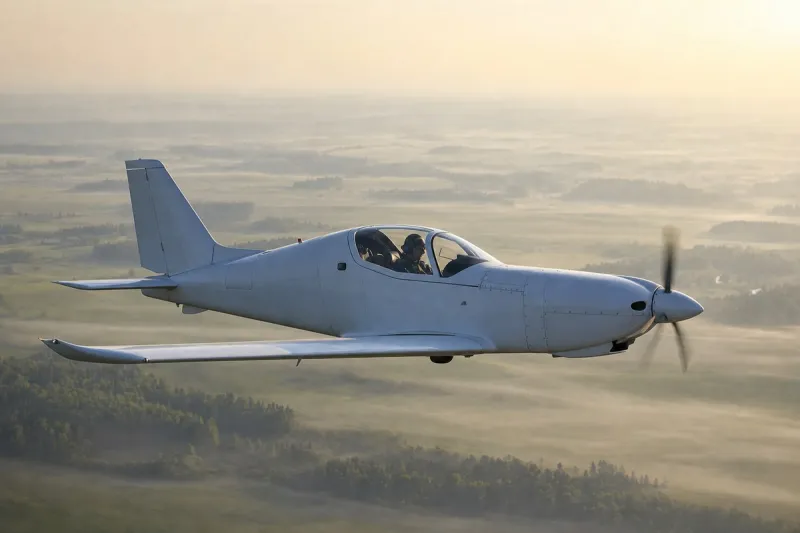
Forslund described how Heart Aerospace is drawing on innovations from the electric vehicle industry to reduce costs, and explained the unit economics behind the company's ES-30 hybrid-electric regional aircraft. He also addressed the complementary role of sustainable aviation fuels alongside electrification, and described how hybrid-electric systems could reshape aircraft architecture, manufacturing, and software.
Forslund founded Heart Aerospace in 2018 following aerospace research at Chalmers University of Technology, where he contributed to Sweden's electric aviation research program. He holds degrees in aerospace product development from Chalmers and master's degrees in astronautics and space engineering, and conducted research at MIT, where his work received the Charles M. Manly Memorial Medal. He argued that electrification could enable regional air travel that is cheaper to operate and lower in environmental impact, while challenging what he described as a decades-old duopoly in commercial aviation.
Industry impact & what to watch
Forslund's account fits a broader push across regional aviation to test whether battery-electric and hybrid-electric propulsion can substitute for turboprops on short routes once cell-level energy density clears a workable floor. The 400 Wh/kg figure he cites is presented as the threshold that changes aircraft-level design choices, from powertrain architecture to how manufacturing and software are structured around the airframe.
Regional aircraft economics turn heavily on fuel burn and maintenance cost per seat over short stage lengths, which is why a shift in battery density matters more here than on long-haul routes where energy storage weight penalties are harder to absorb. Hybrid-electric designs, as Forslund frames them, let a manufacturer combine partial electrification with sustainable aviation fuel rather than betting on a single decarbonization path.
What remains to be seen is how Heart Aerospace's ES-30 unit economics translate from stated assumptions into certified, in-service performance, and whether the claimed cost and emissions advantages hold up against the incumbent turboprop makers Forslund describes as a long-standing duopoly.