Europe Accelerates Hydrogen Aviation Trials Alongside US and UK Programs
Why It MattersHydrogen propulsion is converging first on small regional aircraft and short intra-European routes, meaning near-term commercial impact will hinge on green hydrogen supply and harmonized certification rather than single-aisle jets.
What happened
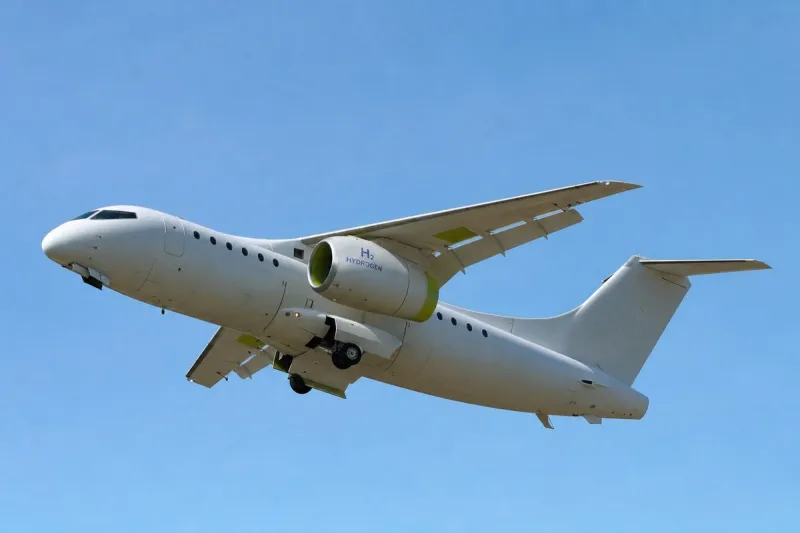
Europe is running hydrogen aviation trials in parallel with programs in the United States and the United Kingdom, with manufacturers, research institutes and airports moving fuel-cell and hydrogen-combustion technologies from laboratory testing into ground tests and early flight campaigns. Programs cover both fuel-cell propulsion for smaller regional aircraft and hydrogen-combustion concepts for future single-aisle jets, with a stated goal of cutting CO₂ emissions to near zero on selected routes by the 2030s. The European Union Aviation Safety Agency (EASA) has identified hydrogen as a promising pathway for low-carbon aviation and noted that several pioneers have already reached flight-test campaigns using gaseous and liquid hydrogen.
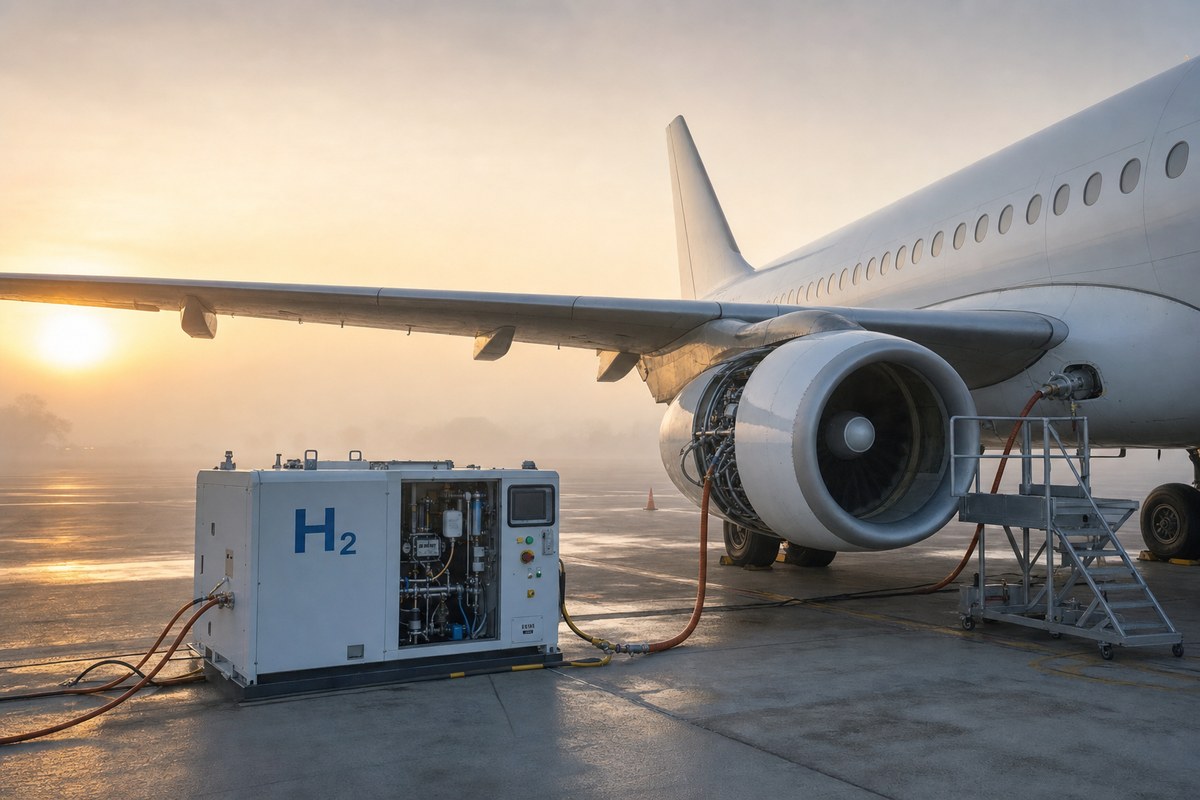
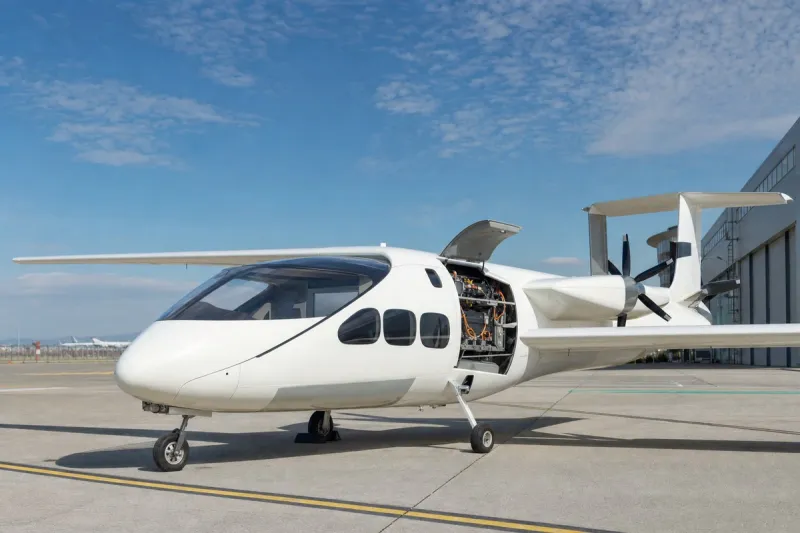
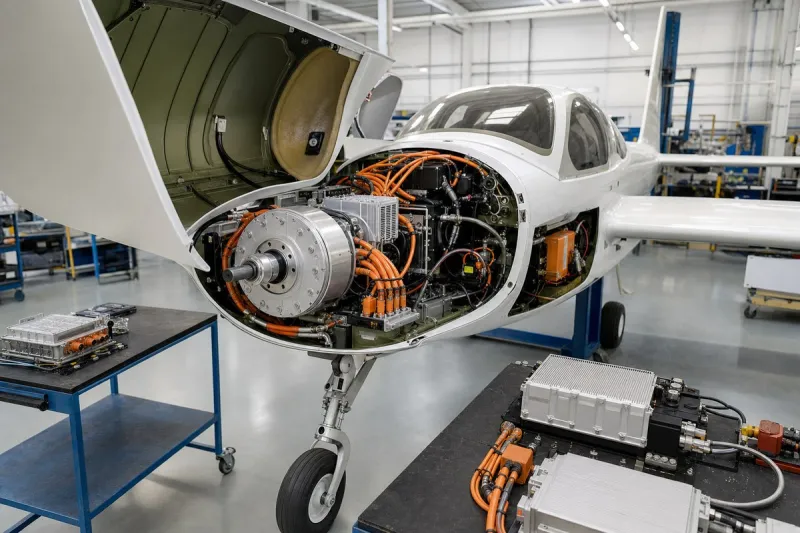
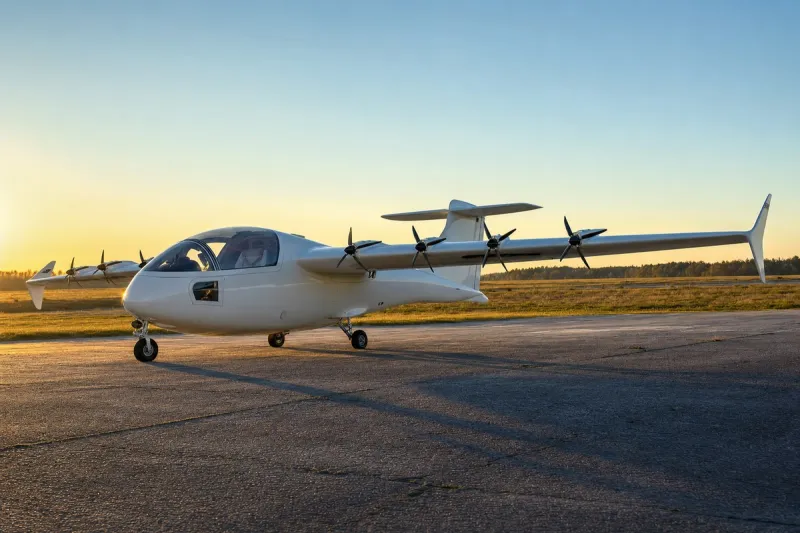
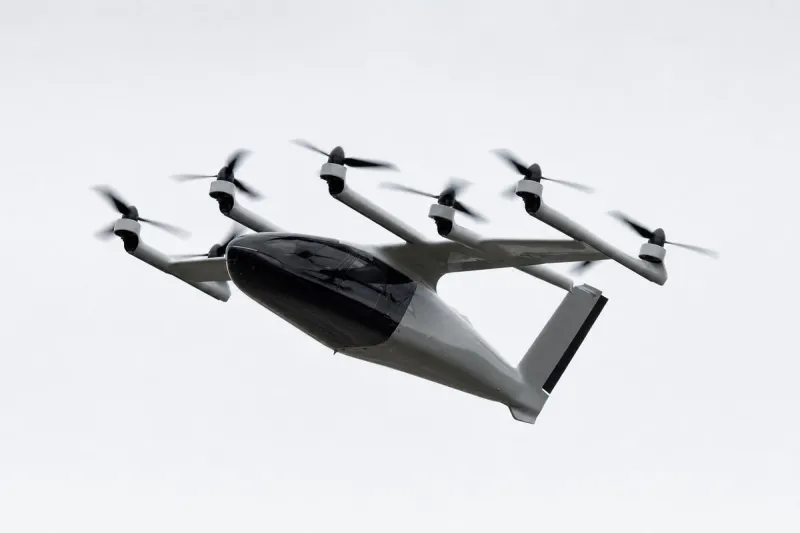
German company H2FLY and partners completed what project documentation describes as the world's first piloted flights of a liquid hydrogen-powered electric aircraft, using the HY4 demonstrator operating from Maribor, Slovenia; the flights are cited in technical reports as proof that cryogenic hydrogen can be safely integrated with fuel-cell propulsion at full scale for light aircraft. Clean Aviation work plans for 2026 and 2027 describe hydrogen propulsion research lines including the TROPHY and FlyECO initiatives, targeting liquid hydrogen fuel systems and megawatt-class hydrogen-electric engines sized for 19-seat regional aircraft.
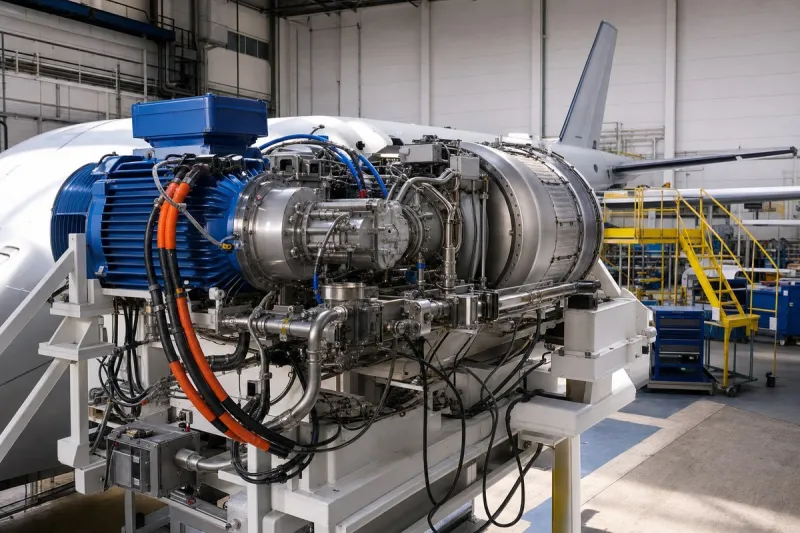
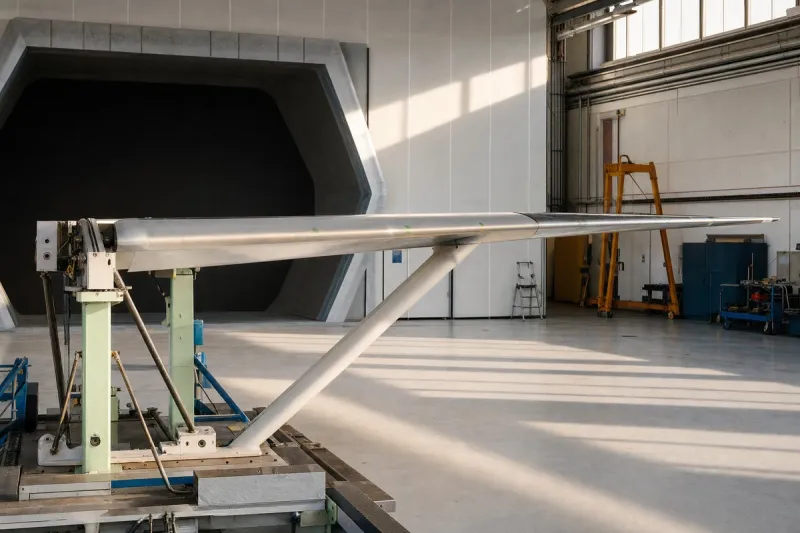
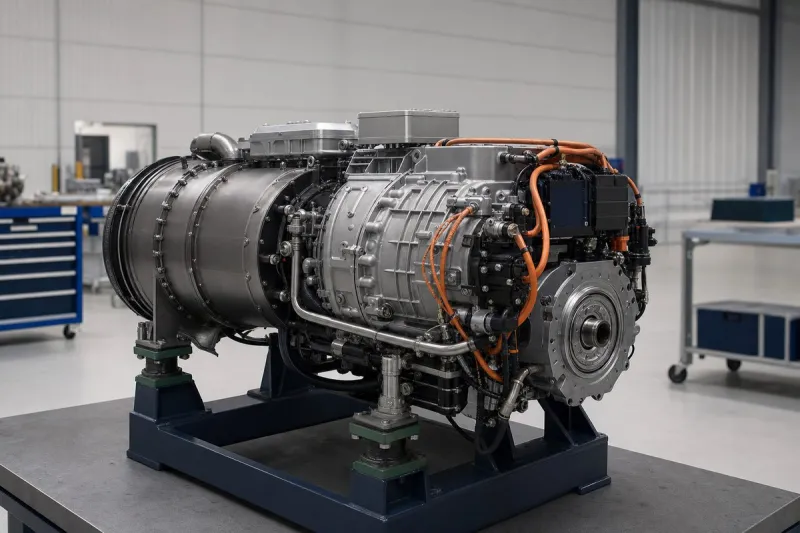
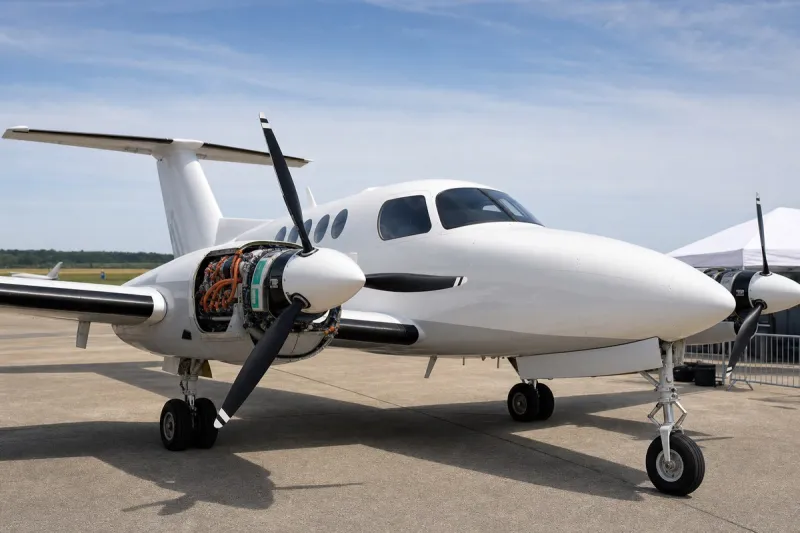
Airbus is the most prominent European airframer pursuing hydrogen through its ZEROe program, which has reported successful tests of a 1.2-megawatt hydrogen propulsion system and integrated fuel-cell stacks, with plans to install a hydrogen-electric powertrain on an Airbus A380 testbed for ground and flight trials targeted for around 2026. In the Netherlands, the National Aerospace Laboratory has introduced a modular test facility for hydrogen-powered flight sized for regional aircraft on dense intra-European routes, and Airbus UpNext's Blue Condor project uses gliders with conventional and hydrogen engines to compare contrail formation and emissions byproducts at altitude for climate-modelling work. At Rotterdam The Hague Airport, a project coordinated by a regional innovation foundation has demonstrated taxi tests of the AeroDelft hydrogen-powered experimental aircraft as part of a broader effort to develop on-site hydrogen production, storage and refuelling processes. In the United Kingdom, ZeroAvia and Cranfield Aerospace Solutions have tested hydrogen-electric powertrains on aircraft platforms including a modified Dornier 228, backed by UK government funding, while demonstration programs in the United States are exploring similar architectures on regional sectors.
Industry impact & what to watch
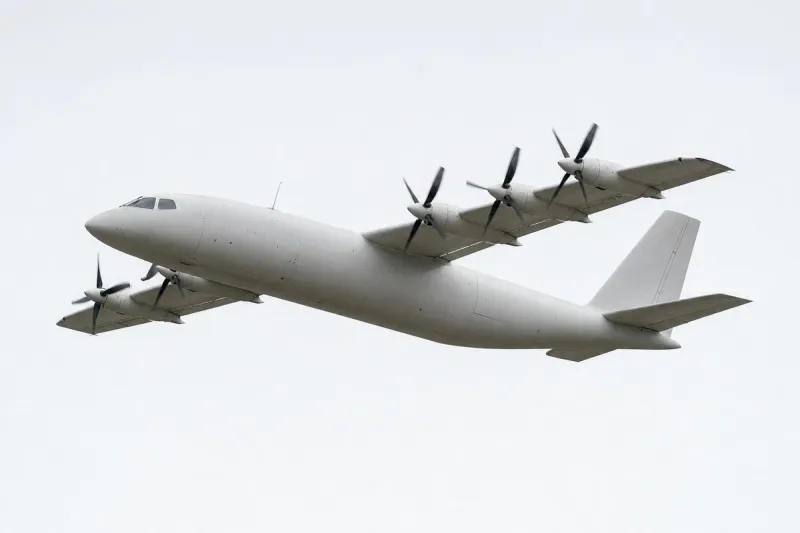
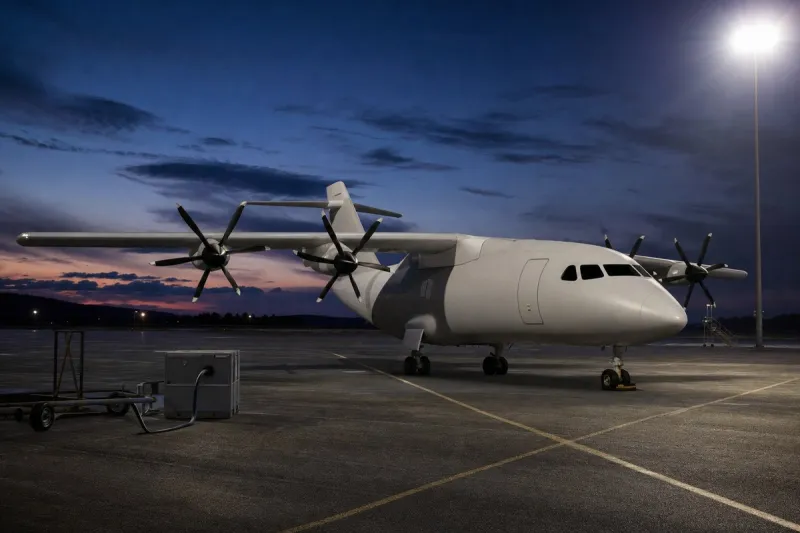
This wave of testing belongs to a broader shift in which propulsion innovation is being proven first on small platforms — light aircraft, gliders, 19-to-40-seat regional types — before any attempt to scale toward single-aisle jets. Regional aviation, with its shorter stage lengths and lower power requirements, functions as the proving ground where certification pathways, fuel systems and safety cases get established before larger applications are even attempted.
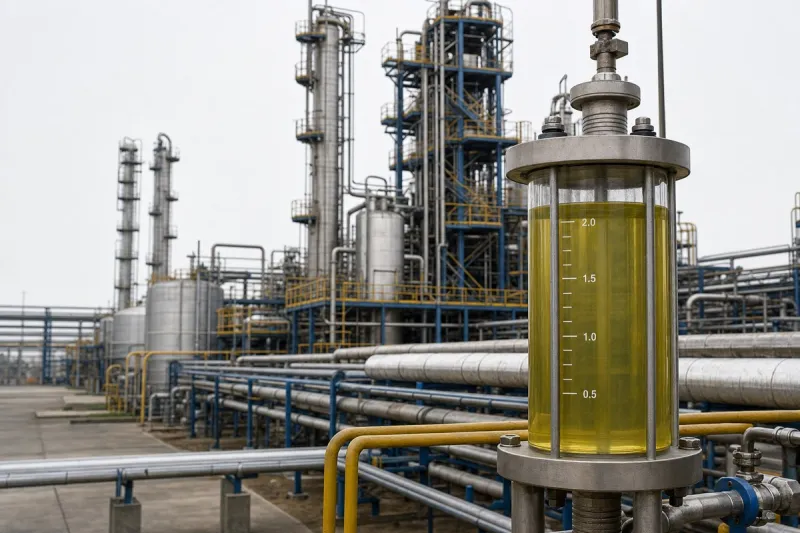
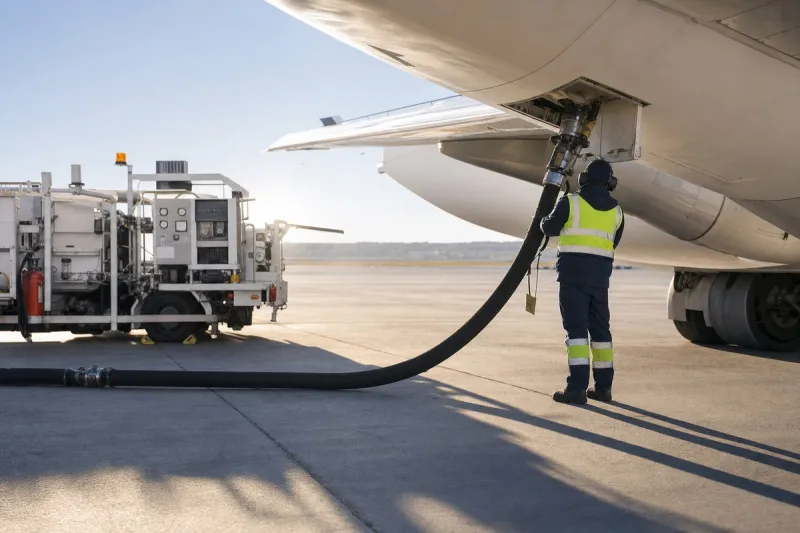
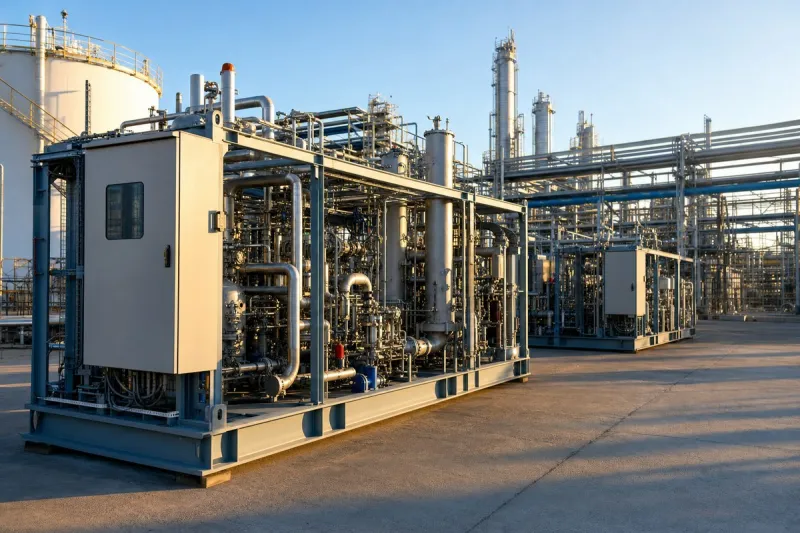
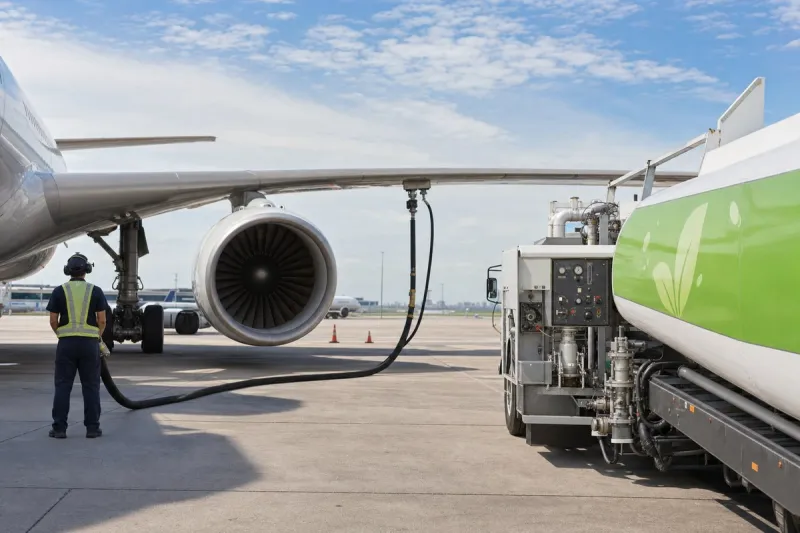
The regional segment works this way because hydrogen storage volume and fuel-cell power density scale poorly with aircraft size, so operators and manufacturers are testing on 19-seat and Dornier 228-class platforms where the energy requirements are tractable today. Airports such as Rotterdam The Hague are simultaneously building the ground infrastructure — production, storage, refuelling — that any future hydrogen route network would need, independent of which airframe eventually flies it.
What happens next depends on the A380 testbed trials Airbus has targeted for around 2026, which would be the clearest signal yet on whether hydrogen-electric powertrains can be validated at a scale relevant beyond light aircraft. Green hydrogen cost and availability, harmonized safety regulations, and certification of new propulsion architectures remain the conditions stakeholders themselves flag as unresolved before any 19-to-40-seat commercial service on short intra-European routes could begin in the 2030s.