AWATAR Project Develops Strut-Braced-Wing Technologies Targeting 18% Energy Reduction for Future Short- and Medium-Range Aircraft
Why It MattersThe project points to a broader industry shift toward combining airframe, propulsion and hydrogen-storage innovations to meet 2050 net-zero targets for short- and medium-range aircraft.
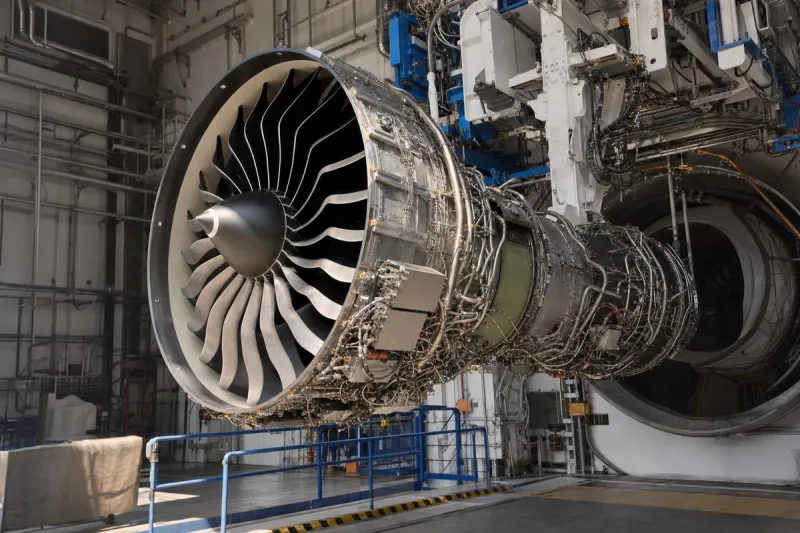
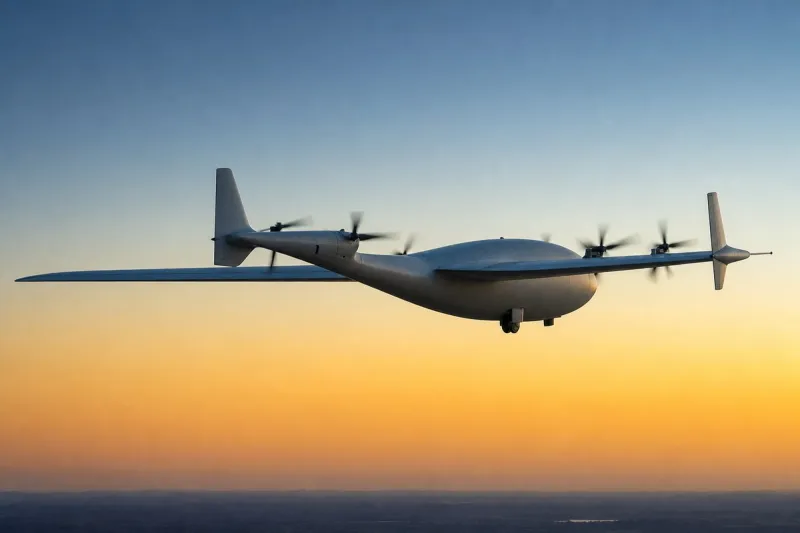
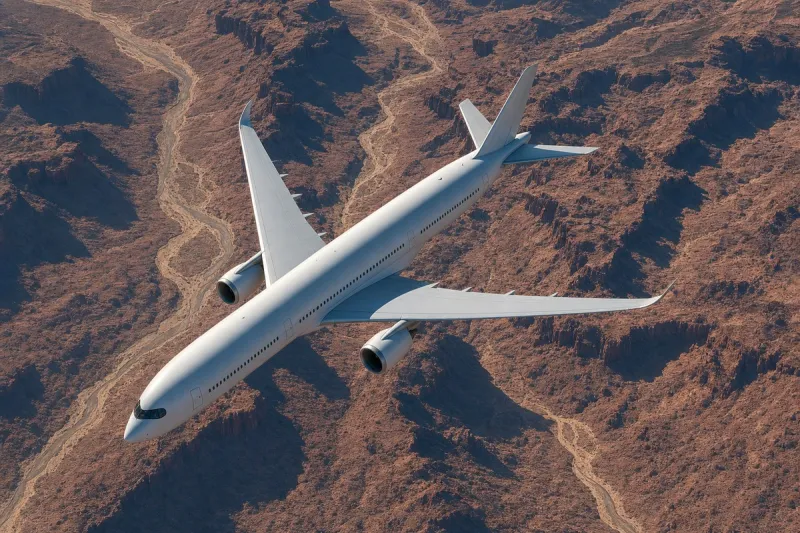
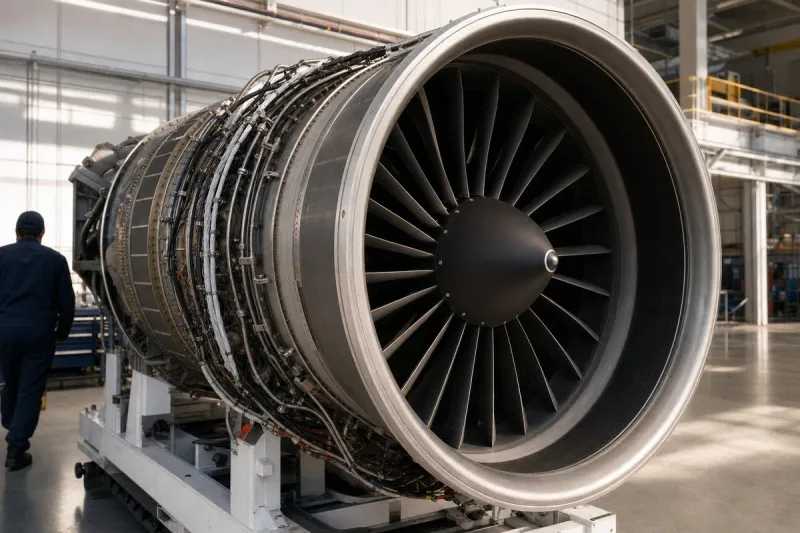
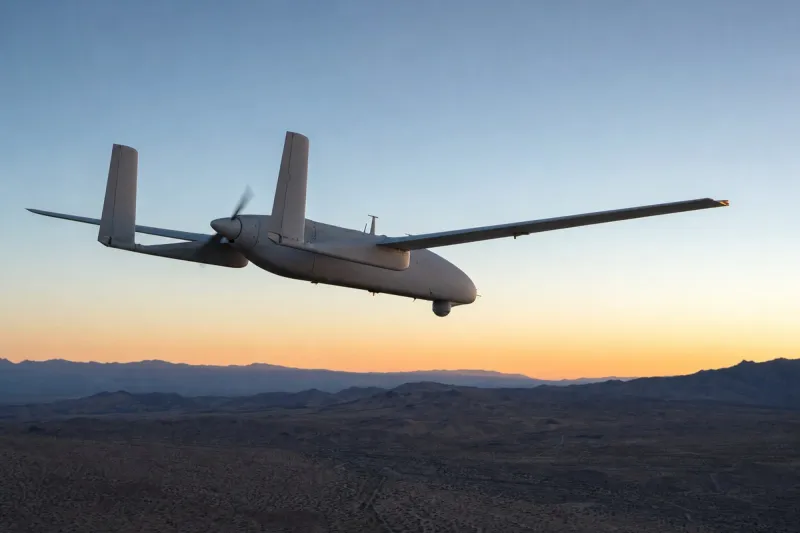
The AWATAR (Advanced Wing MATuration And integRation) research project is developing technologies for future short- and medium-range aircraft, bringing together research and industry partners working toward industrial introduction and certification readiness. Its wing concept combines four technologies: a high-aspect-ratio Strut-Braced-Wing to reduce aerodynamic drag, laminar flow in outer-wing regions, an energy-efficient laminar-capable ice protection system as an alternative to conventional de-icing, and aerodynamically optimised integration of Open-Fan engines.
An integrated aircraft design is being developed for a hydrogen-powered short- and medium-range aircraft with Open-Fan propulsion, sized for 250 passengers and a range of up to 2,000 nautical miles, with the combined technologies expected to cut block energy consumption by approximately 18 percent compared with a 2020 baseline.
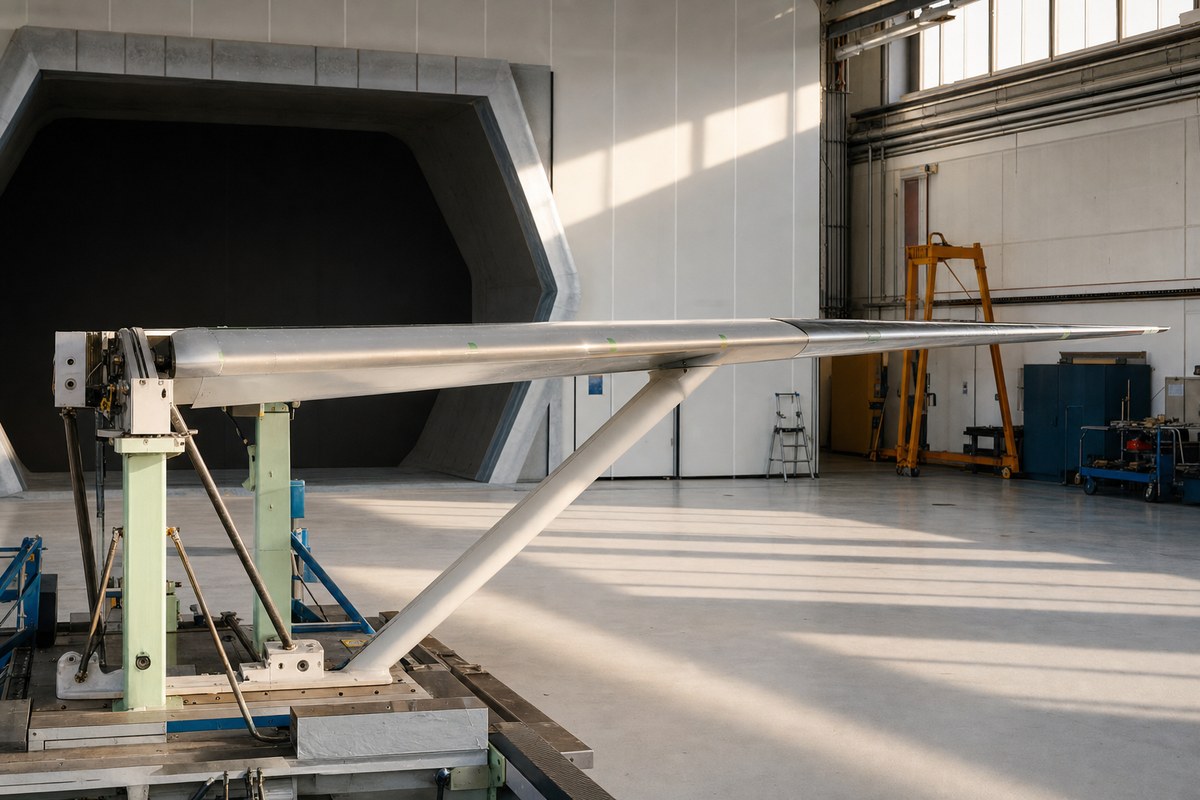
DLR's Institute of Aerodynamics and Flow Technology leads the Strut-Braced-Dry-Wing configuration, in which no hydrogen is stored in the wing, including Open-Fan engine integration, while DLR's Institute of Aeroelasticity contributes structural pre-design, structural dynamics and structural sizing. The two institutes are jointly developing a wind tunnel configuration based on a Strut-Braced-Wet-Wing variant with hydrogen storage in the wing but without an engine, for experimental validation.
During a two-week measurement campaign at the European Transonic Windtunnel, researchers tested the Strut-Braced-Wing design under cryogenic, transonic conditions up to the maximum allowable structural stress level, marking the first time such a configuration was tested in Europe at flight Reynolds numbers and transonic Mach numbers. Data on pressure distributions, structural deformation and aerodynamic loads will be used to validate numerical design work. The project is accompanied by EASA and is closely linked to other Clean Aviation projects, as the aviation industry pursues net-zero carbon emissions by 2050.