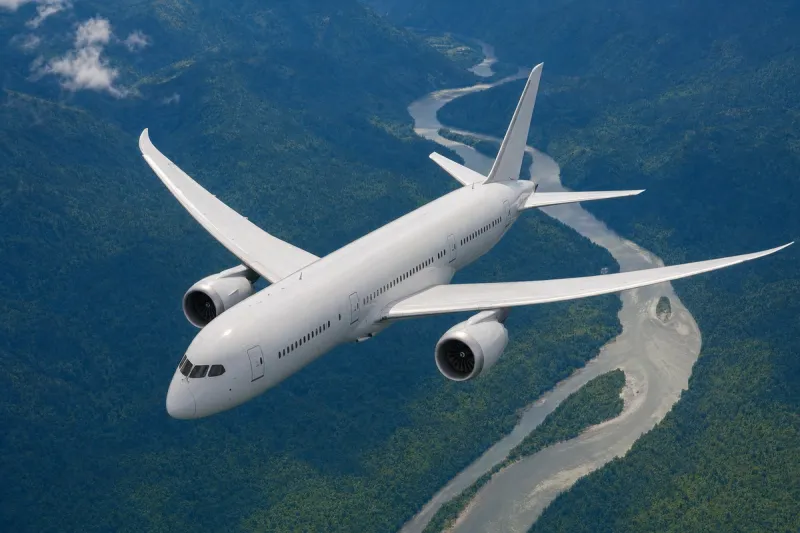
Poseidon Aerospace Raises $60M to Develop Fully Pilotless Cargo Aircraft
Why It MattersA single test-flight outcome now carries outsized weight for whether cargo aviation moves straight to full autonomy or continues the incremental shift from two-pilot to single-pilot cockpits.
What happened
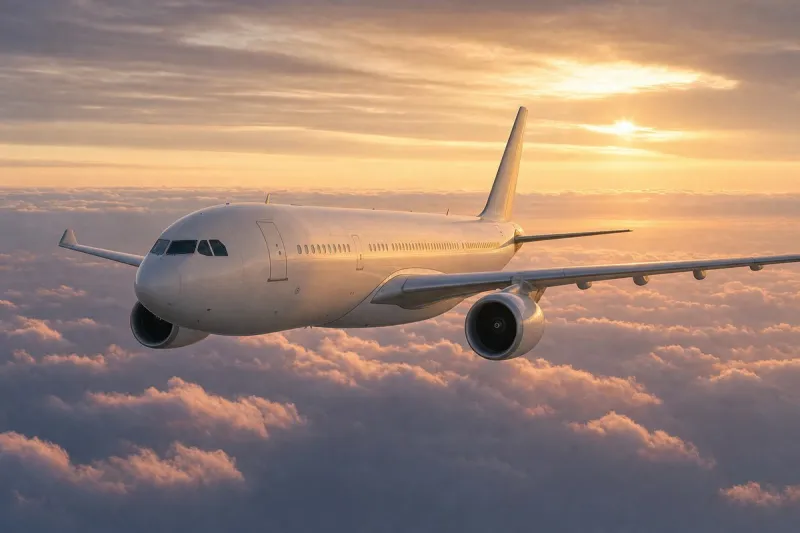
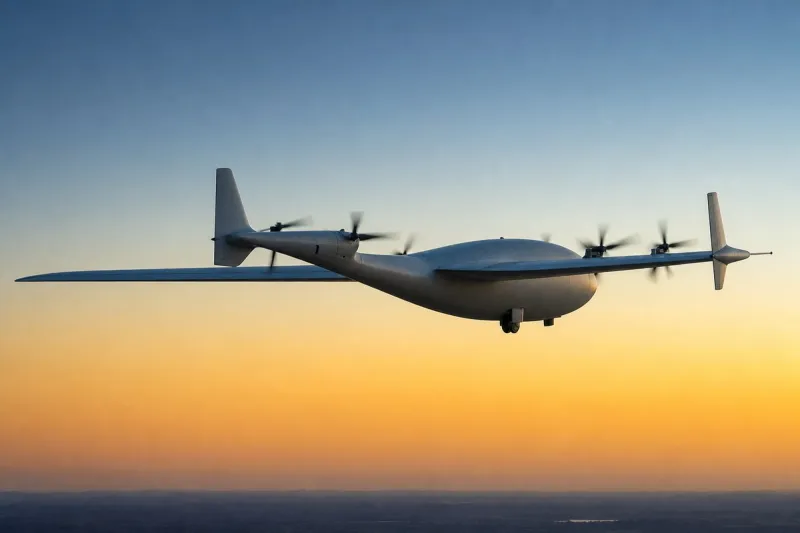
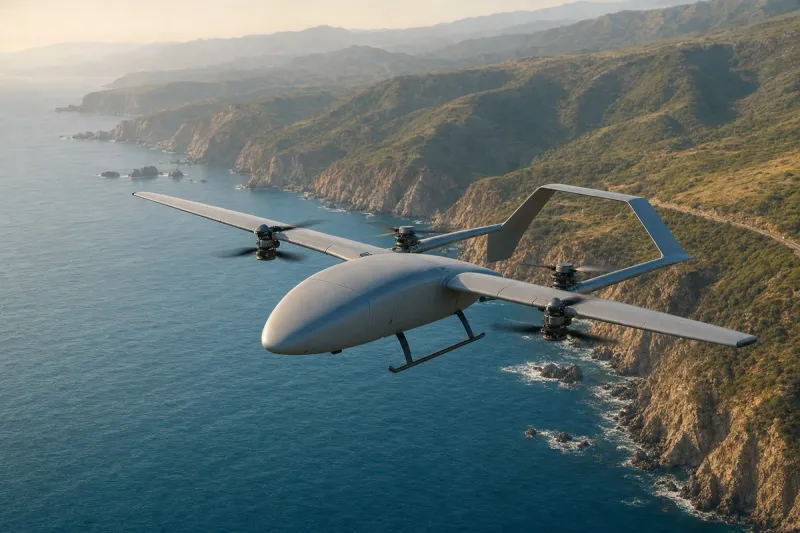
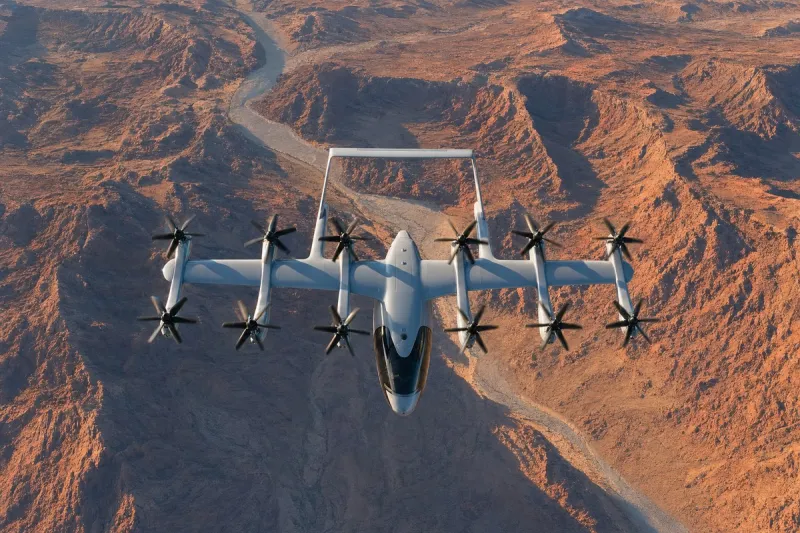
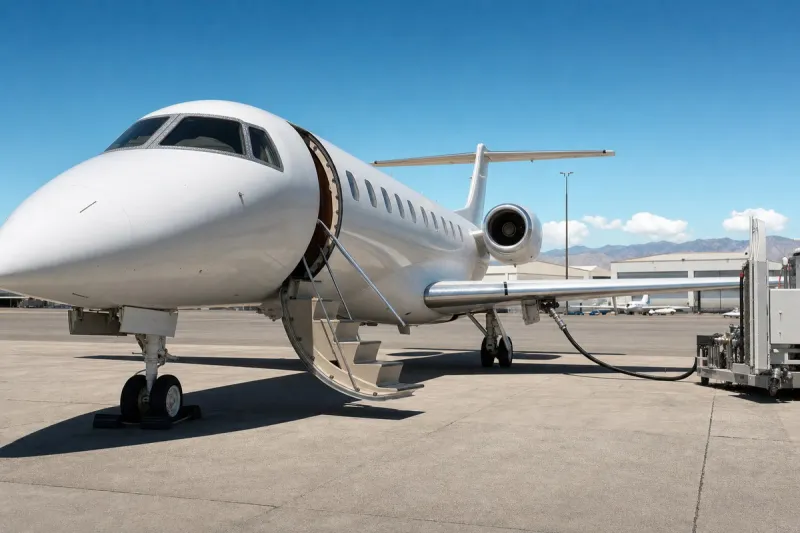
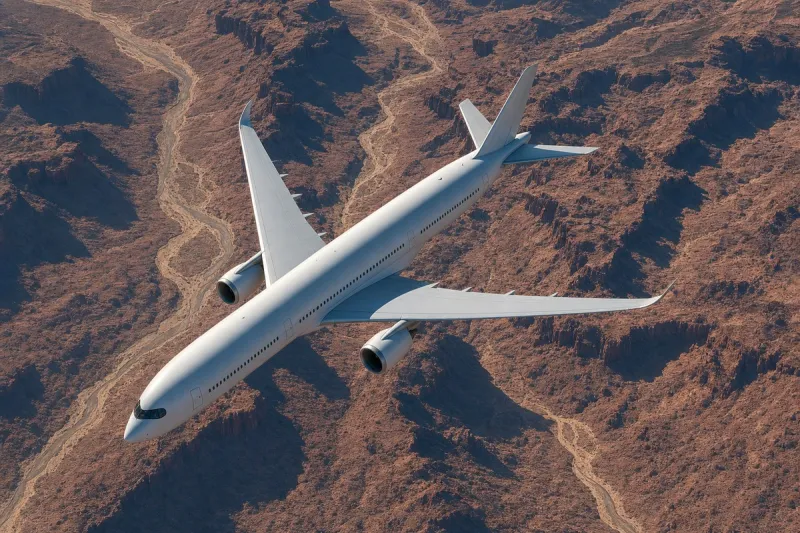
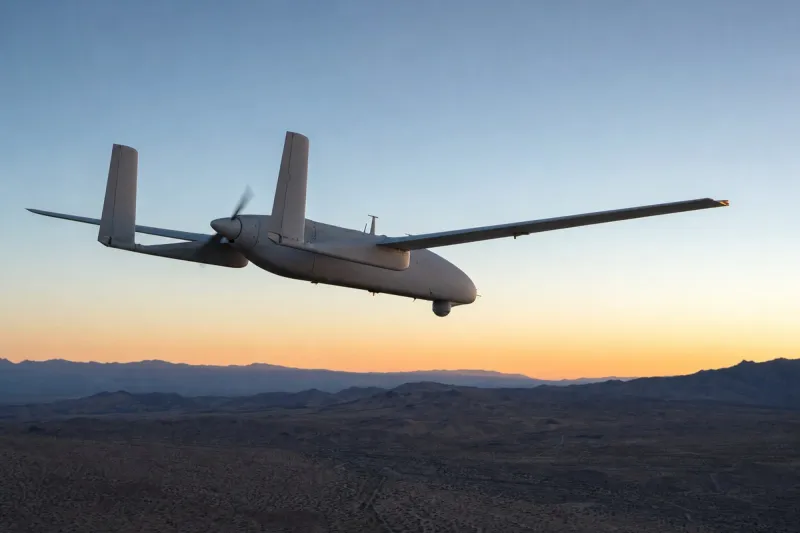
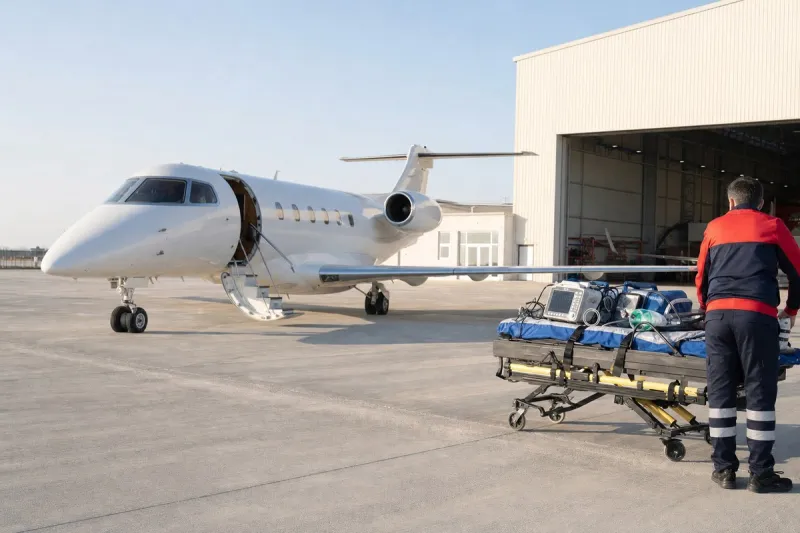
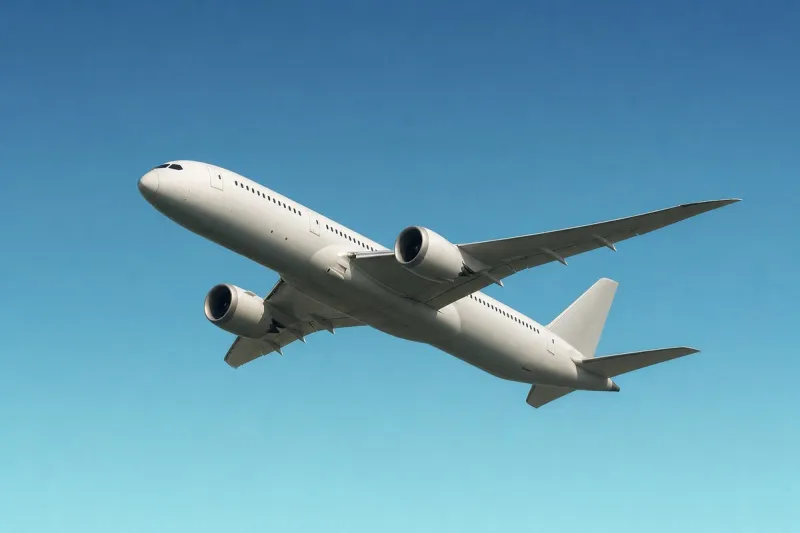
Poseidon Aerospace has raised $60 million to develop pilotless cargo aircraft, with the round arriving just ahead of the startup's first fully unmanned test flight. The funding was first reported by TechCrunch.
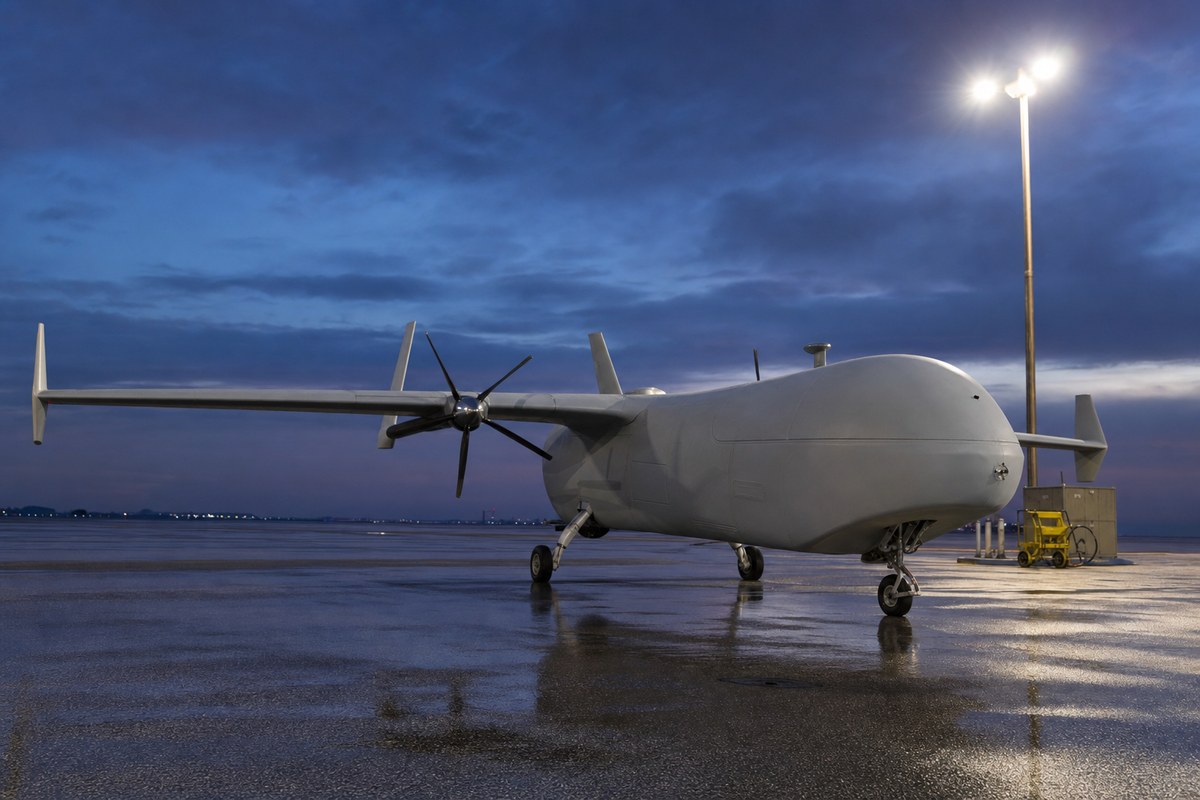
Unlike autonomous aviation startups pursuing reduced-crew cockpits or remote-pilot solutions, Poseidon's approach removes human operators from the flight loop entirely, targeting cargo aviation specifically, where no passenger cabin is involved. The company argues that pilot salaries, training pipelines, and crew duty-time limits represent cargo aviation's largest and most persistent fixed cost, one that has remained unchanged even as fuel efficiency and airframe design have improved. Poseidon contends that eliminating pilots entirely would reshape the cost structure of commercial air freight.
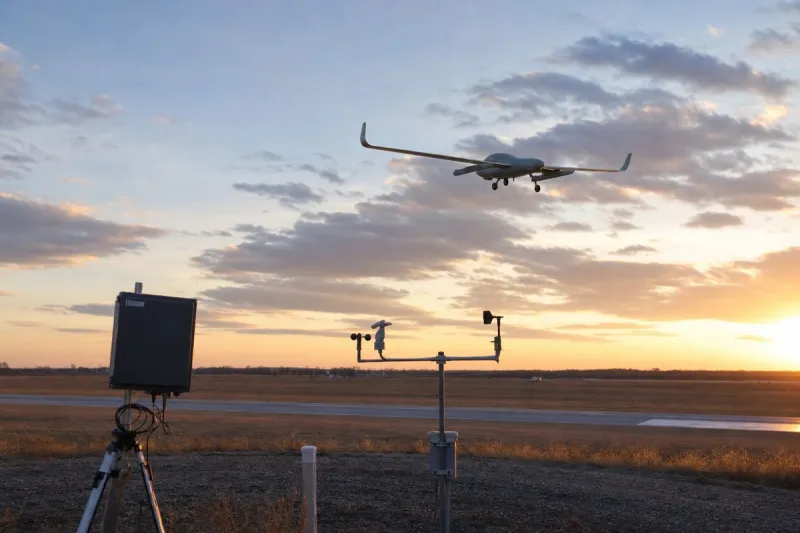
The upcoming pilotless test flight is positioned as a critical proof point: a successful outcome would give Poseidon a data point for conversations with regulators and potential airline partners, while a failure could set back the broader pilotless cargo thesis.
Industry impact & what to watch
This case sits within a broader push by autonomous aviation developers to cut the fixed costs baked into commercial flight crews, but Poseidon's bet is more aggressive than most: it skips reduced-crew or remote-pilot intermediate steps and goes straight to zero human operators in the loop. Cargo aviation has historically been the segment regulators are most willing to test such approaches on, since no passenger cabin is at stake, which is why a cargo-first strategy is a common entry point for full autonomy.
The competitive field for fully autonomous cargo flight is still relatively uncrowded, even as larger aerospace players advance reduced-crew cockpit programs incrementally. If Poseidon clears regulatory hurdles ahead of those incremental efforts, it could pressure the wider industry to consider skipping the single-pilot intermediate stage altogether. But certification costs and timelines in aerospace regularly exceed what one funding round can cover, so the $60 million buys Poseidon a shot at the test flight, not a finished path to commercialization.
The immediate signal to watch is the outcome of the unmanned test flight itself: a clean result strengthens Poseidon's case with regulators and airline partners, while any failure will be read against aviation regulators' well-documented caution after high-profile incidents.