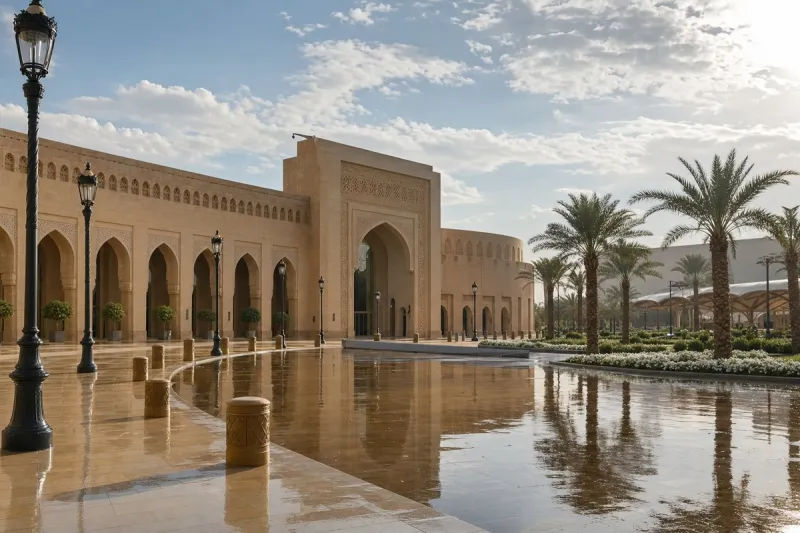
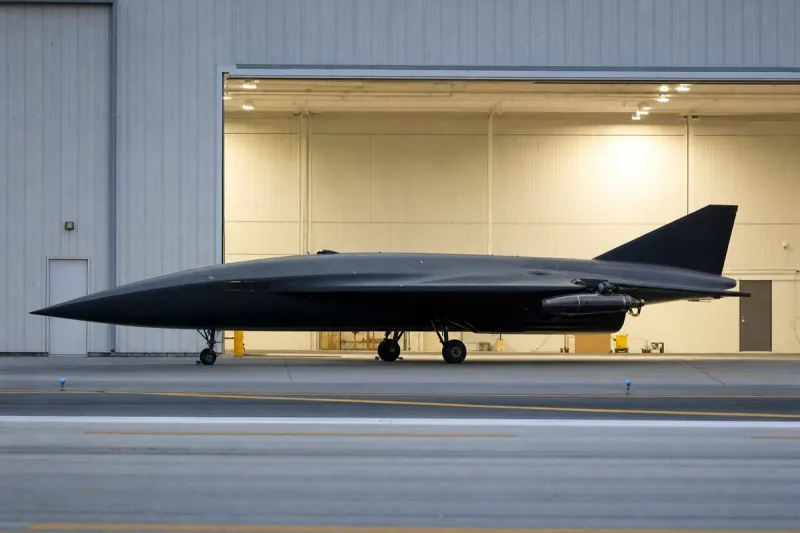
NetJets Plans $35 Million Campus at Dallas Love Field, Starting November 2026
Why It MattersLarge fractional operators are increasingly investing directly in dedicated ground infrastructure at high-traffic private jet airports, signaling that terminal and maintenance capacity is becoming a competitive asset alongside fleet size.
What happened
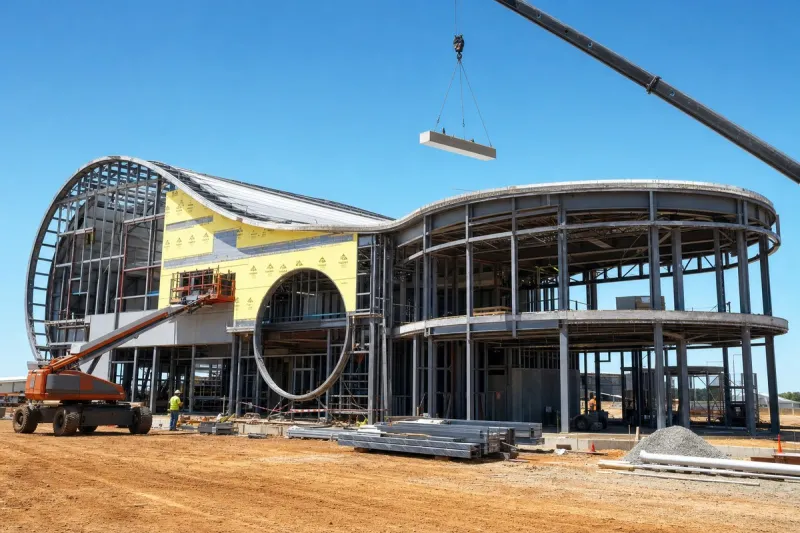
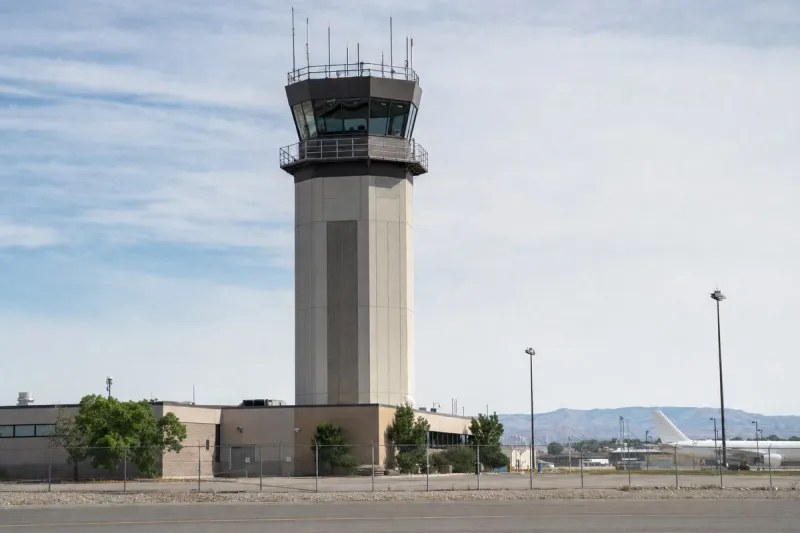
NetJets is set to build a new $35 million facility at Dallas Love Field (KDAL), according to construction permits filed with the City of Dallas and records submitted to TexasDLR. The project, formally called the Dallas NetJets Campus, is scheduled to begin in November 2026 and be completed by May 2028, covering a total of 80,000 square feet.
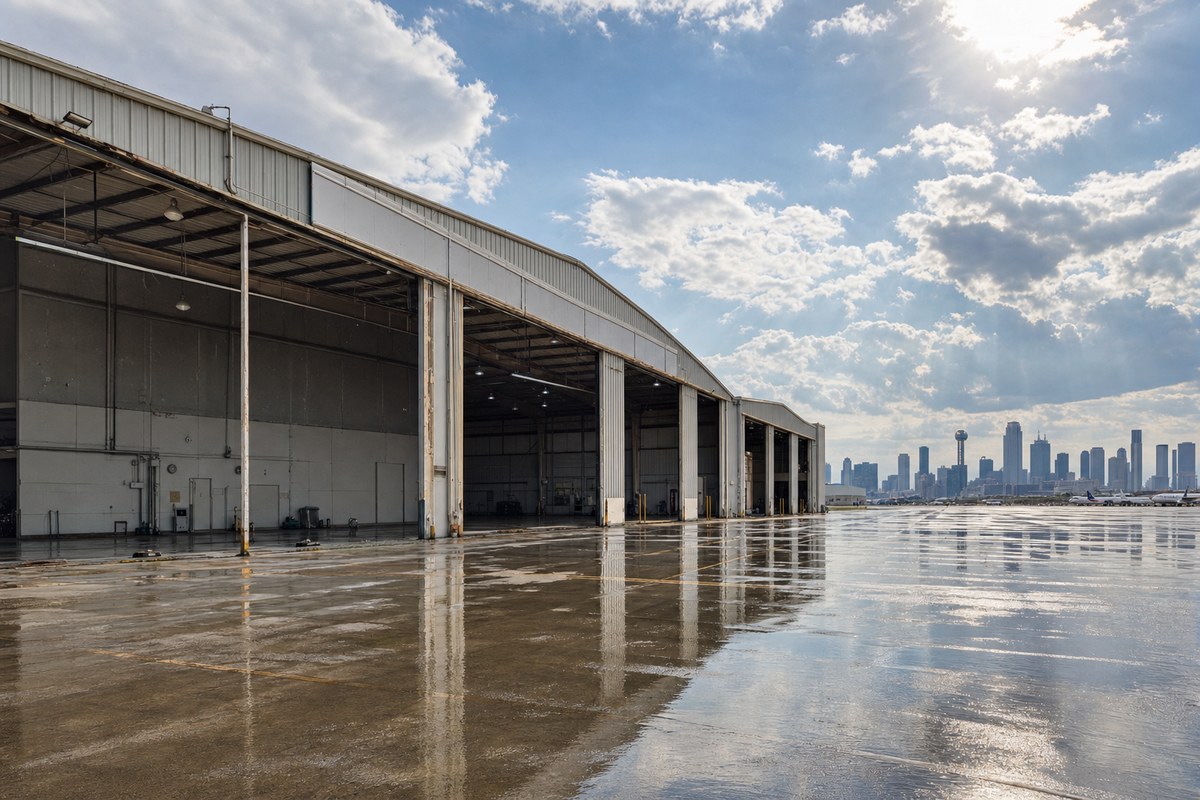
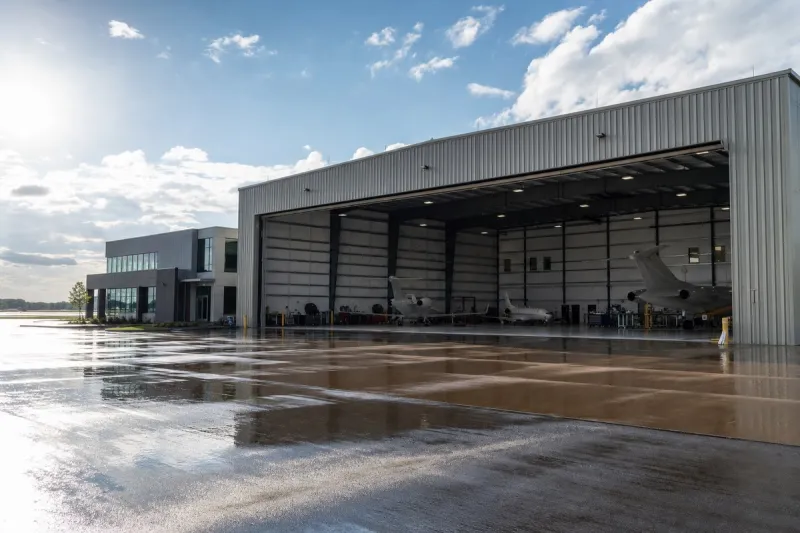
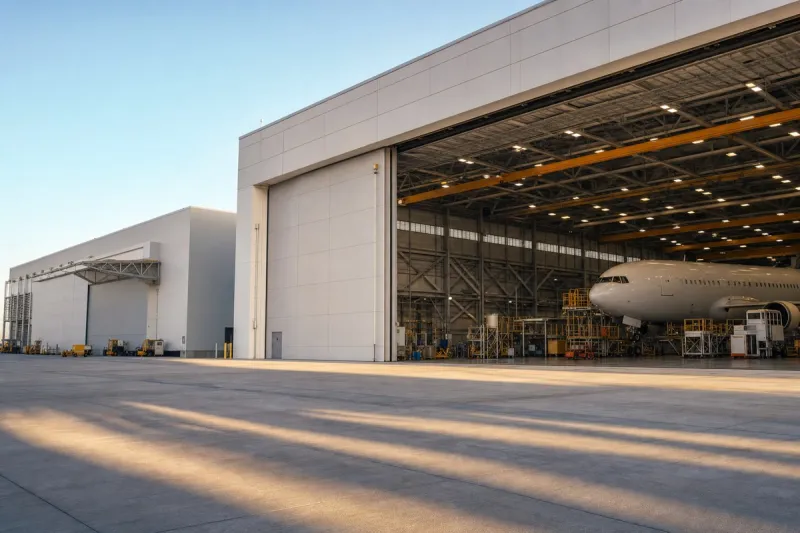
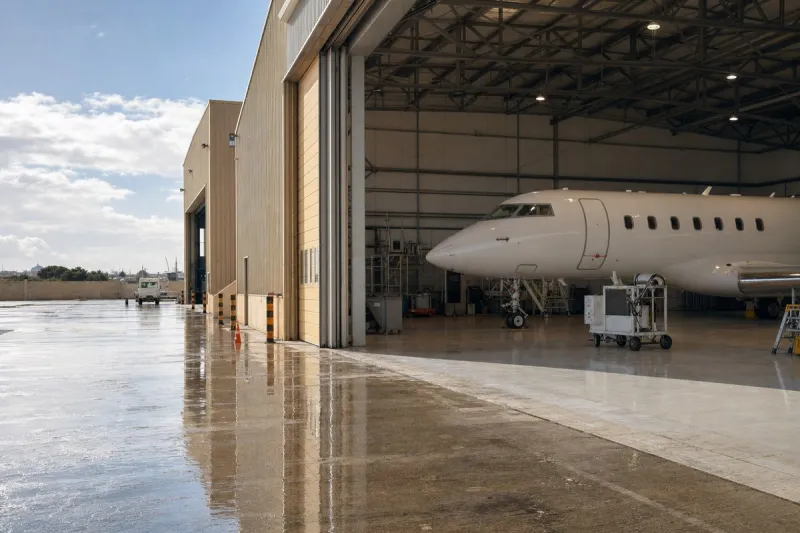
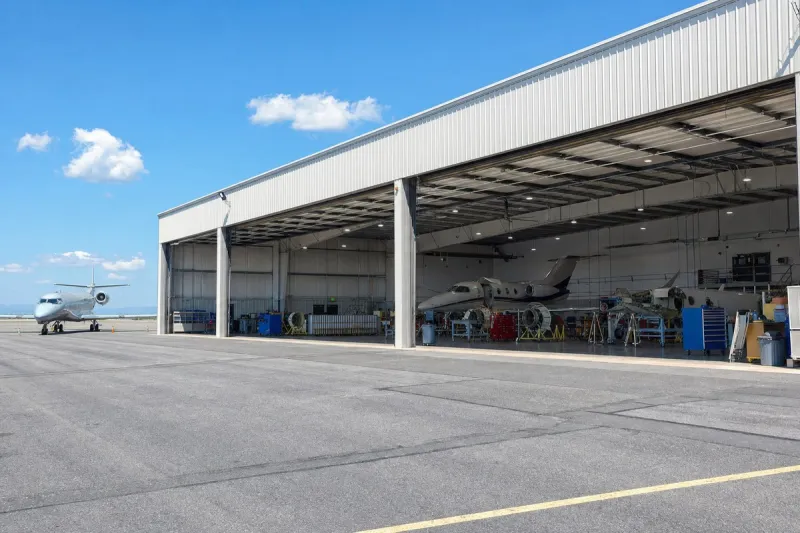
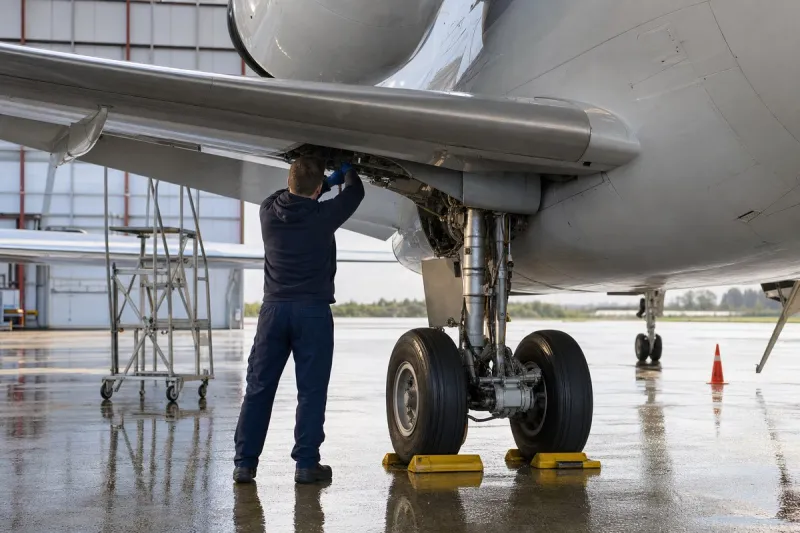
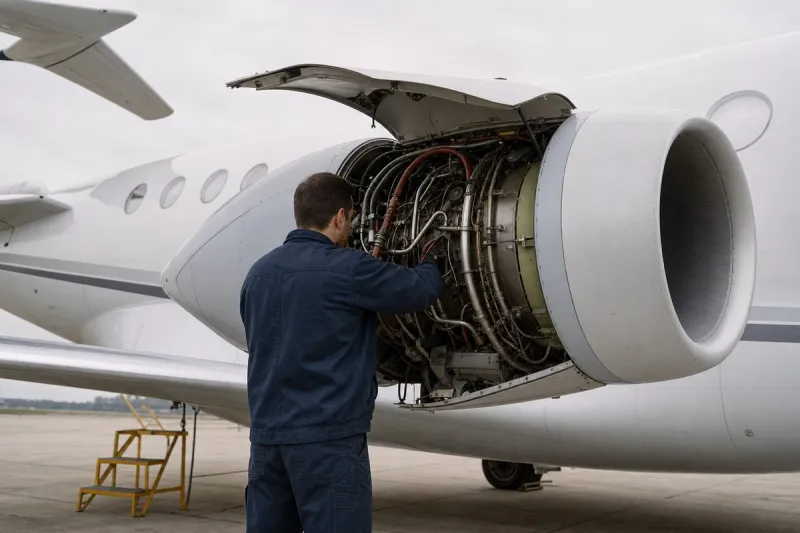
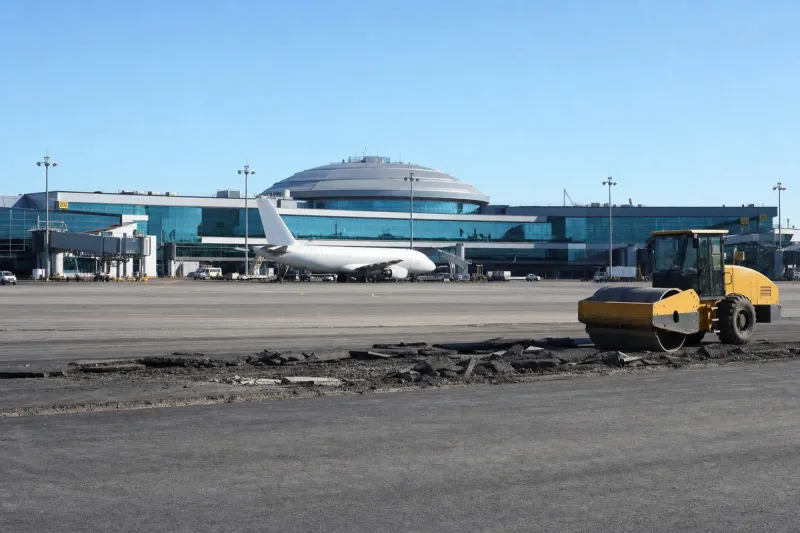
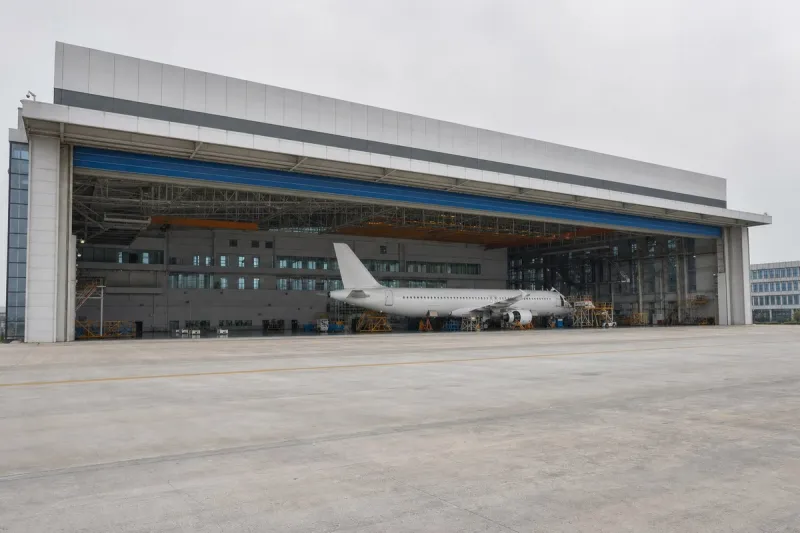
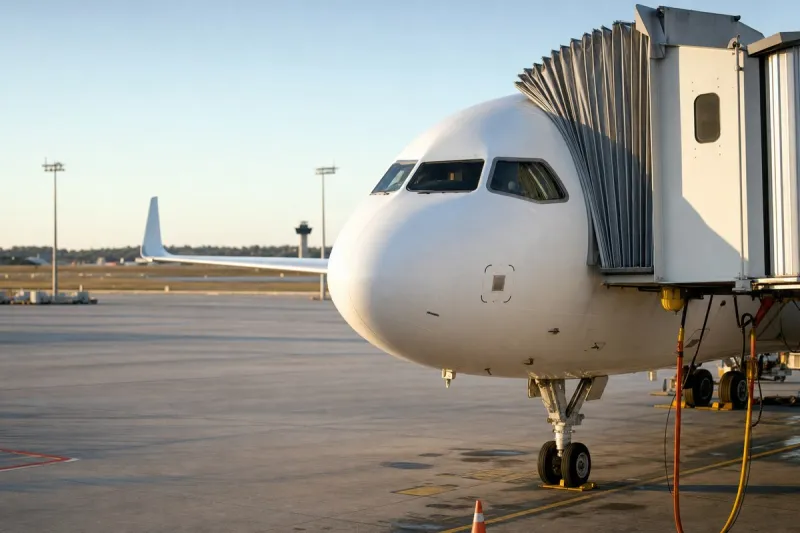
The three-phase development will first demolish six existing aircraft hangars — Buildings E, F, K, L, M, and N — along with Terminal J, down to their foundations. Phase two will construct a new 14,000-square-foot private passenger terminal and renovate existing parking, landscaping, and utility infrastructure. Phase three will erect an 80,000-square-foot aircraft maintenance hangar, designated Hangar E, along with 20,000 square feet of warehouse shops and office space.
Dallas-based design firm Corgan Associates, which has experience at airports across the United States, is leading the design work. Dallas Love Field was ranked the second-busiest private jet airport in the United States in 2025.
Industry impact & what to watch
A fractional provider committing to a multi-year, multi-phase ground campus rather than leasing existing space points to a broader shift among large operators toward owning purpose-built terminal and maintenance capacity at the airports where their demand is concentrated. Building a dedicated passenger terminal alongside a large maintenance hangar suggests the plan is meant to support both scheduled upkeep and passenger throughput from one site, rather than solving a single bottleneck.
In markets like Dallas Love Field, where private jet volume is already high, ground infrastructure — hangar space, terminal capacity, parking — becomes a real constraint on how much traffic an operator can serve locally, independent of fleet size. Projects like this show operators treating that infrastructure as a long-term asset to secure rather than a cost to minimize.
The next milestones to watch are the demolition of the six existing hangars and Terminal J at the start of the November 2026 phase, and whether the passenger terminal and Hangar E are delivered on the stated May 2028 timeline.