Modified Business Jets Gaining Ground as Preferred Platforms for Military ISR and AEW&C Missions
Why It MattersThe shift signals defense planners now value commercial jet production lines and maintenance networks for lifecycle cost savings over legacy military airframes in surveillance roles.
What happened
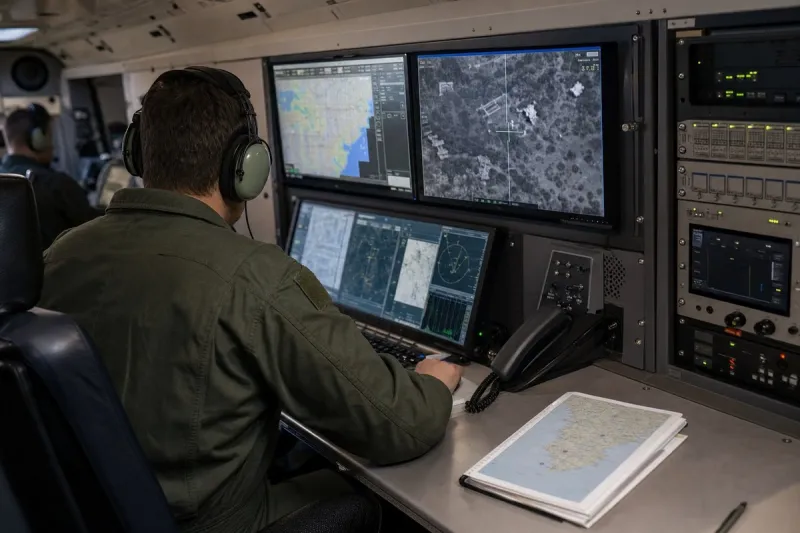
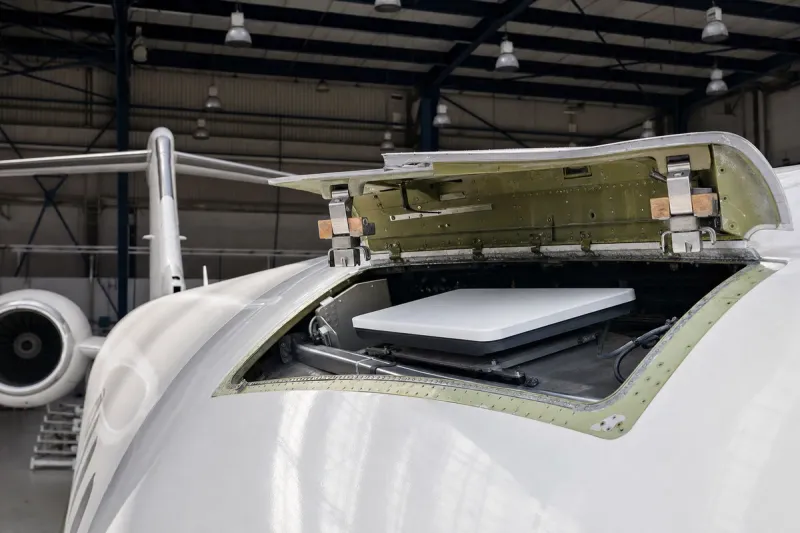
Militaries across the United States, Europe and the Asia-Pacific are increasingly turning to modified business jet platforms for airborne Intelligence, Surveillance and Reconnaissance (ISR) and Airborne Early Warning and Control (AEW&C) missions, as legacy commercial aircraft prove insufficient to meet modern operational demands. Business jets such as the Bombardier Global and Challenger series offer high-altitude performance, extended range, speed up to Mach 0.90, and the structural flexibility to integrate advanced sensors, radars and mission systems. Proponents argue these platforms are more cost-effective to procure, operate and sustain over their lifecycle than older legacy aircraft, benefiting from mature commercial production lines and established global maintenance networks.
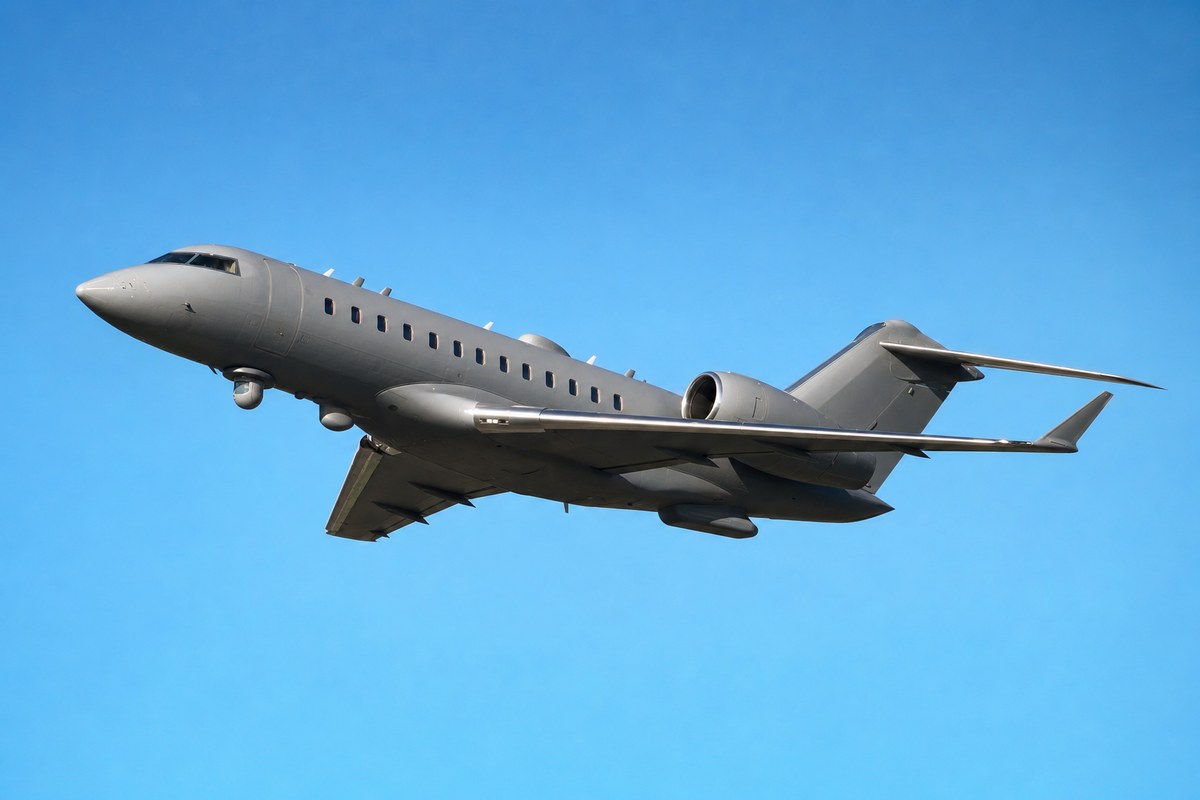
The U.S. Army's HADES program is cited as a concrete example of this shift. HADES is built on the Bombardier Global 6500 platform and is intended to modernize aerial military intelligence collection with long range, high-altitude endurance and expanded mission-system capacity. The Global 6500 features a maximum range of 6,600 nautical miles, more than 18 hours of endurance, a top speed of Mach 0.90, and a maximum operating altitude of 51,000 feet.
In the AEW&C sector, both Saab and L3Harris selected the Bombardier Global 6500 as the foundation for their respective next-generation AEW&C solutions, positioning the aircraft as an airborne command center and long-range surveillance platform capable of extending commanders' situational awareness well beyond the reach of ground-based radar systems.
Industry impact & what to watch
This shift belongs to a broader move away from legacy commercial airframes toward business jets as the base platform for specialized military missions, driven by the mismatch between older aircraft capabilities and current operational demands. In this segment, the same commercial production lines and maintenance networks that support civilian business aviation now double as the sustainment backbone for defense-modified variants, letting programs like HADES and the Saab and L3Harris AEW&C efforts avoid the cost structure of purpose-built military airframes.
Defense analysts point to extended range and altitude as delivering strategic advantages in theaters such as the Indo-Pacific and the Arctic, reducing reliance on forward basing and letting fewer aircraft cover larger areas with greater persistence. Whether this translates into wider adoption will depend on how HADES performs as it moves toward operational use, and on how many additional AEW&C programs beyond Saab's and L3Harris's follow the same Global 6500 basis.