Japan's Railways Buy Into eVTOL as Land Play; China's CRSC Builds the Airspace Control Layer
Why It MattersAdvanced air mobility is splitting into distinct business models by region, with rail operators either capturing land-value uplift around vertiports or, as with CRSC, positioning to control airspace management standards.
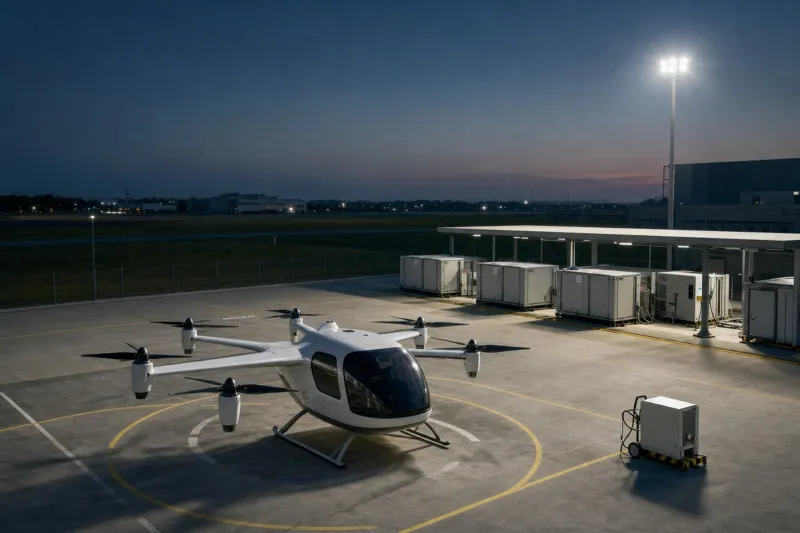
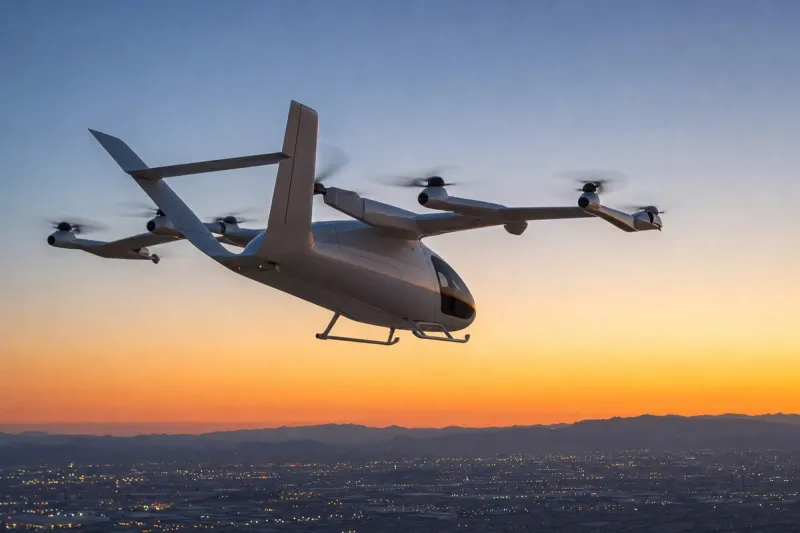
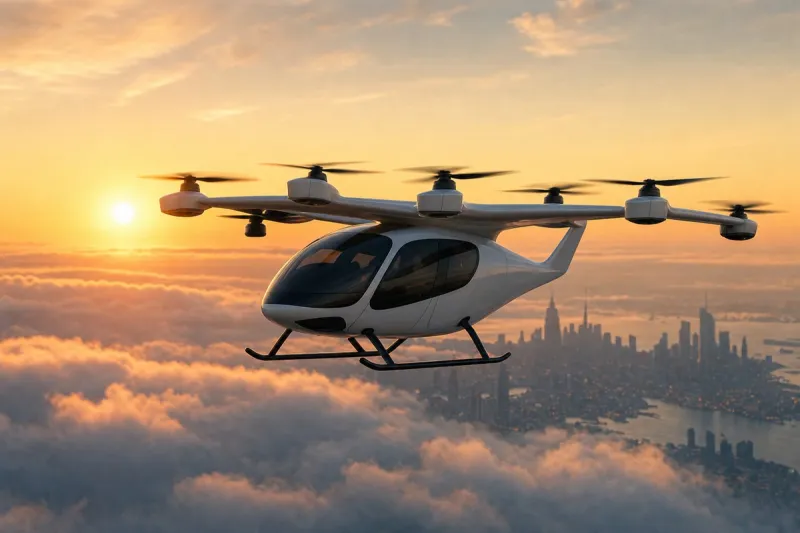
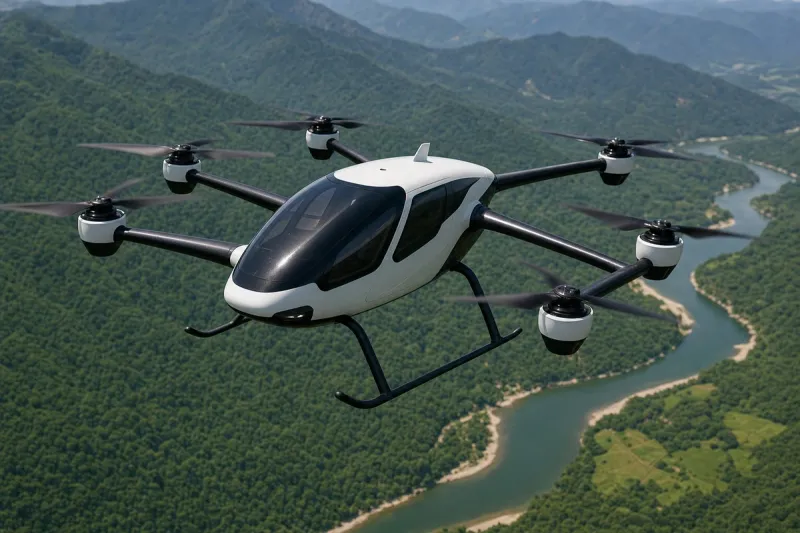
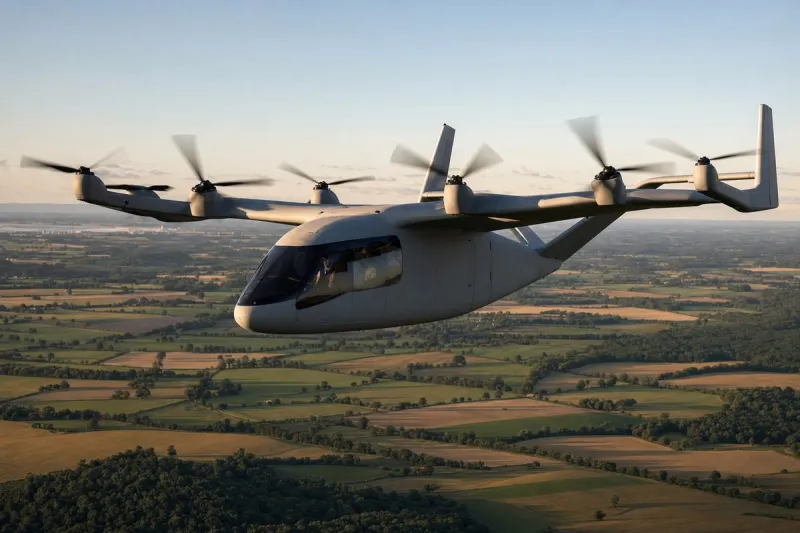
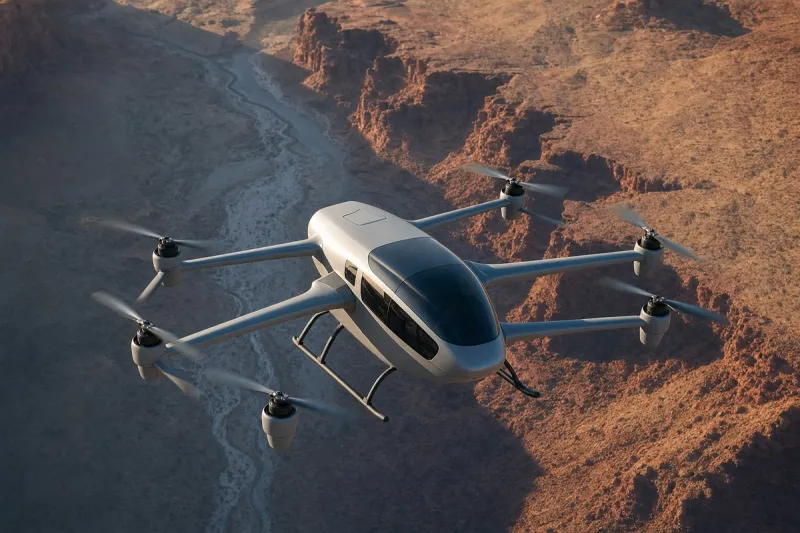
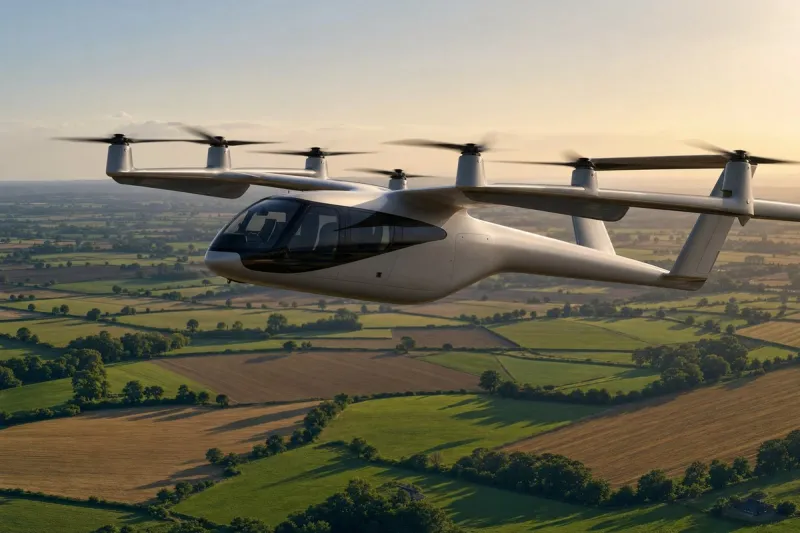
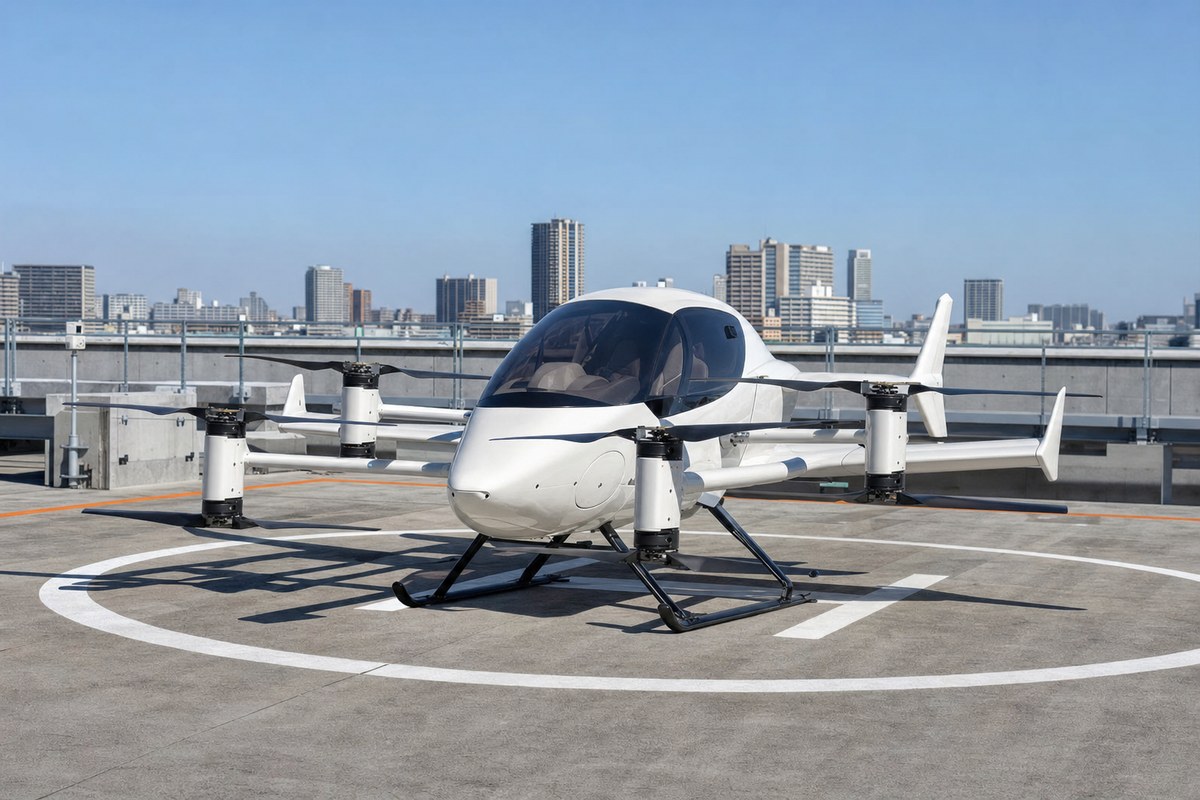
Planning documents for advanced air mobility typically treat railways as infrastructure hosts for vertiports rather than owners of the airspace business, but Japan and China have each taken a different half of that role. In Japan, SkyDrive, the eVTOL developer based in Aichi Prefecture, has secured capital and alliances with four railway companies: JR East and JR Kyushu joined an 8.3 billion yen pre-Series D round led by MUFG Bank in July, pushing SkyDrive's cumulative funding past 43 billion yen, while Kintetsu Group Holdings and Osaka Metro were already shareholders. Each railway has tied specific routes to properties it already operates — Kintetsu has picked three candidate vertiport sites in the Shima area, Osaka Metro is targeting first service around Morinomiya for 2028, JR Kyushu signed a three-way agreement with Oita Prefecture for scenic flights over Beppu Bay, and JR East pre-ordered a SkyDrive aircraft in August 2025 to carry hotel guests from Morioka. Every route terminates at a hot spring, shrine, resort or scenic property the railways already own, following the model Ichizo Kobayashi established in 1910 with the Umeda-Takarazuka line. SkyDrive became the first Japanese eVTOL developer to earn Approved Design Organization status from the Japan Civil Aviation Bureau on 17 April, and all four operators that had planned commercial flights at Expo 2025 in Osaka withdrew when certification did not arrive in time.
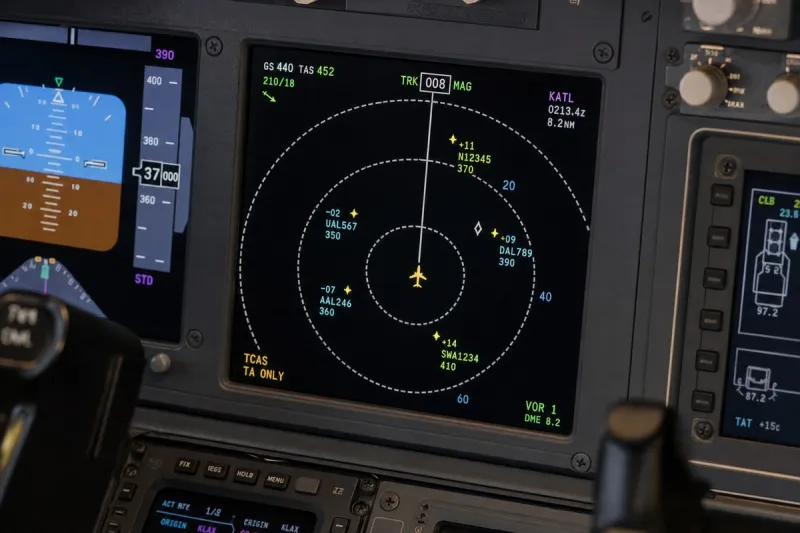
China's approach runs through CRSC, the state signalling enterprise for the country's high-speed rail network, which employs 15,000 people and lists on the Shanghai and Hong Kong exchanges. CRSC's low-altitude subsidiary reported operations across 34 Chinese cities covering 49 service scenarios, more than 50,000 kilometres of cumulative drone flight logged, and 15 airspace management platforms deployed across Qingdao, Xiong'an and Shijiazhuang, including a 111.8 million yuan contract to build Qingdao's integrated low-altitude flight management centre. Its counter-drone systems have identified more than 7,500 unauthorised flights, and it markets its architecture under the name ID-Space. In April, CRSC raised the subsidiary's registered capital from 300 million to 800 million yuan, and first-quarter results recorded 142 million yuan of new low-altitude contracts in a quarter when CRSC's overseas rail orders fell by three-quarters. Guangdong Province has set a low-altitude industry target exceeding 300 billion yuan for this year.
A third case, in France, tests the pattern differently. RATP Group joined a consortium with Groupe ADP, the Île-de-France region and Volocopter for air taxis at the 2024 Paris Olympics, with vertiports authorised near Austerlitz station and built at Saint-Cyr l'École, but European regulators did not certify the aircraft in time, no passenger flights took place, and Volocopter filed for insolvency at the end of 2024 before being acquired out of insolvency in 2025. Equivalent moves have not materialised at Deutsche Bahn, SNCF, Hitachi Rail or Alstom, since European rail operators largely run on public subsidies and land-value uplift around their stations accrues to municipalities and developers rather than to the operator.