Canada's GlobalEye AEW&C Announcement Draws Concerns Over Incomplete Requirements and Procurement Risks
Why It MattersDefence procurements that announce a preferred platform before finalizing and testing requirements against competitors risk locking in a single-source supply chain before trade-offs like radar coverage gaps are fully weighed.
What happened
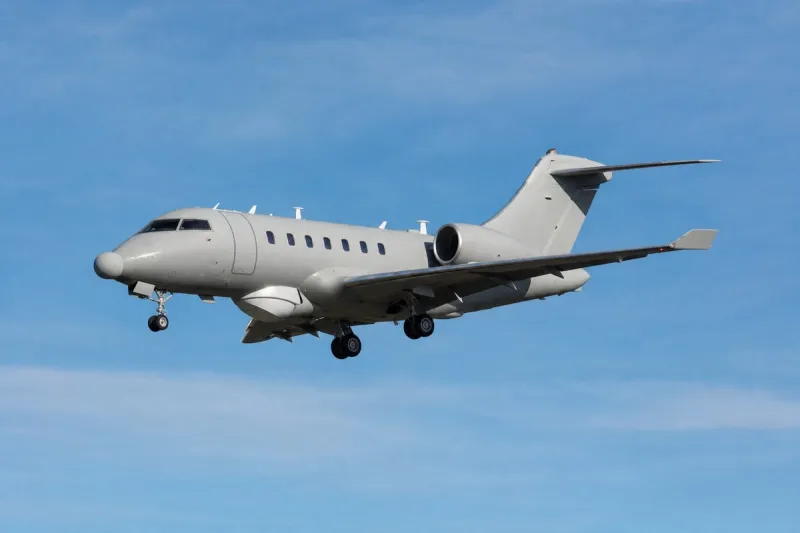
Canada's government announced its intention to acquire the Saab GlobalEye as its new Airborne Early Warning and Control (AEW&C) aircraft at CANSEC, a move that surprised the Royal Canadian Air Force commander and drew concern from military officials and defence analysts because a formal Statement of Operational Requirement (SOR) had not been established beforehand. The government has acknowledged it could still choose a competitor for the contract.
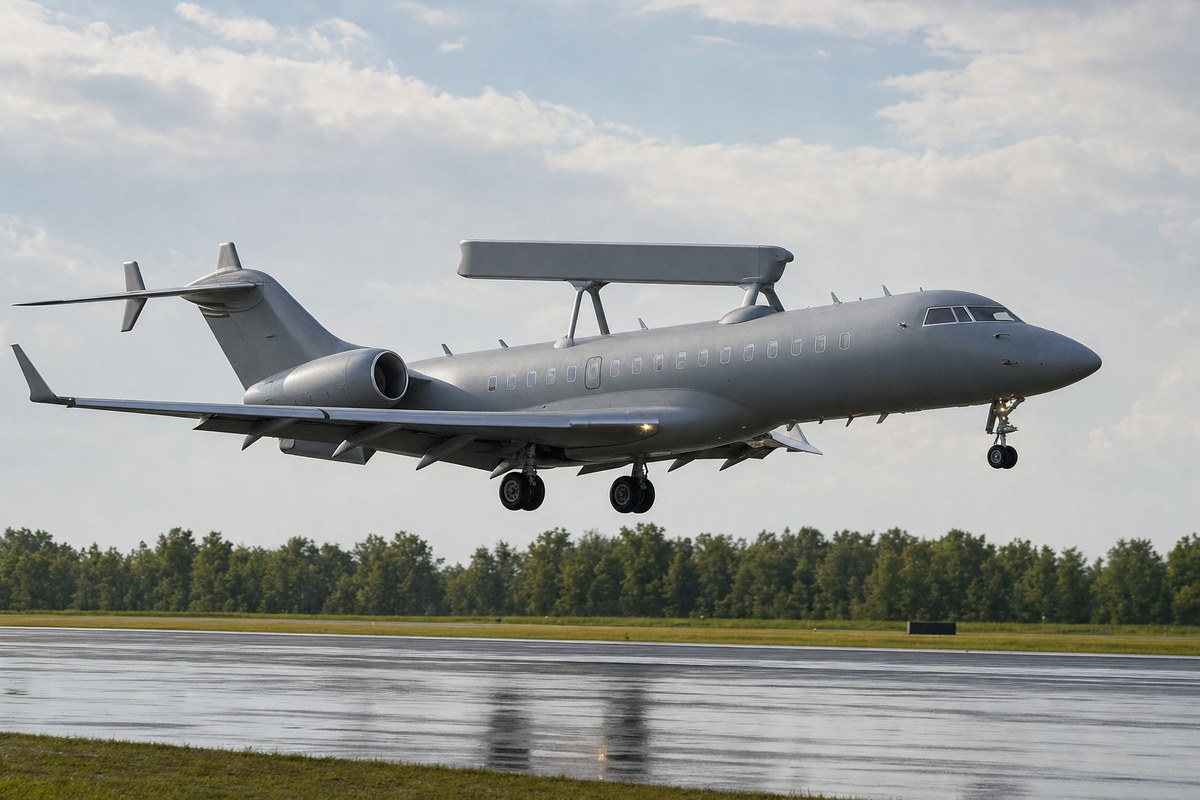
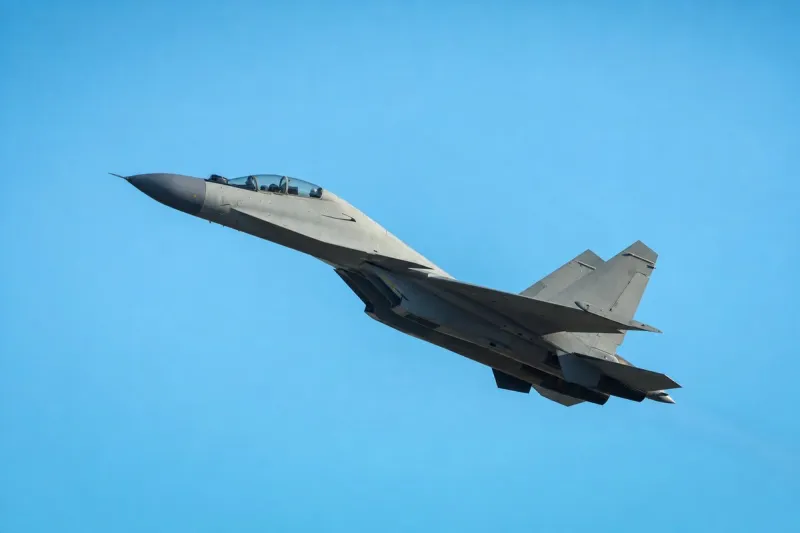
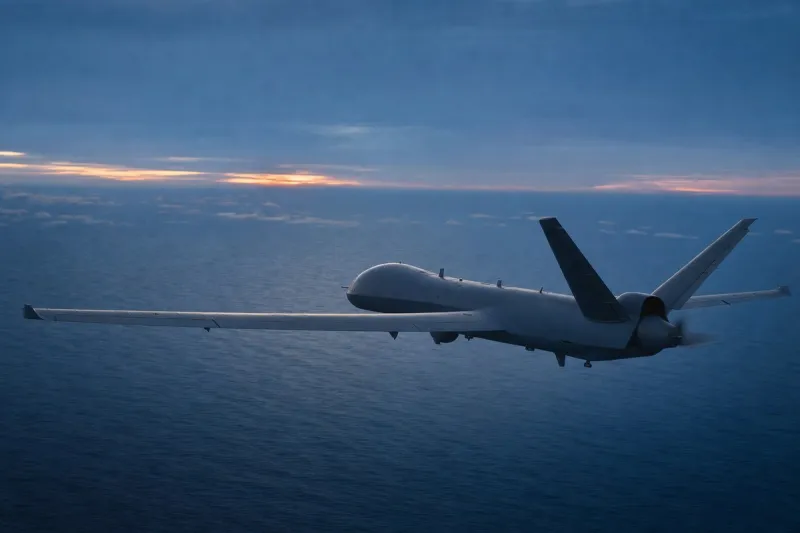
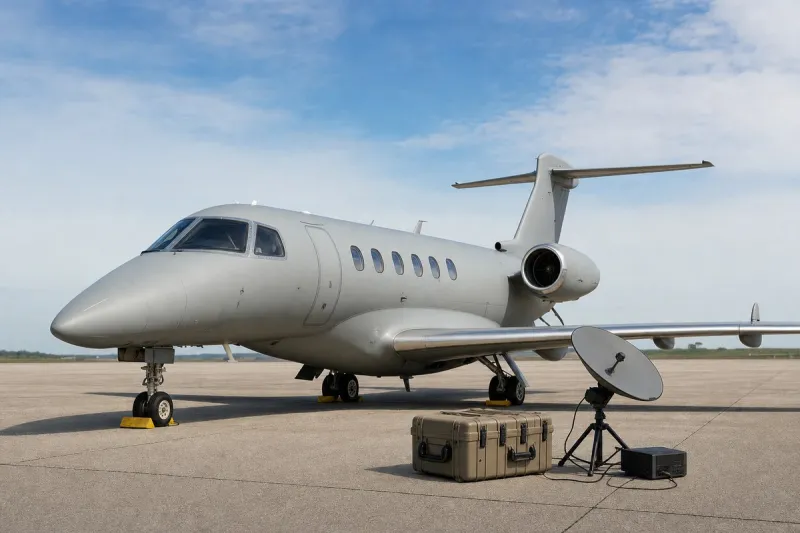
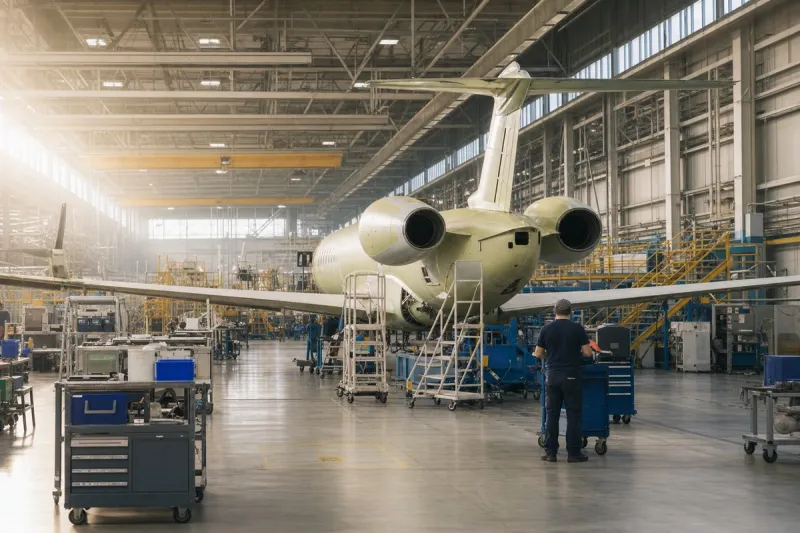
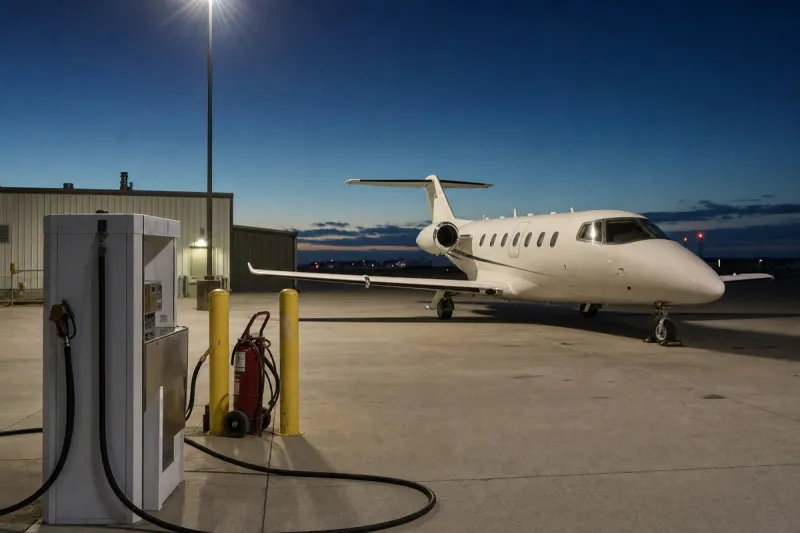
The GlobalEye is built on Bombardier's Global 6000/6500 long-range business jet platform. The Canadian military has raised concerns that the aircraft, in its current design and configuration, does not provide full 360-degree radar coverage. Saab has clarified that the GlobalEye's sensor suite offers 360-degree coverage overall, but that its primary fuselage-mounted radar covers approximately 300 degrees. Additional concerns have been raised about the radar's range and frequency, the number of crew stations, and connectivity equipment requirements. Stephen Fuhr, Secretary of State for Defence Procurement, acknowledged that trade-offs would be involved and that factors beyond strict operational requirements need to be weighed. The SOR was described as incomplete, not distributed to competing bidders, and not assessed by the government before the announcement.
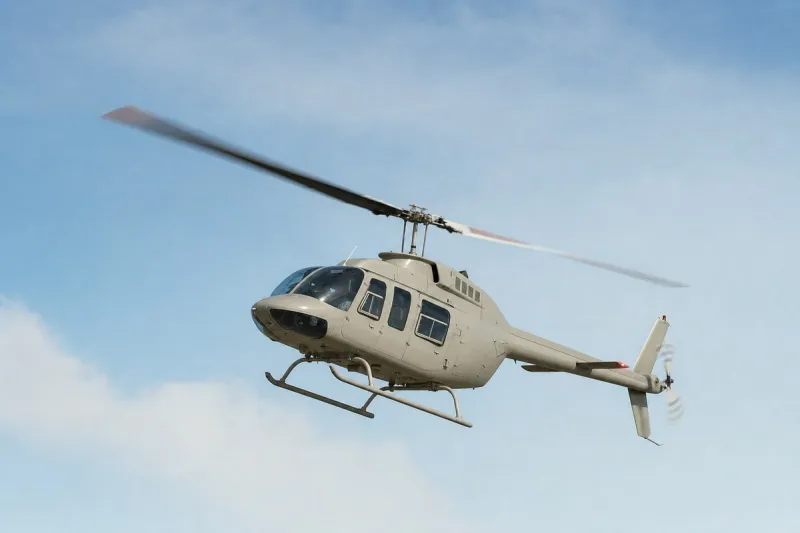
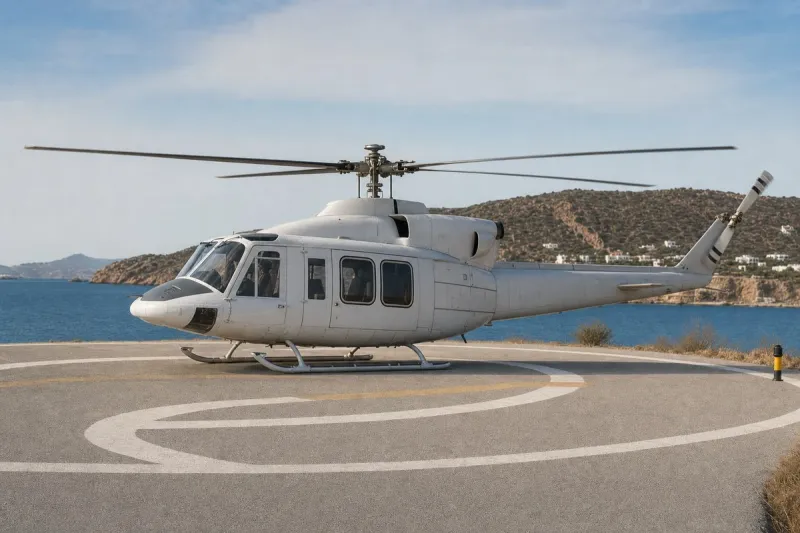
Currently, the UAE is the only country operating the GlobalEye. Sweden, France, and NATO have also selected it as their AEW&C replacement, though analysts note those nations may not require mid-air refuelling capabilities as Canada does. Defence analysts have drawn a parallel to Canada's CH-148 Cyclone helicopter programme, based on the civilian Sikorsky S-92, which suffered delays, requirements creep, cost overruns, and engineering redesigns. A fleet of 28 Cyclone helicopters is not expected to be fully operational until 2029, about 25 years after first delivery, and in May 2025 spare parts shortages left all but three helicopters grounded. Vice-Admiral Angus Topshee has said he would replace the Cyclones if he could. No allied nation purchased the CH-148.
Industry impact & what to watch
This case sits in a familiar category for defence acquisition: a platform announcement made ahead of a completed requirements process, which narrows the field before trade-offs are formally weighed against competitors. When an SOR is incomplete and not distributed to bidders, the government loses the comparative baseline that is supposed to test whether a chosen aircraft's shortfalls, such as the GlobalEye's roughly 300-degree primary radar coverage, are acceptable against mission needs.
The segment's economics depend heavily on fleet size and shared supply chains. With the UAE as the only current GlobalEye operator, and Sweden, France and NATO selecting it without Canada's mid-air refuelling requirement, Canada would be adopting a platform with a narrow user base and a support structure not yet proven against its specific operational profile. The CH-148 Cyclone experience, where a civilian-derived platform with no allied buyer took roughly 25 years to approach full operational status and suffered a 2025 grounding from spare parts shortages, illustrates how thin supply chains compound requirements gaps over time.
What happens next depends on whether Canada completes and distributes the SOR, opens a genuine competitive assessment, and specifies how the radar coverage and crew-station concerns will be resolved before a contract is signed.