Boston Logan Runway Construction Triggers Hundreds of Daily Delays in September 2026
Why It MattersConcentrated runway work at a dominant hub shows how a single closure cascades through a carrier's connecting network and pressures airlines to publicly reroute passenger expectations rather than schedules.
What happened
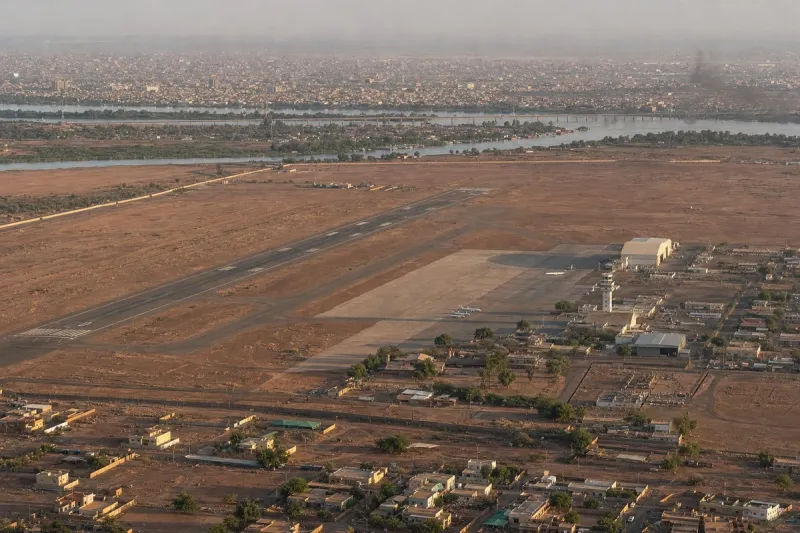
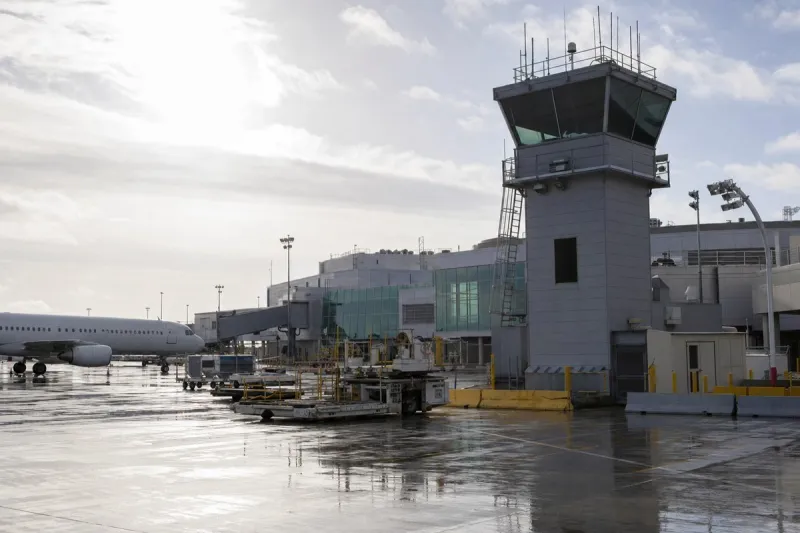
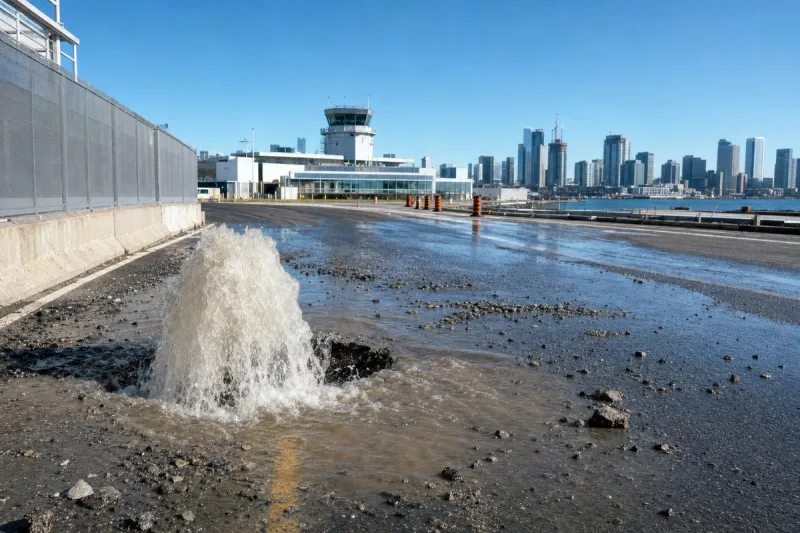
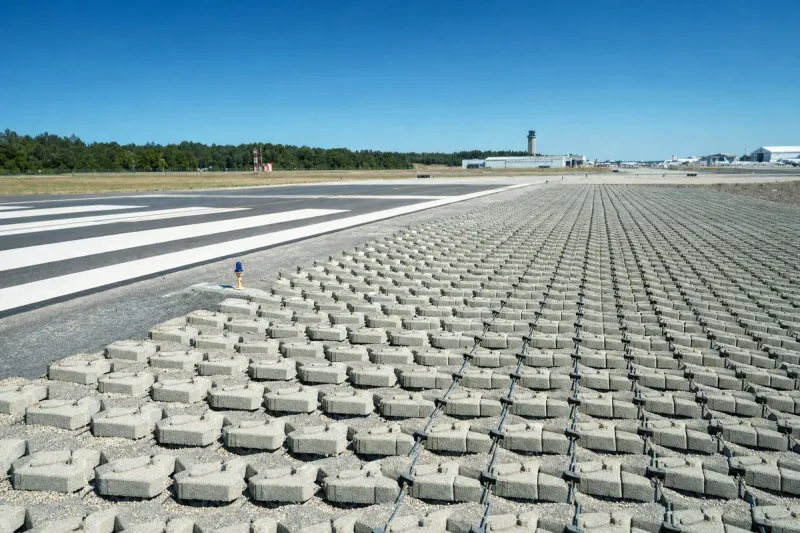
Boston Logan International Airport's runway 9-27 began a 75-day closure on September 2, 2026, so crews could install an Engineered Materials Arresting System (EMAS), a crushable soft-concrete barrier designed to stop aircraft that overshoot a runway end. Massport, the airport authority, says a second 75-day closure is planned to begin after July 1, 2026, and that delays are expected particularly in afternoons and evenings through mid-November 2026, advising passengers to check with their airlines.
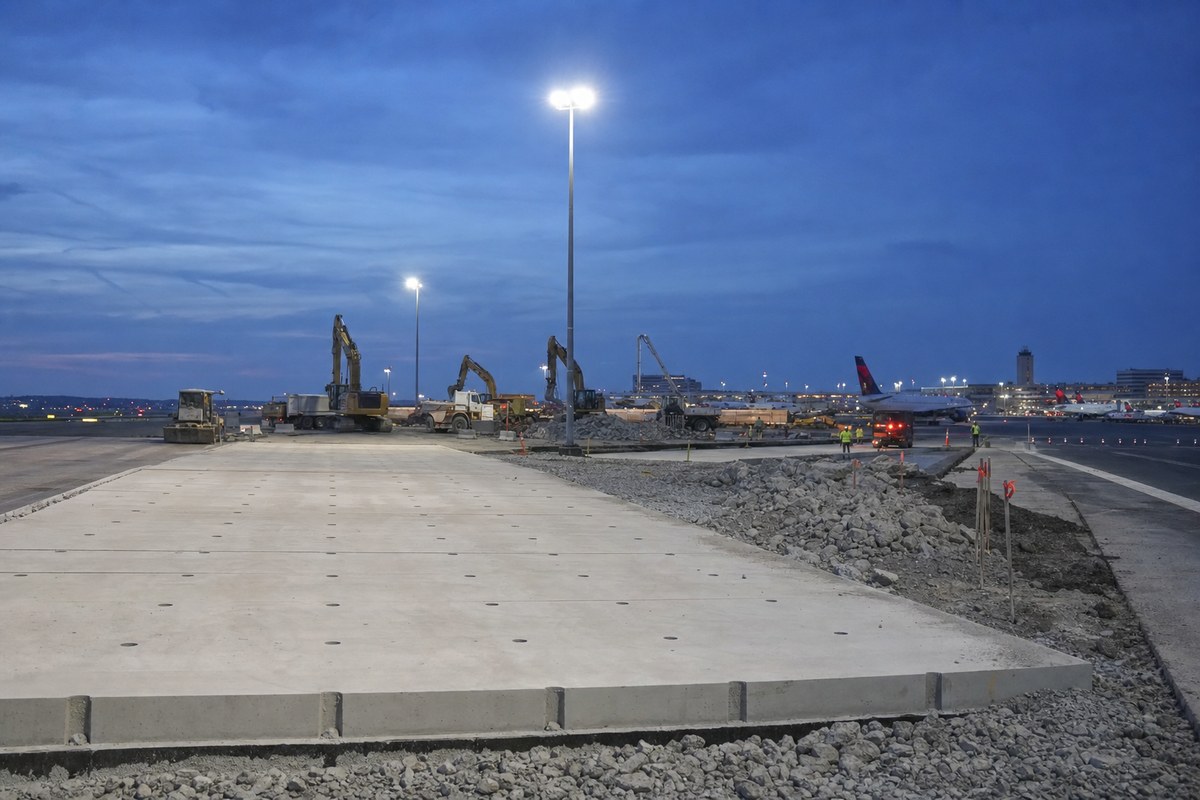
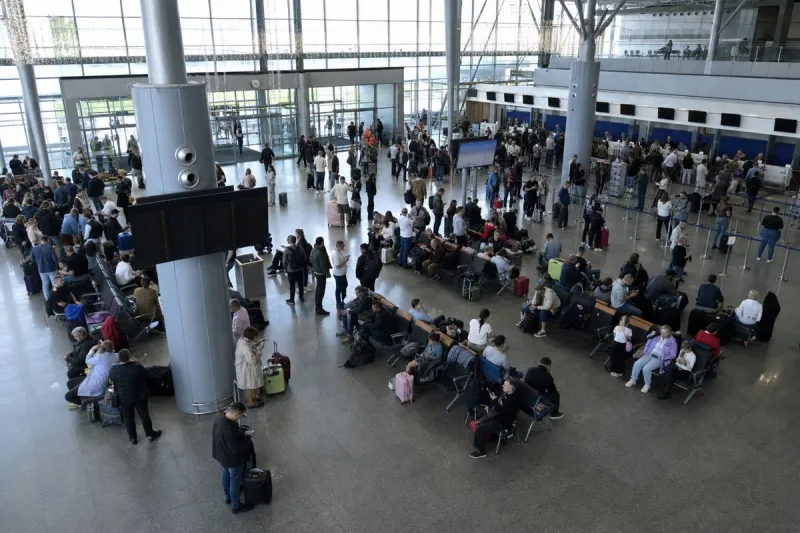
Disruption data shows the scale of impact across three days. On September 4, there were 434 delays and 6 cancellations, with the FAA reporting average gate-hold delays of 43 minutes. On September 6, there were 256 delays and 59 cancellations, arriving flights saw a 30% delay rate, and JetBlue alone recorded 133 delays and 25 cancellations that day. On September 7, there were 208 delays and 9 cancellations, with FAA ground delays averaging 44 minutes, departing flights logging 17% delays and inbound flights 10%.
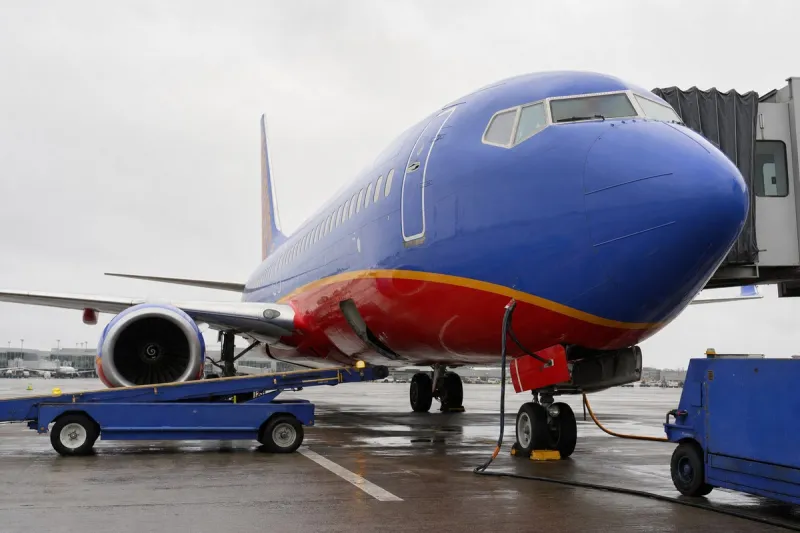
JetBlue, Boston Logan's largest carrier, is the most exposed airline due to its dense point-to-point schedule out of the airport. The carrier is separately delaying the launch of its Boston–London Heathrow transatlantic service, originally expected August 22, to September 20, citing unexpected Airbus production delays. American Airlines reported 241 delays nationally on September 6, with a concentration at Boston affecting connections through Philadelphia, Charlotte, Washington, Chicago, and Dallas. United Airlines reported 167 delays and 9 cancellations nationally the same day, identifying Boston Logan as a primary affected hub.
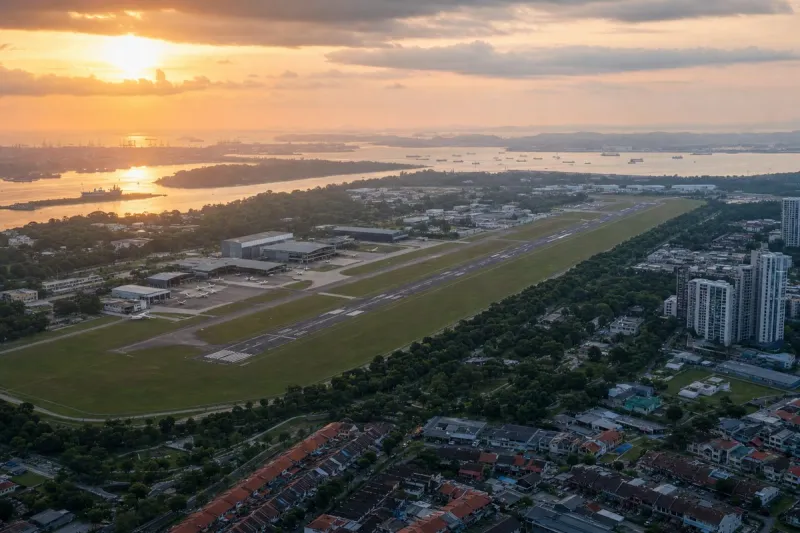
EMAS is installed at more than 120 US airports. Runway 9-27 approaches water on both ends — the Charles River Basin to the west and Boston Harbor to the east. The installation has drawn additional attention following a fatal Amazon cargo aircraft crash at Miami International Airport, which does not have EMAS on runway 30; the absence of EMAS there is a focus of the National Transportation Safety Board's investigation into that accident.
Industry impact & what to watch
Runway safety upgrades and daily throughput sit in direct tension at busy single-hub airports: a closure timed for months, not days, forces airlines to absorb the loss of capacity through gate-hold delays and cancellations rather than through schedule changes they control. Boston Logan's case shows how concentrated a single carrier's exposure can be — JetBlue's point-to-point route structure out of one airport means a runway closure there registers disproportionately in its system-wide delay counts compared with American or United, which can partially reroute connecting traffic through other hubs.
The timing also illustrates how safety infrastructure decisions get reframed by unrelated events. EMAS installation at Boston was already scheduled, but the Miami cargo accident and the NTSB's focus on that airport's lack of EMAS on runway 30 gives the Boston project added public salience it would not otherwise have carried.
What happens through mid-November will depend on how Massport and the airlines manage afternoon and evening peak demand against the reduced runway configuration, and on whether JetBlue's rescheduled September 20 Heathrow launch proceeds without further slippage. The second 75-day closure, planned to begin after July 1, 2026, will be the next test of whether airlines and passengers adapt their expectations to a now-recurring disruption pattern at the airport.