FAA Proposes Airworthiness Directive for Bell Textron Canada 206L Helicopters with Van Horn Aviation Rotor Blades
Why It MattersThe proposal shows regulators can mandate flight-manual limits as an interim safety fix while a root-cause investigation into a supplemental-type-certificate modification continues.
What happened
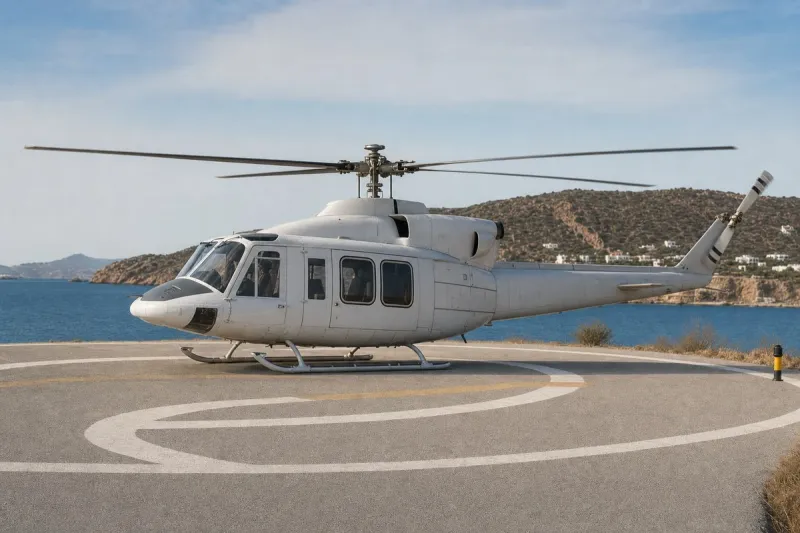
The Federal Aviation Administration has issued a Notice of Proposed Rulemaking proposing an airworthiness directive for Bell Textron Canada Limited Model 206L helicopters equipped with Van Horn Aviation main rotor blades, part number 20633000-101, installed under FAA STC SR02684LA.
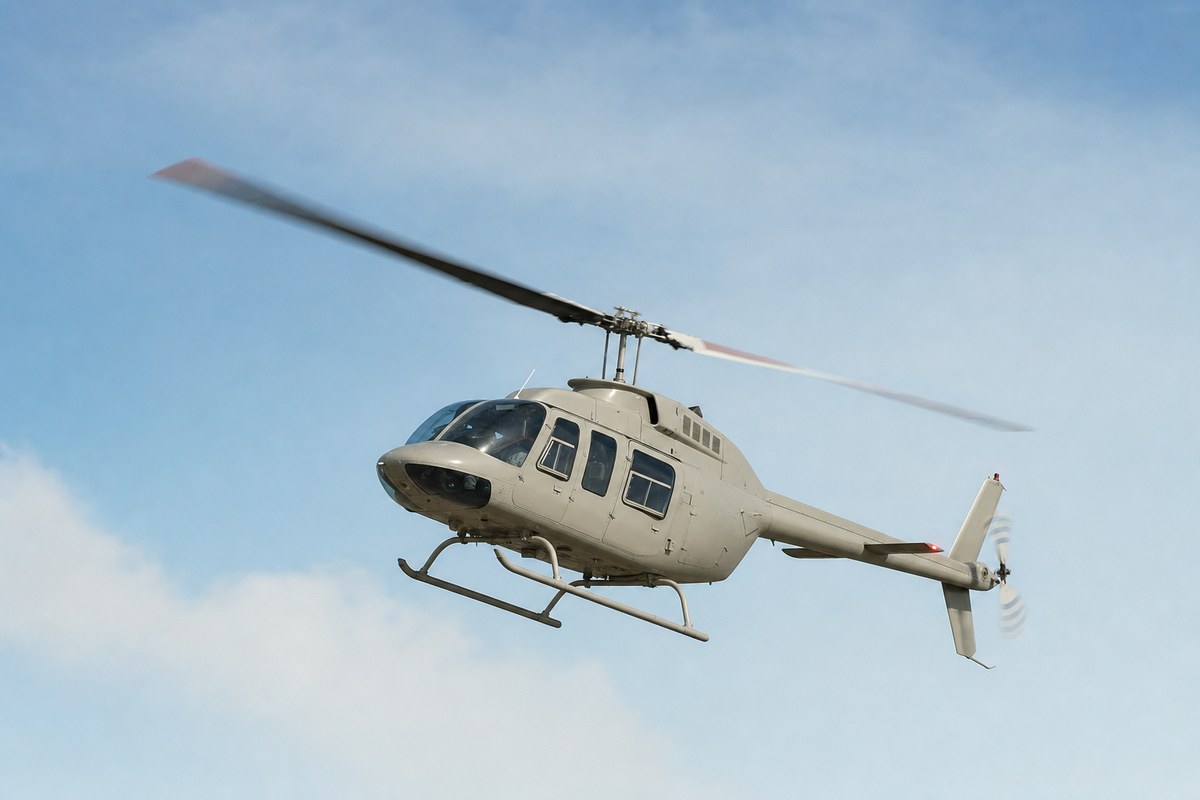
The proposed AD was prompted by a reported incident in which a Bell Model 206L helicopter with the STC installed experienced moderate to severe vertical vibration during flight. Post-flight inspection revealed tail boom damage. During the event, the pilot lowered the collective to begin a descent; when the pilot subsequently raised the collective and initiated a left turn, the vibration diminished and a landing was completed without further incident. The root cause of the vibration is still under investigation.
The proposed AD would require operators to revise the Limitations section of the existing rotorcraft flight manual to include a never-exceed-speed limitation based on gross weight, and to incorporate a rotorcraft flight manual supplement into the existing manual. The FAA noted that this action may be performed by an owner or operator holding at least a private pilot certificate, rather than requiring a licensed mechanic, as it involves only a revision to the flight manual. The FAA must receive comments on the proposed AD by October 26, 2026, submitted via docket FAA-2026-8796 at regulations.gov.
Industry impact & what to watch
This case illustrates how the FAA responds to a single reported in-flight event tied to a supplemental type certificate modification: rather than grounding the fleet, it moves to constrain the operating envelope while the underlying cause is examined. The agency explicitly frames the RFM revision as an interim measure pending completion of the ongoing investigation, not a final resolution.
The mechanism chosen here also shows how STC-driven changes can be addressed through flight manual limitations alone, allowing an owner or operator with at least a private pilot certificate to comply without needing a mechanic's sign-off. That keeps compliance fast and low-cost for operators of affected 206L helicopters while the vibration's root cause remains unresolved.
The FAA said that leaving the condition unaddressed could result in structural damage and loss of control, which is why it is moving ahead of the investigation's conclusion. What settles the matter next is the outcome of that root-cause investigation and whatever comments the docket FAA-2026-8796 draws before the October 26, 2026 deadline.