Iran's UN Envoy Urges UN Chief and Security Council to Push US to End Aviation Sanctions
Why It MattersSanctions aimed at foreign intermediaries rather than just national carriers show how supply chains for spare parts, maintenance and technical services can be squeezed across multiple jurisdictions at once.
What happened
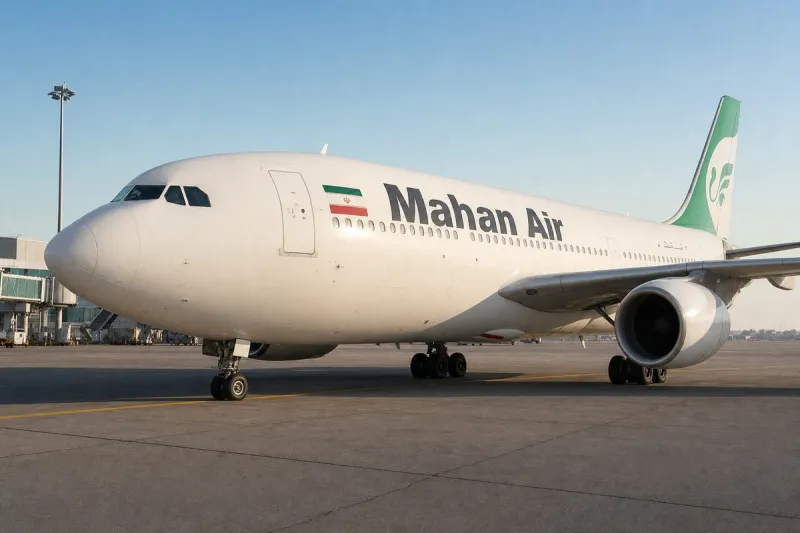
Iranian diplomat Gholamhossein Darzi wrote to UN Secretary-General Antonio Guterres and the president of the Security Council on Wednesday, calling on both to press the United States to immediately lift new sanctions on Iran's aviation sector. Darzi said the sanctions constitute a blatant violation of the UN Charter and fundamental principles of international law, including international human rights law and obligations related to the protection of civilians.
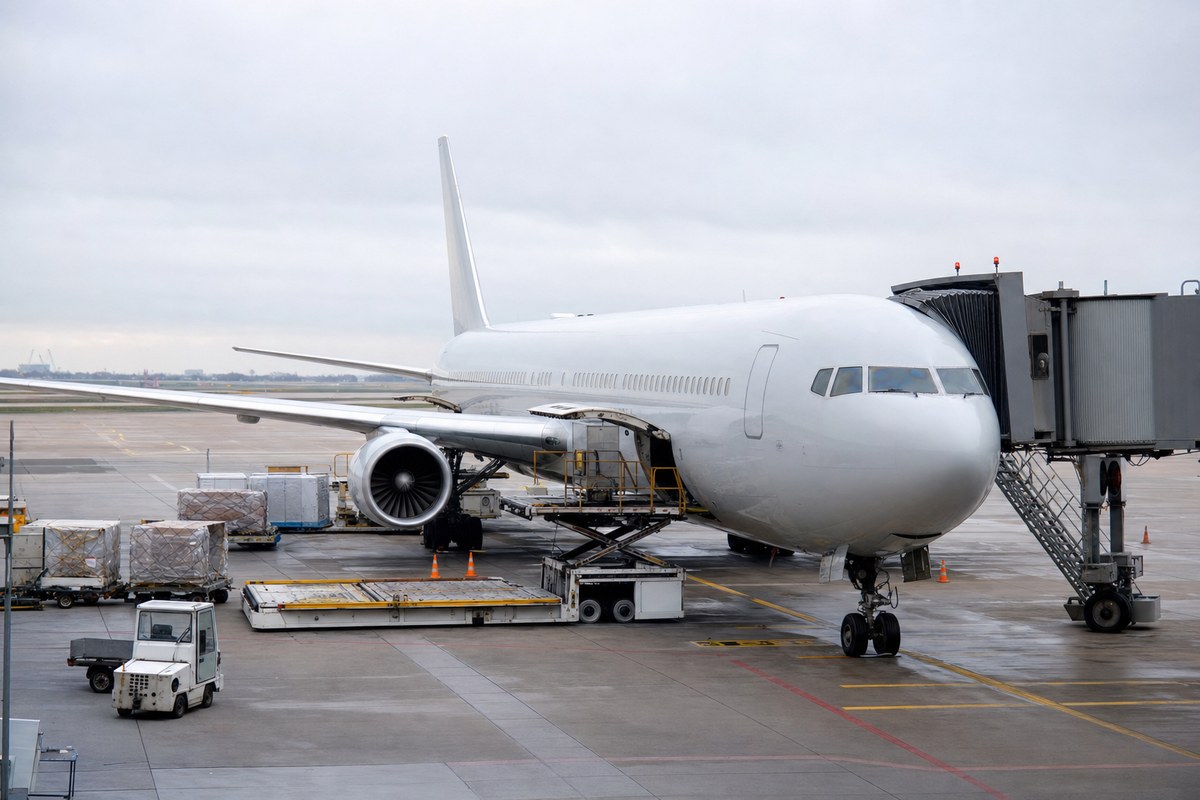
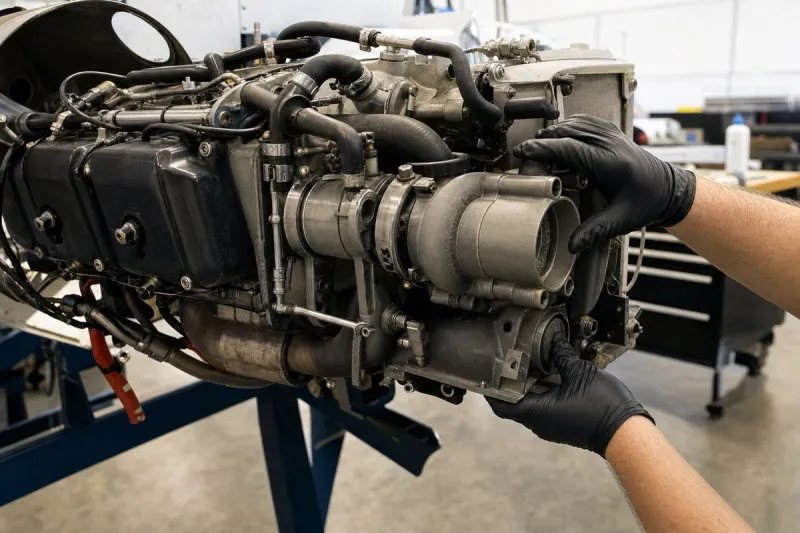
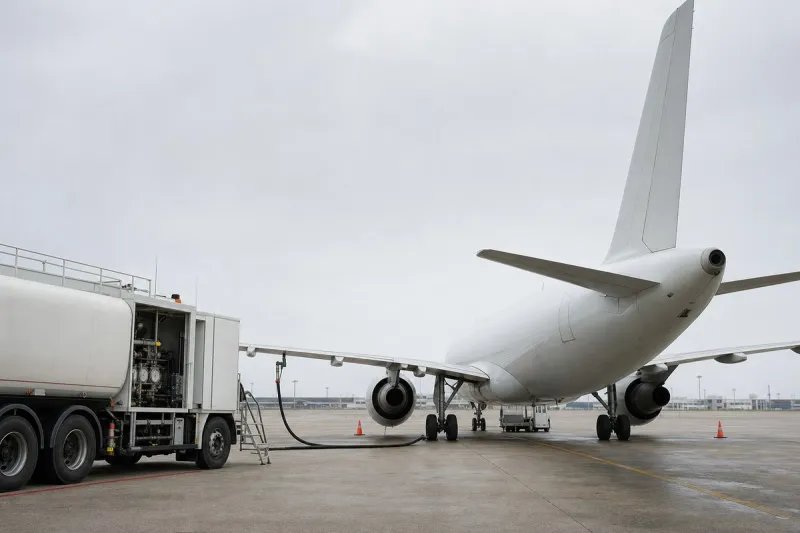
He argued the measures disrupt access to aircraft spare parts, equipment, maintenance, repair, inspection and technical services necessary for the safe operation of civilian aircraft, exposing passengers and aviation personnel to avoidable risks while limiting the movement of millions of civilians. Darzi stated that the US measures are incompatible with the fundamental objectives of the Chicago Convention and will undermine international civil aviation cooperation and efforts to ensure safe, sustainable and accessible air transport.
The envoy cited a 2018 International Court of Justice order that obliged the United States to remove obstacles to the free export of goods and services necessary for the safety of civil aviation in Iran, calling the new sanctions a clear disregard for that ruling. He said Iran would pursue accountability and compensation through all available legal channels, and called on UN member states to refrain from recognizing or implementing US unilateral coercive measures that violate international law and the UN Charter.
According to the US Treasury Department, the sanctions target 35 companies and one individual, including foreign intermediaries linked to Iranian airlines in Turkey, Malaysia, Kazakhstan and the United Arab Emirates. The scope of the measures could extend beyond airlines to companies involved in financing, servicing and the international operation of Iran's air transport sector.
Industry impact & what to watch
This dispute belongs to a long-running pattern of aviation-linked sanctions being contested through diplomatic and legal channels rather than resolved quickly, with each side invoking a different body of international law. Iran leans on the Chicago Convention's safety objectives and the 2018 ICJ order, while the US measures rest on its own sanctions authority targeting intermediaries rather than only the airlines themselves.
Sanctions of this kind work by narrowing the network of companies willing to supply spare parts, maintenance and technical services, which raises the cost and difficulty of keeping a fleet airworthy even when no formal embargo bars a specific transaction. Naming foreign intermediaries in Turkey, Malaysia, Kazakhstan and the UAE signals an effort to close routes that carriers have used to route around earlier restrictions, which is often how enforcement escalates over time.
What happens next depends on whether the Security Council or Secretary-General take any formal step in response to Darzi's letter, and on whether Iran follows through on its stated intent to pursue legal action for accountability and compensation. Also worth watching is whether the Treasury Department expands its list beyond the 35 companies and one individual already named.