Billings Logan International Airport Adopts uAvionix FlightLine System to Enhance Runway Safety
Why It MattersRunway safety technology adoption is accelerating as airports move to give controllers a shared real-time picture of airfield activity rather than relying solely on radio coordination.
What happened
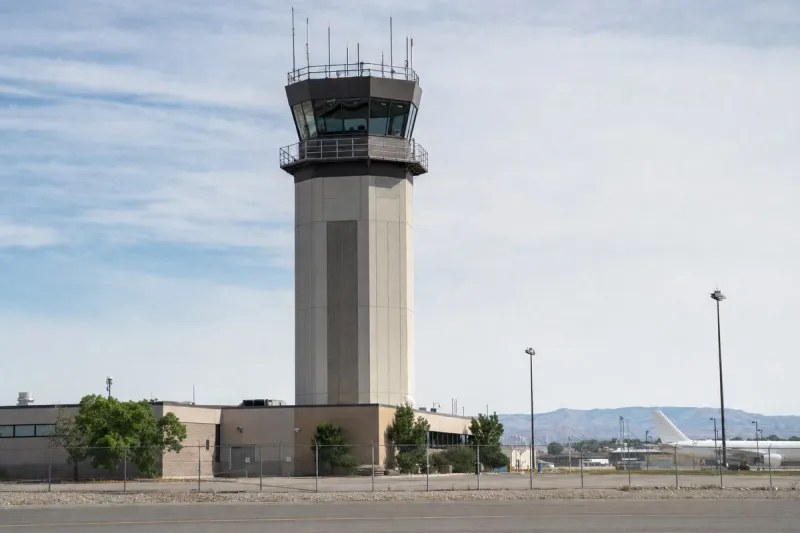
Billings Logan International Airport has become one of the first 100 airports in the United States to deploy FlightLine, a runway safety technology developed by uAvionix and rolled out under the FAA's Surface Awareness Initiative. The system uses ground-based receivers and FAA-certified vehicle transponders to give air traffic controllers a real-time visual display of all vehicles and aircraft moving across the airport's operational area.
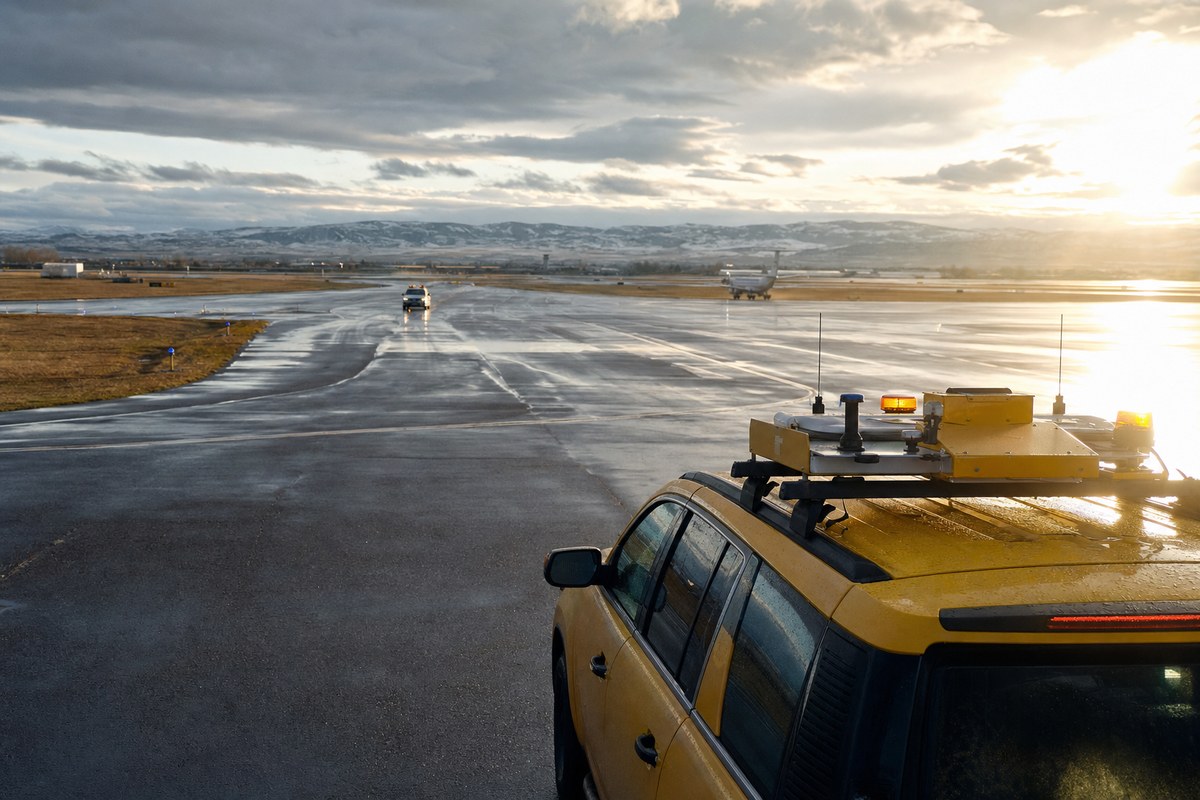
Jeff Roach, director of aviation and transit at Billings Logan International Airport, said the technology enables controllers to intervene before conflicts arise. "The air traffic controller could potentially head off a conflict before it arises," Roach said. He added that FlightLine reduces reliance on radio communication by giving both controllers and ground crews a shared visual picture of the airfield: "They understand and can interpret where those vehicles and aircraft are visually rather than having to rely on radio."
The adoption comes after two recent runway incidents. On August 23, a collision between an Air Canada aircraft and a firetruck on a runway at LaGuardia Airport in New York killed two people and hospitalized at least 43. On August 28, an airport worker in Canada was killed after being struck by a backing aircraft on the tarmac. "Our number one goal is a safe airport," Roach said.
Industry impact & what to watch
This adoption fits into a broader push by the FAA to get real-time surface awareness tools into airports following high-profile ground collisions. The Surface Awareness Initiative pairs ground-based receivers with vehicle transponders so controllers see a unified picture of aircraft and vehicle movement instead of piecing it together from radio calls alone, which is the gap that incidents like the LaGuardia collision and the Canadian tarmac fatality exposed.
How widely this kind of system spreads will depend on how the remaining airports outside the first 100 prioritize deployment, and whether the FAA ties further rollout to specific safety findings from these incidents. Statements from investigators on the causes of the LaGuardia and Canadian incidents would be the next signal of whether surface-awareness mandates broaden beyond voluntary adoption.