Wayfarer's Waylift Retractable Distributed Electric High-Lift System Quadruples Lift in NASA-Funded Tests
Why It MattersThe result points to retractable distributed electric high-lift systems as a route to shorter-field performance on existing certified airframes without redesign.
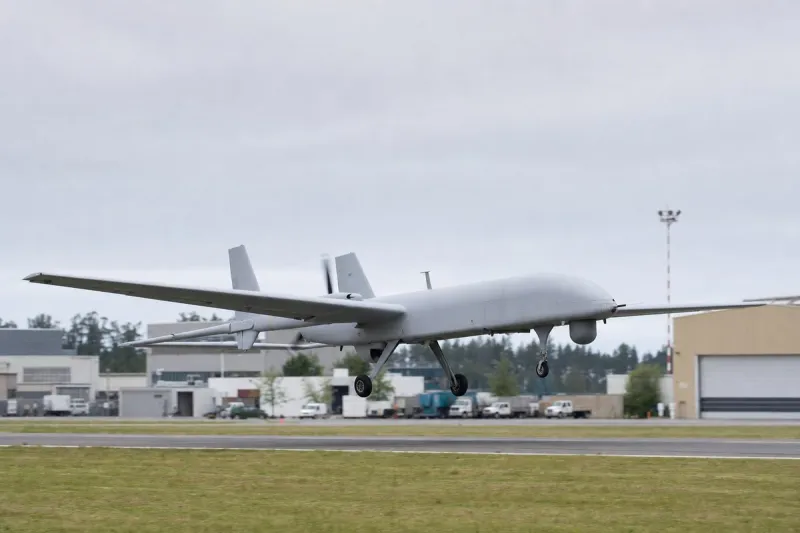
Wayfarer, a San Diego-based startup, has successfully tested its Waylift retractable distributed electric propulsion system on a one-third-scale remotely piloted Cessna 182 model, under a NASA Phase II Small Business Technology Transfer project. The system stores its propulsors inside the wing leading edge, deploying them for takeoff and landing to generate high lift before fully retracting into the wing for cruise flight.
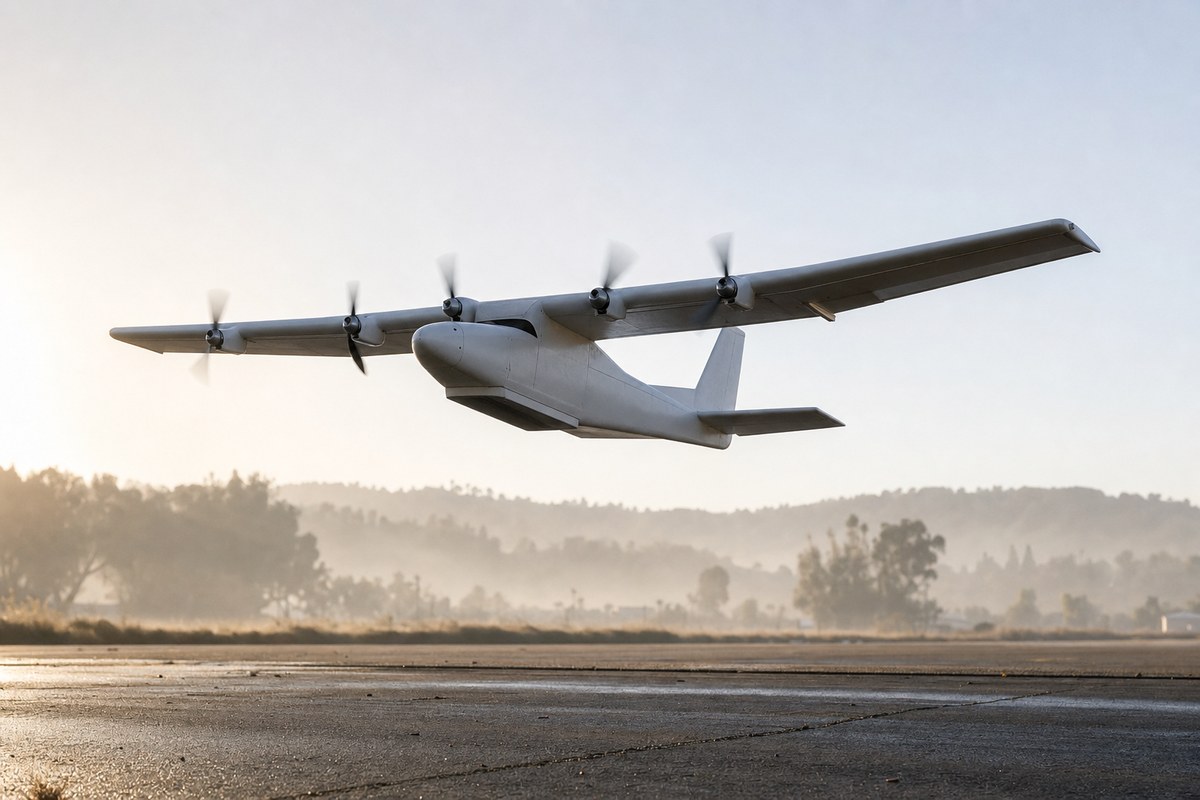
Initial tests demonstrated four times the lift of the unmodified baseline aircraft, exceeding preflight predictions, while requiring 40% less thrust than typical distributed electric propulsion systems at equivalent lift. CEO Byron Ward said the same airframe flew successfully both with and without the Waylift system installed, with no design changes required to accommodate it.
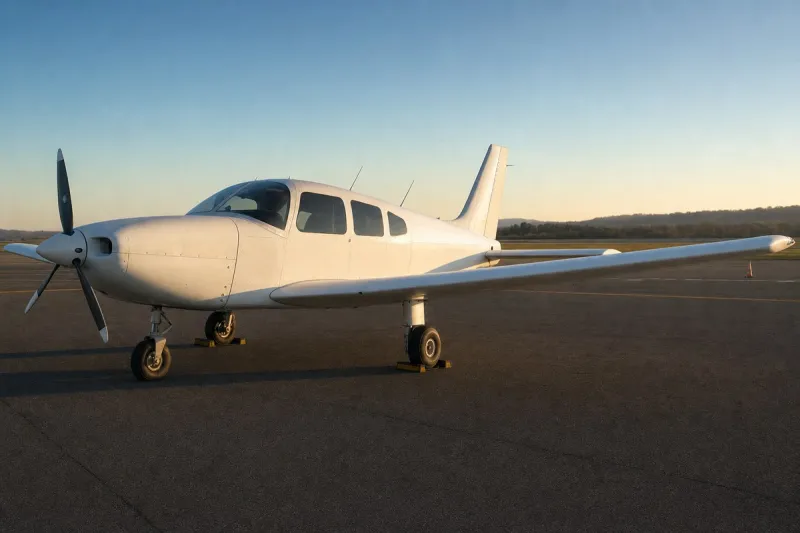
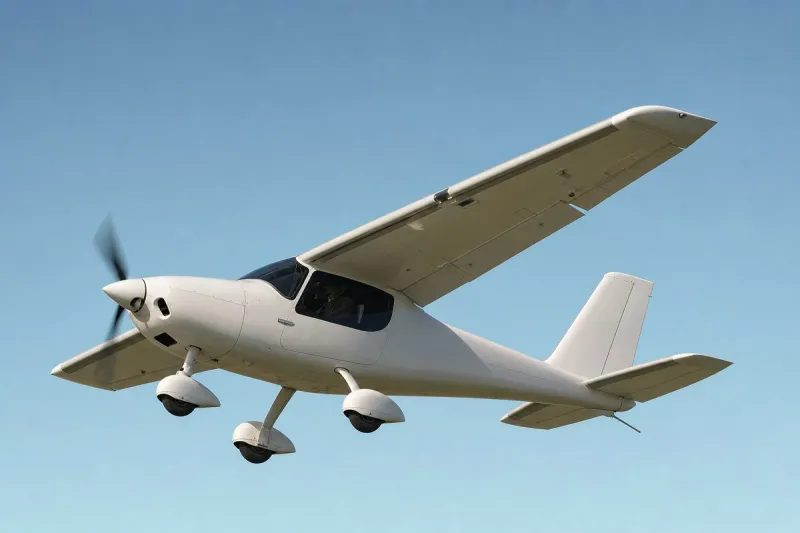
Embry-Riddle Aeronautical University flight-tested its own instrumented Cessna 182 to validate that the subscale aircraft's aerodynamics were representative of the full-size aircraft, with assistant professor Kyle Collins noting that running the subscale and full-scale campaigns side by side confirmed the results apply at full scale.
Wayfarer says the Waylift system is designed to be compatible with existing certified airframes, reducing required field length by 80% while preserving speed, range and payload, with potential applications including runway-independent contested logistics missions requiring long-range, heavy-payload delivery capability.