Astana International Airport adds FMC Tempest-i de-icing vehicles capable of operating in 20 m/s winds
Why It MattersRaising the wind-operating ceiling for de-icing equipment shows how airports in harsh-winter climates size ground-handling gear around weather thresholds rather than fleet volume alone to sustain departure readiness.
What happened
Astana International Airport has expanded its aircraft de-icing fleet ahead of the winter season, adding two FMC Tempest-i de-icing vehicles, according to the airport's press service. The new vehicles can operate in winds of up to 20 meters per second, up from the 15 meters per second limit of the airport's previous de-icing machines.
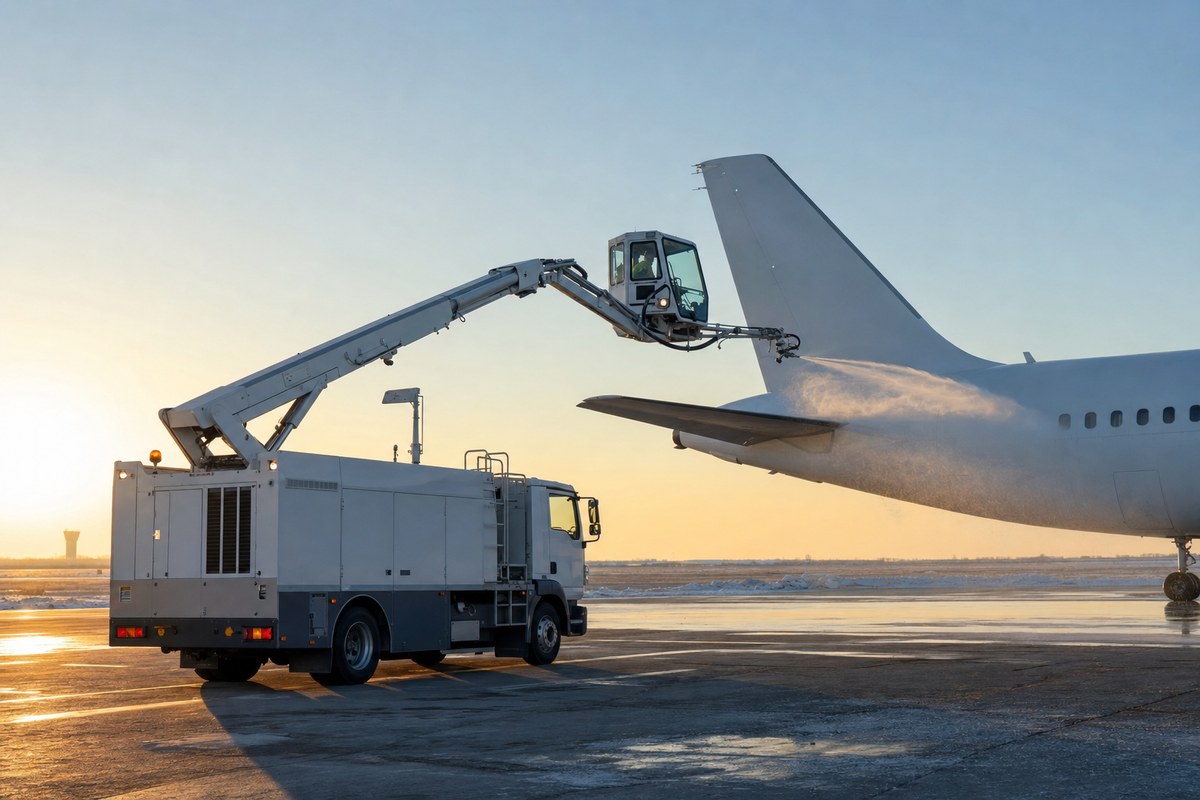
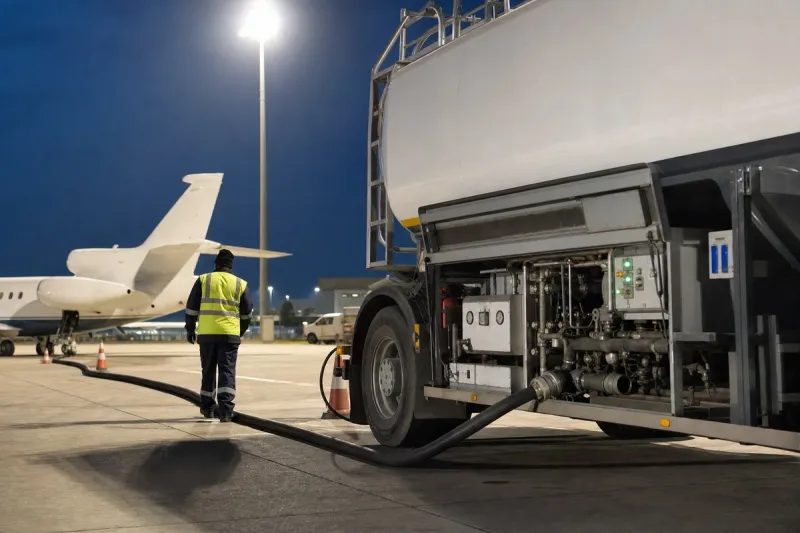
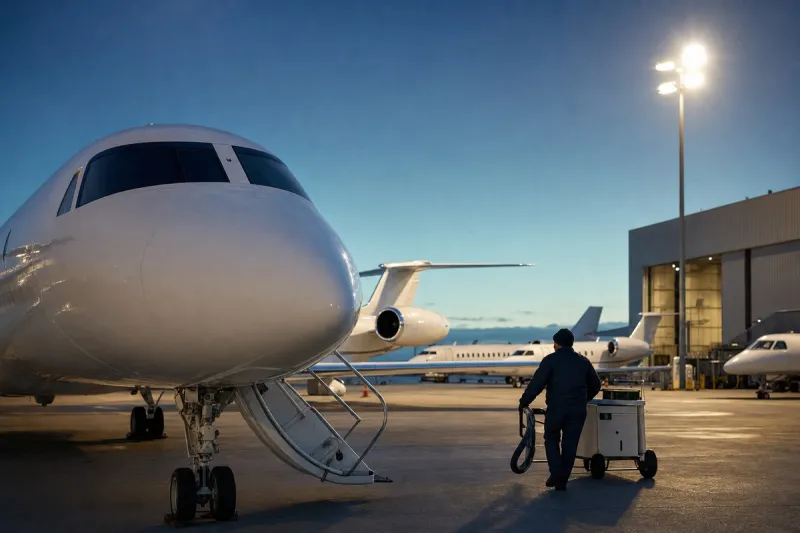
The Tempest-i vehicles are equipped with a heated de-icing fluid system, a lifting boom, automated controls, integrated safety features, and an enclosed operator cabin that shields crews from wind and precipitation. The new machines are currently being used in training exercises.
Winter preparations at the airport also include seasonal training for employees on severe-weather operations, inspection of infrastructure and specialized equipment, and updates to operational procedures in line with SAE International standards. Specialized teams maintain round-the-clock readiness throughout the winter season to keep runways and other surfaces clear and ensure aircraft are de-iced before departure.
Industry impact & what to watch
Airports in regions with frequent blizzards and freezing temperatures size ground equipment around the weather conditions crews must operate through, not just around aircraft movement counts. A de-icing vehicle that stalls out at 15 meters per second forces a pause in departures exactly when a severe-weather window is producing the delays it exists to prevent, so the operating threshold itself becomes the capacity constraint.
Astana's stated rationale — strengthening ground handling capacity during severe weather and managing peak seasonal workloads — points to wind tolerance as the binding factor rather than the number of vehicles alone. Pairing new equipment with training exercises and procedures aligned to SAE International standards suggests the airport is treating crew readiness and machine capability as a single system rather than separate upgrades.
How the Tempest-i units perform once winter's actual wind and blizzard conditions arrive, rather than in training, will show whether the higher threshold translates into fewer weather-driven delays at Astana this season.