Fall Flying Brings Crowded Skies, Fog Risk and Wildlife Hazards, Pilots Warned
Why It MattersSeasonal safety advisories underscore how recreational and training flight activity around fall attractions compounds collision and weather-related risks for general aviation pilots.
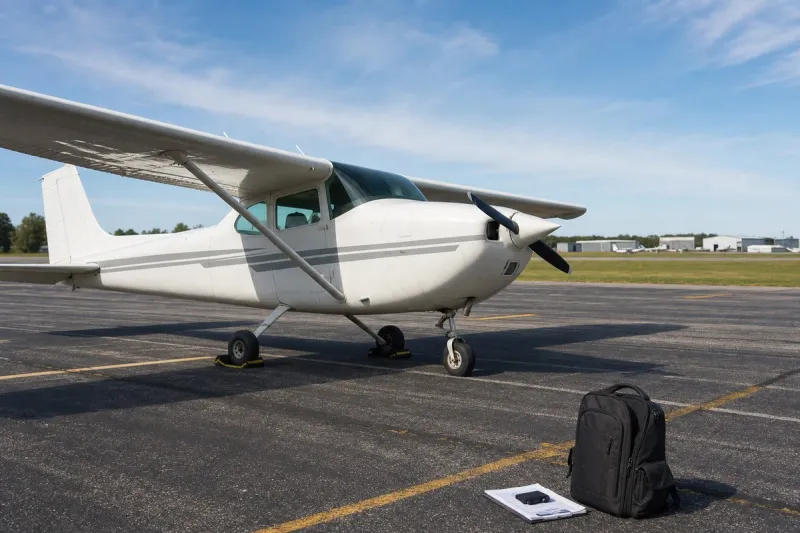
Autumn brings a set of added hazards for pilots, including heavier air traffic over scenic seasonal attractions, fast-forming fog, shorter daylight hours, and the risk of harassing wildlife from the air.
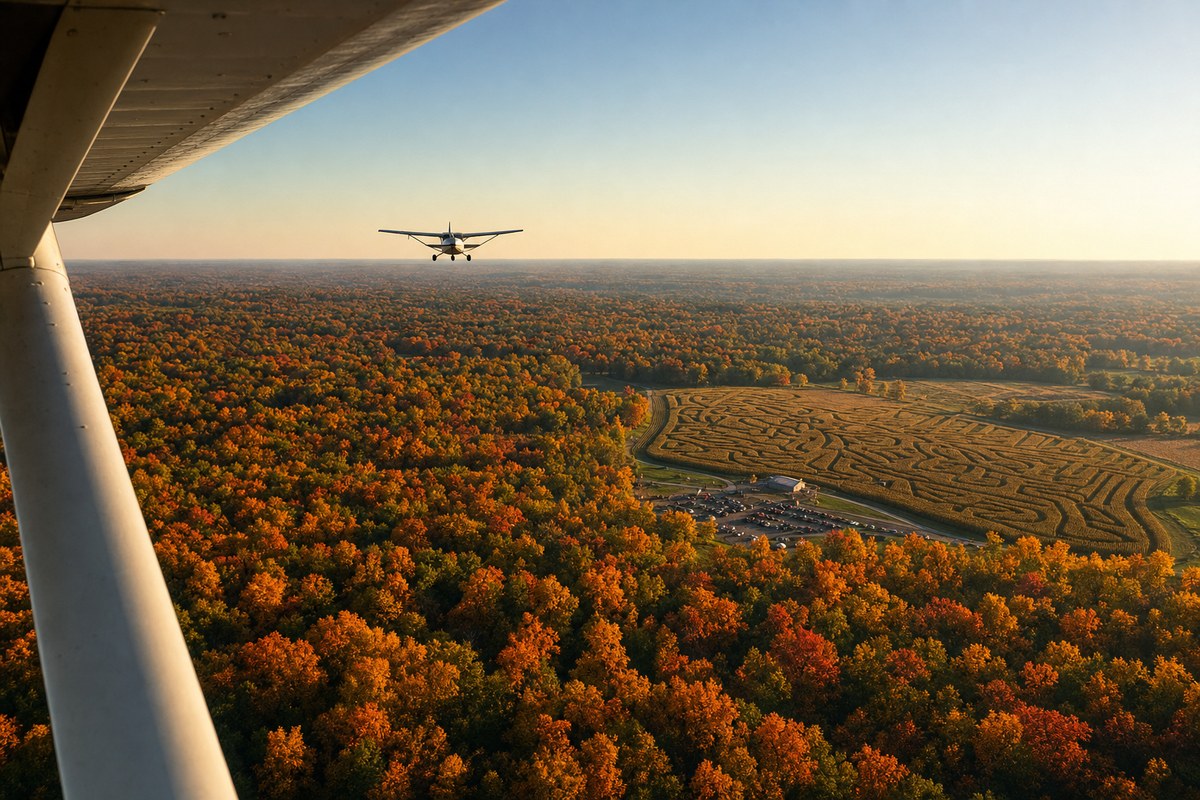
Starting in September, the number of aircraft flying over autumn foliage, corn mazes and pumpkin patches rises significantly, as training flights mix with sightseeing flights and raise the risk of mid-air conflicts. Clear radio communication, including orbiting announcements, and heightened situational awareness are described as essential during this period.
Pilots flying over wildlife areas are advised to observe minimum altitudes, commonly cited as 2,000 feet, to avoid harassing animals, though regulations vary by location and pilots are advised to check with local fish and wildlife agencies for specific guidance.
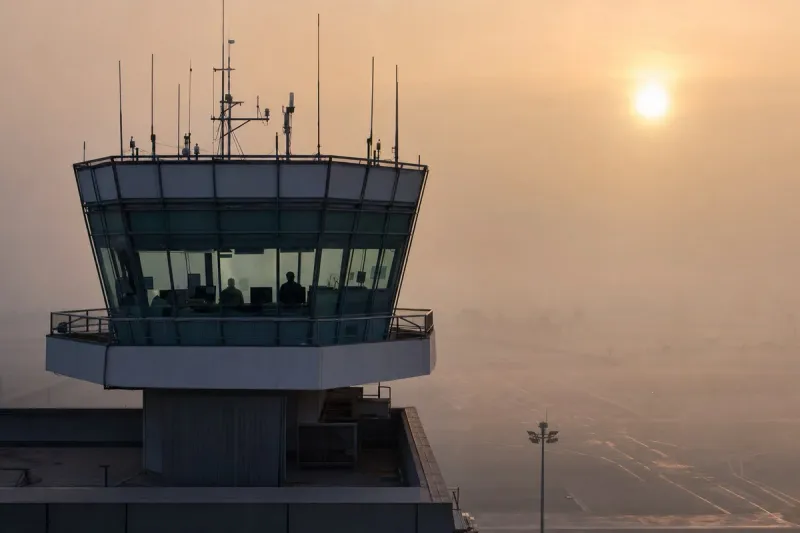
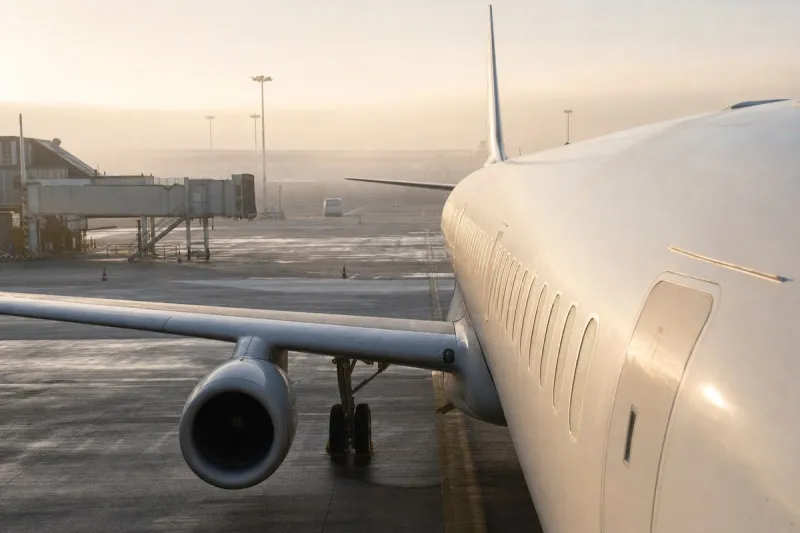
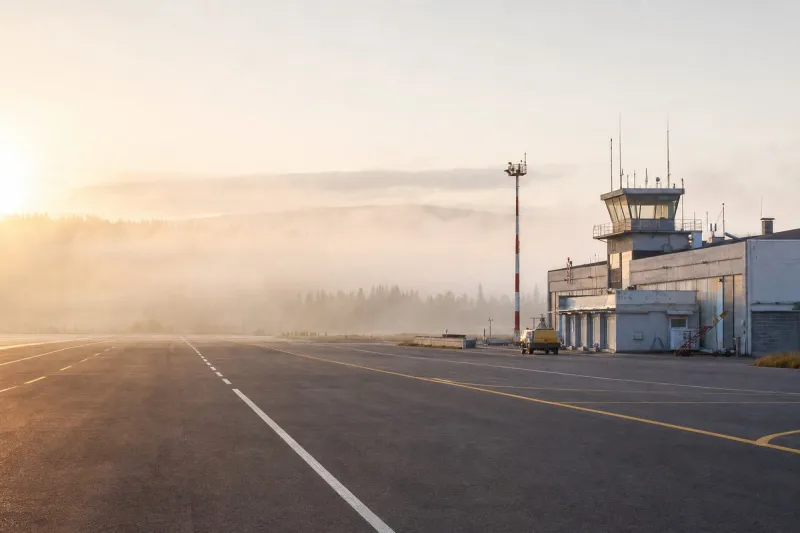
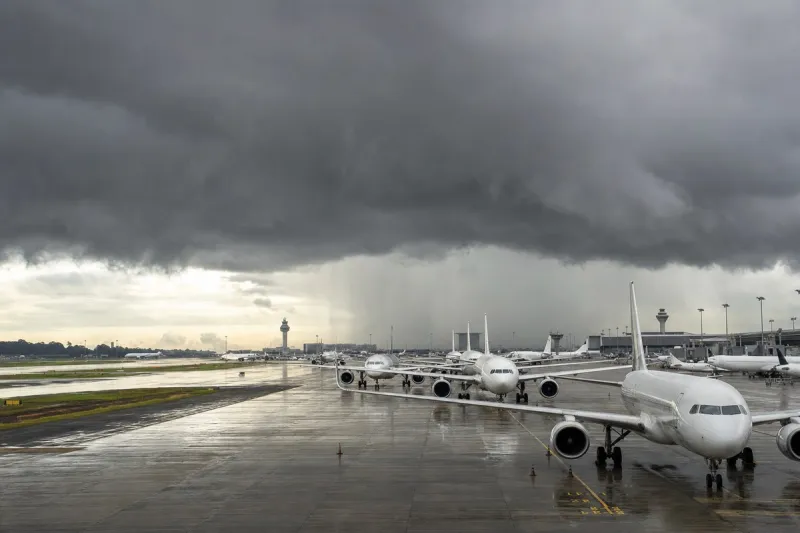
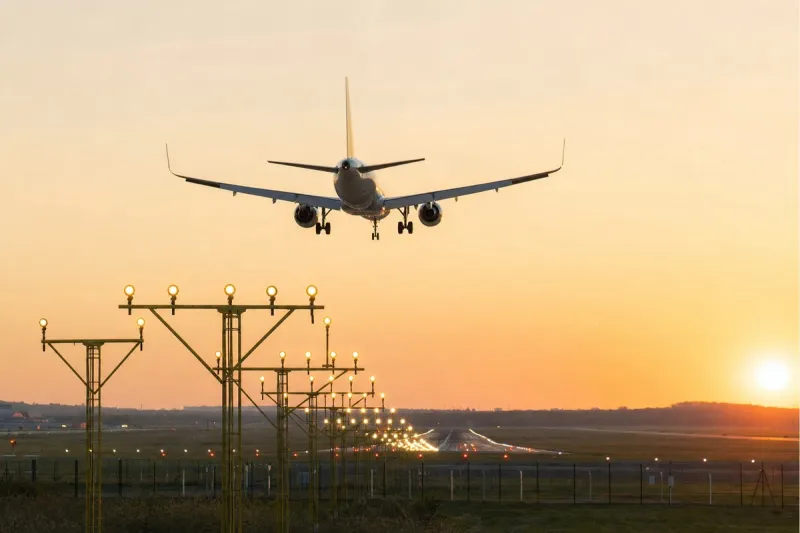
Shorter days and autumn's rapid fog formation mean pilots should keep night-flying and instrument skills current and carefully review weather forecasts, including TAFs and METARs, before each flight, since atmospheric obscurations can develop quickly during the season.