NASA's Roman Space Telescope Launches on SpaceX Falcon Heavy, First Images Expected January 2027
Why It MattersThe launch demonstrates continued reliance on heavy-lift commercial rockets for deep-space science missions, reinforcing SpaceX's role in high-value government payload delivery to distant orbital destinations.
NASA's Nancy Grace Roman Space Telescope lifted off at 7:26 a.m. EDT on August 30, 2026, aboard a SpaceX Falcon Heavy rocket from Launch Complex 39A at Kennedy Space Center in Florida. Mission controllers received telemetry seven minutes after launch, and the observatory separated from the rocket 31 minutes into flight.
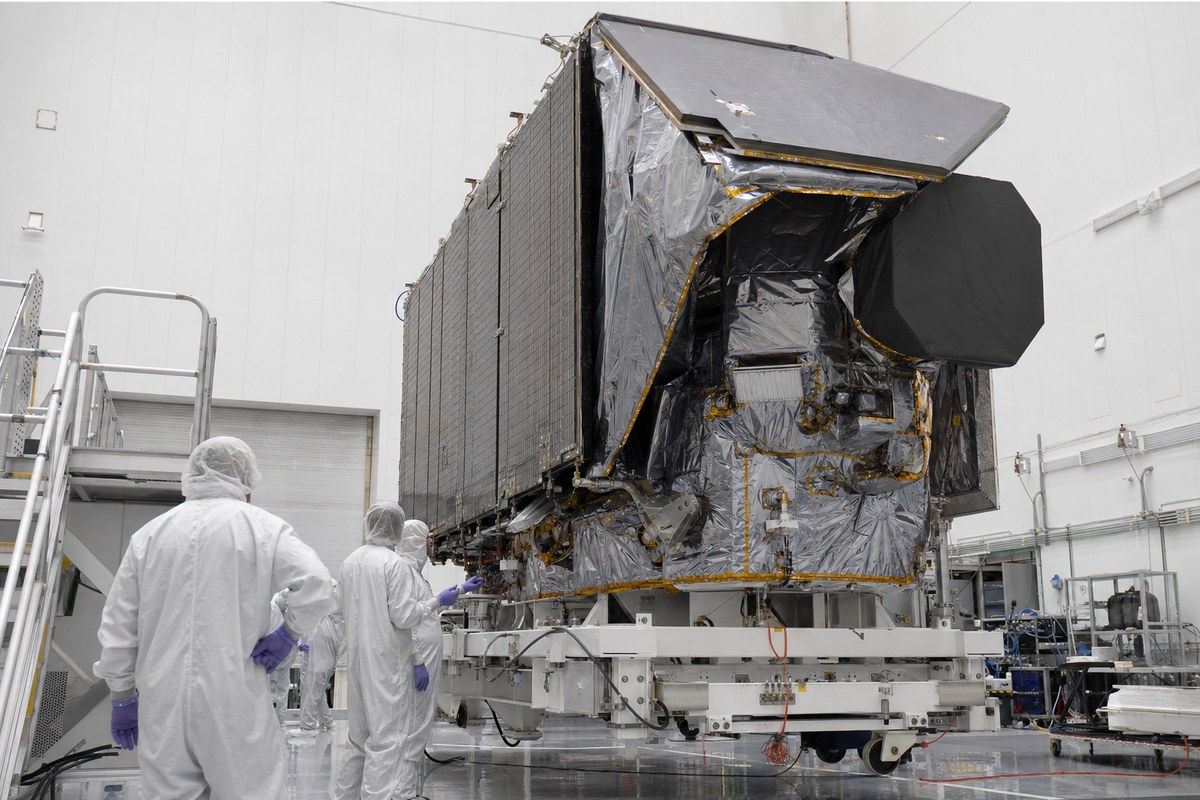
A mission update published September 4 confirmed that Roman's solar panels, high-gain antenna and aperture cover had been successfully deployed. On August 31, ground teams conducted a 3.5-minute trajectory-correction burn to refine the spacecraft's outbound path. Roman is now traveling toward the Sun–Earth Lagrange point 2, located approximately one million miles from Earth, a journey expected to take more than three months, during which engineers are deploying systems, performing navigation maneuvers and commissioning the observatory's science instruments.
Roman carries two primary instruments, the Wide Field Instrument and the Coronagraph Instrument, the latter a technology demonstration designed to block starlight so faint nearby planets can be studied. Before either can produce science-ready data, teams must activate the hardware, calibrate detector responses, characterize optical effects and verify stable pointing and thermal conditions. NASA has set January 2027 as the current target for releasing first images, while officials noted calibration and commissioning checks could affect the precise timing.