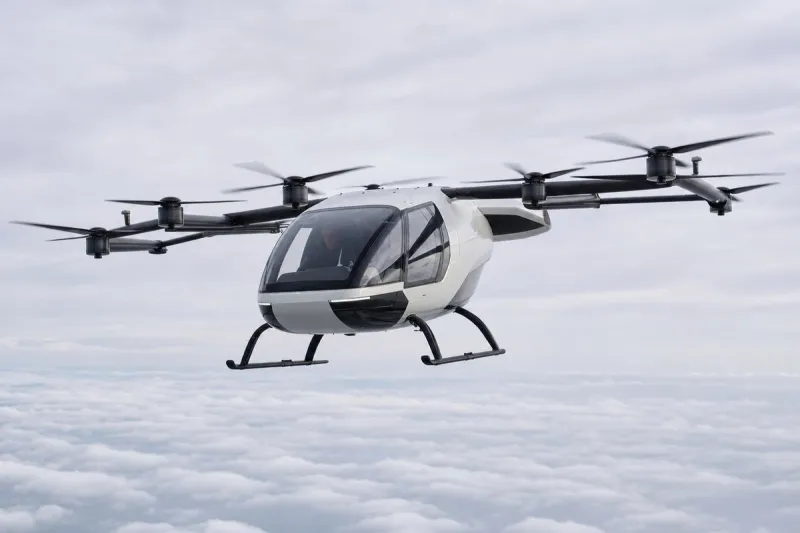
Reactive Surfaces develops bio-based coatings to passively prevent aircraft icing
Why It MattersA paint-based passive anti-icing approach could reduce aviation's reliance on glycol fluid and powered de-icing hardware across commercial, military, general-aviation, and drone operations.
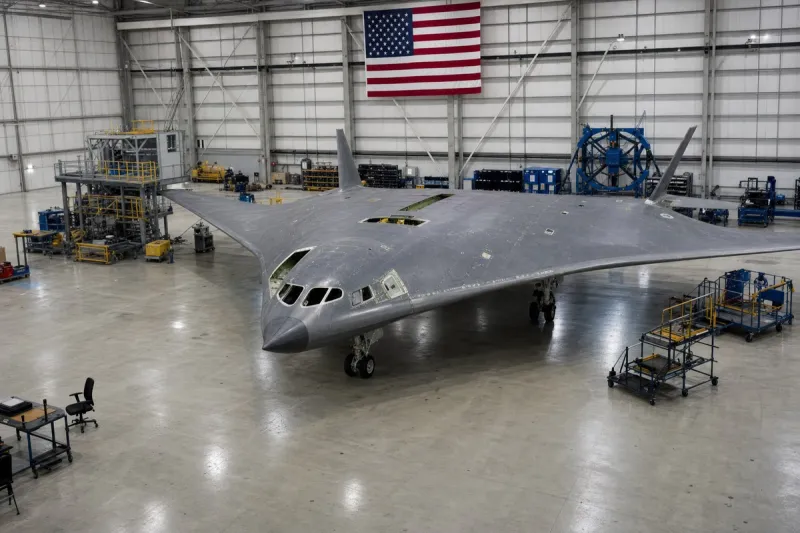
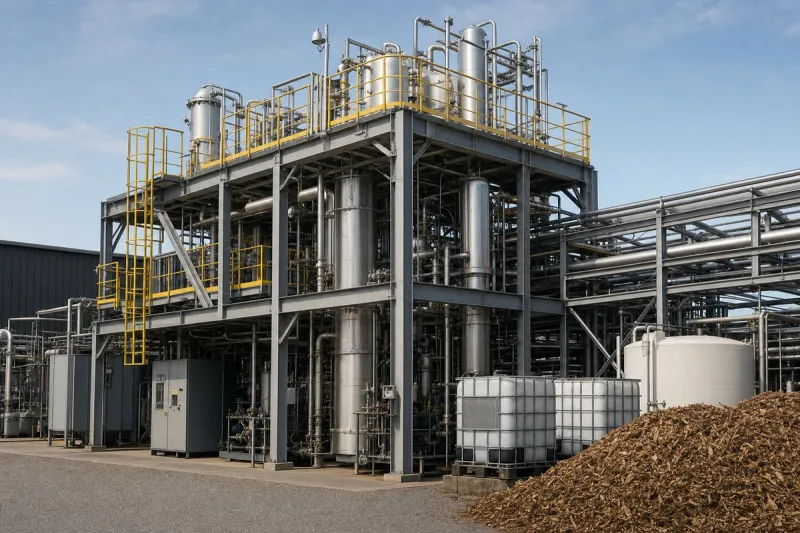
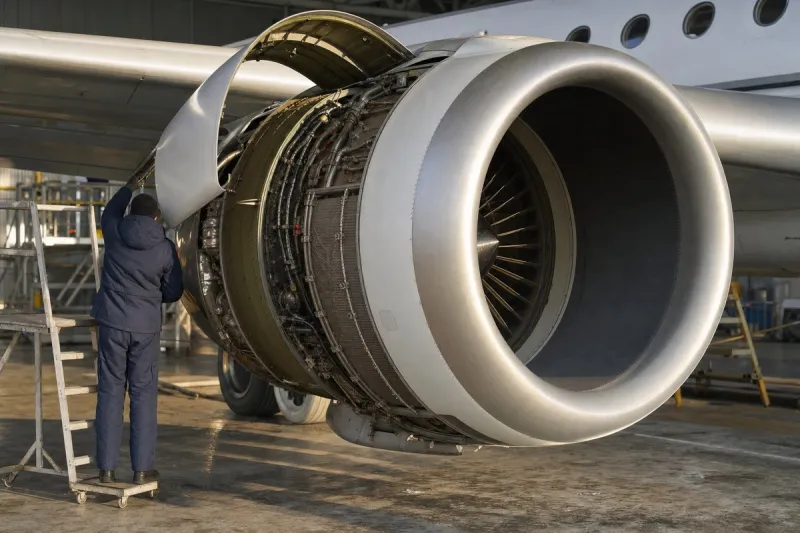
Reactive Surfaces is developing bio-based, non-toxic anti-icing coatings that can be blended directly into existing FAA-approved aircraft paint formulations, offering a passive alternative to conventional de-icing methods such as glycol fluid spraying, pneumatic boots, and thermal systems. The additives draw on mechanisms borrowed from cold-adapted organisms: some interfere with ice crystal formation, others mimic antifreeze proteins found in cold-water fish and insects by widening the gap between freezing and melting points, and others reduce surface energy to weaken ice adhesion. Because the technology is incorporated into standard paint, it requires no new tanks, pumps, inflatable boots, or separate certification pathways.
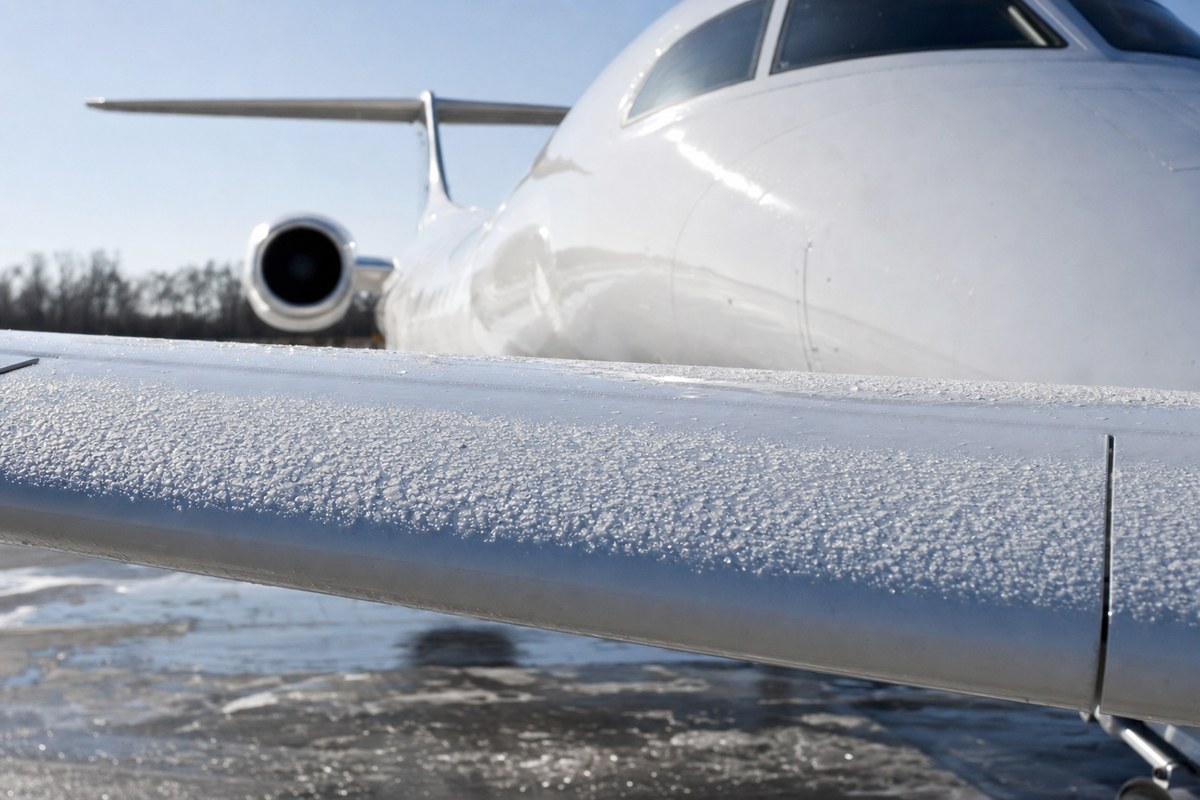
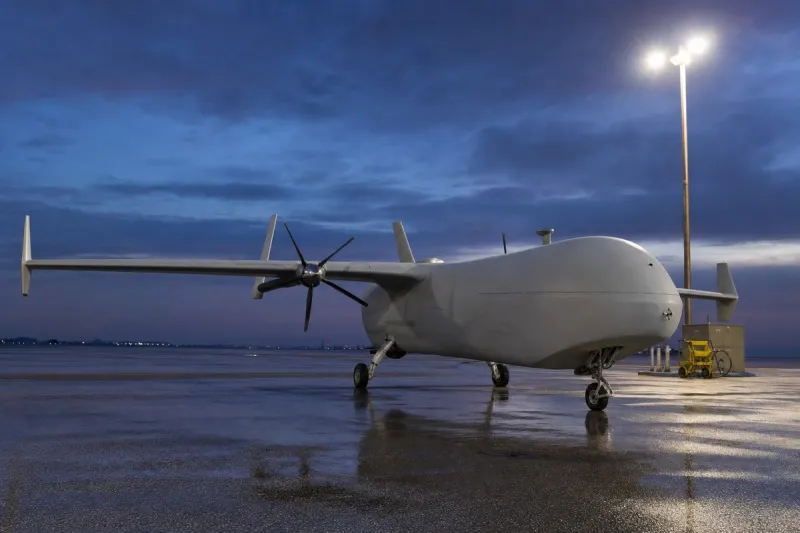
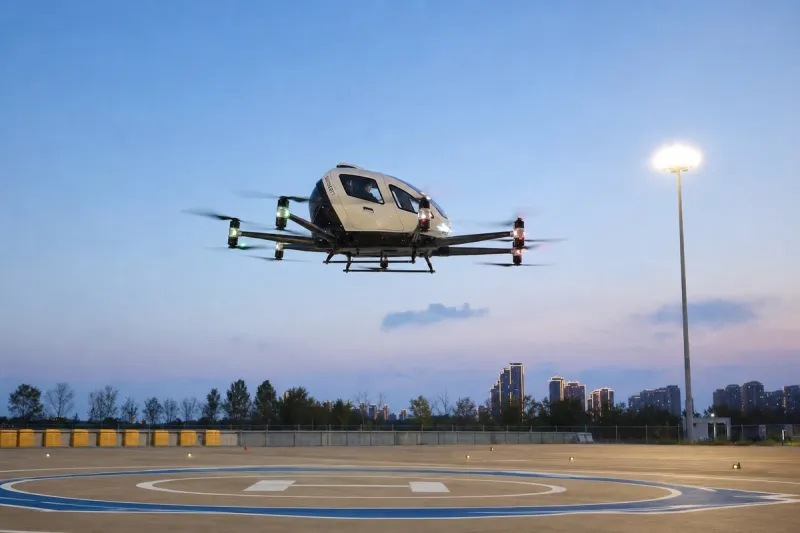
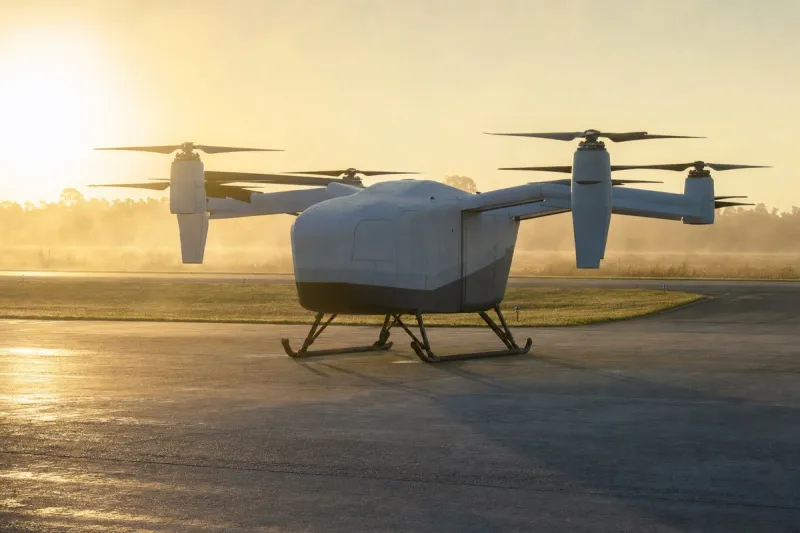
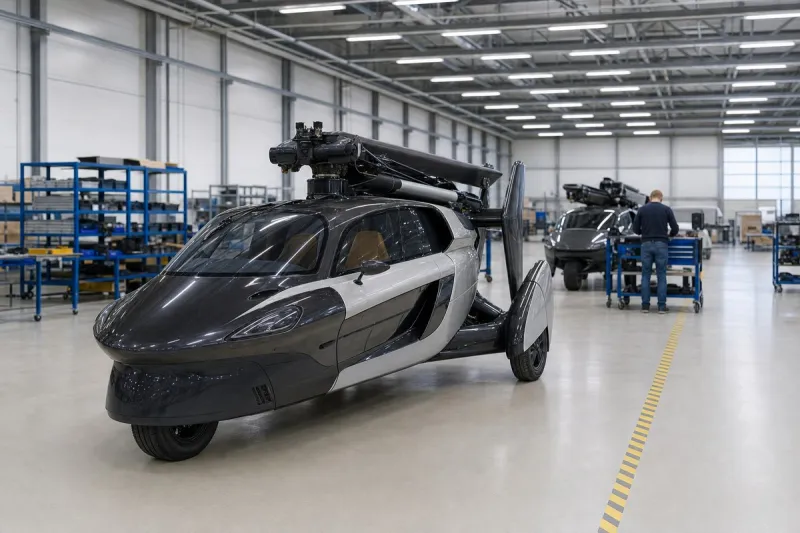
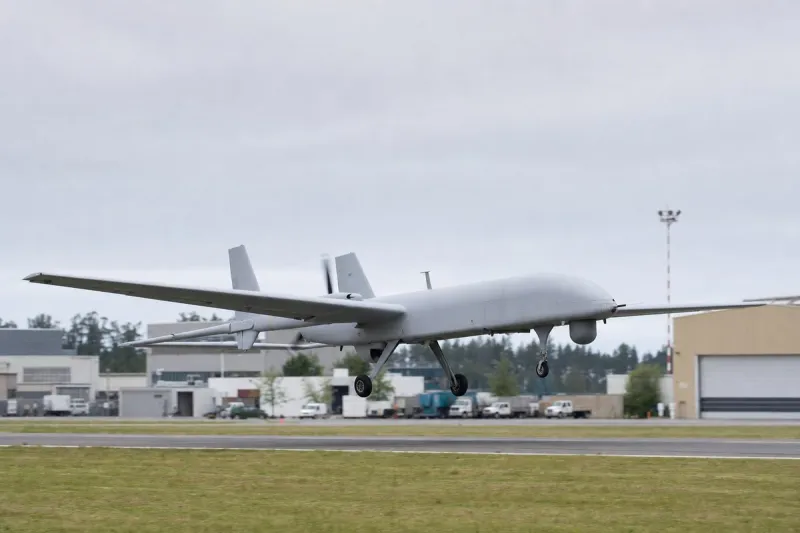
Reactive Surfaces estimates commercial carriers could reduce winter operating costs by 15 to 30 percent through shorter ground de-icing times, fewer weather-related delays, and reduced wear on thermal and pneumatic hardware. Military operators in remote locations without de-icing infrastructure could see improved mission readiness, and smaller general aviation airfields that often lack de-icing equipment entirely could also benefit. The company also points to advantages for unmanned aircraft systems, which are typically too small and weight-sensitive to carry conventional de-icing equipment; a lightweight coating integrated into the paint layer adds no payload penalty and no power draw.
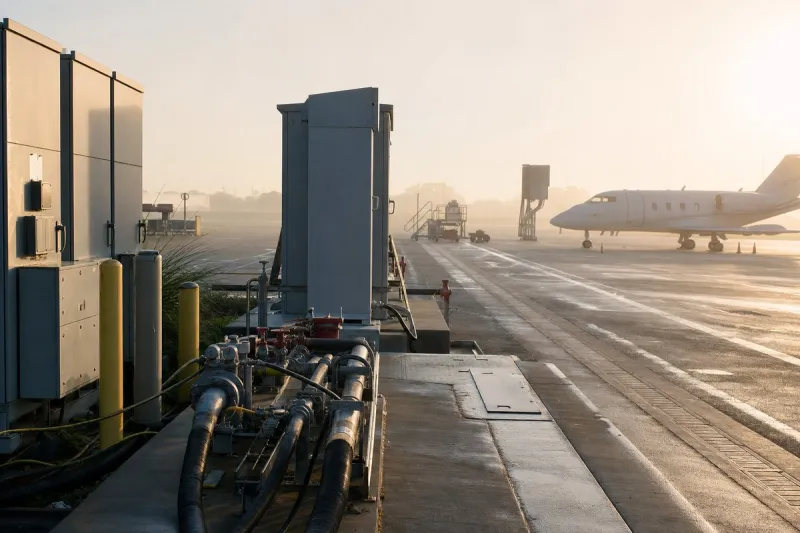
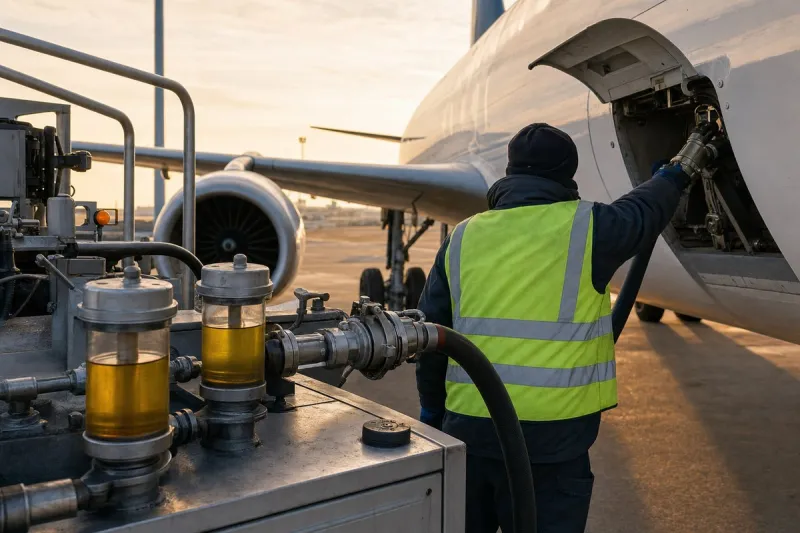
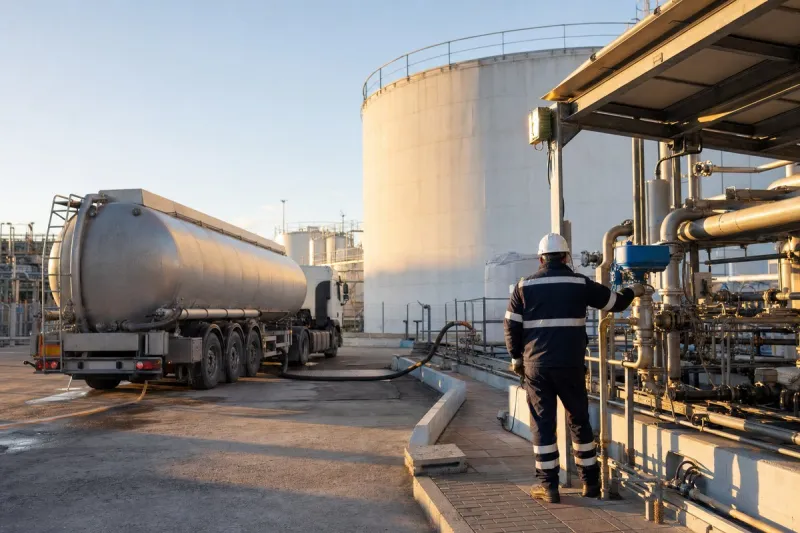
Commercial aviation currently consumes hundreds of millions of gallons of ethylene and propylene glycol de-icing fluid annually, much of which enters soil and waterways near airports, and eliminating that need would remove the contamination source. Reactive Surfaces also cites a low-single-digit fuel efficiency gain from reduced reliance on powered thermal anti-icing systems during winter operations. The company frames the coating as complementary to existing anti-icing procedures rather than an immediate wholesale replacement, pending field validation.