Christchurch Engine Centre to add 200 jobs with $250m expansion for Pratt & Whitney GTF overhauls
Why It MattersThe expansion shows how a single-region MRO site can become a durable node in a global engine supply chain once volume, test capacity and skilled staffing scale together over years, not quarters.
What happened
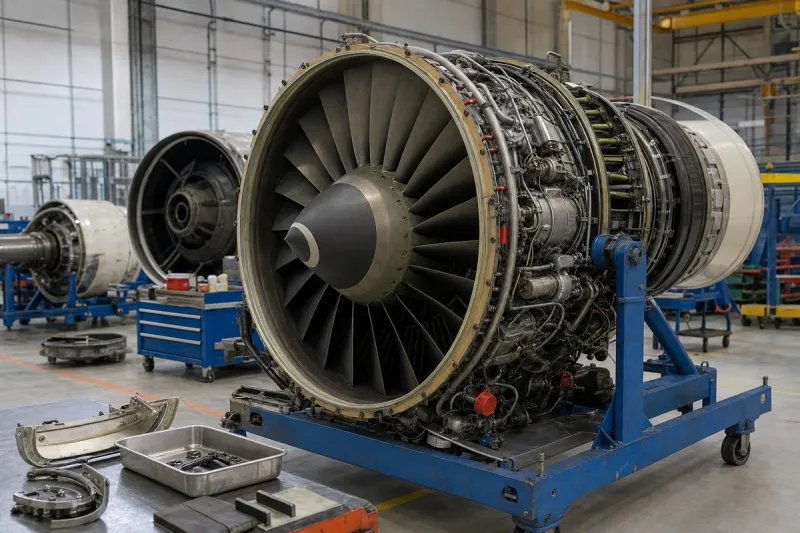
The Christchurch Engine Centre, a joint venture between Pratt & Whitney and Air New Zealand, is undergoing a $250 million expansion that will add at least 200 technical roles to a workforce currently numbering 350–400 staff. General Manager Graham Jack said the expansion represents a vote of confidence in Christchurch and the Canterbury region, describing hiring as "flat out," with recruits coming from aviation engineering programmes and from countries including the Philippines, Singapore, South Africa and several European nations.
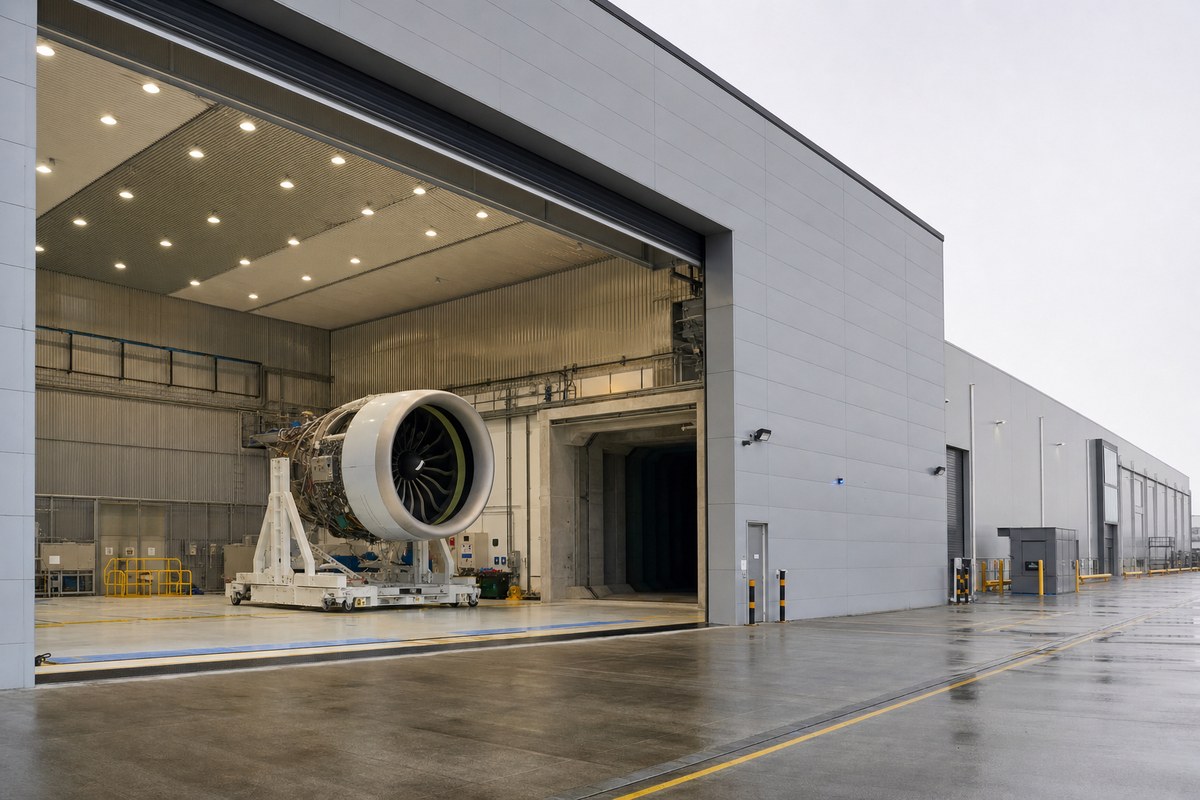
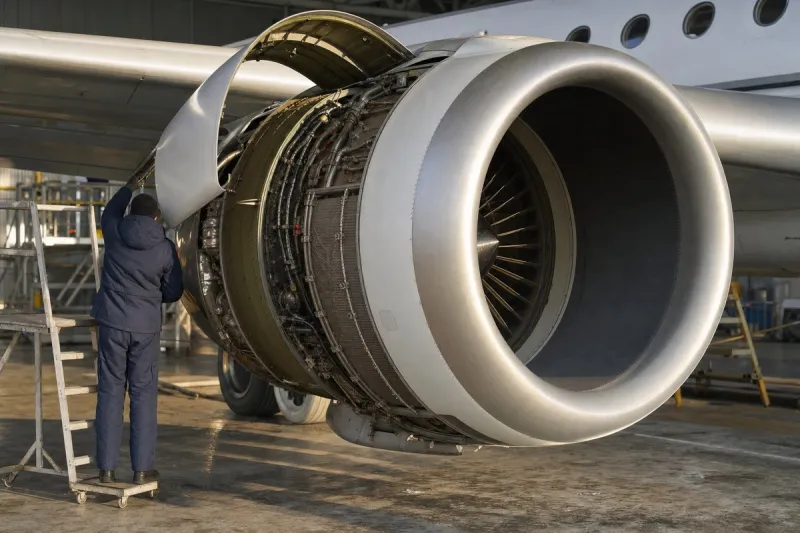
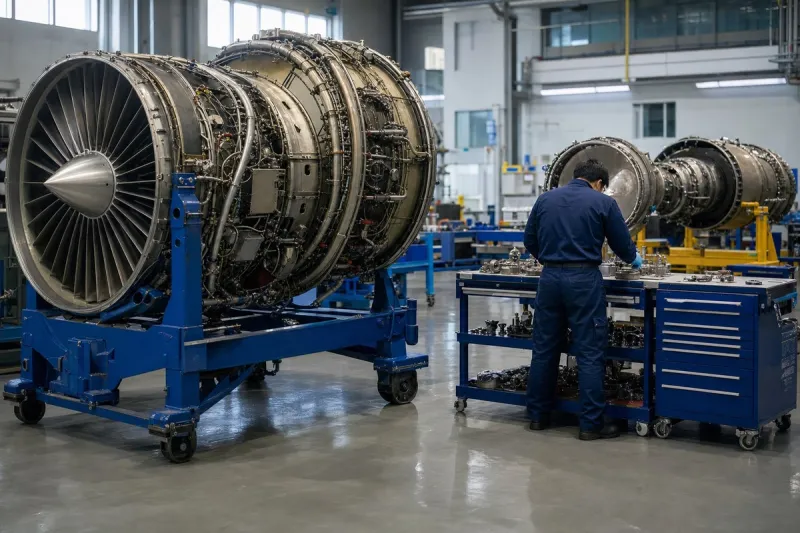
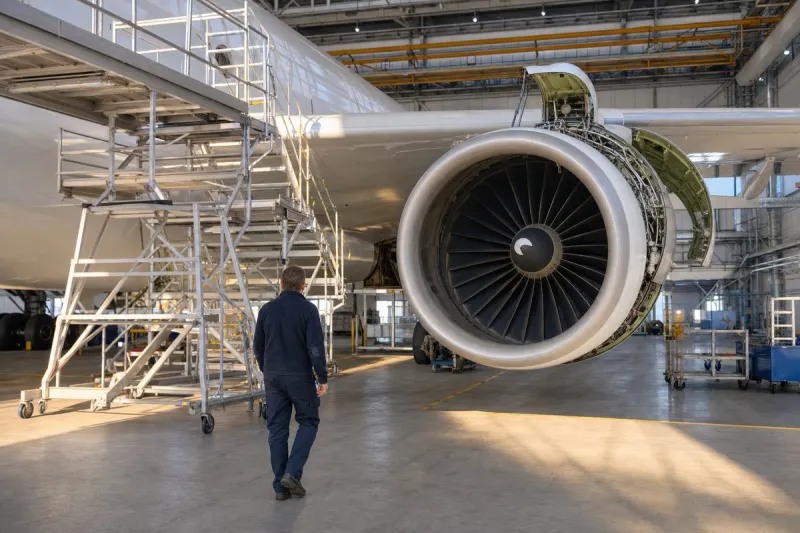
The project adds 14,000 square metres of capacity at Christchurch Airport, including a 4,000 sq m soundproofed test cell where engines can be run at maximum thrust to verify performance. The first geared turbofan (GTF) engine is expected to enter the facility in Q4 2026, with full-scale throughput of up to 140 GTF overhauls per year expected by 2032.
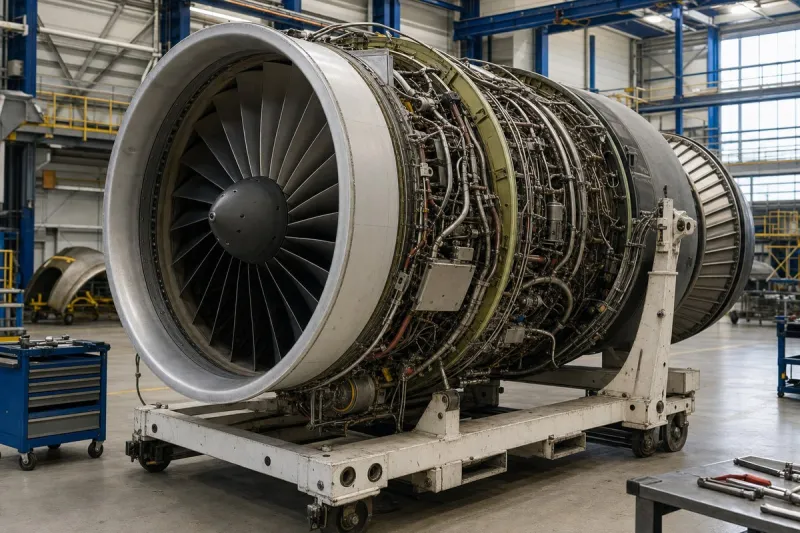
Pratt & Whitney's GTF engine, introduced roughly ten years ago, powers the Airbus A320/A321 family and has accumulated more than 14,000 orders and commitments from over 90 customers worldwide as of mid-2026. The engine delivers fuel-burn and carbon-emission reductions of up to 20% and a noise footprint up to 75% smaller than the engines it replaces; globally, GTF engines have saved airlines more than three billion gallons of fuel and 30 million metric tons of CO₂ in their first decade of service. The Christchurch centre has overhauled more than 1,500 V2500 engines over 25 years and has ranked at the top of global customer-satisfaction surveys for engine MRO. More than 90% of the centre's current workload is sourced from overseas customers.
Why Christchurch
Pratt & Whitney described the Christchurch location as "highly strategic," citing an Airbus forecast of 4.4% annual passenger growth in the Asia-Pacific region through 2045, compared with 3.9% globally. The company said the investment would keep Christchurch as "an indispensable anchor of the international aviation supply chain for the next 30 to 40 years."
Industry impact & what to watch
This expansion illustrates how GTF-era MRO capacity is being built well ahead of the demand curve: engines introduced a decade ago are only now generating the overhaul volume that justifies a facility this size, and the ramp to full throughput is measured in years, with 2032 cited as the target for reaching 140 overhauls annually.
Engine MRO for a new engine family typically scales in phases tied to when the earliest-delivered units reach their first shop visit, so a site's growth curve tracks the installed base's age rather than current order intake alone. Christchurch's existing V2500 track record and customer-satisfaction standing gave it a base to build from, but the new test cell and floor space are sized for a GTF workload that will only build gradually as more A320/A321neo-family aircraft age into overhaul cycles.
What will confirm the pace is whether the first engine actually arrives in Q4 2026 as planned, and whether hiring keeps up with the 200-role target given that recruitment is already drawing from multiple countries. The gap between the current 350–400 staff and the throughput target of 140 overhauls a year by 2032 is the clearest marker to track over the next several years.