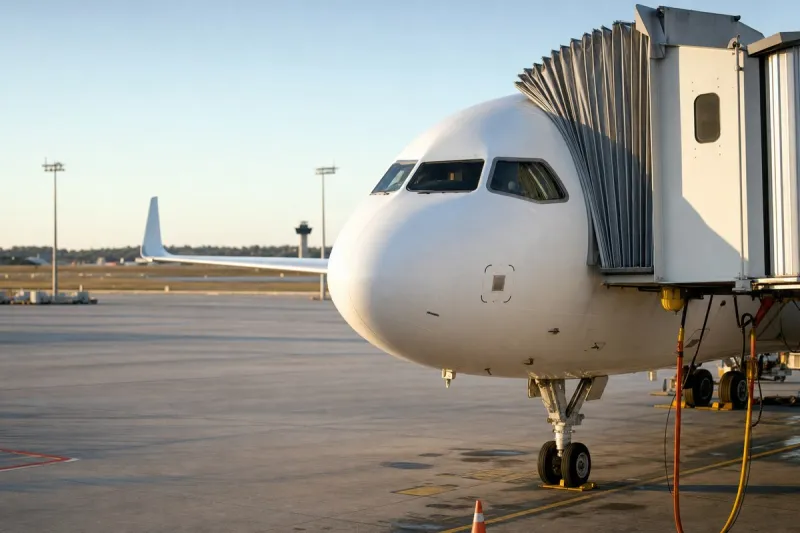
Canada's Aerospace Industry Contributed $33.1 Billion to GDP in 2025, Supported 218,700 Jobs
Why It MattersThe recovery underscores accelerating defence procurement, deepening supply chain integration, and digital manufacturing adoption as structural forces reshaping Canada's aerospace sector.
Canada's aerospace industry has completed its post-pandemic recovery and returned to growth, according to the July 2026 State of Canada's Aerospace Industry Report released jointly by Innovation, Science and Economic Development (ISED) and the Aerospace Industries Association of Canada (AIAC). The sector contributed $33.1 billion to Canada's GDP in 2025 and supported 218,700 jobs nationwide, with exports reaching $28.2 billion to more than 170 countries and accounting for over 70 per cent of aerospace manufacturing revenues. The industry invested more than $1.8 billion in research and development, retaining its position as Canada's most R&D-intensive manufacturing sector.
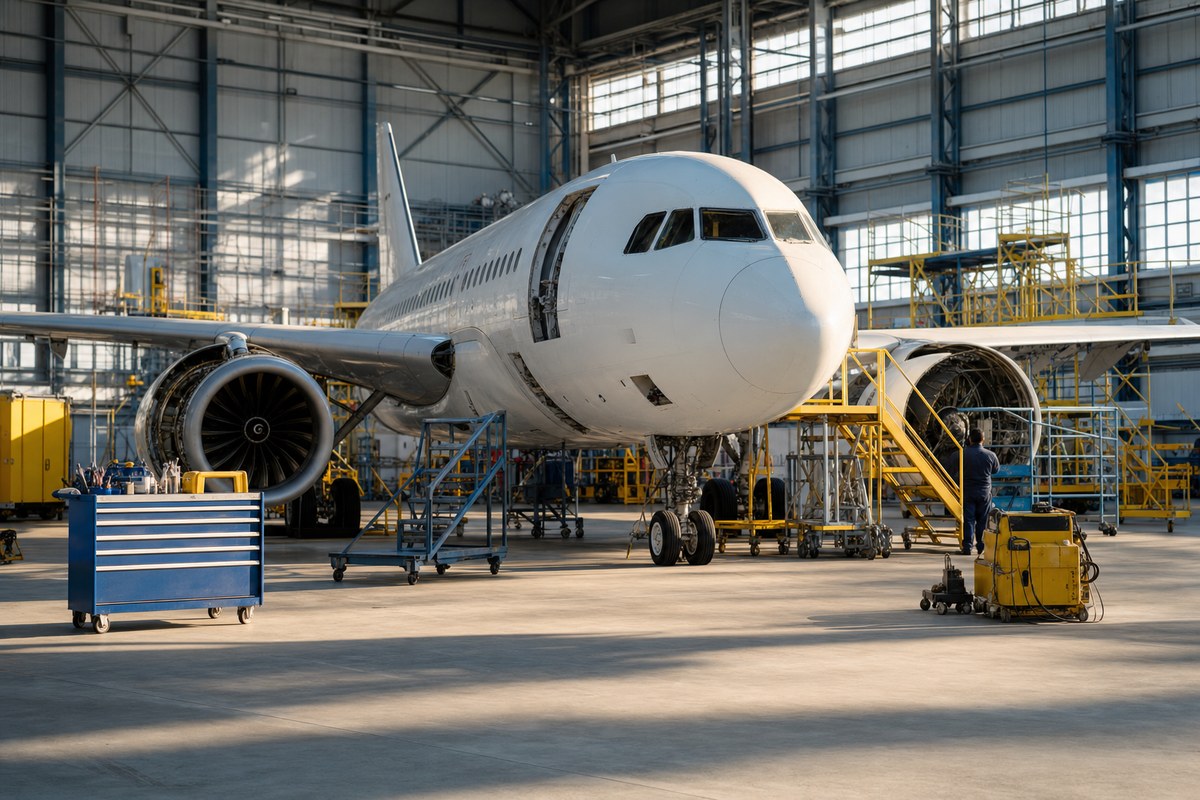
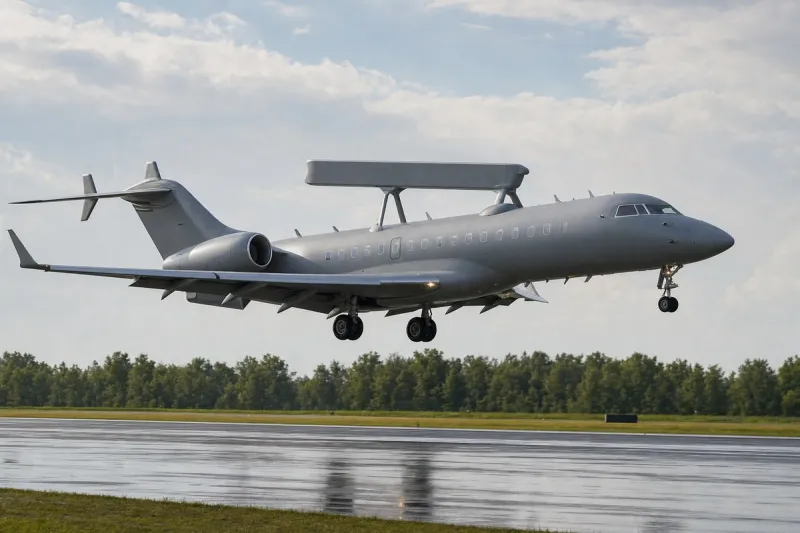
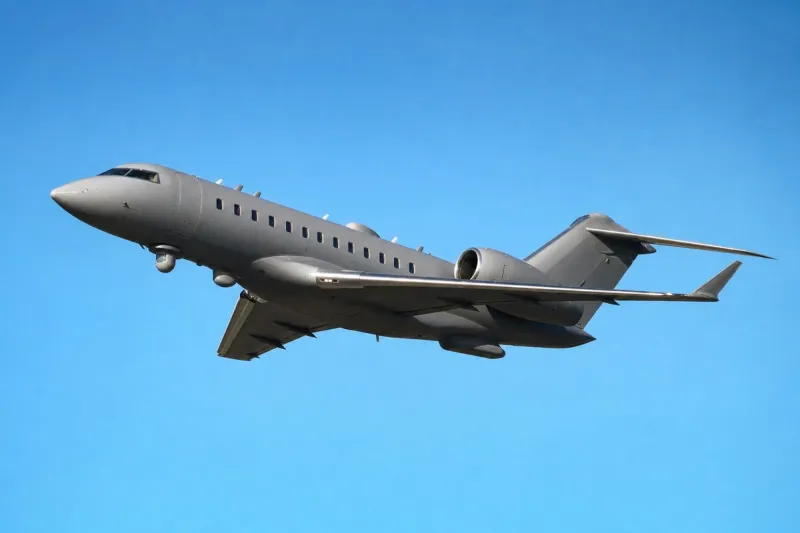
Three trends are shaping the industry's future: defence spending acceleration, supply chain prioritization, and digital manufacturing. The Canadian government launched a new Defence Industrial Strategy and Defence Investment Agency to boost domestic procurement, while Bombardier's defence business surpassed US$1 billion in annual revenue ahead of schedule. The government's selection of Saab's GlobalEye airborne early warning system, built around Bombardier's Canadian-made Global 6500 business jet, is projected to support approximately 3,000 Canadian aerospace jobs, with at least one-third of the projected GlobalEye fleet expected to be manufactured in Canada over the next 15 years. At CANSEC 2026, Airbus announced cooperation agreements with CAE, Pratt & Whitney Canada, and L3Harris WESCAM to jointly pursue future Canadian defence programs.
On the supply chain side, Airbus spent more than $2.2 billion with approximately 1,000 Canadian suppliers in 2025, more than half of them small and medium-sized enterprises, with about 70 per cent of that spending supporting commercial and defence programs. More than 50 per cent of Canadian aerospace manufacturing exports are tied to global supply chains, and persistent challenges include titanium and nickel tubing lead times of 50 to 60 weeks compared with roughly 20 previously. On the digital manufacturing front, OEMs are expanding use of digital technologies as core production tools to manage rising production rates amid labour shortages and supply chain constraints, with Canada's strength in artificial intelligence, software development, and advanced manufacturing research positioning it to benefit from this transition.