Aviation and Shipping Drive Global Biofuel Investment Surge, IEA Projects 215 Billion Liters Annual Demand by 2030
Why It MattersAviation's growing reliance on SAF is pushing oil majors to redirect biofuel capacity toward jet fuel, reshaping refinery investment priorities industry-wide.
Growing demand for low-carbon fuels in aviation and shipping is accelerating global biofuel investment, with the industry shifting away from conventional ethanol and biodiesel toward hydrotreated vegetable oil (HVO), sustainable aviation fuel (SAF) and waste-based biofuels. The International Energy Agency projects biofuels' share of total liquid transportation fuels will rise from 5.6% in 2023 to 6.4% in 2030, with global demand reaching 215 billion liters annually. More than 75% of new biofuel demand through 2030 is expected to come from aviation and shipping, with consumption in those two sectors projected to grow by an average of 30% between 2023 and 2030, driven largely by policies in North America, Europe and Japan, while growing electric-vehicle adoption limits biofuel growth in road transportation.
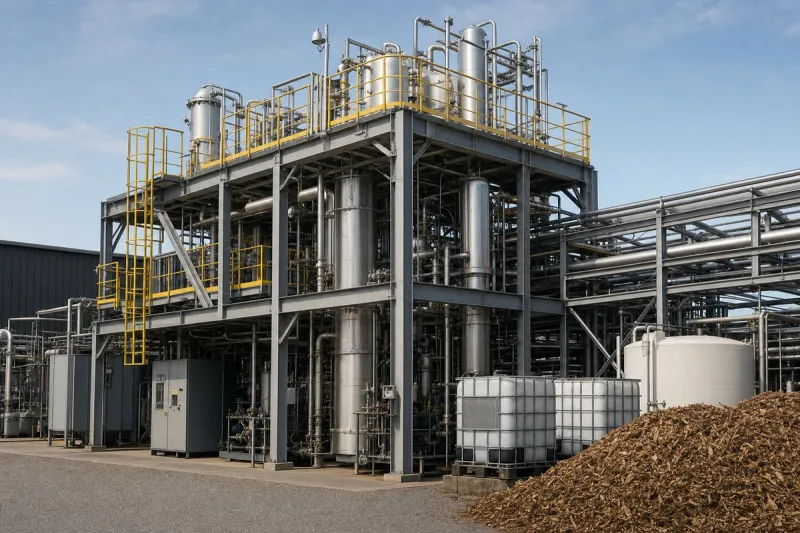
The sector has increasingly adopted HVO, a renewable diesel produced from vegetable and animal oils and used cooking oil processed with hydrogen. The IEA's 2019 outlook projected biodiesel and HVO production to rise around 34% between 2019 and 2024, reaching 57.1 billion liters, while advanced biofuel production was expected to double. Use of waste and residues has also increased as the industry seeks to reduce biofuel production's impact on food supplies, land use and deforestation.
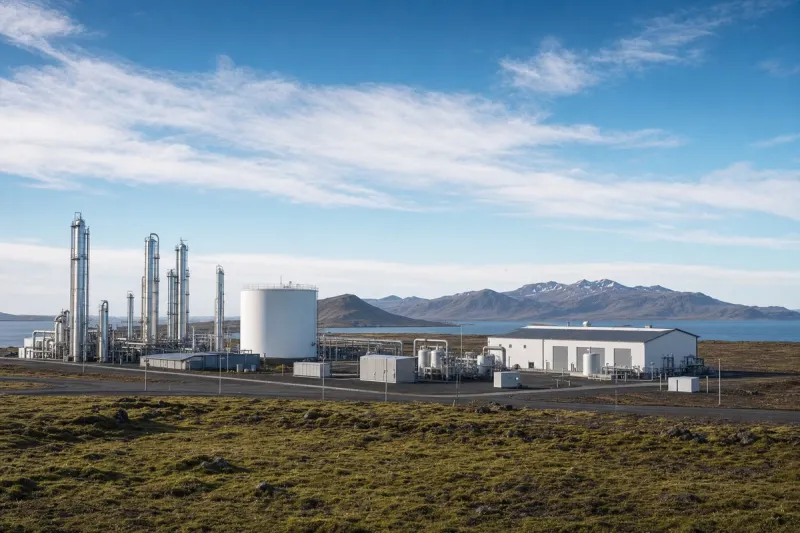
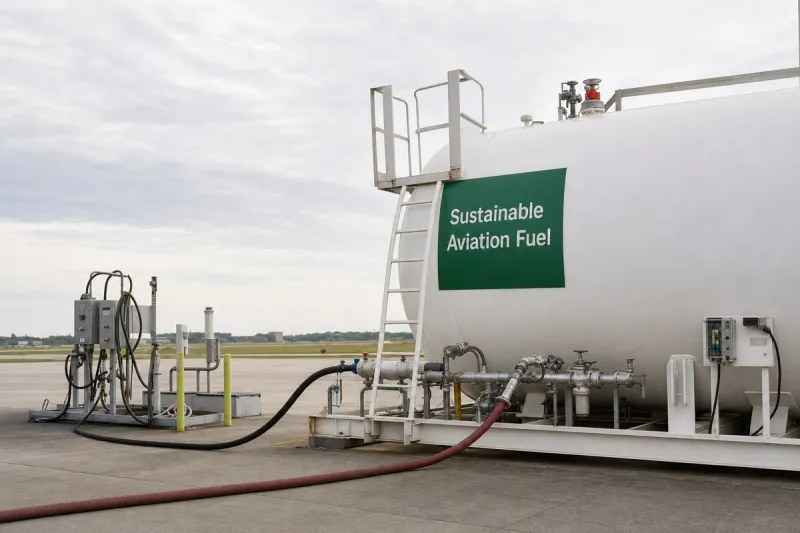
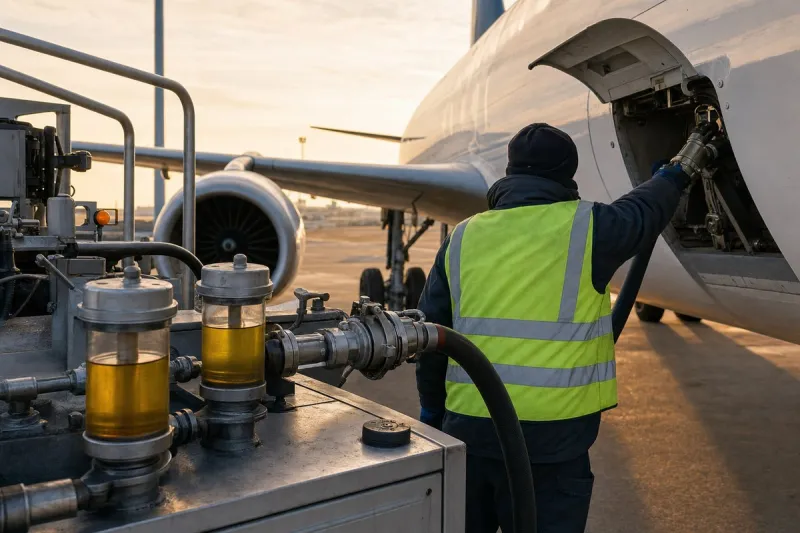
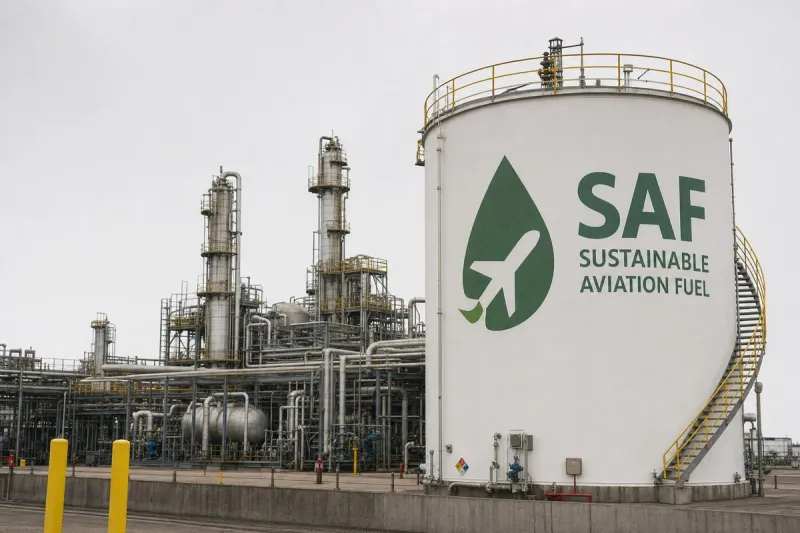
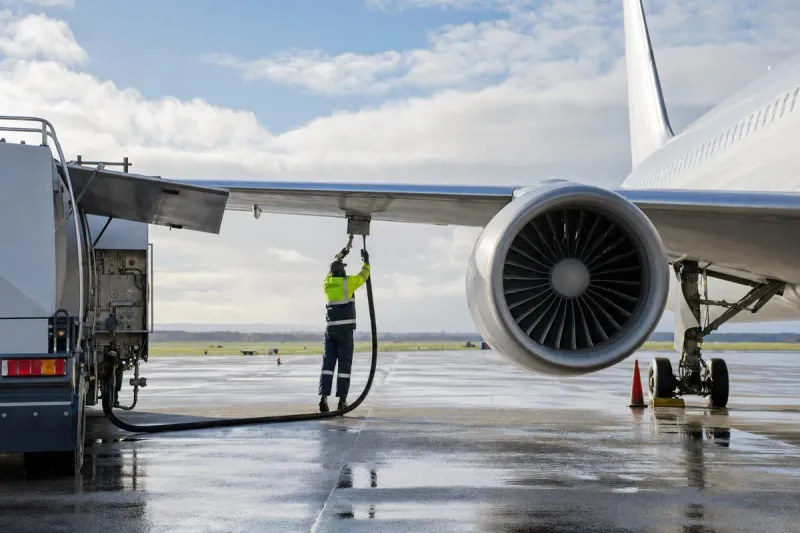
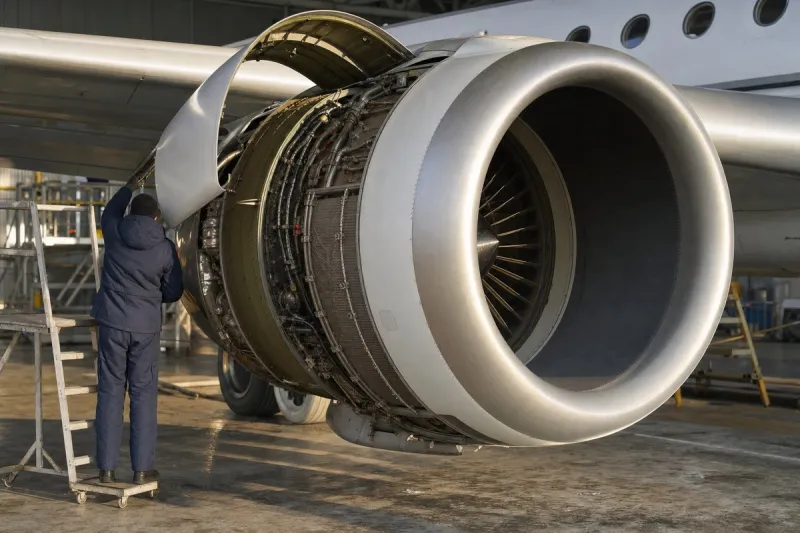
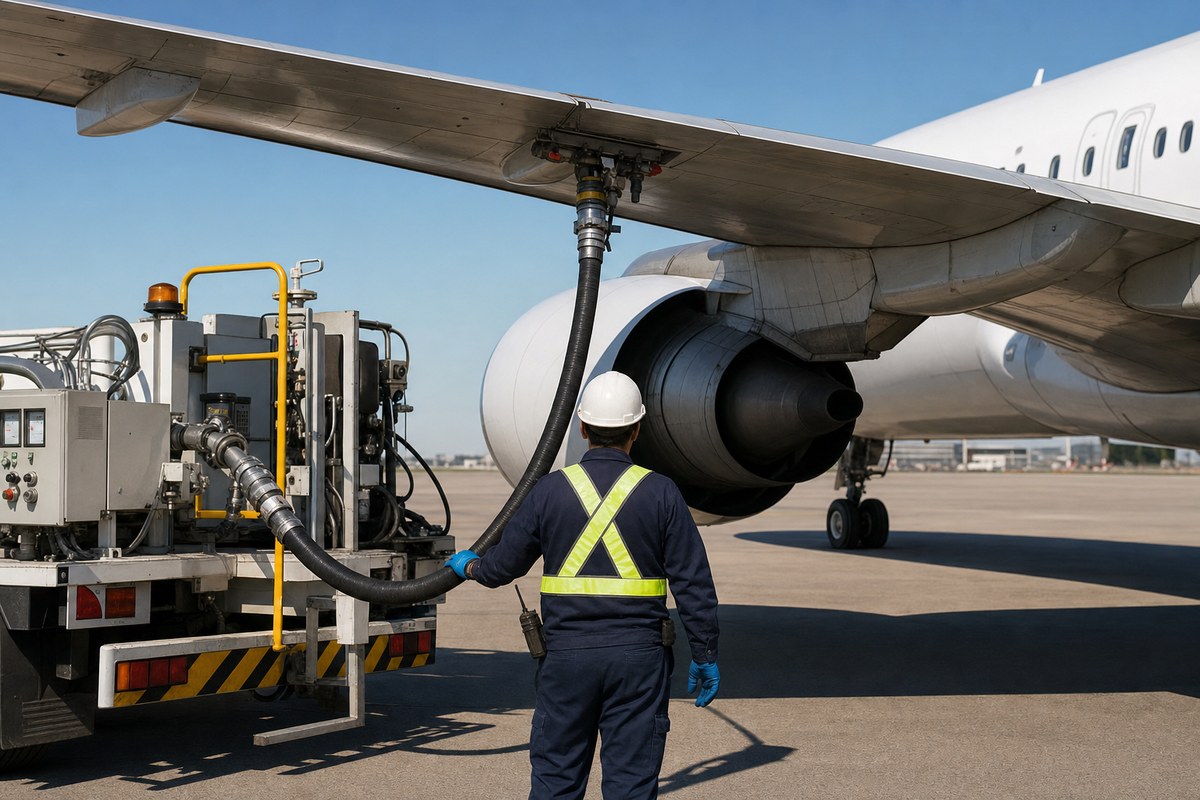
SAF, produced from feedstocks including biological waste and residues, can be blended with conventional jet fuel and used in existing aircraft and fuel infrastructure. Under the EU's ReFuelEU Aviation regulation, SAF must account for at least 2% of fuel supplied at EU airports from 2025, rising to 6% in 2030 and 70% by 2050. Oil companies are expanding capacity in response: Eni aims to raise biofuel production through its Enilive unit from 1.65 million metric tons per year to more than 3 million metric tons by 2028 and over 5 million metric tons by 2030, including up to 2 million metric tons of SAF, and plans a 500,000-metric-ton biorefinery in Italy's Priolo area capable of producing HVO or SAF depending on market conditions. bp is expanding biofuel and SAF production using its refinery infrastructure and views hydroprocessed esters and fatty acids as one of the most scalable pathways.
The IEA says biofuels will remain important to the energy transition, while high feedstock costs, policy uncertainty and low producer margins pose risks to the sector.