Sustainable Aviation Fuel Market Forecast to Reach US$84.5 Billion by 2035, Growing at 35.2% CAGR
Why It MattersSustained multi-decade growth projections signal that SAF is becoming a structural pillar of aviation decarbonization rather than a niche supplementary fuel option.
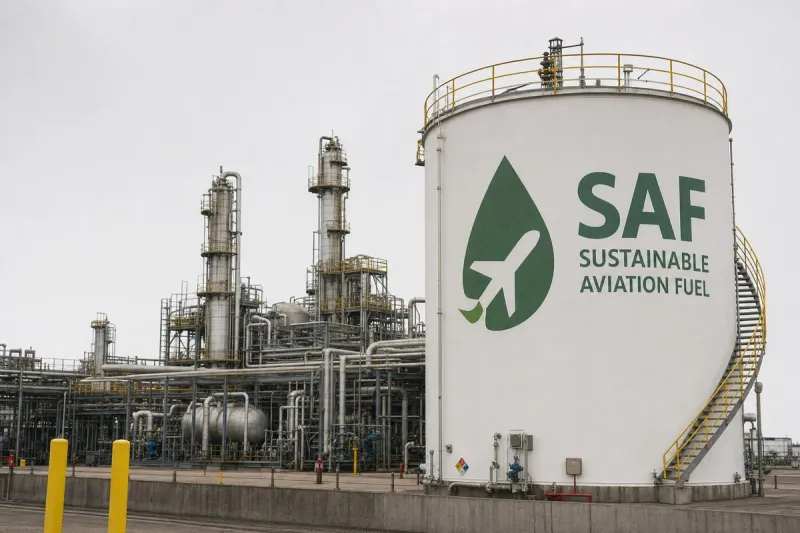
The global sustainable aviation fuel (SAF) market was valued at US$3.8 billion in 2025 and is projected to reach US$84.5 billion by 2035, expanding at a compound annual growth rate of 35.2% from 2026 to 2035.

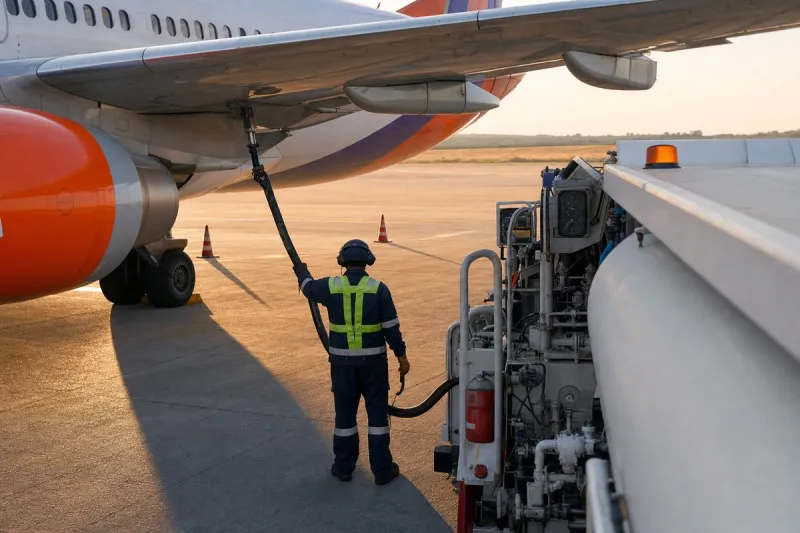
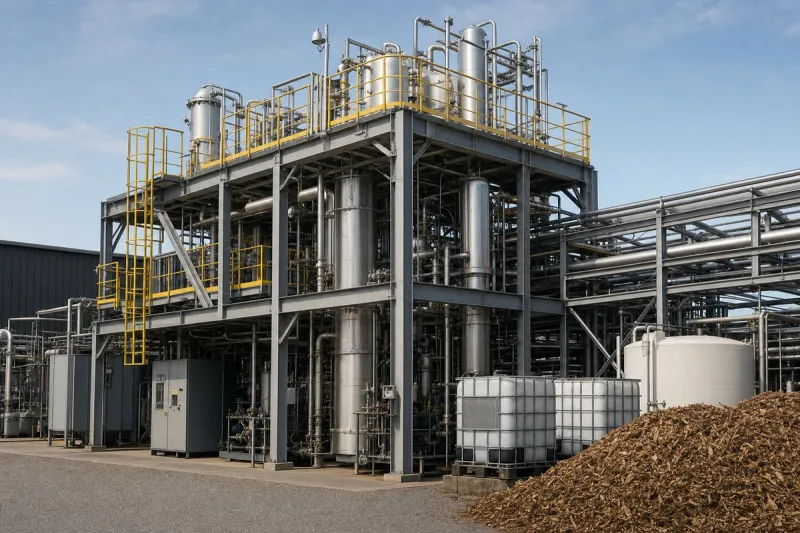
Growth is driven by the aviation industry's push to reduce carbon emissions, with SAF capable of significantly cutting lifecycle greenhouse gas emissions compared with conventional jet fuel. Airlines and airports pursuing net-zero and decarbonization targets are increasingly adopting SAF, supported by government blending mandates, carbon reduction policies, and airline sustainability commitments. Rising investment in biofuel and synthetic fuel production facilities, advances in feedstock conversion, hydrogen-based e-fuels, and Power-to-Liquid technologies are also accelerating market expansion.
Key players active in the SAF market include Neste, Fulcrum BioEnergy, LanzaTech, TotalEnergies, Gevo, SG Preston, Velocys plc, Northwest Advanced Bio-Fuels, Red Rock Biofuels, and Prometheus Fuels, pursuing pathways including waste-to-SAF conversion, carbon recycling, Fischer-Tropsch synthesis, and renewable hydrocarbon production. In the United States, companies including Gevo, LanzaTech, World Energy, Fulcrum BioEnergy, and Alder Renewables have continued advancing SAF production and low-carbon fuel pathway initiatives through 2026. In Japan, JGC Holdings, ENEOS Corporation, Mitsubishi Corporation, IHI Corporation, Cosmo Oil, and Japan Airlines have similarly progressed domestic SAF supply chain and procurement efforts.
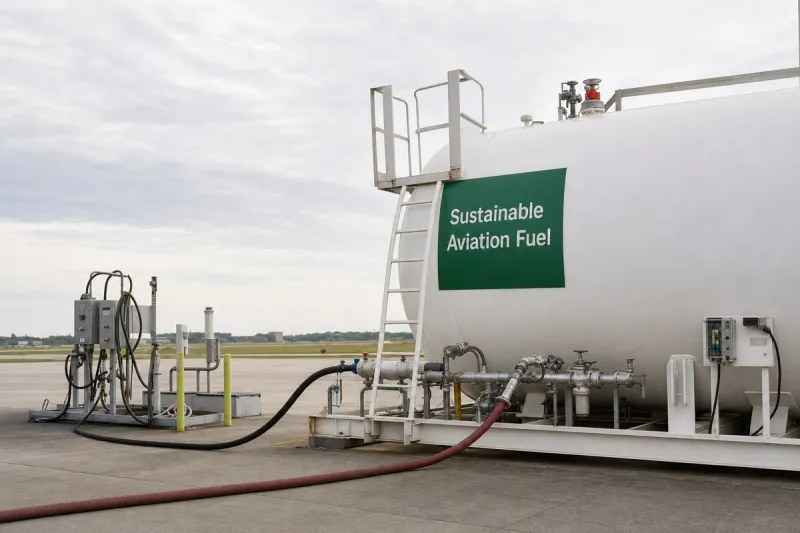
Investment opportunities identified in the sector include commercial-scale SAF production facilities, waste and residue feedstock technologies, synthetic and advanced fuel conversion pathways, long-term airline offtake agreements, and SAF storage and distribution infrastructure.